It’s a bizarre and concerning observation: your cat, seemingly fascinated by the smell of bleach. You’re not alone – many pet owners have reported their feline friends exhibiting unusual interest in cleaning products, from sniffing and pawing to, in some cases, attempting to ingest them. But why? Is it a quirk of feline behavior, a sensory anomaly, or something deeper rooted in their instincts?
Let’s dive into the surprisingly complex reasons behind this peculiar attraction, exploring everything from their unique olfactory system to potential evolutionary factors and, crucially, the dangers involved.
This exploration will unpack the science behind a cat’s heightened sense of smell, how it interacts with the chemical composition of bleach, and why this combination can be so stimulating. We’ll also look at how boredom, environmental factors, and even a cat’s evolutionary history can play a role, alongside the very real risks associated with bleach exposure and practical steps you can take to keep your furry friend safe.
Why Do Cats Love Bleach (and Other Cleaning Products)?
It’s a worrying sight: your cat sniffing, pawing, or eventrying* to drink your bleach. It’s not just a quirky habit; it’s a potential health hazard. While it might seem bizarre, there’s a surprisingly complex interplay of feline biology, instinct, and environmental factors at play. This article dives deep into why your cat might be drawn to cleaning products, particularly bleach, and what you can do to keep them safe.
Initial Observations & Reported Behaviors
Cats’ attraction to cleaning products isn’t as uncommon as you might think. It’s often more than just a quick sniff; we’re talking about persistent investigation, attempts to lick or ingest, and a general fascination with these substances. The behaviors range from gentle sniffing and rubbing against the container to more concerning actions like pawing at the liquid or trying to drink it.
It’s crucial to understand the scope of this behavior to address it effectively.Anecdotal evidence from pet owners paints a vivid picture. Here’s a summary of reported incidents:
| Owner | Cat’s Breed | Observed Behavior | Product Involved |
|---|---|---|---|
| Sarah M. | Siamese | Constantly sniffing and pawing at the bleach bottle; attempts to lick the floor after it’s been mopped. | Chlorine Bleach (Concentrated) |
| David L. | Maine Coon | Obsessively rubbing against ammonia-based glass cleaner; tries to knock the bottle over. | Ammonia-Based Glass Cleaner |
| Emily R. | Domestic Shorthair | Licking spilled essential oils (lavender); seems agitated afterward. | Lavender Essential Oil |
| John P. | Bengal | Sniffing and batting at diluted bleach solution; attempts to drink from a puddle. | Chlorine Bleach (Diluted) |
Beyond bleach, cats are often drawn to other cleaning products. Ammonia-based cleaners (often found in glass and floor cleaners), essential oils (particularly lavender, eucalyptus, and tea tree oil), and even some scented detergents can trigger this unusual interest. The common thread seems to be a strong, often volatile scent.
The Scent Profile & Olfactory System
Bleach, primarily sodium hypochlorite (NaClO), has a distinct, pungent odor. This scent isn’t due to the bleach itself, but rather the volatile organic compounds (VOCs) it releases into the air. These VOCs include chlorine gas and other chlorinated compounds, which are responsible for the sharp, irritating smell. The intensity of the scent is directly related to the concentration of the bleach.The feline olfactory system is vastly different from ours.
Cats possess an estimated 200 million scent receptors, compared to around 5 million in humans. This means they can detect odors at concentrations far lower than we can. Furthermore, their olfactory bulb, the part of the brain dedicated to processing smells, is proportionally larger in cats than in humans. They also have a vomeronasal organ (Jacobson’s organ), which allows them to detect pheromones and other chemical signals.Cats likely interpret the scent of bleach as an incredibly intense and complex signal.
While we perceive it as harsh and unpleasant, a cat might experience it as a powerful, almost overwhelming, sensory input. It’s unlikely they perceive it as “dangerous” in the same way we do, at least initially.Here’s a comparison of olfactory capabilities:
| Species | Receptor Count (approximate) | Sensitivity to VOCs | Primary Scent Detection Method |
|---|---|---|---|
| Cats | 200 million | Extremely High | Olfactory receptors, Vomeronasal Organ |
| Dogs | 220-300 million | Extremely High | Olfactory receptors |
| Humans | 5 million | Low | Olfactory receptors |
Potential Sensory Stimulation & Arousal
Source: pawtounes.fr
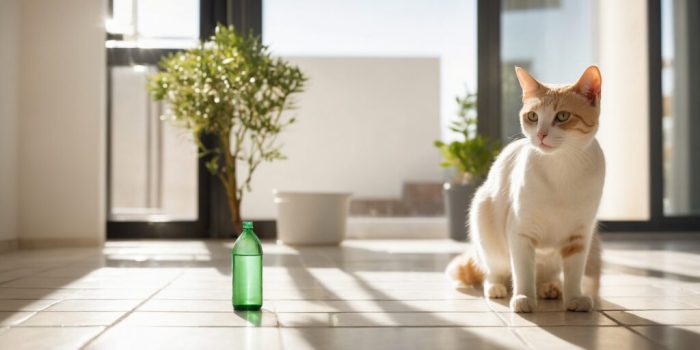
The strong scent of bleach can trigger a sensory overload in cats. This isn’t necessarily a negative experience for them, at least initially. The intensity of the smell can be stimulating, leading to behaviors like sniffing, head shaking, and even playful batting at the source.Cats are known for their “novelty seeking” behavior. They are naturally curious and enjoy exploring new things, including scents.
A strong, unfamiliar scent like bleach can be perceived as a stimulating challenge, prompting them to investigate further. This is similar to how they react to catnip, which contains nepetalactone, a chemical that triggers a euphoric response in many cats. Other strong scents, like certain spices (cinnamon, cloves) or even strong perfumes, can also elicit similar responses, though often to a lesser degree.Imagine this: a flowchart illustrating a cat’s brain activity upon encountering bleach.
The scent molecules enter the nose, stimulating olfactory receptors. This signal travels to the olfactory bulb, triggering a cascade of neural activity. The signal then branches to areas of the brain associated with reward, curiosity, and potentially, mild agitation. The intensity of the signal influences the cat’s behavior – sniffing, pawing, or attempting to interact with the source.
Underlying Instincts & Evolutionary Factors
A cat’s attraction to certain scents is deeply rooted in their hunting instincts. Scent plays a crucial role in prey detection. Wild cats rely heavily on their sense of smell to locate and track prey. While bleach isn’t prey, its strong scent might trigger a similar investigative response, activating ancient pathways in the brain associated with hunting and exploration.Evolutionarily, cats haven’t necessarily developed an aversion to strong chemicals.
Their ancestors likely encountered a variety of potent smells in their environment, and the ability to investigate these smells could have been advantageous for survival. Domesticated cats, while removed from the pressures of the wild, still retain these instincts.Wild cats generally exhibit a more refined sense of smell, honed by the need to survive in a challenging environment. They are adept at distinguishing subtle scent differences that would be lost on a domesticated cat.
However, the underlying drive to explore and investigate novel scents remains.
“The feline olfactory system, shaped by millennia of hunting and survival, prioritizes the detection of subtle scent cues, but also retains a sensitivity to strong, potentially stimulating odors, even if those odors pose a risk.”
The Role of Boredom & Environmental Factors
Boredom and a lack of environmental enrichment are significant contributors to unusual behaviors in cats, including scent exploration. When cats don’t have enough mental and physical stimulation, they may turn to less desirable activities, such as obsessively investigating cleaning products.A cat’s living environment also plays a crucial role. Indoor cats, particularly those living in small apartments with limited access to the outdoors, are more likely to exhibit boredom-related behaviors.
The presence of other pets can also influence scent preferences, as cats may be drawn to scents that are familiar or associated with other animals.Providing more stimulating toys and activities can significantly reduce a cat’s interest in potentially harmful substances. Interactive toys, puzzle feeders, and climbing structures can help keep cats entertained and engaged.Here’s a list of environmental enrichment ideas for indoor cats, categorized by cost:
- Low Cost: Cardboard boxes, paper bags (handles removed), catnip toys, feather wands, rotating toys regularly.
- Medium Cost: Cat trees, scratching posts, interactive puzzle feeders, window perches, automated laser pointers.
- High Cost: Catio (enclosed outdoor space), interactive robotic toys, large climbing structures, multiple levels of platforms.
Chemical Properties & Potential Toxicity
Bleach is a powerful oxidizing agent. When it mixes with other common household substances, dangerous chemical reactions occur. For example, mixing bleach with ammonia produces chloramine gas, a highly toxic and irritating gas. Mixing bleach with vinegar creates chlorine gas, which is even more dangerous. These fumes can cause respiratory distress and even death.Inhaling or ingesting bleach can be extremely harmful to cats.
Symptoms of poisoning can range from mild irritation to severe organ damage. Symptoms include: drooling, vomiting, diarrhea, difficulty breathing, coughing, lethargy, and burns around the mouth.Physiologically, bleach exposure can cause severe damage to a cat’s respiratory system, digestive tract, and skin. It can also disrupt electrolyte balance and damage internal organs.
| Symptom | Severity | Potential Treatment |
|---|---|---|
| Drooling, Vomiting | Mild | Veterinary consultation, supportive care |
| Difficulty Breathing, Coughing | Moderate | Veterinary consultation, oxygen therapy |
| Lethargy, Burns Around Mouth | Severe | Emergency veterinary care, decontamination, supportive care |
Behavioral Alternatives & Redirecting Interest
Preventing cats from accessing cleaning products is paramount. This includes storing all cleaning supplies in secure cabinets or drawers with childproof locks. Never leave cleaning products unattended, even for a short period.Redirecting a cat’s interest away from potentially harmful substances is also crucial. Provide safer alternatives, such as interactive toys, catnip, and scent enrichment (e.g., cat-safe herbs like cat grass).
Use positive reinforcement techniques to discourage unwanted behaviors. Reward your cat for engaging with appropriate toys and activities.Here’s a step-by-step guide for cat-proofing a home against common household hazards:
- Secure all cleaning products in locked cabinets or drawers.
- Store medications and vitamins out of reach.
- Cover electrical cords.
- Remove toxic plants.
- Secure window screens.
- Keep small objects (buttons, rubber bands) out of reach.
Specific Product Formulations & Variations
Different bleach formulations can affect a cat’s response. Concentrated bleach is generally more appealing due to its stronger scent. Scented bleaches, while intended to mask the chlorine odor, may contain other chemicals that attract cats. Diluted bleach solutions are less potent but still pose a risk if ingested.Additives in cleaning products can also influence feline attraction. Fragrances, dyes, and other chemicals can create a complex scent profile that cats find intriguing.
Common additives like linalool (found in lavender) and limonene (found in citrus scents) can be particularly appealing.Cleaning products containing chlorine generally have a harsher, more pungent scent than those using alternative disinfectants like hydrogen peroxide or quaternary ammonium compounds. While alternative disinfectants are generally safer for cats, they can still cause irritation if ingested.
| Product Type | Active Ingredient | Scent Profile | Potential Hazards |
|---|---|---|---|
| Chlorine Bleach | Sodium Hypochlorite | Sharp, Chlorine-like | Toxic if ingested or inhaled |
| Hydrogen Peroxide Cleaner | Hydrogen Peroxide | Mild, slightly sweet | Irritant if ingested in high concentrations |
| Quaternary Ammonium Compound Cleaner | Quaternary Ammonium Compound | Varies depending on fragrance | Potential skin and respiratory irritant |
End of Discussion
Ultimately, understanding why cats are drawn to bleach isn’t just about satisfying our curiosity; it’s about ensuring their safety and well-being. While the strong scent might trigger a sensory response rooted in their hunting instincts or simply provide novelty, the potential for toxicity is undeniable. By recognizing the underlying factors – from their unique olfactory system to environmental influences – and implementing preventative measures like secure storage and enrichment activities, we can protect our feline companions from harm and redirect their interest towards safer, more stimulating alternatives.
It’s a delicate balance of understanding their behavior and safeguarding their health.
Quick FAQs
Why do cats seem so attracted to strong smells in general?
Cats have an incredibly sensitive sense of smell, far surpassing humans. Strong scents, even potentially unpleasant ones to us, can be intensely stimulating for them, triggering their curiosity and investigative instincts.
Is it normal for my cat to be interested in cleaning products?
While a mild interest (sniffing) isn’t necessarily alarming, persistent attempts to interact with or ingest cleaning products are a cause for concern and require intervention.
Can bleach fumes harm my cat?
Yes, inhaling bleach fumes can irritate a cat’s respiratory system and cause breathing difficulties. Prolonged exposure can lead to more serious health problems.
What are the signs of bleach poisoning in cats?
Symptoms can range from drooling and vomiting to lethargy, difficulty breathing, and burns around the mouth. Seek immediate veterinary attention if you suspect poisoning.
How can I tell if my cat is bored?
Signs of boredom include excessive sleeping, destructive behavior, overgrooming, and a heightened interest in things they shouldn’t be, like cleaning products.
What are some safe ways to provide scent enrichment for my cat?
Catnip, silvervine, honeysuckle, and certain herbs (like rosemary and thyme) can provide safe and stimulating scent experiences. You can also use scent diffusers with cat-safe essential oils (diluted properly).

