Discovering what might look like worms in your cat’s poop or vomit can be unsettling. It’s a common concern for cat owners, and thankfully, often manageable. This guide breaks down the visual clues – from tiny eggs to segmented worms – that can indicate a parasitic infection. We’ll explore what to look for in feces, vomit, and around your cat’s rear, helping you understand the severity and what steps to take next.
Understanding these visual signs is the first step towards ensuring your feline friend is healthy and happy.

We’ll delve into the different types of worms that commonly affect cats, like roundworms, tapeworms, hookworms, and whipworms, detailing their unique appearances and how they manifest. You’ll learn to distinguish between mild, moderate, and severe infestations, and how to differentiate worms from other common debris found in your cat’s waste. Plus, we’ll cover special considerations for kittens and how environmental factors play a role in worm transmission.
Identifying Worms in Cats: A Visual Guide
Discovering worms in your cat can be unsettling, but recognizing the signs early is crucial for their health and well-being. This guide will walk you through the visual cues that might indicate a worm infestation, from what to look for in their feces and around their anus to understanding the different types of worms and their appearances. We’ll also cover how severity impacts what you might observe, helping you become a more informed pet parent.
Identifying Worms in Cats: Visual Signs
Several types of worms commonly affect cats, each with a distinct appearance. Understanding these differences is the first step in identifying a potential problem. The most common culprits include roundworms, tapeworms, hookworms, and whipworms. The appearance of worms can vary significantly depending on the type of worm, the severity of the infestation, and even the cat’s individual physiology.
Worms in Feces: A Detailed Look
Examining your cat’s feces is often the first clue to a worm infestation. Worms or segments can be visible, or you might notice eggs. The appearance will differ based on the type of worm. Here’s a breakdown:
| Worm Type | Appearance in Feces | Potential Symptoms |
|---|---|---|
| Roundworms | Long, thin, white or slightly yellow worms, typically 1-2 inches in length. They often resemble spaghetti. | Vomiting, diarrhea, weight loss, pot-bellied appearance (especially in kittens). |
| Tapeworms | Small, flat, white segments resembling grains of rice. These segments are often found clinging to the fur around the anus or dried on the bedding. | Scooting, itching around the anus, weight loss, dull coat. |
| Hookworms | Tiny, thin, reddish-brown worms, difficult to see with the naked eye. Eggs are often microscopic. | Anemia, weakness, weight loss, dark, tarry stools. |
| Whipworms | Rare in cats, but if present, they appear as slender, whip-shaped worms, typically 2-8 inches long. | Diarrhea, weight loss, dehydration. |
Visual Cues Around the Anus
Beyond the feces itself, observe your cat’s behavior around their anus. Scooting (dragging their rear end along the floor), excessive licking or chewing around the anus, and visible irritation are all potential signs of worm presence. These behaviors often indicate irritation caused by the worms or their eggs.
Severity and Appearance
The visual signs of a worm infestation can vary greatly depending on the severity. A mild infestation might only show a few segments in the feces, while a severe infestation could involve visible worms, frequent vomiting, and significant weight loss.
Worms in Cat Vomit: What to Look For
Unfortunately, worms or segments of worms can sometimes appear in a cat’s vomit. This is particularly common with roundworms and tapeworms. Recognizing these signs can help you quickly address the issue.
Appearance in Vomit
Worms or segments in vomit typically appear as elongated, cylindrical shapes (roundworms) or flat, ribbon-like segments (tapeworms). The color can vary from white or cream-colored (roundworms) to yellowish-brown or white (tapeworm segments).
Texture and Color
Worm segments in vomit often have a slightly slimy or gelatinous texture. They can be brittle and break easily. The color can be influenced by the contents of the vomit, appearing darker if mixed with digested food.
Worm Eggs in Vomit
While less common, worm eggs can also be present in vomit. These are microscopic and appear as small, oval or spherical structures. They are typically translucent or slightly colored.
What to Do If You See Worms or Segments
- Isolate your cat from other pets to prevent potential spread.
- Collect a sample of the vomit (including any worms or segments) for your veterinarian.
- Contact your veterinarian immediately to schedule an appointment.
- Follow your veterinarian’s instructions for deworming and follow-up care.
Worm Eggs in Feces: Microscopic Indicators
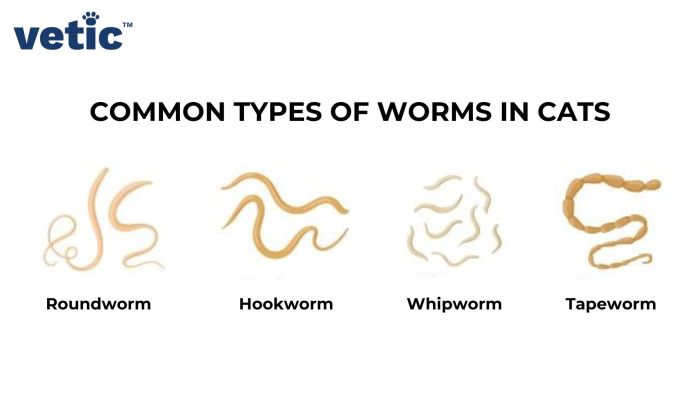
Source: vetic.in
Even if you don’t see worms in your cat’s feces, the presence of worm eggs can indicate an infestation. Different types of worms lay eggs with distinct shapes and sizes, making identification possible through microscopic examination.
Types of Worm Eggs
Roundworm eggs are oval and yellowish-brown. Tapeworm eggs are small, spherical, and covered in a protective shell. Hookworm eggs are oval and colorless. Whipworm eggs are elongated and oval.
Fecal Flotation Test
A fecal flotation test is the standard method for identifying worm eggs in feces. This test involves mixing a stool sample with a special solution that causes the eggs to float to the surface, where they can be viewed under a microscope.
Fecal Sample Collection Flowchart
- Gather Supplies: Clean container, gloves, spoon or spatula.
- Collect Sample: Collect a fresh stool sample (approximately 1-2 tablespoons).
- Store Sample: Refrigerate the sample if not taking it to the vet immediately.
- Transport Sample: Bring the sample to your veterinarian as soon as possible.
Importance of Proper Sample Collection
Accurate diagnosis relies on a properly collected sample. Avoid contaminating the sample with urine or debris. Collect a fresh sample within 24 hours of testing for best results.
Visualizing Worm Infestations: Severity Levels
The visual signs of a worm infestation can range from subtle to severe. Recognizing the different levels of infestation can help you understand the urgency of the situation.
| Severity Level | Visual Characteristics |
|---|---|
| Mild | Occasional tapeworm segments (resembling rice grains) in feces. May notice slight scooting. Cat appears otherwise healthy and active. |
| Moderate | More frequent tapeworm segments in feces. Possible occasional roundworm sightings. Cat may exhibit mild weight loss or a slightly dull coat. Increased scooting or licking around the anus. |
| Severe | Visible worms in feces or vomit. Significant weight loss, lethargy, and poor appetite. Frequent vomiting or diarrhea. Noticeable pot-bellied appearance (especially in kittens). Severe scooting and irritation around the anus. |
A cat’s overall health and behavior are also important indicators of infestation severity. A lethargic, anorexic cat is likely experiencing a more severe infestation than an active, healthy cat with only a few tapeworm segments in their feces.
Distinguishing Worms from Other Debris
It can be challenging to differentiate between worms or worm segments and other materials found in a cat’s feces or vomit. Food particles, plant matter, and undigested hair can sometimes resemble worms.
Texture and Appearance Comparison
Worms are typically slimy or segmented, while food particles are often more solid and recognizable. Plant matter is fibrous and often green. Worm segments are flat and ribbon-like, while food particles are more irregular in shape.
Checklist for Examining Cat Waste:
- Are there long, thin, white objects resembling spaghetti? (Roundworms)
- Are there flat, white segments resembling grains of rice? (Tapeworms)
- Are the objects slimy or segmented?
- Can you identify any recognizable food particles or plant matter?
Considering your cat’s diet is crucial when evaluating potential worm presence. A cat that eats a lot of grass might have green material in their feces, which could be mistaken for worms.
Illustrative Descriptions of Common Worm Types
Understanding the specific characteristics of each worm type can aid in identification.
Roundworms
Roundworms are long, thin, and cylindrical, typically 1-2 inches in length. They are usually white or slightly yellow and have a smooth surface. They reside primarily in the small intestine.
Tapeworms
Tapeworms are flat, ribbon-like worms composed of segments called proglottids. These segments break off and are passed in the feces. They are typically white or yellowish-brown.
Hookworms
Hookworms are small, thin worms with a distinctive hook-like mouthpart used to attach to the intestinal wall. They are reddish-brown in color and difficult to see with the naked eye.
Whipworms
Whipworms have a characteristic whip-like shape, with a slender body and a thicker, bulbous end. They are typically 2-8 inches long.
Photographic Descriptions (Without Actual Images)
While we can’t display actual images, here are descriptions of hypothetical photographs that could help you identify worms.
Roundworm Eggs in Feces
Imagine a photograph with a slightly blurred background, lit with soft, natural light. In the center of the frame, a small pile of cat feces is visible. Scattered throughout the feces are tiny, oval-shaped structures, each a pale yellowish-brown color. They appear translucent and slightly glistening.
Cat Scooting its Rear End
Picture a photograph of a cat in a slightly awkward posture, dragging its rear end along a hardwood floor. The cat’s face is contorted in a slightly uncomfortable expression. The surrounding environment is a typical living room setting, with a rug and furniture visible in the background.
Cat Vomiting
Envision a photograph of a cat hunched over, vomiting onto a tile floor. The contents of the vomit are a mix of undigested food and a few elongated, white, cylindrical shapes – likely roundworms. The cat’s demeanor is one of distress and discomfort.
Close-Up of Tapeworm Segments
Imagine a close-up photograph of cat feces. Scattered throughout the feces are numerous small, flat, white segments, resembling grains of rice. They are arranged in a somewhat haphazard pattern, some intact and others partially broken. The texture appears slightly slimy.
Worms in Kittens: Unique Considerations
Worm infestations can significantly impact kittens, who are more vulnerable due to their developing immune systems. Kittens often exhibit more severe symptoms than adult cats.
Visual Signs in Kittens
In kittens, worm infestations can manifest as a pot-bellied appearance, failure to thrive, diarrhea, and lethargy. Roundworms are particularly common in kittens.
Susceptibility in Kittens
Kittens acquire worms through various routes, including ingesting worm eggs from contaminated environments or through transplacental transmission from their mother. They are also more likely to ingest worms while grooming.
Preventative Measures for Kittens
- Deworm kittens according to your veterinarian’s recommendations.
- Keep the kitten’s environment clean and free of feces.
- Prevent the kitten from ingesting soil or other potentially contaminated materials.
- Ensure the mother cat is dewormed during pregnancy and lactation.
Environmental Factors and Worm Presence
Environmental factors play a significant role in worm infestations. Soil contaminated with worm eggs or larvae, contact with other infected animals, and inadequate sanitation can all contribute to transmission.
Importance of Sanitation and Hygiene
Regularly cleaning litter boxes, disinfecting surfaces, and preventing contact with contaminated soil can significantly reduce the risk of worm infestations.
Outdoor Cats at Higher Risk
Outdoor cats are at a higher risk of worm infestations due to their increased exposure to contaminated environments and other animals.
Comparing Worm Appearance Across Species
While many worms affect both cats and dogs, there are differences in their prevalence and appearance.
| Worm Type | Appearance in Cats | Appearance in Dogs | Treatment Considerations |
|---|---|---|---|
| Roundworms | Long, thin, white worms (1-2 inches) | Similar to cats, but may be slightly thicker | Deworming medications are generally effective in both species. |
| Tapeworms | Flat, white segments resembling rice grains | Similar to cats | Treatment typically involves oral deworming medication. |
| Hookworms | Tiny, reddish-brown worms | Similar to cats | Hookworm infestations can be more severe in dogs and may require multiple treatments. |
| Whipworms | Rare in cats, slender, whip-shaped worms | More common in dogs, similar appearance | Treatment in dogs often requires long-term medication. |
Identifying the specific type of worm is crucial for effective treatment, as different worms require different medications.
Summary
Identifying worms in your cat isn’t always easy, but being aware of the visual signs – in their feces, vomit, and around their body – is crucial for early detection and treatment. From microscopic eggs to segmented worms, knowing what to look for empowers you to take proactive steps to protect your cat’s health. Remember, a quick visit to the vet for a fecal test is the best way to confirm a diagnosis and receive appropriate deworming medication.
A little vigilance can go a long way in keeping your furry companion thriving!
Ultimately, understanding the lifecycle of these parasites and implementing preventative measures, especially for kittens and outdoor cats, is key to minimizing the risk of worm infestations. By combining careful observation with professional veterinary care, you can ensure your cat enjoys a long and healthy life, free from the discomfort and potential complications of parasitic worms.
FAQ Overview
Can I see tapeworm segments without a microscope?
Yes! Tapeworm segments often look like small, flat, white or yellowish rice grains in your cat’s feces or around their rear end. They move, which is a key identifier.
Why does my cat scoot their bottom on the floor?
Scooting is often a sign of irritation around the anus, which can be caused by worms, fleas, or other parasites. It’s a good indication to check their stool and consult a vet.
Are worms contagious to humans?
Some types of worms, like roundworms, can be transmitted to humans, though it’s relatively rare. Proper hygiene, like washing your hands after handling your cat or their waste, is important.
How often should I have my cat’s stool checked for worms?
Kittens should have their stool checked every 2-3 weeks until they are 6 months old. Adult cats should have a fecal test at least once a year, or more frequently if they are outdoor cats or have a history of worm infestations.
What if I find worm eggs in my cat’s stool?
Contact your veterinarian immediately. They will likely recommend a deworming medication and may want to repeat the fecal test after treatment to ensure the worms are gone.
Can I use over-the-counter dewormers?
While some over-the-counter dewormers are available, it’s always best to consult with your veterinarian first. They can accurately diagnose the type of worm and prescribe the most effective medication.

