Discovering worms in your cat’s poop can be unsettling, but knowing what to look for is the first step to ensuring their health. This guide dives deep into identifying various types of intestinal worms – roundworms, hookworms, tapeworms, and whipworms – through visual cues. We’ll explore what these parasites look like in your cat’s feces, around their anus, and even potentially around their mouth, helping you differentiate worm signs from other common litter box findings.
Understanding these visual indicators empowers you to take proactive steps for your feline friend.

Beyond just identifying the worms themselves, we’ll also cover the subtle signs of infestation, like scooting, excessive licking, and even vomiting. We’ll break down how to properly examine your cat’s litter box, collect samples, and understand what different appearances might signify. This isn’t just about spotting worms; it’s about recognizing the potential impact on your cat’s overall well-being and knowing when to seek veterinary advice.
Understanding Worms in Cats: A Comprehensive Guide
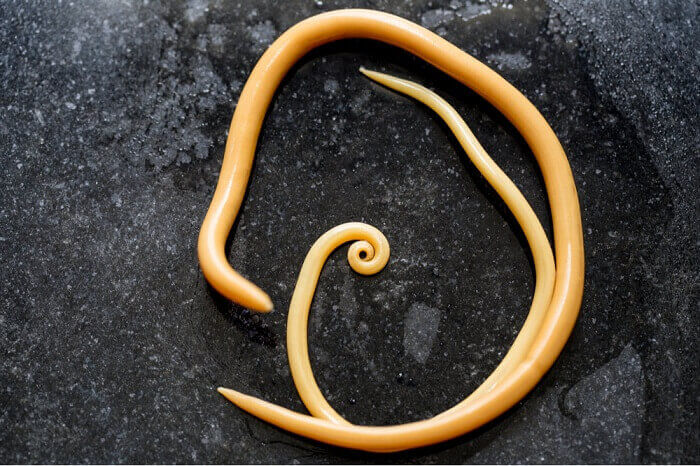
Source: cats.com
Dealing with a potential worm infestation in your cat can be unsettling. It’s a common problem, but early detection and treatment are key to keeping your feline friend healthy and happy. This guide will walk you through identifying worms, recognizing the signs, and understanding what to look for, so you can confidently address any concerns and work with your vet to provide the best care.
We’ll cover everything from visual clues in their feces to behavioral changes and how to differentiate worm-related issues from other common feline ailments.It’s important to remember that this guide is for informational purposes only and shouldn’t replace professional veterinary advice. If you suspect your cat has worms, a vet visit is crucial for accurate diagnosis and appropriate treatment.
Identifying Worms in Cats: Visual Signs
Worms are a common parasite affecting cats, and recognizing the signs is the first step towards addressing the problem. Several types of intestinal worms can infest cats, each with its own characteristics. The most common culprits are roundworms, hookworms, tapeworms, and occasionally, whipworms. Understanding what each worm looks like can help you identify a potential issue.Here’s a breakdown of the common types of intestinal worms and what to look for:
| Worm Type | Description | Size | Color |
|---|---|---|---|
| Roundworm | Long, thin, and cylindrical. They often appear smooth and tapered at both ends. | 1-2 inches (2.5-5 cm) | Yellowish-white to pinkish |
| Hookworm | Smaller than roundworms, with a curved or hook-shaped tail. They are named for their sharp, hook-like mouthparts. | 0.5-1 inch (1.3-2.5 cm) | Pinkish-red to brown |
| Tapeworm | Not a single worm, but rather segments (proglottids) that break off and are passed in feces. These segments are flat, ribbon-like, and often contain tiny eggs. | Segments vary in size, typically 1/8 to 1/2 inch (3-13 mm) long | White to yellowish-brown |
| Whipworm | Relatively rare in cats. They have a distinctive whip-like shape, with a slender neck and a broader, bulbous posterior. | 1/4 – 1/2 inch (6-13 mm) | Pinkish-white |
Beyond the worms themselves, pay attention to your cat’s behavior around their anus. Scooting (dragging their rear end along the floor), excessive licking or chewing at the area, and visible irritation are all potential signs of anal discomfort, which could be related to worms. It’s important to differentiate these signs from other causes, such as allergies or impacted anal glands.To examine a litter box for worm presence, carefully sift through the feces.
Look for any of the worms or segments described above. If you find something suspicious, collect a small sample (about a teaspoon) using a clean spoon or gloved hand and place it in a small, sealable container. This sample can be taken to your veterinarian for analysis.
Pictures of Worms in Cat Feces: A Visual Guide
Visual identification can be tricky, but understanding what to look for in different types of worm eggs and segments is helpful. Here are some descriptions to accompany images:* Roundworm Eggs: [Image Description: Close-up of roundworm eggs in cat feces. The eggs are roughly spherical, about 40-60 micrometers in diameter, and have a thick, brownish shell. They appear individually or in small clusters.]
Hookworm Eggs
[Image Description: Hookworm eggs in cat feces. These eggs are oval-shaped, smaller than roundworm eggs (around 20-40 micrometers), and have a delicate, transparent shell. They often appear in pairs.]
Tapeworm Segments (Proglottids)
[Image Description: Several tapeworm segments in cat feces. The segments are flat, rectangular, and about 1/8 inch long. They are white or yellowish-brown and may contain tiny, dark spots (eggs).]
Whipworm Eggs
[Image Description: Whipworm eggs in cat feces. These eggs are barrel-shaped, about 50-60 micrometers long, and have a distinctive operculum (a lid-like structure) at one end.]
Whole Roundworm
[Image Description: A long, thin, yellowish-white roundworm in cat feces. It measures approximately 1.5 inches in length and is smooth in appearance.]
Whole Hookworm
[Image Description: A curved, pinkish-red hookworm in cat feces. It is significantly smaller than a roundworm, measuring about 0.75 inches long, and its hook-like tail is clearly visible.]
Vomiting and Worms: What to Look For
Worms can sometimes cause vomiting in cats, particularly if there’s a heavy infestation. Roundworms and tapeworms are the most likely culprits. You might actually see worms or segments expelled through vomiting. Occasionally, you might even spot worm eggs in the vomit.Beyond the presence of worms, observe your cat’s behavior. Lethargy, loss of appetite, and general weakness are common signs of a worm infestation.
Differentiating worm-related vomiting from other causes, such as hairballs, dietary sensitivities, or underlying medical conditions, is crucial. If vomiting is frequent or severe, consult your veterinarian immediately.
Worms Around the Mouth and Nose
While less common, it’s possible to find tapeworm segments around a cat’s mouth or nose. These segments can be carried on the fur during grooming. Cats may ingest worms while grooming themselves, especially if they have segments stuck to their fur.To check your cat’s fur for signs of worm presence, gently run your fingers through their coat, paying particular attention to the areas around their mouth, nose, and anus.
Look for small, white, rice-like segments.Here’s a checklist for examining your cat for external signs of worms:* [ ] Check fur around the mouth and nose for small, white segments.
- [ ] Inspect the anal area for irritation, scooting, or excessive licking.
- [ ] Examine feces for worms, segments, or eggs.
- [ ] Observe your cat’s overall behavior for signs of lethargy or loss of appetite.
Distinguishing Worms from Other Debris
It can be challenging to differentiate worms and worm eggs from common litter box debris like undigested food or plant matter. Tapeworm segments, in particular, can resemble rice grains, so careful observation is essential.If you have access to a magnifying glass, examining the sample under magnification can help you identify worm eggs more easily. Worm eggs typically have a distinct shell structure that is not present in other types of debris.To ensure accurate diagnosis, collect a fecal sample and preserve it properly.
Place the sample in a clean, sealable container and refrigerate it until you can take it to your veterinarian.Here’s a flowchart to help you determine if you’re seeing worms or something else in your cat’s waste:
Do you see long, thin, cylindrical objects?
Yes
Likely Roundworms
No
Proceed to step 2
Do you see flat, segmented objects resembling grains of rice?
Yes
Likely Tapeworm Segments
No
Proceed to step 3
Do you see small, oval-shaped objects?
Yes
Could be Hookworm or Roundworm Eggs – Veterinary analysis recommended.
No
Likely undigested food or plant matter.
Illustrative Descriptions for Visual Representations
* Swollen Abdomen: [Image Description: A cat with a visibly swollen abdomen, indicative of a heavy roundworm infestation. The cat’s posture is slightly hunched, and the abdominal distention is noticeable, particularly around the flanks. The cat appears lethargic and uncomfortable.]
Matted Fur
[Image Description: A cat with matted fur around the anal area, resulting from excessive grooming due to anal irritation caused by worms. The fur is tangled and dirty, and the cat appears to be constantly licking or chewing at the area.]
Dehydration and Lethargy
[Image Description: A cat exhibiting signs of dehydration and lethargy, potentially linked to a worm infestation. The cat’s gums are dry and pale, and its eyes appear sunken. It is lying down and appears weak and unresponsive.]
Coughing
[Image Description: A cat coughing, potentially due to migrating larvae from worms. The cat’s body is tense, and it is making a hacking sound. This is more common with certain types of worms that migrate through the lungs.]
Poor Coat Condition
[Image Description: A cat with a poor coat condition, potentially linked to nutrient absorption issues caused by worms. The fur is dull, brittle, and lacks shine. The cat may also have patchy hair loss.]
Types of Worms and Their Appearance in Detail
* Roundworm Anatomy: Roundworms have a simple, cylindrical body. They are typically 1-2 inches long and have a smooth surface. Internally, they have a complete digestive system with a mouth, esophagus, intestine, and anus.
Hookworm Structure
Hookworms have a curved body with sharp, hook-like mouthparts used to attach to the intestinal wall and feed on blood. Their size is smaller than roundworms, around 0.5-1 inch.
Tapeworm Lifecycle
Tapeworms have a complex lifecycle involving multiple stages and often requiring an intermediate host (e.g., rodents, rabbits). The adult tapeworm lives in the cat’s intestines, while the eggs are passed in feces.
Whipworm Appearance
Whipworms have a distinctive whip-like shape, with a slender neck and a broader, bulbous posterior. The larvae are microscopic and difficult to see without specialized equipment.Here’s a comparative table showcasing the key differences in appearance between the four main types of intestinal worms:
| Feature | Roundworm | Hookworm | Tapeworm | Whipworm |
|---|---|---|---|---|
| Shape | Cylindrical | Curved, hook-shaped tail | Flat, segmented (proglottids) | Whip-like |
| Size | 1-2 inches | 0.5-1 inch | Segments vary (1/8 – 1/2 inch) | 1/4 – 1/2 inch |
| Color | Yellowish-white to pinkish | Pinkish-red to brown | White to yellowish-brown | Pinkish-white |
| Visibility in Feces | Easily visible | Easily visible | Segments visible | Rarely visible |
Recognizing Worms in Kittens
Kittens are particularly susceptible to worm infestations due to their immature immune systems and exposure to contaminated environments. Visual signs of worms in kittens may differ from those in adult cats. Kittens may exhibit more severe symptoms, such as failure to thrive, diarrhea, and vomiting.Deworming kittens at a young age is crucial for preventing and treating worm infestations. Your veterinarian can recommend an appropriate deworming schedule based on your kitten’s age and risk factors.When examining a kitten’s feces for worm presence, be extra vigilant.
Even small numbers of worms can cause significant problems in kittens.
Kittens often show more pronounced symptoms of worm infestation compared to adult cats, including failure to thrive and severe diarrhea. Regular deworming is essential for maintaining their health.
Closing Summary
From the telltale segmented appearance of tapeworm proglottids to the more subtle barrel shape of whipworm eggs, this visual guide provides a comprehensive overview of what to look for when it comes to worms in cats. Recognizing these signs early allows for prompt treatment, preventing further complications and ensuring your cat enjoys a happy, healthy life. Remember, consistent observation of your cat’s litter box and a keen eye for any unusual changes are crucial for maintaining their well-being.
If you’re ever unsure, a quick visit to your veterinarian is always the best course of action.
Ultimately, being informed and observant is your best defense against intestinal parasites. By understanding the visual signs and knowing how to differentiate them from other litter box debris, you can play an active role in your cat’s health and happiness.
Common Queries
What do roundworm eggs look like?
Roundworm eggs are typically oval or round, about 40-80 micrometers in size, and have a thick, brownish shell. They often appear singly in feces.
How can I tell the difference between tapeworm segments and undigested food?
Tapeworm segments (proglottids) are flat, segmented, and often move. They’re typically white or cream-colored and may contain visible eggs. Undigested food is usually more amorphous and doesn’t have the distinct segmented structure of tapeworms.
Why are kittens more susceptible to worms?
Kittens have underdeveloped immune systems and often acquire worms from their mother during pregnancy or nursing. They also explore their environment more actively, increasing their exposure to parasites.
Can worms cause vomiting in cats?
Yes, a heavy worm infestation can irritate the stomach and intestines, leading to vomiting. You might even see worms or worm eggs in the vomit.
What should I do if I suspect my cat has worms?
Consult your veterinarian. They can perform a fecal examination to confirm the diagnosis and prescribe appropriate deworming medication.
How can I prevent worms in my cat?
Regular deworming, good hygiene practices (scooping litter daily), and preventing your cat from hunting rodents can help prevent worm infestations.
Is it possible to get worms from my cat?
Some types of worms, like roundworms, can be transmitted to humans, though it’s relatively rare. Good hygiene, such as washing your hands after handling your cat or cleaning the litter box, is important.

