Let’s face it, cat odors are a reality for most of us. But battling those smells doesn’t have to be a constant struggle! This guide dives deep into the science behind cat waste odors and explores a wide range of litter options, from traditional clay to innovative silica gel and plant-based alternatives. We’ll break down how each type works, their pros and cons, and ultimately, help you find the best litter for odor control in your home, keeping both you and your feline friend happy.
Understanding why cat litter smells in the first place is key. It’s not just about masking the scent; it’s about tackling the chemical processes that create those unpleasant odors. We’ll look at how urine and feces interact with different litter materials, the impact of particle size, and the specific compounds responsible for the stink. From there, we’ll explore the various litter types available, comparing their absorbency, clumping abilities, dust levels, and overall effectiveness in managing those pesky smells.

Understanding Cat Odor & Litter’s Role
Dealing with cat odors is a common challenge for many pet owners. It’s not just about unpleasant smells; understanding the science behind it can help you choose the right litter and maintain a healthier, happier home for both you and your feline friend. The odors we perceive are complex chemical reactions, and the litter you choose plays a crucial role in managing them.The primary culprits behind cat odors are the waste products from digestion – urine and feces.
Urine contains urea, uric acid, and ammonia, while feces contain volatile organic compounds (VOCs) produced by bacterial decomposition. These compounds react with air and moisture, creating the characteristic smells we associate with cat waste. Different litter materials interact with these chemicals in various ways, impacting their ability to control odor. Particle size also matters; smaller particles generally offer a larger surface area for absorption, potentially leading to better odor control.
Common odor-causing compounds include ammonia (from urea breakdown), mercaptans (sulfur-containing compounds), and indole/skatole (found in feces).
Detail the Chemical Processes that Cause Cat Urine and Feces to Produce Odors
The breakdown of cat urine is a multi-stage process. Initially, urea is present. Enzymes in bacteria convert urea into ammonia, which is responsible for the sharp, pungent smell. Uric acid crystals also contribute to the odor, especially when they dry out. Feces, on the other hand, release VOCs as bacteria break down undigested food and waste.
These VOCs are often sulfur-based, contributing to a more complex and sometimes lingering odor. The rate of these reactions is influenced by factors like temperature, humidity, and the presence of oxygen.
Explain How Different Litter Materials Interact with These Chemicals
Different litters have varying abilities to absorb and neutralize these chemicals. Clay litters primarily absorb urine, trapping the liquid and preventing it from spreading. However, they don’t effectively neutralize ammonia. Clumping litters, often made with bentonite clay, form solid clumps that encapsulate the waste, further limiting odor release. Natural litters, like wood or paper, can absorb both urine and feces, and some, like wood, contain natural compounds that help neutralize odors.
Silica gel litter excels at absorbing moisture, which reduces the environment conducive to bacterial growth and odor production.
Discuss the Impact of Litter Particle Size on Odor Control
Smaller particle sizes in litter generally provide a larger surface area for absorption. This increased surface area allows for more efficient capture of urine and feces, reducing the amount of odor-causing compounds released into the air. However, smaller particles can also create more dust, which can be problematic for both cats and humans. Larger particle sizes, while potentially less dusty, may offer less surface area for absorption, potentially leading to less effective odor control.
Provide a Breakdown of Common Odor-Causing Compounds in Cat Waste
As mentioned, ammonia is a major contributor, stemming from the breakdown of urea in urine. Mercaptans, sulfur-containing compounds, are often responsible for a rotten egg-like smell. Indole and skatole are fecal compounds that contribute to a more musky, unpleasant odor. The specific combination and concentration of these compounds vary depending on the cat’s diet, health, and hydration levels.
Clay Litter: Traditional Options & Limitations
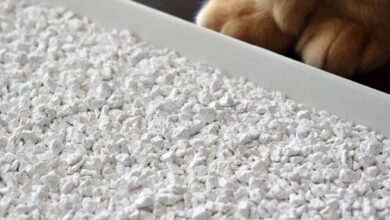
Clay litter has been a staple in cat care for decades, offering a relatively inexpensive and readily available option. However, its odor control capabilities have limitations compared to newer litter technologies. Understanding the different types of clay litter and their properties is key to making an informed choice.
Compare and Contrast Different Types of Clay Litter (Bentonite, Non-Clumping)
Bentonite clay is a type of absorbent clay that swells significantly when wet, forming solid clumps. This clumping action makes scooping easier and helps contain odors. Non-clumping clay litter, on the other hand, absorbs urine but doesn’t form clumps. It requires more frequent changes as the urine saturates the litter. Bentonite is generally considered more effective for odor control due to its clumping ability, but non-clumping varieties can be a budget-friendly option for single-cat households with diligent cleaning routines.
Elaborate on the Odor-Absorbing Capabilities of Standard Clay Litter
Standard clay litter primarily relies on absorption to control odors. It soaks up urine, preventing it from spreading, but it doesn’t actively neutralize the odor-causing compounds like ammonia. This means that while it can temporarily mask the smell, the underlying chemical reactions continue, and odors can quickly return, especially in multi-cat households.
Design a Table Comparing Various Clay Litter Brands Based on Clumping Ability, Dust Levels, and Odor Control
| Brand | Price per Pound | Odor Control Rating (1-5, 5 being best) ||—|—|—|| Arm & Hammer Clump & Seal | $0.50 | 3 || Tidy Cats Clump & Refresh | $0.65 | 4 || Fresh Step Complete | $0.75 | 3.5 || Dr. Litter Clumping Clay | $0.40 | 2.5 || Nature’s Miracle Advanced | $0.85 | 4.5 |*(Note: Prices are approximate and may vary based on location and retailer.)*
Discuss Why Clay Litter Often Requires Frequent Changes to Manage Odors
Because clay litter doesn’t neutralize odors, it quickly becomes saturated with ammonia and other VOCs. Even with regular scooping, the litter base eventually becomes a breeding ground for bacteria, leading to persistent odors. This necessitates frequent changes – often every 2-3 days for single-cat households and even more frequently for multi-cat homes – to maintain a fresh-smelling environment.
Clumping Litter: Enhanced Odor Management
Clumping litter represents a significant advancement in cat litter technology, offering improved odor control compared to traditional clay litters. The clumping action effectively traps waste, minimizing odor release.
Explain the Science Behind Clumping Litter and How it Traps Odors
Clumping litter, typically made from bentonite clay, contains a high percentage of montmorillonite, a mineral that expands significantly when it comes into contact with moisture. This expansion causes the litter to form solid clumps, encapsulating urine and feces. These clumps are then easily scooped out, removing the primary source of odor. While clumping litter doesn’t neutralize odors, it physically isolates them, reducing their impact on the surrounding environment.
Share a List of Factors that Influence Clumping Effectiveness (Moisture Levels, Cat Size, Litter Depth)
Several factors influence how well clumping litter performs. High moisture levels can lead to overly soft or muddy clumps that are difficult to scoop. Larger cats produce more urine and feces, requiring a deeper litter bed to ensure adequate clumping. Insufficient litter depth can also result in waste soaking through to the bottom of the box, leading to odor and mess.
The quality of the clay itself also plays a role; some brands clump more effectively than others.
Detail the Differences Between Natural and Synthetic Clumping Litters
While most clumping litters are based on bentonite clay (synthetic), natural alternatives are emerging. Natural clumping litters often utilize plant-based fibers, like wood or corn, that are treated to create clumping properties. Synthetic clumping litters generally offer more consistent clumping performance, while natural options may be more environmentally friendly.
Create a Flowchart Illustrating the Process of Odor Encapsulation in Clumping Litter
[Descriptive Explanation: Imagine a flowchart starting with “Cat Eliminates Waste.” The arrow leads to “Moisture Activates Clay.” Next, “Clay Swells & Forms Clump.” Then, “Waste Encapsulated within Clump.” Finally, “Clump Scooped & Disposed of, Minimizing Odor Release.”]
Natural Litters: Plant-Based Solutions
With growing concerns about environmental sustainability and pet health, natural litters have gained popularity. These plant-based options offer alternatives to clay and silica gel, but their odor control capabilities vary significantly.
Discuss the Pros and Cons of Wood, Paper, Corn, Wheat, and Grass Litters for Odor Control
* Wood: Good odor control due to natural phenols, but can be dusty.
Paper
Decent absorbency, low dust, but less effective at odor control.
Corn
Highly absorbent, but can attract insects and has a distinct smell when wet.
Wheat
Good absorbency and odor control, but can be prone to mold growth in humid environments.
Grass
Relatively new option, good absorbency and low dust, but odor control is moderate.
Compare the Absorbency Rates of Various Natural Litters
Absorbency rates vary. Corn and wheat generally exhibit high absorbency, followed by grass and wood. Paper tends to be the least absorbent of the natural options. It’s important to note that absorbency doesn’t always equate to odor control; the ability to neutralize odors is equally important.
Provide a Detailed Description of How Each Natural Litter Material Handles Ammonia
* Wood: Phenols in wood act as natural deodorizers, helping to neutralize ammonia.
Paper
Primarily absorbs ammonia without neutralizing it.
Corn
Absorbs ammonia, but can release a slightly sweet odor when wet.
Wheat
Absorbs ammonia, but can become susceptible to mold growth if not properly ventilated.
Grass
Absorbs ammonia, but its odor-neutralizing properties are less pronounced than wood.
Design a Table Comparing Natural Litter Types Based on Absorbency, Dust, Tracking, and Odor Control
| Litter Type | Absorbency Rating (1-5, 5 being best) | Dust Level (1-5, 1 being least dusty) | Tracking Potential (1-5, 5 being most) | Odor Control (1-5, 5 being best) ||—|—|—|—|—|| Wood | 4 | 3 | 2 | 4 || Paper | 3 | 1 | 1 | 2 || Corn | 5 | 3 | 4 | 3 || Wheat | 4.5 | 2 | 3 | 3.5 || Grass | 4 | 1 | 2 | 3 |
Silica Gel Litter: Advanced Absorption Technology
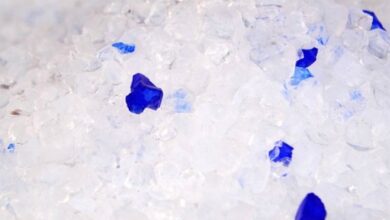
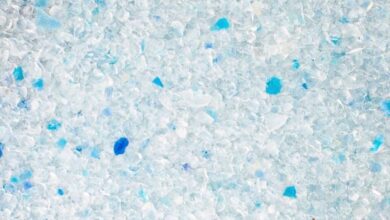
Silica gel litter utilizes a unique crystalline structure to absorb moisture and odors, offering a long-lasting and low-dust alternative to traditional litters.
Explain How Silica Gel Crystals Absorb Moisture and Odors
Silica gel crystals are highly porous, allowing them to absorb a significant amount of moisture – up to 40 times their weight. This absorption process draws moisture away from the waste, creating a drier environment that inhibits bacterial growth and reduces odor. While silica gel doesn’t actively neutralize odors, the reduced moisture significantly minimizes the conditions that cause them.
Detail the Differences Between Crystal Litter Grades and Their Impact on Performance
Different grades of silica gel litter vary in crystal size and porosity. Larger crystals generally offer better airflow and longer-lasting absorption, while smaller crystals may be more effective at trapping fine particles. Premium grades often have a higher silica content and enhanced odor-absorbing properties.
Discuss the Longevity of Silica Gel Litter and Its Cost-Effectiveness
Silica gel litter can last significantly longer than clay or natural litters – often 2-4 weeks – before needing to be completely replaced. While the initial cost is higher, the reduced frequency of changes can make it more cost-effective in the long run.
Demonstrate the Process of Moisture Absorption in Silica Gel Litter with a Descriptive Explanation
[Descriptive Explanation: Imagine a handful of silica gel crystals placed in a humid environment. The crystals, with their microscopic pores, act like tiny sponges, drawing in moisture from the air. As moisture is absorbed, the crystals change color, typically from clear to a slightly darker hue, indicating saturation. This process effectively removes moisture from the surrounding area, preventing the growth of odor-causing bacteria.]
Activated Carbon Litter: Chemical Neutralization
Activated carbon litter takes odor control a step further by actively neutralizing odor-causing compounds, rather than just absorbing them.
Explain How Activated Carbon Works to Neutralize Odors
Activated carbon is a highly porous material with an enormous surface area. This surface area allows it to adsorb odor molecules, effectively trapping them within its structure. More importantly, the carbon’s unique properties allow it to chemically react with some odor molecules, neutralizing them and preventing them from being released into the air.
Compare the Effectiveness of Activated Carbon in Different Litter Formulations
Activated carbon can be incorporated into various litter types, including clay, clumping, and natural litters. The effectiveness depends on the concentration of activated carbon and the overall litter formulation. Litters with a higher concentration of activated carbon generally offer better odor control.
Discuss the Potential Drawbacks of Activated Carbon Litter (Dust, Tracking)
Activated carbon litter can sometimes be more dusty than other types, particularly if the carbon particles are finely ground. It can also contribute to tracking, as the small carbon particles can easily cling to cat fur and paws.
Create a Blockquote Explaining the Chemical Reaction Between Activated Carbon and Odor Molecules
“Activated carbon’s effectiveness stems from its ability to undergo adsorption and, in some cases, chemisorption. Adsorption is a physical process where odor molecules adhere to the carbon’s surface. Chemisorption involves a chemical reaction where the carbon’s surface bonds with the odor molecules, permanently neutralizing them. This dual action makes activated carbon a powerful tool in odor control.”
Scented vs. Unscented Litter: A Comparative Analysis
The choice between scented and unscented litter is a common dilemma for cat owners. While scented litters promise to mask odors, they can have unintended consequences.
Discuss the Psychological Impact of Scented Litter on Cats
Many cats are sensitive to strong smells and may find scented litter unpleasant or even aversive. This can lead to litter box avoidance, which can result in inappropriate elimination. It’s crucial to consider your cat’s individual preferences when choosing a litter.
Elaborate on the Different Types of Scents Used in Cat Litter and Their Effectiveness
Common scents include floral fragrances, citrus scents, and baking soda. However, the effectiveness of these scents in masking odors is often limited. Many scents simply cover up the odor rather than neutralizing it, and the underlying chemical reactions continue.
Compare the Odor-Masking Abilities of Scented versus Unscented Litters
Scented litters may provide a temporary masking effect, but they often fail to address the root cause of the odor. Unscented litters, when combined with regular scooping and proper litter box hygiene, can be more effective at controlling odors in the long run.
Provide a List of Common Scents Used in Cat Litter and Their Perceived Odor-Neutralizing Properties
* Floral (Lavender, Rose): Primarily masking, minimal odor neutralization.
Citrus (Lemon, Orange)
Primarily masking, can be irritating to some cats.
Baking Soda
Some odor absorption, mild deodorizing properties.
Activated Charcoal
Offers both absorption and some neutralization.
Essential Oils (Eucalyptus, Tea Tree)
Potentially toxic to cats if ingested or applied topically; avoid.
Litter Box Hygiene & Maintenance
Even the best litter won’t effectively control odors if the litter box isn’t properly maintained. Regular cleaning and good hygiene practices are essential.
Detail the Importance of Regular Scooping and Litter Box Cleaning
Daily scooping removes solid waste and clumps of urine, preventing the buildup of odor-causing bacteria. A thorough cleaning of the litter box – typically once a month – is also necessary to remove any lingering residue and disinfect the box.
Explain How Proper Ventilation Affects Odor Control
Good ventilation helps to dissipate odors and reduce humidity, which inhibits bacterial growth. Placing the litter box in a well-ventilated area can significantly improve odor control.
Discuss the Role of Litter Box Liners in Odor Management
Litter box liners can make scooping easier and help contain odors by preventing waste from soaking into the litter box. However, some liners can be slippery and may deter cats from using the box.
Design a Step-by-Step Guide for Deep Cleaning a Litter Box
| Step | Description ||—|—|| 1. Empty the Litter Box | Completely remove all litter and dispose of it properly. || 2. Wash the Litter Box | Use warm water and a mild, unscented soap. Avoid harsh chemicals like bleach, which can be harmful to cats.
|| 3. Rinse Thoroughly | Ensure all soap residue is removed. || 4. Disinfect (Optional) | If desired, use a pet-safe disinfectant. || 5.
Dry Completely | Allow the litter box to air dry completely before adding fresh litter. || 6. Add Fresh Litter | Fill the litter box with your preferred litter to the appropriate depth. |
Factors Influencing Litter Choice Beyond Odor
While odor control is a primary concern, other factors should also influence your litter choice.
Discuss How Cat Age, Health, and Preferences Impact Litter Selection
Kittens may require a dust-free litter to protect their developing lungs. Senior cats may benefit from a low-tracking litter to minimize mess. Cats with allergies may need a hypoallergenic litter. Ultimately, observing your cat’s behavior and preferences is crucial.
Elaborate on the Importance of Considering Dust Levels for Both Cats and Humans
Dusty litters can irritate a cat’s respiratory system and contribute to allergies. They can also be problematic for humans, especially those with asthma or allergies. Low-dust litters are generally preferred.
Compare the Environmental Impact of Different Litter Types
Clay litter is mined, which can have environmental consequences. Natural litters are often more sustainable, but their production can still have an impact. Silica gel litter is generally considered less environmentally friendly due to its manufacturing process.
Share a List of Potential Allergens Found in Various Litters
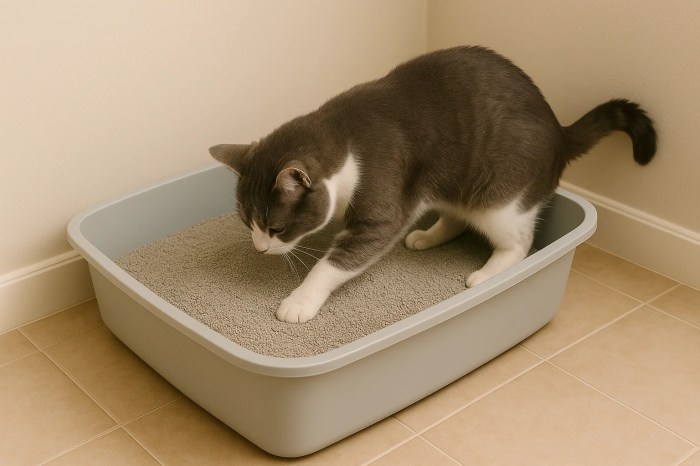
Source: catpedia.net
* Clay: Dust mites
Corn
Corn allergens
Wheat
Wheat allergens
Wood
Wood dust
Paper
Paper dust
Innovative Litter Solutions & Emerging Technologies
The cat litter industry is constantly evolving, with new technologies and solutions emerging to address odor control and convenience.
Discuss the Potential of Self-Cleaning Litter Boxes for Odor Control
Self-cleaning litter boxes automatically scoop waste, minimizing odor and reducing the need for manual cleaning. These boxes can significantly improve odor control, especially in multi-cat households.
Elaborate on the Use of Baking Soda and Other Additives to Enhance Odor Absorption
Baking soda is a natural deodorizer that can be added to litter to help absorb odors. Other additives, such as enzymes, can help break down odor-causing compounds.
Detail the Benefits and Drawbacks of Flushable Litter Options
Flushable litters offer a convenient disposal method, but they can potentially clog plumbing systems and may not be environmentally friendly depending on local wastewater treatment facilities.
Create a Descriptive Explanation of How a Self-Cleaning Litter Box Functions to Minimize Odor
[Descriptive Explanation: A self-cleaning litter box typically consists of a rotating sifting mechanism. After your cat uses the box, a timer activates the mechanism, which sifts through the litter, separating solid waste from clean litter. The waste is deposited into a sealed container, minimizing odor release. The clean litter is redistributed, ensuring a fresh and odor-free environment.]
Closing Notes
Navigating the world of cat litter can feel overwhelming, but hopefully, this guide has shed some light on the best options for odor control. Whether you prioritize natural materials, advanced technology, or budget-friendliness, there’s a litter out there that can significantly reduce those unwanted smells. Remember that consistent litter box hygiene is just as important as the litter itself, so regular scooping and deep cleaning are essential.
With a little knowledge and the right choice of litter, you can create a fresher, more pleasant environment for both you and your beloved cat!
Expert Answers
How often should I scoop the litter box?
Ideally, scoop the litter box at least once a day, but twice is even better! This prevents odor buildup and keeps the litter fresh.
Can I use essential oils to freshen the litter box?
While tempting, essential oils can be harmful to cats if ingested or if they come into contact with their skin. It’s best to avoid them.
What’s the difference between clumping and non-clumping litter?
Clumping litter forms solid clumps when wet, making it easier to remove waste. Non-clumping litter absorbs moisture but doesn’t clump, requiring more frequent full changes.
Is flushable litter safe for my plumbing and the environment?
While marketed as eco-friendly, flushable litters can sometimes cause plumbing issues. Always check local regulations and septic system compatibility before flushing.
My cat refuses to use the litter box. Could the litter be the problem?
Absolutely! Cats can be picky. Experimenting with different litter types, textures, and scents (or lack thereof) can sometimes resolve litter box aversion.
How does litter box size affect odor control?
A larger litter box generally provides more surface area for odor absorption and allows for better ventilation, contributing to better odor control.