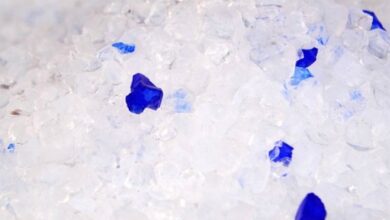
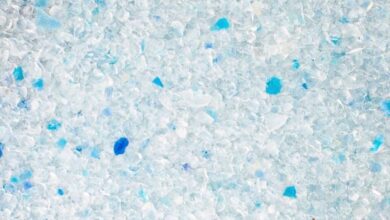
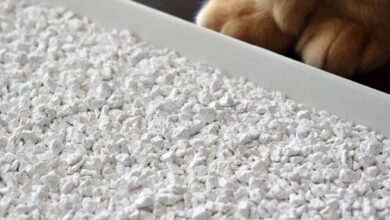
Let’s face it, dealing with cat waste isn’t glamorous, but keeping your kitty happy and your home smelling fresh is a priority. Clumping cat litters have revolutionized the litter box experience, making cleanup significantly easier than traditional options. But with so many choices – clay, corn, wood, silica gel – navigating the world of clumping litters can feel overwhelming. This guide breaks down everything you need to know, from understanding the science behind clumping to choosing the best litter for your cat’s needs and your budget.
We’ll explore the different materials used, how they perform, their environmental impact, and even offer tips for minimizing dust and odor. Whether you’re a seasoned cat owner or a first-time pet parent, this comprehensive look at clumping cat litters will empower you to make an informed decision and create a cleaner, healthier environment for both you and your furry companion.

Choosing the Best Clumping Cat Litter: A Comprehensive Guide
Picking the right cat litter can feel overwhelming. There are so many options, and what works for one cat (or household) might not work for another. This guide breaks down everything you need to know about clumping cat litters – from the different materials and how they work, to odor control, dust levels, and even how to tackle common problems.
We’ll cover it all so you can make an informed decision and keep your feline friend (and your home) happy.
Types of Clumping Cat Litters
The foundation of any clumping litter is its base material. This significantly impacts its performance, cost, and environmental footprint. Several materials are commonly used, each with its own set of advantages and disadvantages. Understanding these differences is the first step in finding the perfect litter for your cat.
| Material | Absorbency | Dust Level | Cost |
|---|---|---|---|
| Clay | Good | High | Low |
| Corn | Excellent | Low | Moderate |
| Wheat | Excellent | Low | Moderate to High |
| Wood | Good to Excellent | Low to Moderate | Moderate |
| Paper | Good | Very Low | Moderate |
| Silica Gel | Excellent | Very Low | High |
The manufacturing process plays a crucial role in how well a litter clumps. Clay litters, for example, are typically mined and processed into small granules. The clumping ability depends on the type of clay and how finely it’s ground. Corn and wheat litters are often made from recycled agricultural byproducts, and their clumping ability stems from the starches within the kernels.
Wood litters are typically made from pine or cedar, and the clumping depends on the wood type and how it’s processed (pellets vs. shavings). Silica gel litters are manufactured through a chemical process that creates porous beads.Environmentally, clay litters are a concern due to mining practices and their lack of biodegradability. Corn and wheat litters are biodegradable and often sourced from sustainable farms, making them a more eco-friendly choice.
Wood litters are also biodegradable, but sourcing from responsibly managed forests is important. Paper litters are generally made from recycled paper, reducing waste. Silica gel litters are not biodegradable and require careful disposal.
Clumping Performance & Absorbency
The magic of clumping litter lies in its ability to form solid clumps when exposed to moisture. This makes scooping easy and helps control odors. Different materials clump in different ways. Clay litters form hard, dense clumps. Corn and wheat litters create softer, more fragile clumps.
Wood litters often form larger, more porous clumps. Silica gel litters absorb moisture and form solid, dry clumps.Humidity, cat urine pH, and litter age all affect clumping quality. High humidity can make clay litters sticky and difficult to scoop. A cat’s urine pH can influence how well certain litters clump – acidic urine tends to clump better with some litters than alkaline urine.
Older litter tends to lose its clumping ability as the granules become saturated.To test clumping ability, you can conduct a simple experiment. Here’s a step-by-step guide:
- Gather three small containers.
- Fill each container with a different type of clumping litter (e.g., clay, corn, silica gel).
- Using a syringe or dropper, add 10ml of simulated urine (you can create this by mixing water with a small amount of lemon juice – this mimics the acidity of cat urine) to each container.
- Observe the litter for 15 minutes. Note how quickly it clumps, the size and consistency of the clumps, and how well it absorbs the liquid.
- Repeat the experiment with different amounts of simulated urine to see how the litter performs under heavier use.
The ideal clump size is large enough to be easily scooped but not so large that it’s difficult to break apart. The consistency should be firm enough to hold its shape but not so hard that it damages your scooper.
Odor Control Mechanisms
Cat urine odor is primarily caused by ammonia and bacteria. Ammonia is released when bacteria break down urea in the urine. Effective odor control involves neutralizing ammonia and inhibiting bacterial growth.Various litter ingredients can help control odors. Baking soda absorbs odors. Activated charcoal traps odor molecules.
Enzymes break down the organic compounds that cause odors. Some litters also contain fragrances, but these only mask odors rather than eliminating them.
| Ingredient | Mechanism | Effectiveness |
|---|---|---|
| Baking Soda | Odor Absorption | Moderate |
| Activated Charcoal | Odor Trapping | Good |
| Enzymes | Decomposition of Odor-Causing Compounds | Excellent |
Litter particle size also influences odor trapping. Smaller particles have a larger surface area, allowing them to trap more odor molecules.
Dust Levels & Respiratory Health
Dust is a significant concern with many clumping litters, affecting both cats and humans. Cats can inhale dust, leading to respiratory problems. Humans can experience allergic reactions or irritation.To assess dust levels, observe the litter during scooping. Does it create a visible cloud of dust? Do you notice dust settling on surfaces around the litter box?
Does your cat cough or sneeze after using the litter box?Different litter materials produce different types of dust. Clay litters are notorious for producing fine, inhalable dust. Corn and wheat litters tend to produce larger, less harmful dust particles. Wood and paper litters generally have low dust levels. Silica gel litters are virtually dust-free.Minimizing dust exposure involves using low-dust formulas, keeping the litter box in a well-ventilated area, and using an enclosed litter box.
Litter Box Compatibility & Usage
Source: shopify.com
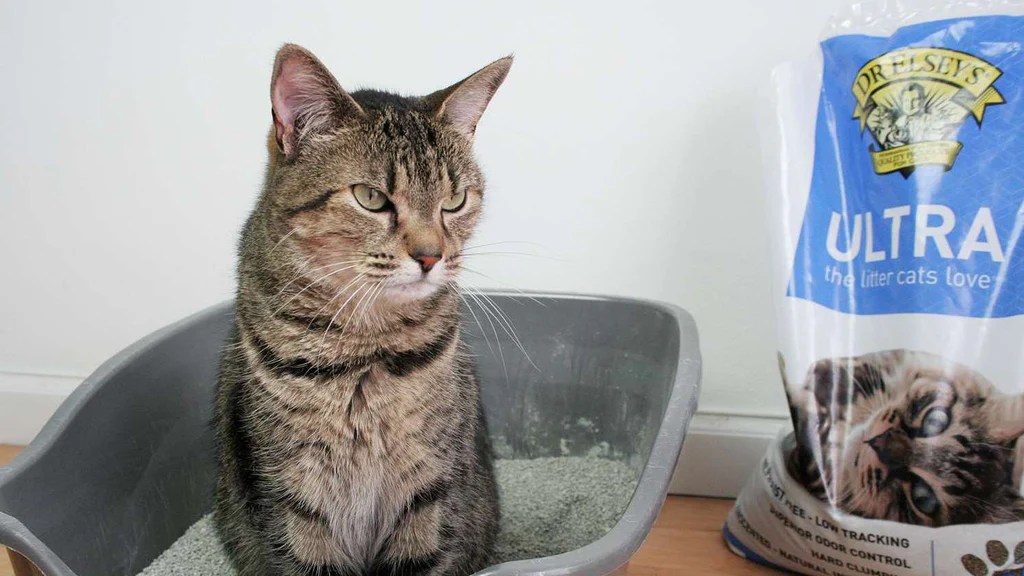
The type of litter box you use can impact clumping performance. Covered litter boxes can help contain dust and odors, but they can also trap moisture, which can affect clumping. Self-cleaning litter boxes require litters that are durable enough to withstand the automated scooping mechanism.
- Covered Litter Boxes: Best for silica gel and paper litters.
- Uncovered Litter Boxes: Suitable for most clumping litters.
- Self-Cleaning Litter Boxes: Ideal for clay and silica gel litters.
Proper scooping technique is essential for optimal clumping and odor control. Scoop daily, removing all clumps and solid waste. Stir the litter occasionally to ensure even moisture distribution.Transitioning a cat to a new clumping litter can be done gradually. Mix a small amount of the new litter with the old litter, gradually increasing the proportion of new litter over several days.Litter box size and shape also matter.
A larger litter box provides more space for clumping and reduces the likelihood of urine soaking through the bottom.
Cost & Value Considerations
The cost of clumping litter can vary significantly depending on the material, brand, and size. It’s important to consider the cost per month, not just the initial price.
| Brand | Size | Price | Cost per Month |
|---|---|---|---|
| Brand A (Clay) | 20 lbs | $15 | $25 |
| Brand B (Corn) | 15 lbs | $20 | $35 |
| Brand C (Silica Gel) | 7 lbs | $30 | $50 |
To calculate the cost per month, divide the price by the estimated number of weeks the litter will last. Consider your cat’s usage and scooping frequency.Higher-priced litters often offer better odor control, lower dust levels, and improved clumping performance. Bulk purchasing can significantly reduce the overall cost.
Specialized Clumping Litters
Scented litters can mask odors, but some cats are sensitive to fragrances. Unscented litters are generally a safer choice.Litters formulated for specific cat needs include those for sensitive paws (often made from larger granules) and those for urinary health (often contain ingredients that help control urine pH).Crystal/silica gel litters are known for their excellent absorbency and low dust levels, but they can be more expensive.For multi-cat households, choose a litter with strong odor control and excellent clumping ability.
Litter Box Maintenance & Cleaning
Deep cleaning a litter box involves emptying the entire box, washing it with warm water and a mild detergent, and disinfecting it.
- Empty the litter box completely.
- Rinse the box with warm water.
- Scrub the box with a mild detergent.
- Disinfect the box with a pet-safe disinfectant.
- Rinse the box thoroughly.
- Allow the box to dry completely before refilling with fresh litter.
Regular litter box cleaning is essential for both cat health and litter performance.The best cleaning solutions for removing urine stains and odors include enzymatic cleaners.Litter box replacement frequency depends on the material and usage, but generally, it’s recommended to replace plastic litter boxes every year or two.
Concluding Remarks
From the intricacies of clumping mechanisms to the importance of proper litter box maintenance, we’ve covered a lot of ground. Ultimately, the best clumping cat litter is the one that your cat accepts, controls odor effectively, and fits comfortably within your budget. By understanding the pros and cons of each material and considering your cat’s individual preferences, you can create a litter box setup that’s both practical and pleasant.
Happy scooping!
Remember to regularly clean the litter box and monitor your cat’s litter habits for any signs of discomfort or changes in behavior. A happy cat means a happy home, and a well-chosen clumping litter is a key ingredient in that equation.
FAQ Corner
Why does some clumping litter produce more dust than others?
Dust levels vary depending on the base material. Clay litters are generally dustier than corn, wheat, or paper-based options. Silica gel litters tend to be the lowest dust producers. Manufacturing processes also play a role; low-dust formulas are specifically designed to minimize airborne particles.
Can I use any litter box with clumping litter?
While most litter boxes will work, covered boxes can help contain dust and odor. Self-cleaning boxes are compatible with most clumping litters, but check the manufacturer’s instructions to ensure compatibility.
My cat refuses to use the clumping litter I bought. What should I do?
Gradually transition your cat by mixing the new litter with their old litter, slowly increasing the proportion of the new litter over a week or two. Also, ensure the litter box is clean and in a location your cat finds appealing.
How often should I completely replace the litter box?
Litter boxes should be completely replaced every 6-12 months, even if they appear clean. Plastic can absorb odors over time, and scratches can harbor bacteria.
Is scented clumping litter safe for my cat?
While some cats tolerate scented litters, others may be sensitive to the fragrances. Strong scents can deter cats from using the litter box. Unscented litters are generally a safer choice.
What’s the best way to deal with litter tracking?
Use a litter mat placed in front of the litter box to catch stray litter particles. Larger litter granules also tend to track less than smaller ones. Consider a litter box with a hood or enclosure to further minimize tracking.
How can I tell if my cat has urinary health issues based on their litter?
Look for changes in urine color (red, pink, or brown), increased frequency of urination, straining to urinate, or blood in the urine. Consult a veterinarian if you notice any of these signs.