Bringing a kitten home is a joyous occasion, and ensuring they get the right nutrition is paramount for their healthy growth and development. Wet food is a fantastic way to provide hydration and essential nutrients, but with so many options available, choosing the best wet food for your kitten can feel overwhelming. This guide breaks down everything you need to know, from understanding their specific nutritional needs to navigating ingredient lists and tackling common feeding challenges, so you can confidently provide your furry friend with the best possible start in life.
We’ll explore the vital nutrients kittens require, compare popular wet food brands, and delve into what to look for (and avoid) on ingredient labels. Plus, we’ll cover feeding schedules, portion control, and how to handle picky eaters, all while keeping your budget in mind. Ultimately, our goal is to empower you to make informed decisions that support your kitten’s well-being and set them up for a long, happy, and healthy life.

Choosing the Best Wet Food for Your Kitten: A Comprehensive Guide
Bringing a new kitten home is an incredibly exciting time! But with all the adorable snuggles and playful antics, it’s easy to overlook a crucial aspect of their well-being: nutrition. Kittens have very specific dietary needs to support their rapid growth and development. This guide will walk you through everything you need to know about selecting the best wet food for your furry friend, from understanding their nutritional requirements to navigating ingredient lists and tackling common feeding challenges.
Let’s dive in!
Nutritional Needs of Kittens
Kittens aren’t just miniature adult cats; they’re rapidly developing beings with significantly higher nutritional demands. Their bodies are building bones, muscles, and organs, and they need the right building blocks to do so effectively. The key nutrients to focus on are protein, fat, carbohydrates, vitamins, and minerals. Protein is absolutely vital for muscle development and tissue repair. Fat provides energy and supports brain development.
Carbohydrates offer a source of energy, though kittens don’t need as much as adult cats. Vitamins and minerals are essential for a wide range of bodily functions, from immune system support to bone health.Kitten-specific formulas differ from adult cat food primarily in their higher protein, fat, and calorie content. They also often contain added nutrients like DHA (docosahexaenoic acid) for brain development and calcium and phosphorus for strong bones.
Adult cat food is formulated to maintain the health of a fully grown cat, which has different needs than a rapidly growing kitten.The ideal protein percentage varies depending on the kitten’s life stage. Here’s a general guideline:* 6-12 weeks: 35-45% protein
3-6 months
30-40% protein
6-12 months
28-35% proteinTaurine is an essential amino acid that kittenscannot* produce on their own. It’s crucial for heart health, vision, and proper growth. A deficiency can lead to serious health problems, including blindness and heart failure. Most reputable kitten wet food brands will fortify their formulas with taurine.Nutritional deficiencies in kittens can have devastating consequences. They can lead to stunted growth, weakened immune systems, skeletal problems, and even organ failure.
Choosing a high-quality, complete and balanced kitten food is the best way to prevent these issues.
Top Wet Food Options for Kittens (Comparative Review)
Choosing a wet food can feel overwhelming with so many options available. Here’s a comparison of some popular brands, to help you get started. Remember, prices can vary depending on location and retailer.
| Brand | Flavor | Protein Percentage | Fat Percentage | Key Ingredients | Price per Can (approximate) |
|---|---|---|---|---|---|
| Royal Canin Kitten | Chicken | 38% | 16% | Chicken, Chicken Meal, Fish Oil, Egg Powder, Vitamins, Minerals | $1.50 – $2.50 |
| Purina Pro Plan Kitten | Tuna & Chicken | 42% | 14% | Chicken, Chicken Liver, Fish Meal, Poultry By-Product, Vitamins, Minerals | $1.00 – $2.00 |
| Blue Buffalo Baby Blue Healthy Growth Formula | Chicken & Liver | 36% | 18% | Deboned Chicken, Chicken Meal, Turkey Meal, Brown Rice, Peas, Vitamins, Minerals | $1.25 – $2.25 |
| Wellness Complete Health Kitten | Whitefish & Salmon | 38% | 15% | Dehydrated Whitefish Meal, Dehydrated Salmon Meal, Chicken Meal, Peas, Tapioca, Vitamins, Minerals | $1.75 – $2.75 |
| Hill’s Science Diet Kitten | Chicken | 35% | 12% | Chicken, Chicken Meal, Barley, Rice, Chicken Liver, Vitamins, Minerals | $1.25 – $2.00 |
Let’s take a closer look at the ingredients. Royal Canin and Wellness prioritize whole meat sources, which is a positive. Purina Pro Plan includes poultry by-product, which isn’t inherently bad but generally indicates a less premium ingredient source. Blue Buffalo uses a blend of meat meals and whole grains, which some owners prefer to avoid. Hill’s Science Diet incorporates grains like barley and rice, which can be suitable for some kittens but may cause digestive issues in others.Texture and palatability are also important.
Pate textures are often easier for kittens to eat and digest, especially those with sensitive stomachs. Minced textures offer more variety and can be more appealing to some kittens. Gravy-rich formulas can be highly palatable but may contain more carbohydrates.Rotating flavors is a great way to prevent picky eating. Kittens can become bored with the same flavor repeatedly. Introducing new flavors gradually can keep them interested and ensure they’re getting a wider range of nutrients.To calculate a kitten’s daily caloric intake, a general rule of thumb is 225-275 calories per pound of body weight per day for kittens under six months.
For example, a 3-pound kitten would need approximately 675-825 calories daily. Always refer to the feeding guidelines on the wet food can for more specific recommendations.
Ingredient Spotlight: What to Look For & Avoid
Understanding ingredient lists is key to making informed choices about your kitten’s food. Let’s break down what to look for and what to avoid.High-quality protein sources are the foundation of any good kitten food. Chicken, turkey, fish (salmon, tuna, whitefish), and lamb are all excellent choices. Look for ingredients listed as “chicken” or “turkey” rather than “chicken meal” or “chicken by-product meal,” although the latter aren’t necessarily harmful.Prebiotics and probiotics are beneficial for supporting kitten digestive health.
Prebiotics are non-digestible fibers that feed the good bacteria in the gut, while probiotics are live microorganisms that add to the beneficial bacteria population. These can help improve digestion and reduce the risk of diarrhea.Omega-3 fatty acids, particularly DHA and EPA, are crucial for brain and eye development in kittens. Fish oil is a common source of these essential fats.Artificial colors, flavors, and preservatives are best avoided.
They offer no nutritional value and can potentially trigger allergies or sensitivities in some kittens. Look for foods that use natural preservatives like tocopherols (vitamin E).Ingredients that may indicate lower quality or potential allergens include corn, wheat, soy, and by-products. While not all kittens will react negatively to these ingredients, they are common allergens and often indicate a lower-quality food source.
“By-products” can include organ meats and other parts of the animal that are not typically consumed by humans, and their nutritional value can vary.
Feeding Guidelines & Portion Control
Establishing a consistent feeding schedule is important for your kitten’s health and well-being. Here’s an example schedule for a kitten aged 8 weeks to 6 months, based on weight:* 8-12 weeks (1-2 lbs): 1/4 – 1/2 can (approximately 3-6 oz) divided into 3-4 meals per day.
3-4 months (2-4 lbs)
1/2 – 3/4 can (approximately 6-9 oz) divided into 3 meals per day.
4-6 months (4-6 lbs)
3/4 – 1 can (approximately 9-12 oz) divided into 2-3 meals per day.Free-feeding (leaving food out all day) isn’t generally recommended for kittens. Scheduled meals allow you to monitor their food intake and ensure they’re getting the right amount of nutrients. It also helps prevent overeating and obesity.Adjust food portions based on your kitten’s activity level and growth rate.
A very active kitten may need more calories than a less active one. If your kitten is gaining weight too quickly, reduce the portion size. If they seem underweight, increase it slightly.Signs of overfeeding include weight gain, a rounded belly, and lethargy. Signs of underfeeding include weight loss, a bony appearance, and excessive hunger.When transitioning to a new wet food brand, do so gradually over 7-10 days.
Start by mixing a small amount of the new food with the old food, gradually increasing the proportion of new food each day. This helps prevent digestive upset.
Wet Food Formats & Their Advantages
Wet food comes in various formats, each with its own pros and cons. The most common are pate, minced, and gravy.Pate is a smooth, homogenous texture, often preferred by kittens with sensitive stomachs or dental issues. It’s also generally easier to digest. Minced textures offer more variety and can be more appealing to kittens who enjoy chewing. Gravy-rich formulas are highly palatable but may contain more carbohydrates and less protein.Different textures can benefit kittens with dental issues.
Softer textures are easier to chew and swallow, reducing the risk of choking or discomfort. Kittens with preferences will naturally gravitate towards certain textures.Can sizes and pouch options offer convenience. Smaller cans (3 oz) are ideal for single-cat households or kittens who eat small portions. Larger cans (5.5 oz or more) are more economical for multi-cat households. Pouches are convenient for travel and portion control.To maintain freshness, store opened cans of wet food in an airtight container in the refrigerator for up to 24 hours.
A kitten with a sensitive stomach often benefits from a pate-style wet food. The smooth texture is gentle on their digestive system and easier to process, minimizing the risk of vomiting or diarrhea.
Addressing Common Kitten Feeding Challenges
Source: co.uk
Dealing with a kitten who refuses to eat wet food can be frustrating. Try warming the food slightly to enhance its aroma, or adding a small amount of warm water to make it more appealing. You can also try hand-feeding them a small amount to encourage them to eat.Encouraging a kitten to drink more water is crucial, especially when primarily fed wet food.
Provide multiple water bowls in different locations around the house. You can also try a cat fountain, which many kittens find appealing.Vomiting or diarrhea after eating wet food can indicate a food sensitivity or intolerance. Consult with your veterinarian to rule out any underlying medical conditions. Try switching to a different brand or flavor of wet food.Managing food allergies or sensitivities often requires an elimination diet, under the guidance of a veterinarian.
This involves feeding your kitten a limited-ingredient diet with novel protein sources (proteins they haven’t eaten before) to identify the allergen.Feeding multiple kittens in a household requires careful planning to prevent competition and ensure each gets enough food. Provide separate feeding areas and monitor their food intake. Consider using timed feeders to control portion sizes.
Budget-Friendly Options & Value Considerations
Finding affordable kitten wet food doesn’t mean sacrificing quality. Here’s a comparison of wet food options across different price points:
| Brand | Flavor | Approximate Price per Can | Protein Percentage | Key Features |
|---|---|---|---|---|
| Friskies Kitten | Chicken & Salmon | $0.50 – $0.75 | 30% | Affordable, widely available, palatable |
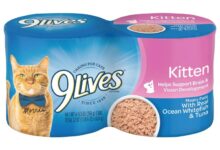
| 9Lives Kitten | Turkey & Giblets | $0.60 – $0.85 | 32% | Budget-friendly, good source of protein |
| Purina Fancy Feast Kitten | Chicken Feast | $0.80 – $1.20 | 35% | Mid-range price, palatable, good quality ingredients |
| Wellness Complete Health Kitten | Whitefish & Salmon | $1.75 – $2.75 | 38% | Premium ingredients, grain-free, good for sensitive stomachs |
There’s a trade-off between price and ingredient quality. While cheaper options may be more affordable, they often contain lower-quality ingredients and fewer beneficial nutrients.Brands like Purina Fancy Feast offer a good balance of price and quality. They provide decent nutrition at a reasonable cost.The cost per day of feeding a kitten varies depending on the wet food option. For example, feeding a 3-pound kitten Friskies Kitten (approximately 6 oz per day) would cost around $0.75 per day.
Feeding the same kitten Wellness Complete Health Kitten would cost around $3.50 per day.Look for sales and coupons on kitten wet food at pet stores and online retailers. Signing up for email newsletters can also alert you to special offers.
Special Dietary Needs (Beyond Allergies)
Some kittens have specific health concerns that require specialized diets. Kittens with urinary issues may benefit from wet food formulated to promote urinary tract health, often containing controlled levels of magnesium, phosphorus, and calcium. Kittens with digestive problems may require easily digestible wet food with prebiotics and probiotics.Prescription diets, available only through a veterinarian, can be essential for managing certain kitten health conditions, such as kidney disease or inflammatory bowel disease.Choosing a wet food that supports a kitten’s immune system involves looking for ingredients like antioxidants (vitamin E, vitamin C) and omega-3 fatty acids.Consulting with a veterinarian before making significant dietary changes is always recommended.
They can assess your kitten’s individual needs and recommend the best food options.Ingredients generally considered beneficial for kittens with sensitive stomachs include easily digestible protein sources (chicken, turkey), limited ingredients, and prebiotics. Avoid foods with artificial colors, flavors, and preservatives.
Last Word
Navigating the world of kitten nutrition can seem complex, but understanding the basics – focusing on high-quality protein, essential nutrients like taurine, and avoiding unnecessary additives – is key. By carefully considering ingredient lists, portion sizes, and your kitten’s individual needs, you can find the perfect wet food to fuel their growth and keep them thriving. Remember to consult with your veterinarian for personalized recommendations, especially if your kitten has any specific health concerns.
With the right choices, you’ll be well on your way to raising a happy, healthy, and well-nourished kitten!
Questions and Answers
Why is kitten food different from adult cat food?
Kitten food has a higher protein and fat content to support rapid growth and development. It also contains more calcium and phosphorus for strong bones and teeth, and added nutrients like DHA for brain development. Adult cat food is formulated for maintenance, not growth.
How much wet food should I feed my kitten?
It depends on their age, weight, and activity level. A general guideline is to feed 1/4 to 1/2 cup of wet food twice a day, but always check the feeding guidelines on the food label and adjust as needed based on your kitten’s body condition.
My kitten only wants to eat one flavor of wet food. Is that okay?
While variety is ideal, it’s not the end of the world. Try rotating flavors gradually, mixing a small amount of the new flavor into their existing food and slowly increasing the ratio over several days. You can also try warming the food slightly to enhance the aroma and make it more appealing.
What does it mean if my kitten vomits after eating wet food?
Occasional vomiting can be due to eating too quickly or hairballs. However, frequent vomiting could indicate a food allergy, sensitivity, or underlying health issue. Consult your veterinarian to rule out any medical problems.
Can I give my kitten wet food exclusively?
Yes, you can! Wet food provides excellent hydration, which is beneficial for cats. However, it’s still important to ensure they receive a complete and balanced diet, so choose a high-quality wet food that meets their nutritional needs. Some dry food can be added for dental health.
How long does opened wet food last in the refrigerator?
Opened wet food can typically be stored in an airtight container in the refrigerator for 1-2 days. Always discard any food that smells off or has been left out at room temperature for more than two hours.
What are by-products in kitten food, and are they harmful?
By-products are the non-muscle tissues of animals, such as organs and bones. While some by-products can be nutritious, others may be of lower quality. Look for foods that specify the source of the by-products (e.g., “chicken by-products”) rather than just “animal by-products.”