Bringing a new kitten home is such a joy! But ensuring they get the right nutrition is absolutely crucial for their development. Wet food is often a fantastic choice for kittens, offering hydration and a palatable meal that supports healthy growth. This guide dives deep into everything you need to know about selecting the best wet food kitten, from understanding their specific nutritional needs to navigating ingredient lists and finding options that suit your budget.
We’ll explore the essential nutrients kittens require, compare popular brands, and highlight what to look for (and avoid!) in ingredient lists. Plus, we’ll cover feeding guidelines, special dietary considerations, and even some tips for picky eaters. Let’s get started on giving your little one the best possible start!
Choosing the Best Wet Food for Your Kitten: A Comprehensive Guide
Bringing a new kitten home is an incredibly exciting time! Ensuring they get the right nutrition is paramount for their growth and development. While dry food is convenient, wet food often holds significant advantages for kittens, particularly regarding hydration and palatability. This guide will walk you through everything you need to know about selecting the best wet food for your furry little friend, from understanding their nutritional needs to navigating ingredient lists and budget considerations.
Let’s dive in!
Nutritional Needs of Growing Kittens
Kittens are essentially tiny, rapidly growing athletes. Their bodies require a concentrated dose of nutrients to support bone development, muscle growth, and overall health. Understanding these needs is the first step in choosing the right wet food.
- Protein: The cornerstone of a kitten’s diet. Protein provides the building blocks for tissues and supports enzyme production. Kittens need significantly more protein than adult cats, typically around 30-40% on a dry matter basis.
- Fat: Essential for energy, hormone production, and absorption of fat-soluble vitamins. Look for wet foods with a fat content of 15-25% on a dry matter basis.
- Carbohydrates: While not as crucial as protein and fat, carbohydrates provide energy. However, kittens don’t require large amounts, and excessive carbs can contribute to weight gain.
- Vitamins & Minerals: These micronutrients play vital roles in various bodily functions, from immune system support to bone health. Wet food often provides a good source of these, but always check the label.
Wet food is generally preferred over dry food for kittens because of its higher moisture content. Kittens are prone to dehydration, and wet food helps them stay hydrated, which is crucial for kidney function and overall health. The texture is also often more appealing to young kittens, encouraging them to eat and get the nutrients they need. Ideal Protein Sources: Animal-based proteins are the most bioavailable and easily digestible for kittens.
Look for ingredients like chicken, turkey, salmon, and duck. Plant-based proteins, such as soy or pea protein, can be included but should not be the primary source. Taurine: This essential amino acid is
- critical* for kitten health, particularly for heart and eye function. Kittens cannot synthesize taurine on their own, so it
- must* be included in their diet. The minimum recommended daily intake is 200mg per kilogram of body weight. Always check the label to ensure taurine is present and in sufficient quantities.
Calcium & Phosphorus: These minerals are vital for bone development. The ideal calcium-to-phosphorus ratio in kitten food is between 1.2:1 and 2:1. Imbalances can lead to skeletal problems. A ratio too low can hinder bone growth, while a ratio too high can interfere with calcium absorption.
Top Contenders: Wet Food Brands for Kittens
Choosing a wet food brand can feel overwhelming. Here’s a comparison of five popular options to help you get started.
| Brand | Protein Source | Price Range (per can) |
|---|---|---|
| Wellness Complete Health Kitten | Chicken, Turkey, Salmon | $0.85 – $1.35 |
| Blue Buffalo Baby Blue Healthy Growth Formula | Chicken | $1.00 – $1.50 |
| Purina Pro Plan Kitten Chicken & Liver Entree | Chicken, Liver | $0.75 – $1.25 |
| Royal Canin Kitten Wet Food | Chicken | $1.20 – $1.80 |
| Hill’s Science Diet Kitten | Chicken | $0.90 – $1.40 |
Grain-Inclusive vs. Grain-Free: Grain-inclusive wet foods often contain ingredients like rice or corn, which provide carbohydrates and fiber. Grain-free options use alternative carbohydrate sources like potatoes or peas. For most kittens, grain-inclusive foods are perfectly fine. Grain-free diets have been linked to dilated cardiomyopathy (DCM) in some breeds, although the exact cause is still being investigated. Discuss with your veterinarian if you’re considering a grain-free diet.
Sensitive Stomachs: Brands like Hill’s Science Diet and Royal Canin offer formulas specifically designed for kittens with sensitive stomachs. These often feature easily digestible ingredients and reduced levels of certain proteins or fats. Ethically Sourced Ingredients: Look for brands that prioritize transparency and sustainability. Some brands, like Wellness and Blue Buffalo, highlight their commitment to ethically sourced ingredients and responsible farming practices.
Texture and Palatability: Pate is generally the most palatable and easiest to eat for young kittens. Minced and chunk-in-gravy varieties can be appealing, but ensure the chunks are small enough to prevent choking.
Ingredient Spotlight: What to Look For (and Avoid)
Understanding ingredient lists is crucial for making informed choices.
- Prebiotics & Probiotics: These beneficial bacteria support healthy digestion and a strong immune system. Look for ingredients like fructooligosaccharides (FOS) or inulin (prebiotics) and
-Lactobacillus* or
-Bifidobacterium* (probiotics). - Omega-3 & Omega-6 Fatty Acids: These essential fatty acids promote healthy skin and a shiny coat. Fish oil and flaxseed are good sources.
- Artificial Additives, Preservatives & Fillers: Avoid foods containing artificial colors, flavors, and preservatives like BHA, BHT, and ethoxyquin. Fillers like corn gluten meal and wheat middlings offer little nutritional value.
- Carrageenan: This seaweed extract is used as a thickener. While generally considered safe, some studies suggest it may negatively impact digestion in sensitive animals.
Reading Pet Food Labels: Ingredients are listed in descending order by weight. The first few ingredients make up the bulk of the food. Pay close attention to the guaranteed analysis, which provides information on protein, fat, fiber, and moisture content.
Feeding Guidelines and Portion Control
Proper portion control is essential for maintaining a healthy weight and preventing nutritional imbalances.
| Kitten Weight (lbs) | Recommended Daily Wet Food (cans) |
|---|---|
| 1 – 2 | 1/2 – 3/4 |
| 2 – 3 | 3/4 – 1 |
| 3 – 5 | 1 – 1 1/4 |
| 5 – 7 | 1 1/4 – 1 1/2 |
Transitioning to New Food: Introduce new wet food gradually over 7-10 days, mixing it with the old food in increasing proportions. This helps prevent digestive upset. Adjusting Portions: Monitor your kitten’s body condition. Adjust feeding amounts based on their activity level and individual metabolism. A kitten that is too thin needs more food, while a kitten that is gaining weight needs less.
Signs of Overfeeding: Excessive weight gain, lethargy, and difficulty grooming. Signs of Underfeeding: Weight loss, lethargy, and a dull coat. Managing Multiple Kittens: Provide separate feeding stations to prevent competition and ensure each kitten receives adequate nutrition.
Special Dietary Considerations
Certain health conditions may require specific dietary adjustments.
- Urinary Tract Issues: Wet food helps increase water intake, which can help prevent urinary crystals and stones. Look for foods formulated to support urinary health.
- Allergies: Hypoallergenic wet food formulas use limited ingredients and novel protein sources (e.g., duck, venison) to minimize the risk of allergic reactions.
- Orphaned or Rescued Kittens: These kittens often require a highly digestible and nutrient-dense diet to support rapid growth and recovery.
- Diabetes or Metabolic Disorders: Consult with your veterinarian to determine the appropriate wet food formulation.
- Limited-Ingredient Diets: These diets contain a minimal number of ingredients, making it easier to identify potential allergens.
Wet Food Formats and Presentation
The format and presentation of wet food can significantly impact a kitten’s appetite.
- Pate: Smooth and easily digestible, ideal for young kittens and those with sensitive stomachs.
- Flaked: Similar to pate but with a slightly coarser texture.
- Shredded: Contains small pieces of meat, which can be more appealing to some kittens.
- Gravy-Based: The gravy adds moisture and flavor, but can also be higher in carbohydrates.
Storing Opened Cans: Transfer leftover wet food to an airtight container and refrigerate for up to 24 hours. Enticing Picky Eaters: Warm the food slightly to enhance its aroma. Sprinkle a small amount of catnip on top.
Cost-Effectiveness and Value
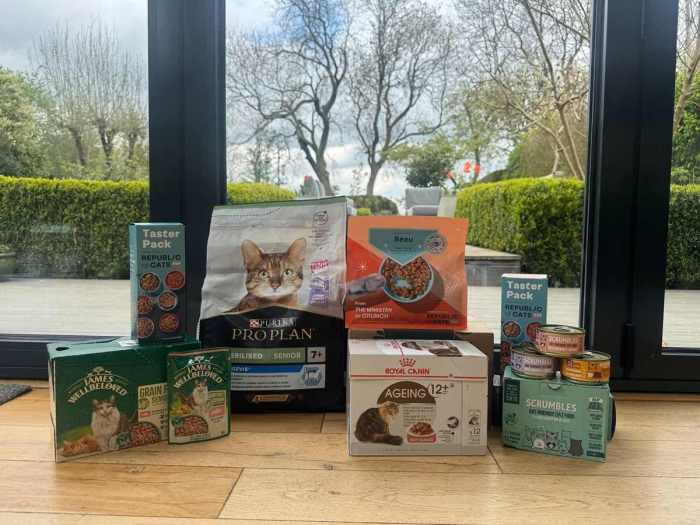
Source: cats.com
Investing in high-quality kitten wet food is an investment in your kitten’s long-term health.
| Wet Food Option | Estimated Monthly Cost |
|---|---|
| Budget-Friendly Brand | $30 – $50 |
| Mid-Range Brand | $50 – $80 |
| Premium Brand | $80 – $120+ |
Saving Money: Buy in bulk when possible. Look for sales and discounts. Consider subscription services that offer discounted deliveries.
Closure
Ultimately, choosing the best wet food kitten is about understanding your kitten’s individual needs and preferences. By paying attention to ingredient quality, nutritional balance, and your kitten’s response to different foods, you can create a feeding plan that supports their long-term health and happiness. Remember to always consult with your veterinarian for personalized recommendations, especially if your kitten has any specific health concerns.
Happy feeding!
General Inquiries
Why is wet food better than dry food for kittens?
Wet food provides significantly more hydration, which is vital for kittens who are prone to dehydration. It’s also generally more palatable and easier to chew, especially for very young kittens.
What does “life stage suitability” mean on a wet food label?
It indicates the food is formulated with the specific nutritional needs of kittens in mind, including higher protein and fat levels for growth.
My kitten is a picky eater – what can I do?
Try warming the food slightly to enhance the aroma, adding a tiny sprinkle of catnip, or offering different textures (pate vs. minced). Gradual changes are key – don’t switch foods abruptly.
How much wet food should I feed my kitten?
It depends on their weight and age. A general guideline is 1/4 to 1/2 can per day, divided into multiple meals. Always refer to the feeding chart on the food label and adjust based on your kitten’s activity level.
What are some signs of overfeeding my kitten?
Signs include weight gain, lethargy, and digestive upset like vomiting or diarrhea. Consult your vet if you notice these signs.
Is grain-free wet food always better for kittens?
Not necessarily. Grains can be a healthy source of fiber and nutrients. Grain-free isn’t inherently better unless your kitten has a diagnosed grain allergy, which is rare.

