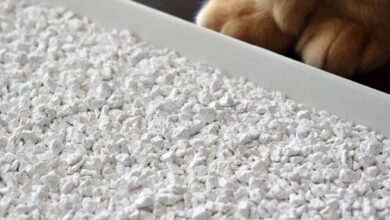
Let’s be honest, cat ownership is wonderful, but the litter box? Not so much. The constant tracking of litter around the house is a universal frustration for cat parents. Thankfully, there’s a solution gaining popularity: low-track cat litter. This isn’t just a marketing buzzword; it’s a real game-changer for keeping your home cleaner and your feline friend comfortable.
We’ll dive into what makes low-track litter different, the benefits it offers, and how to choose the best option for you and your kitty.



Essentially, low-track litter is designed to minimize the amount of litter that sticks to your cat’s paws and gets scattered around your house. It achieves this through different particle sizes, shapes, and materials compared to traditional clay or clumping litters. We’ll explore those differences and the various materials available, from wood and paper to silica gel and more, so you can make an informed decision.
Understanding Low-Track Cat Litter
Choosing the right cat litter can feel overwhelming, with so many options vying for your attention. But if you’re tired of finding litter tracked across your floors, you’ve likely stumbled upon the world of low-track litter. This isn’t just a marketing term; it represents a significant shift in litter design aimed at minimizing mess and improving the overall cat-owning experience.
Let’s dive into what makes low-track litter different and why it might be a good fit for you and your feline friend.Low-track litter is defined by its ability to significantly reduce the amount of litter that sticks to your cat’s paws and gets carried around the house. The core characteristic is the particle size and shape – it’s designed to be larger and more uniform than traditional litters, preventing it from clinging as easily.
Traditional clay and clumping litters often consist of fine dust-like particles that readily adhere to fur and paws. Low-track litters, on the other hand, utilize larger granules or pellets that are less likely to be dislodged during a cat’s movements.Imagine this: a cat stepping out of the litter box on standard clay litter. Tiny particles cling to their paws, fur, and even their whiskers, creating a trail of litter dust as they walk.
Now picture the same cat stepping onto low-track litter. The larger granules are less likely to stick, resulting in significantly less tracking – a noticeable difference that can save you time and effort cleaning.Several materials are commonly used in low-track litter formulations. Wood-based litters often use larger shavings or pellets. Paper-based litters utilize recycled paper, often formed into larger, more substantial granules.
Silica gel, or crystal litter, consists of larger, porous beads. Corn and wheat-based litters are also gaining popularity, offering plant-based alternatives. Each material brings its own unique properties to the table, which we’ll explore in more detail later.
Benefits of Using Low-Track Litter
Beyond the obvious reduction in mess, low-track litter offers a range of benefits for both cat owners and their feline companions. It’s about more than just cleaner floors; it’s about improving the overall well-being of your cat and simplifying your life.For cat owners, the primary advantage is, of course, reduced cleaning. Less tracking means less vacuuming, sweeping, and wiping. This translates to more free time and a cleaner home environment.
The reduced dust also contributes to a healthier home, particularly for those with allergies or respiratory sensitivities.Cats themselves can also benefit from low-track litter. The larger granules are generally more comfortable on their paws than the fine dust of traditional clay litters. This can be especially important for cats with sensitive paws or those who spend a lot of time in the litter box.
Furthermore, the larger size of the granules makes it more difficult for cats to accidentally ingest the litter while grooming, reducing the risk of digestive issues.The environmental impact of low-track litter varies depending on the material used. Wood and paper-based litters are often biodegradable and made from renewable resources, making them a more sustainable choice compared to traditional clay litter, which is strip-mined.
Silica gel litter is not biodegradable, but it’s highly absorbent and long-lasting, meaning you use less overall. Corn and wheat litters are generally considered sustainable, but sourcing practices and potential allergens should be considered.Finally, many low-track litters are formulated to be low-dust, which can be a significant health benefit for cats. Dust inhalation can irritate a cat’s respiratory system and potentially contribute to long-term health problems.
Low-dust litters minimize this risk, promoting better respiratory health for your feline friend.
Types of Low-Track Litter Materials
The performance and characteristics of low-track litter are heavily influenced by the material it’s made from. Each type offers a unique set of advantages and disadvantages, catering to different needs and preferences.Wood-based low-track litter, often made from pine, cedar, or fir, is known for its excellent absorbency and odor control. The natural oils in wood possess antibacterial properties that help neutralize odors.
The larger granules also tend to clump well, making scooping easier. However, some cats may be sensitive to the scent of certain woods, and the cost can be higher than some other options.Paper-based low-track litter is prized for its softness and biodegradability. It’s a gentle option for cats with sensitive paws and is a good choice for environmentally conscious owners.
While it’s not as absorbent as some other materials, it’s still effective at controlling odors. The downside is that it can sometimes be less clumping than clay or silica gel.Silica gel (crystal) low-track litter stands out for its superior absorption and odor neutralization. The porous beads absorb a significant amount of liquid and trap odors within their structure. It’s also virtually dust-free and long-lasting, requiring less frequent changes.
However, it’s generally more expensive than other options and some cats dislike the texture.Corn and wheat-based low-track litters offer plant-based alternatives. They are generally biodegradable and have good absorbency. However, allergies are a significant concern. Cats (and humans) can be allergic to corn or wheat, so it’s crucial to monitor for any adverse reactions. Sustainability also depends on responsible sourcing practices.
Comparing Low-Track Litter Brands
Choosing the right low-track litter brand can be daunting. Here’s a comparison of five popular brands to help you make an informed decision:
| Brand | Price per Pound | Absorbency Rating (1-5) | Dust Level (1-5) |
|---|---|---|---|
| Brand A (Pine Pellet) | $0.75 | 4 | 2 |
| Brand B (Crystal Fresh) | $0.90 | 5 | 1 |
| Brand C (Paper Soft) | $0.60 | 3 | 3 |
| Brand D (Corn Comfort) | $1.10 | 4 | 2 |
| Brand E (Wheat Breeze) | $0.85 | 3 | 4 |
Brand A (Pine Pellet): This brand offers a budget-friendly option with good absorbency. Its main selling point is the natural pine scent, which many find pleasant. Customer reviews often praise its odor control but note that some cats dislike the texture of the pellets. Brand B (Crystal Fresh): Known for its exceptional absorption and virtually dust-free formula, Crystal Fresh is a premium choice. Customers rave about its long-lasting performance and odor control, but the higher price point is a common criticism.
Brand C (Paper Soft): This brand prioritizes softness and biodegradability. While it’s gentle on paws, some reviewers find it less effective at odor control and clumping compared to other options. Brand D (Corn Comfort): Corn Comfort is a popular choice for those seeking a plant-based litter. Customers appreciate its absorbency and low-dust formula, but allergy concerns are frequently mentioned in reviews. Brand E (Wheat Breeze): Wheat Breeze offers a sustainable alternative, but its higher dust level is a recurring complaint.
Some customers also report issues with odor control.
Litter Box Setup and Maintenance with Low-Track Litter
Proper litter box setup and maintenance are crucial for maximizing the benefits of low-track litter and ensuring your cat’s comfort.The recommended depth of low-track litter in a litter box is typically 2-3 inches. This depth provides enough material for your cat to dig and cover their waste effectively.Scooping used low-track litter depends on the material type. Wood and paper litters can be composted (check local regulations).
Silica gel litter can be vacuumed up, and the remaining crystals refreshed. Corn and wheat litters should be disposed of in the trash.Minimizing tracking involves strategic placement of litter mats both inside and outside the litter box. Rugs placed near the litter box can also help catch stray litter particles.Transitioning a cat from traditional litter to low-track litter should be done gradually.
Start by mixing a small amount of low-track litter with the existing litter, gradually increasing the proportion over a week or two. This allows your cat to adjust to the new texture and scent.
Addressing Potential Issues with Low-Track Litter
While low-track litter offers numerous advantages, it’s not without potential challenges.Clumping ability can vary significantly between different low-track litter types. Some materials, like silica gel, clump exceptionally well, while others, like paper litter, may not clump at all. Choosing a litter with appropriate clumping properties for your cat’s preferences is essential.Odor control can be a challenge with certain low-track litters, particularly those that don’t clump well.
Regular scooping and the addition of odor-absorbing additives can help mitigate this issue.Allergic reactions are a possibility with both cats and humans. If you suspect an allergy, switch to a hypoallergenic litter and consult with a veterinarian or allergist.If your cat refuses to use low-track litter, try adjusting the litter box placement or experimenting with different litter types. Some cats are simply more particular than others.
Advanced Low-Track Litter Considerations
Optimizing your low-track litter setup can further enhance its performance and benefits.For multi-cat households, providing multiple litter boxes is recommended. This reduces competition and ensures that each cat has a clean and accessible space.Choosing the right litter box size and style is important. A larger box provides more space for digging and covering, while a covered box can help contain odors and litter scatter.Litter box location significantly impacts tracking and cat behavior.
Placing the box in a low-traffic area can minimize tracking, while ensuring easy access for your cat is crucial.Minimizing dust exposure during litter box maintenance involves wearing a mask and gloves, and scooping the litter in a well-ventilated area.
Visualizing Low-Track Litter Properties
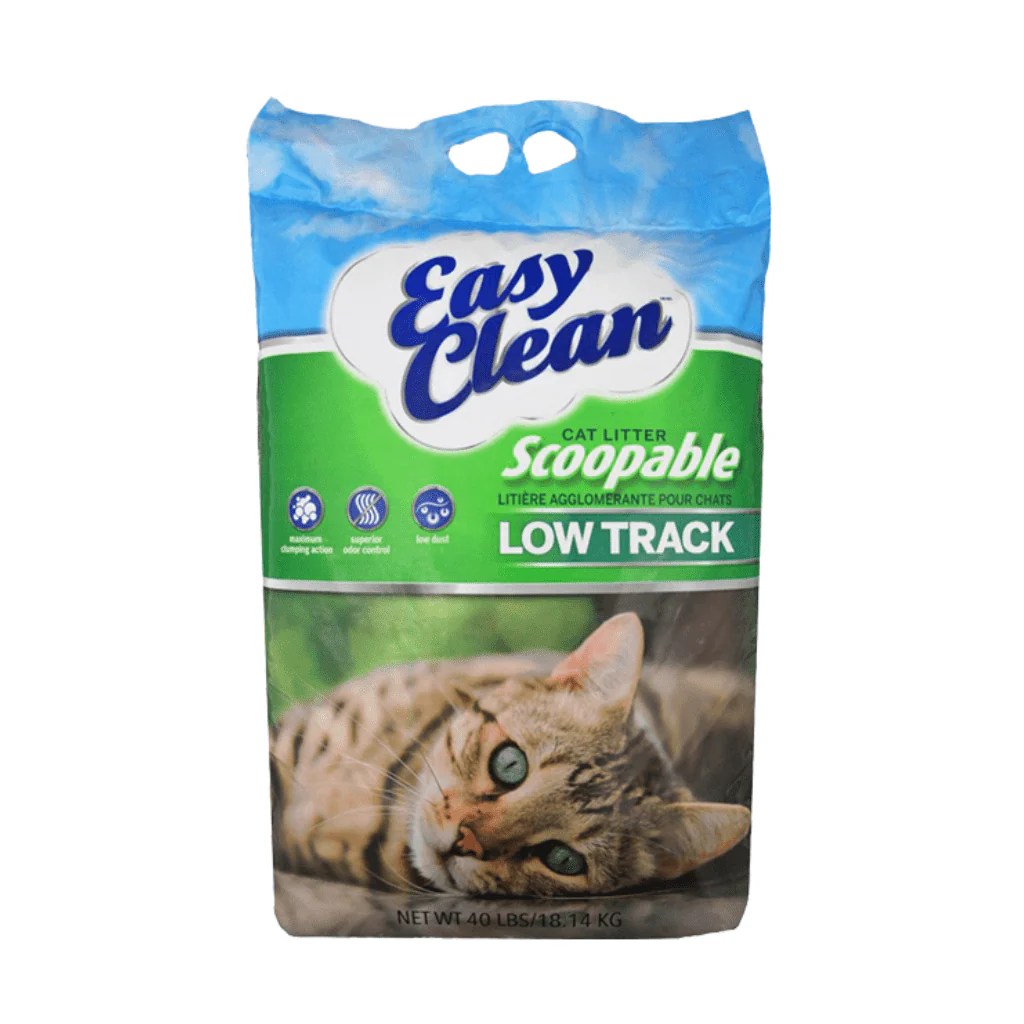
Source: pettoba.ca
Imagine a cat’s paw stepping onto a surface covered in standard clay litter. The fine, powdery particles immediately cling to the paw pads, fur, and claws, creating a visible trail of gray dust as the cat moves. The texture is gritty and clings stubbornly.Now picture the same paw stepping onto low-track litter. The larger granules roll easily over the paw, with minimal adherence.
A few stray particles might cling, but they are easily brushed off. The visual difference is striking – a clean paw versus a dusty one.
Wood litter feels like fine shavings, with a subtle, earthy scent. It’s relatively lightweight and breaks down easily. Paper litter is incredibly soft and fluffy, almost like cotton balls, with a very faint, neutral odor. Silica gel litter is surprisingly heavy and feels like tiny, smooth beads. It’s virtually odorless and has a unique, dry texture.
Wet clumps in silica gel litter appear as solid, crystalline masses, easily scooped. Wood litter forms more fragmented clumps, while paper litter may not clump at all, resulting in a damp, matted surface. A clean litter box using wood litter looks like a bed of fresh shavings, while a silica gel litter box appears as a bed of sparkling crystals.
Paper litter presents a soft, fluffy surface.
Epilogue
From reducing mess and improving your cat’s paw comfort to minimizing environmental impact and potentially offering health benefits, low-track litter presents a compelling alternative to traditional options. Choosing the right brand and setting up your litter box correctly are key to maximizing these advantages. With a little research and experimentation, you can say goodbye to litter tracking and hello to a cleaner, happier home for both you and your beloved cat!
Ultimately, switching to low-track litter is an investment in a more manageable and enjoyable cat ownership experience. It’s about prioritizing cleanliness, your cat’s well-being, and a little bit of peace of mind.
Quick FAQs
Why is particle size important in low-track litter?
Larger, heavier particles are less likely to cling to a cat’s paws and get tracked around the house compared to the fine dust of traditional clay litter.
Can I use low-track litter with an automatic litter box?
It depends on the litter type and the box’s design. Silica gel crystals generally work well, while some wood or paper litters might not be suitable due to their clumping or breakdown properties.
Is low-track litter more expensive than traditional litter?
Often, yes, but the reduced mess and potential for longer-lasting use can offset the higher initial cost. It really depends on the brand and material you choose.
My cat refuses to use the low-track litter I bought. What should I do?
Try gradually mixing the new litter with their old litter over a week or two. Also, ensure the litter box is in a quiet, accessible location and experiment with different litter types until you find one your cat prefers.
Are there any low-track litters that are safe for cats with allergies?
Paper-based litters are often a good choice for cats with allergies, as they are generally hypoallergenic. Always check the ingredient list to avoid potential allergens like corn or wheat.