More and more cat owners are realizing that indoor life isn’t always enough for their feline friends. The desire to provide enrichment and safe outdoor exploration has led to a surge in popularity for cat harnesses. It’s a fantastic way to let your kitty experience the sights, smells, and sounds of the world beyond your windows, all while keeping them secure.
But with so many options available, choosing the right harness can feel overwhelming. We’ll break down everything you need to know, from different harness types and materials to proper fitting and introducing your cat to their new gear.

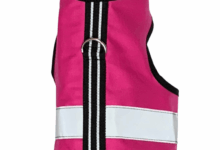

This guide will explore the various aspects of cat harnesses, covering safety considerations, material choices, fitting techniques, and even how to introduce your cat to wearing one. We’ll also look at some top recommendations and address common issues like escapes and discomfort, ensuring you and your cat have a positive and enjoyable experience venturing outdoors together. Ultimately, the goal is to help you find the best cat harnesses to suit your cat’s individual needs and personality.
The Rise of Cat Harnesses
For years, the idea of taking a cat for a walk might have seemed like a quirky fantasy. But increasingly, cat owners are embracing the outdoors with their feline companions, and the cat harness is at the heart of this shift. It’s no longer just dog owners enjoying leisurely strolls; cats are joining in, too! This growing trend is driven by a desire to enrich our cats’ lives, provide them with safe exploration opportunities, and satisfy our own wish to share more experiences with our beloved pets.
The surge in popularity is fueled by several factors. Primarily, it’s about safety. Letting a cat roam freely outdoors can expose them to dangers like cars, predators, and diseases. A harness provides a secure way to allow them to experience the sights, sounds, and smells of the outside world without the risks of free-roaming. Enrichment is another key driver; cats are naturally curious creatures, and outdoor exploration can provide mental and physical stimulation that indoor life often lacks.
Finally, many owners simply want to bond with their cats in new ways and share the joy of the outdoors together.
There’s a surprising variety of cat harnesses available, each with its own design and features. You’ll find vest-style harnesses, which offer more coverage and security; figure-8 harnesses, known for their simplicity and ease of use; and step-in harnesses, often favored for their comfort and suitability for smaller cats. Understanding the differences between these types is crucial for choosing the right harness for your cat’s personality and needs.
| Type | Description | Pros/Cons |
|---|---|---|
| Vest | A harness that covers a large portion of the cat’s chest and back, often with a secure buckle system. | Pros: Secure, comfortable, good for escape artists. Cons: Can be bulky, may restrict movement for some cats. |
| Figure-8 | A harness consisting of two loops that form a figure-8 shape, typically secured with buckles or clips. | Pros: Lightweight, easy to put on and take off. Cons: Less secure than vest harnesses, potential for escape if not properly fitted. |
| Step-In | A harness with an opening that the cat steps into, secured with straps and buckles. | Pros: Comfortable, good for cats who dislike being handled. Cons: Can be tricky to fit properly, may not be suitable for all cats. |
Safety Considerations: Choosing a Secure Harness
The most important aspect of any cat harness is its ability to keep your cat safe and secure. An ill-fitting harness is practically useless, as it can easily slip off or allow your cat to escape. A properly fitted harness should be snug enough to prevent escapes but not so tight that it restricts your cat’s breathing or movement. It’s a delicate balance, and careful attention to detail is essential.
Several key features contribute to harness security. An escape-proof design is paramount, meaning the harness should be constructed with durable materials and secure closures that are difficult for a cat to manipulate. Sturdy buckles are also crucial; they should be made of high-quality plastic or metal and securely fastened. Adjustable straps allow you to fine-tune the fit to your cat’s unique body shape.
Poorly designed harnesses with flimsy materials or inadequate closures pose a significant risk of escape and potential injury to your cat.
To ensure you’re choosing a safe harness, consider this checklist:
- Buckle Quality: Are the buckles made of durable plastic or metal? Do they snap securely into place?
- Strap Thickness: Are the straps thick and strong enough to withstand pulling and scratching?
- Escape-Proof Closures: Do the closures (buckles, clips, Velcro) seem secure and difficult for a cat to open?
- Material Durability: Is the material resistant to tearing and scratching?
- Adjustability: Does the harness have multiple adjustment points to ensure a snug and comfortable fit?
- Padding: Does the harness have padding in areas that might rub against your cat’s skin?
Harness Types: A Detailed Comparison
Understanding the mechanics and design of different harness types is key to selecting the best option for your cat. Each type offers unique advantages and disadvantages, catering to different cat personalities and owner preferences. Let’s delve into the specifics of vest-style, figure-8, and step-in harnesses.
Vest-style harnesses distribute pressure across the cat’s chest and back, making them a comfortable and secure option, especially for cats who tend to pull or wriggle. The design typically involves a vest-like garment with adjustable straps and buckles. While they offer excellent security, some cats may find them bulky or restrictive, particularly if they’re not used to wearing clothing.
Figure-8 harnesses are known for their simplicity and ease of use. They consist of two loops that form a figure-8 shape, secured with buckles or clips. This design allows for a wide range of motion and is often favored by cats who dislike feeling confined. However, their simplicity can also be a drawback, as they may not be as secure as vest harnesses, and a determined escape artist could potentially slip out.
Step-in harnesses are designed to be easily slipped over the cat’s head and secured with straps and buckles. They’re often a good choice for kittens or cats with sensitive skin, as they minimize handling. However, fitting a step-in harness properly can be challenging, and they may not be suitable for all cats, particularly those who are resistant to being put into enclosed spaces.
| Type | Material | Best For (Cat Size/Personality) | Price Range |
|---|---|---|---|
| Vest | Nylon, Polyester, Mesh | Medium to large cats, escape artists, cats who pull | $15 – $35 |
| Figure-8 | Nylon, Polyester | Small to medium cats, cats who dislike feeling confined | $8 – $20 |
| Step-In | Nylon, Polyester, Mesh | Kittens, cats with sensitive skin, smaller cats | $10 – $25 |
Material Matters: Durability and Comfort
The materials used in a cat harness significantly impact its durability, comfort, and overall suitability for your cat. Common materials include nylon, polyester, mesh, and neoprene, each offering unique properties. Understanding these differences is crucial for making an informed choice.
Breathability and comfort are particularly important, especially in warmer climates. Mesh harnesses allow for better airflow, preventing overheating and discomfort. However, mesh can be more prone to tearing than more robust materials like nylon or polyester. Durability is also a key consideration; a harness that can withstand daily wear and tear will last longer and provide better value for your money.
Material choice directly impacts the harness’s longevity. Nylon and polyester are known for their strength and resistance to abrasion, while neoprene offers cushioning and water resistance. Ultimately, the best material will depend on your cat’s activity level and the climate you live in.
| Material | Pros | Cons |
|---|---|---|
| Nylon | Strong, durable, water-resistant | Can be stiff, may not be as breathable as mesh |
| Polyester | Durable, resistant to fading, relatively inexpensive | Can be less breathable than nylon |
| Mesh | Breathable, lightweight, comfortable | Less durable than nylon or polyester, prone to tearing |
| Neoprene | Cushioned, water-resistant, comfortable | Can retain heat, may not be as durable as nylon or polyester |
Fit is Fundamental: Measuring Your Cat for a Harness
A poorly fitted harness is a recipe for disaster. It can be uncomfortable for your cat, restrict their movement, and, most importantly, allow them to escape. Accurate measurements are the foundation of a properly fitted harness. Don’t guess – measure!
To accurately measure your cat, you’ll need a flexible measuring tape. Start by measuring the circumference of their chest, just behind their front legs. Then, measure the circumference of their neck, where a collar would typically sit. It’s important to allow for some wiggle room when choosing a harness size; the harness should be snug but not constricting. You should be able to comfortably fit two fingers between the harness and your cat’s body.
Adjusting the harness for optimal comfort and security is an ongoing process. After putting the harness on your cat, check to ensure that the straps aren’t too tight or too loose. You should be able to slide two fingers comfortably between the harness and your cat’s body. If the harness seems too loose, tighten the straps. If it seems too tight, loosen them slightly.
Observe your cat’s behavior; if they seem uncomfortable or are constantly trying to remove the harness, adjust the fit accordingly.
Infographic Description: The infographic should visually illustrate the correct measurement points on a cat’s body. It should include a clear diagram of a cat with labeled measurements for chest circumference (behind the front legs) and neck circumference. Arrows should indicate the direction in which to measure, and the infographic should include a brief explanation of how to allow for wiggle room (two fingers between the harness and the cat’s body).
Color-coding can be used to differentiate between chest and neck measurements. A small inset could show a cat wearing a properly fitted harness, demonstrating the correct fit.
Top Harness Recommendations: Feature Breakdown
Choosing the right harness can feel overwhelming with so many options available. Here are a few top recommendations, highlighting their key features and benefits.
Vest Harness: Rabbitgoo Cat Harness and Leash Set
-This highly-rated vest harness boasts an escape-proof design with multiple adjustable straps and sturdy buckles. The soft, breathable mesh padding ensures comfort, even in warmer weather. It’s a great choice for cats who are prone to slipping out of less secure harnesses.
Figure-8 Harness: PupTeck Cat Harness
-This lightweight figure-8 harness is incredibly easy to put on and take off, making it ideal for cats who dislike being handled. Its simple design allows for a full range of motion, and the adjustable straps ensure a comfortable fit. It’s a good option for cats who are accustomed to wearing harnesses and don’t require maximum security.
Step-In Harness: Kitty Holster Cat Harness
-This step-in harness is particularly well-suited for kittens or cats with sensitive skin. Its soft, fleece-lined interior provides a comfortable and secure fit, and the step-in design minimizes handling. It’s a great choice for cats who are new to wearing harnesses or who have a history of skin irritation.
| Name | Type | Key Features | Price |
|---|---|---|---|
| Rabbitgoo Cat Harness and Leash Set | Vest | Escape-proof design, adjustable straps, breathable mesh padding | $25 |
| PupTeck Cat Harness | Figure-8 | Lightweight, easy to use, adjustable straps | $15 |
| Kitty Holster Cat Harness | Step-In | Soft fleece lining, step-in design, comfortable fit | $30 |
Introducing Your Cat to a Harness: A Gradual Approach
Introducing a cat to a harness requires patience and positive reinforcement. Rushing the process can create negative associations and make your cat resistant to wearing the harness. A gradual approach is key to success.
Start by simply letting your cat sniff and investigate the harness. Reward them with treats and praise for showing interest. Next, try putting the harness on your cat for a few minutes at a time, gradually increasing the duration as they become more comfortable. Always end the session on a positive note, with treats and praise. Never force your cat to wear the harness if they’re clearly distressed.
Once your cat is comfortable wearing the harness indoors, you can begin introducing outdoor exploration. Start with short sessions in a secure, enclosed area, such as a fenced yard or balcony. Gradually increase the duration and distance of your walks as your cat becomes more confident. Always supervise your cat closely and be prepared to return indoors if they become anxious or overwhelmed.
Flowchart: The flowchart should illustrate the process of introducing a cat to a harness. It should begin with “Step 1: Let Cat Sniff Harness (Reward with Treats).” The next step should be “Step 2: Short Harness Sessions Indoors (Gradually Increase Duration).” Following that, “Step 3: Short Outdoor Sessions in Secure Area (Supervised).” The final step should be “Step 4: Supervised Outdoor Walks (Gradually Increase Distance).” Arrows should connect the steps, indicating the progression of the process.
A decision point could be included after Step 2: “Cat Comfortable?” with branches leading to “Yes (Proceed to Step 3)” and “No (Return to Step 2).”
Harness Accessories: Leashes, Handles, and More
Beyond the harness itself, several accessories can enhance your cat’s outdoor experience and provide added safety and control. Leashes are the most obvious accessory, but the type of leash you choose can impact your cat’s comfort and your control.
Standard leashes are a good starting point, while retractable leashes offer more freedom of movement. Bungee leashes can absorb shock and reduce strain on both you and your cat. For initial outdoor exploration, a short leash (4-6 feet) is recommended to maintain close control. Harness handles, often attached to the harness itself, provide added control and allow you to quickly scoop up your cat if needed.
- Leashes: Provide a connection between you and your cat, allowing for controlled exploration.
- Harness Handles: Offer added control and allow for quick retrieval.
- Bags/Pouches: Can be attached to the harness to carry treats, waste bags, or other essentials.
- Reflective Strips: Enhance visibility in low-light conditions.
Addressing Common Issues: Escape Artists and Harness Discomfort
Even with the best harness, you may encounter challenges such as escapes or discomfort. Understanding the potential causes of these issues and implementing appropriate solutions is crucial for a positive outdoor experience.
Preventing escapes often involves ensuring a proper fit and choosing a harness with an escape-proof design. Regularly check the harness for wear and tear and replace it if necessary. Harness discomfort can stem from a poor fit, material irritation, or simply a cat’s dislike of wearing clothing. Adjust the harness to ensure a comfortable fit, and consider switching to a different material if your cat seems irritated.
Addressing behavioral issues, such as anxiety or fear, may require consulting with a veterinarian or certified cat behaviorist.
Common harness problems and their solutions: Escape Artist: Ensure a snug fit, consider a vest-style harness. Discomfort: Adjust straps, try a different material, shorten wear time. Resistance: Introduce harness gradually, use positive reinforcement. Skin Irritation: Switch to a softer material, wash harness regularly.
Harness Maintenance and Cleaning
Proper maintenance and cleaning are essential for extending the life of your cat’s harness and ensuring its hygiene. Regular cleaning can also help prevent skin irritation and infections.
Cleaning procedures vary depending on the harness material. Nylon and polyester harnesses can typically be hand-washed with mild soap and water. Mesh harnesses may require a more delicate cleaning approach to prevent damage. Always inspect the harness regularly for wear and tear, such as frayed straps or loose buckles. Replace the harness if you notice any significant damage.
When not in use, store the harness in a cool, dry place away from direct sunlight. This will help prevent fading and degradation of the materials.
| Material | Cleaning Method | Drying Instructions |
|---|---|---|
| Nylon | Hand wash with mild soap and water | Air dry |
| Polyester | Hand wash with mild soap and water | Air dry |
| Mesh | Gentle hand wash with mild soap and water; avoid harsh chemicals | Air dry, avoid direct sunlight |
Ultimate Conclusion

Source: cattime.com
Navigating the world of cat harnesses can seem daunting, but understanding the different types, materials, and fitting techniques is key to ensuring your cat’s safety and comfort. From the secure embrace of a vest harness to the lightweight convenience of a figure-8, there’s a perfect option out there for every feline. Remember to prioritize a snug, escape-proof fit and introduce the harness gradually with positive reinforcement.
With the right harness and a little patience, you can open up a whole new world of adventure for your beloved cat!
Question & Answer Hub
How long should I expect it to take to get my cat used to a harness?
It varies! Some cats adapt quickly (within a week), while others may take several weeks. Patience and positive reinforcement are key. Don’t rush the process.
Can I use a dog leash with a cat harness?
Yes, most cat harnesses are compatible with standard dog leashes. However, a shorter leash (4-6 feet) is generally recommended for better control, especially during initial outdoor explorations.
What if my cat hates the harness, even after trying to introduce it slowly?
If your cat consistently shows signs of distress (hiding, excessive grooming, aggression), it might not be the right time for a harness. Consult with your veterinarian or a certified cat behaviorist.
How often should I wash my cat’s harness?
It depends on usage and your cat’s habits. Washing every 2-4 weeks is a good general guideline. Always check the manufacturer’s instructions for specific cleaning recommendations.
Are reflective harnesses worth the extra cost?
Absolutely! Reflective harnesses significantly improve visibility in low-light conditions, making walks safer, especially during dawn or dusk.
My cat keeps backing out of the harness. What can I do?
Double-check the fit! The harness should be snug but not too tight. Also, ensure the buckles are securely fastened and the straps are adjusted correctly. Some cats are simply more determined escape artists – consider a vest-style harness for added security.

