Let’s be honest, the idea of your cat exploring the great outdoors can be both thrilling and a little nerve-wracking. For years, collars were the standard, but the risks of escape and injury are real. That’s where kitty harnesses come in! They’re becoming increasingly popular, offering a safer way for our feline friends to experience the sights, smells, and sounds beyond our windows.
This guide will walk you through everything you need to know about choosing, fitting, and training your cat to wear a harness, ensuring happy and secure outdoor adventures for both of you.


We’ll dive deep into the different types of harnesses available, from comfy vests to secure figure-eights, and discuss the materials that matter most for durability and your cat’s comfort. Plus, we’ll cover essential training tips and safety considerations to make those first outdoor excursions a positive experience. Get ready to unlock a whole new world for your kitty!
Introduction: The Rise of Kitty Harnesses
For years, collars were the standard for cat identification and, occasionally, a brief foray outside. But times are changing! More and more cat owners are discovering the benefits of kitty harnesses, and they’re quickly becoming a popular alternative. This shift reflects a growing understanding of cat safety and a desire to enrich their feline companions’ lives with supervised outdoor experiences.
We’ll explore why harnesses are gaining traction, the different types available, and how to choose the right one for your cat, ensuring both safety and comfort.
The primary advantage of a harness over a collar lies in safety. A collar can easily slip off if a cat panics or tries to escape, leaving them vulnerable to traffic or other dangers. Harnesses, when properly fitted, offer a much more secure hold, significantly reducing the risk of escape. Beyond safety, harnesses allow owners to provide their cats with controlled outdoor time, enriching their environment and providing opportunities for exploration and exercise.
Many owners also choose harnesses to prevent escapes, especially for indoor-only cats who may slip out through open doors or windows.
In this article, we’ll guide you through everything you need to know about kitty harnesses. You’ll learn about the various types available, the materials that matter, how to ensure a perfect fit, and how to safely introduce your cat to wearing a harness. We’ll also provide detailed reviews of top-rated harnesses and offer practical tips for training and maintenance.
Types of Kitty Harnesses: A Comprehensive Overview
Source: futurecdn.net
Choosing the right harness can feel overwhelming with so many options available. Each type offers a different level of security, comfort, and ease of use. Understanding the nuances of each design is crucial for finding the perfect fit for your cat’s personality and lifestyle. Let’s dive into the most common types of kitty harnesses.
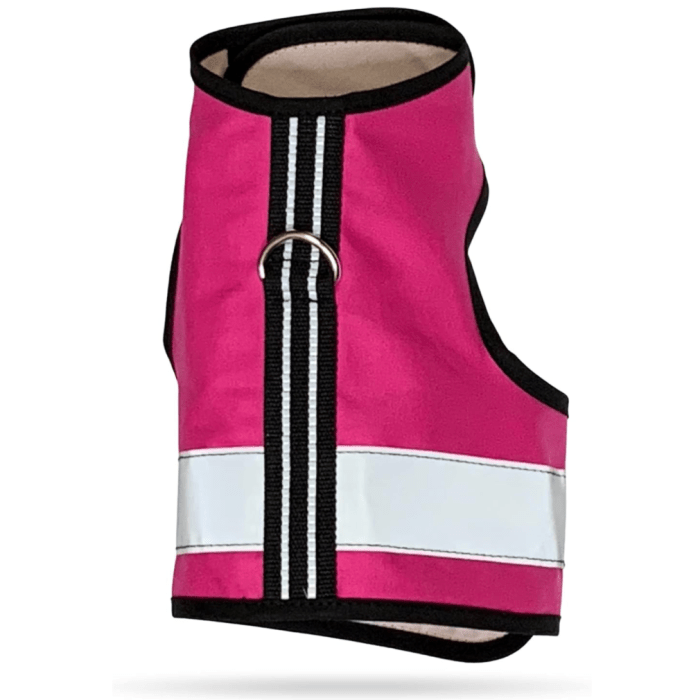
- Vest Harnesses: These harnesses resemble miniature dog vests, covering a large portion of the cat’s chest. They’re typically made from soft, padded materials like nylon or neoprene. Vest harnesses offer excellent security and are often considered the most comfortable option, especially for cats who dislike feeling constricted.
- Figure-Eight Harnesses: Also known as H-style harnesses, these feature two straps that form a figure-eight shape around the cat’s body. They’re generally lightweight and easy to put on and take off. However, they can be less secure than vest harnesses, as cats can sometimes wiggle out of them.
- H-Style Harnesses: Similar to figure-eight harnesses, H-style harnesses have a distinct “H” shape with two straps around the chest and one around the neck. They offer a balance between security and comfort, but proper fitting is essential to prevent escapes.
- Bungee Harnesses: These harnesses incorporate a bungee cord section into the leash attachment, providing some give and shock absorption. This can be beneficial for cats who tend to lunge or pull, reducing the strain on both the cat and the owner. However, the bungee cord can also pose a safety risk if it fails.
- Step-In Harnesses: These harnesses resemble a small vest with an opening that the cat steps into. They’re often made from soft, breathable materials and are relatively easy to put on. However, some cats may find them restrictive or uncomfortable.
| Type | Comfort | Security | Price |
|---|---|---|---|
| Vest Harness | High | High | $15 – $35 |
| Figure-Eight Harness | Medium | Medium | $8 – $20 |
| H-Style Harness | Medium | Medium | $10 – $25 |
| Bungee Harness | Medium | Medium | $12 – $30 |
| Step-In Harness | Medium | Medium | $10 – $25 |
For calm, relaxed cats, a figure-eight or H-style harness might suffice. More adventurous or escape-prone cats will benefit from the added security of a vest harness. Cats who tend to lunge could benefit from the shock absorption of a bungee harness, but careful monitoring is essential. Step-in harnesses are often a good choice for cats who dislike having things put over their heads.
Materials Matter: What to Look For
The materials used in a kitty harness significantly impact its durability, breathability, and your cat’s comfort. Choosing the right materials is crucial for ensuring a harness that lasts and doesn’t irritate your feline friend. Let’s examine the common materials and what to consider.
- Nylon: A popular choice due to its durability and affordability. Nylon harnesses are generally easy to clean and resistant to wear and tear. However, they can be less breathable than other materials.
- Polyester: Similar to nylon, polyester is durable and relatively inexpensive. It’s also resistant to fading and shrinking.
- Mesh: Mesh harnesses are highly breathable, making them ideal for warmer climates or cats who tend to overheat. However, mesh can be less durable than nylon or polyester and may be prone to tearing.
- Neoprene: Often used in vest harnesses, neoprene is a soft, flexible material that provides cushioning and insulation. It’s also water-resistant, making it a good choice for outdoor adventures.
Consider your cat’s allergies when selecting materials. Some cats are allergic to certain dyes or fabrics. If your cat has sensitive skin, opt for harnesses made from hypoallergenic materials like organic cotton or bamboo. Always check the product description for material composition.
When inspecting a harness, pay close attention to the stitching and hardware. Look for tight, even stitching with no loose threads. The buckles and clips should be made from sturdy metal and operate smoothly. Avoid harnesses with flimsy plastic hardware, as these are more likely to break.
Fit is Crucial: Ensuring a Secure and Comfortable Harness
A poorly fitted harness can be uncomfortable, restrictive, and even dangerous for your cat. An accurate measurement is the first step towards a secure and comfortable fit. Here’s a step-by-step guide on how to measure your cat for a harness:
- Neck Girth: Measure the circumference of your cat’s neck where a collar would normally sit.
- Chest Girth: Measure the circumference of your cat’s chest just behind their front legs. This is the widest part of their chest.
- Back Length (Optional): Some harnesses require a back length measurement, which is the distance from the base of the neck to the base of the tail.
Common fitting mistakes include choosing a harness that’s too tight or too loose. A harness that’s too tight can restrict your cat’s movement and cause discomfort. A harness that’s too loose can easily slip off. A correctly fitted harness should be snug but not restrictive, allowing for a full range of motion. You should be able to comfortably fit two fingers between the harness and your cat’s body.
Visual Guide: Imagine a correctly fitted harness. Your cat should be able to move freely without the harness digging into their skin or restricting their breathing. Their fur should lay naturally, and they shouldn’t appear hunched or uncomfortable. An incorrectly fitted harness, on the other hand, might cause your cat to walk with a stiff gait, their fur to be matted or ruffled, and their posture to appear strained.
The harness might also be visible bulging or pinching at certain points.
Top Harness Recommendations: Detailed Reviews
Finding the perfect harness can be a challenge, so we’ve compiled a list of highly-rated options to help you make an informed decision. Here are five top recommendations, with detailed reviews to guide your choice.
| Brand | Model | Price | Key Features | Pros | Cons |
|---|---|---|---|---|---|
| Rabbitgoo | Cat Harness and Leash Set | $20 – $30 | Vest-style, adjustable straps, escape-proof design, reflective stitching | Comfortable, secure, easy to adjust, good visibility | Some cats may dislike the vest style |
| PetSafe | Come With Me Kitty Harness | $15 – $25 | H-style, adjustable straps, quick-release buckles | Easy to put on and take off, lightweight, affordable | Less secure than vest harnesses |
| Emakof | Cat Harness with Leash | $18 – $28 | Figure-eight design, breathable mesh, adjustable straps | Lightweight, breathable, comfortable for warm weather | May not be suitable for strong pullers |
| Muffin’s Halo | Cat Harness and Leash Set | $30 – $45 | Unique halo design, adjustable straps, escape-proof | Provides a sense of security for cats, prevents them from darting into traffic | Can be more expensive than other options |
| Voyager Step-In | Step-In Cat Harness | $12 – $22 | Step-in design, soft fabric, adjustable straps | Easy to put on, comfortable for cats who dislike headgear | May not be as secure as other harness types |
User feedback consistently praises the Rabbitgoo harness for its comfort and escape-proof design. The PetSafe Come With Me Kitty Harness is a popular choice for its ease of use, while the Emakof harness receives high marks for its breathability. The Muffin’s Halo harness is particularly well-regarded for its unique design and ability to provide a sense of security. The Voyager Step-In harness is often recommended for cats who are sensitive to having things put over their heads.
Training Your Cat to Wear a Harness
Introducing a harness to your cat requires patience and a gradual approach. Rushing the process can lead to stress and resistance. Here’s a step-by-step guide to help your cat become comfortable with wearing a harness:
- Scent Introduction: Leave the harness near your cat’s favorite resting spot for a few days, allowing them to get used to its scent.
- Brief Exposure: Briefly put the harness on your cat for a few seconds, then immediately reward them with a treat and praise.
- Gradual Increase: Gradually increase the amount of time your cat wears the harness, rewarding them each time.
- Indoor Walks: Once your cat is comfortable wearing the harness indoors, start with short walks around your home.
- Outdoor Exploration: Gradually introduce your cat to the outdoors, starting with short, supervised sessions in a safe, enclosed area.
Positive reinforcement is key to successful harness training. Use treats, praise, and gentle petting to reward your cat for cooperating. If your cat refuses to wear the harness, don’t force it. Try again later. If your cat pulls excessively, try a different harness type or consult with a veterinarian or certified cat behaviorist.
Safety Considerations for Harness Walks
Taking your cat for a walk can be a rewarding experience, but it’s important to be aware of potential hazards. Outdoor environments present risks that indoor spaces don’t. Let’s discuss safety precautions for harness walks.
- Traffic: Always be aware of traffic and keep your cat close to you.
- Predators: Be mindful of potential predators, such as dogs or coyotes.
- Poisonous Plants: Avoid areas with poisonous plants that your cat might ingest.
- Secure Leash and Clip: Use a sturdy leash and clip that won’t easily break or detach.
- Startled Cat: If your cat becomes startled, remain calm and try to reassure them. Don’t pull on the leash, as this could cause injury.
- Safe Walking Routes: Choose quiet, low-traffic routes with minimal distractions.
Harnesses for Specific Needs
Not all cats have the same needs. Certain harness designs cater to specific challenges or conditions. Here’s a look at harnesses designed for senior cats, anxious cats, and cats with medical conditions.
Senior Cats with Mobility Issues: Look for harnesses with supportive padding and adjustable straps to provide stability and reduce strain on their joints. Anxious Cats: Consider harnesses with a snug, secure fit that minimizes movement and provides a sense of security. Cats with Medical Conditions: Choose harnesses that accommodate medical devices or sensitivities, such as harnesses made from hypoallergenic materials or with adjustable straps to avoid pressure on sensitive areas.
Maintenance and Care
Proper maintenance will extend the lifespan of your kitty harness and ensure its continued safety and comfort. Here’s how to care for your harness:
- Cleaning: Most harnesses can be hand-washed with mild soap and water. Avoid harsh chemicals or bleach.
- Inspection: Regularly inspect the harness for wear and tear, such as loose threads, frayed edges, or damaged buckles.
- Storage: Store the harness in a cool, dry place when not in use.
Budget-Friendly Options vs. Premium Harnesses
The price of kitty harnesses can vary significantly, from budget-friendly options to premium models. Understanding the trade-offs between price and quality is essential for making the right choice. Budget-friendly harnesses often use less durable materials and may lack advanced features. Premium harnesses, on the other hand, are typically made from high-quality materials, offer superior comfort and security, and may include features like reflective stitching or escape-proof designs.
| Price Range | Durability | Features | Comfort | Overall Value |
|---|---|---|---|---|
| $10 – $20 | Moderate | Basic | Fair | Good for occasional use |
| $20 – $40 | Good | Moderate | Good | Excellent for regular use |
| $40+ | Excellent | Advanced | Excellent | Worth the investment for serious outdoor adventurers |
For budget-conscious owners, a basic harness from a reputable brand can be a good starting point. However, if you plan to take your cat on frequent outdoor adventures, investing in a higher-end harness is likely worth the cost.
Conclusive Thoughts
Navigating the world of kitty harnesses can feel overwhelming, but with a little knowledge and patience, you can find the perfect fit for your feline companion. Whether you’re dealing with a curious explorer, a senior cat needing extra support, or simply want to provide supervised outdoor time, there’s a harness out there to meet your needs. Remember, proper fit, gradual training, and safety precautions are key to a successful and enjoyable experience for both you and your cat.
So, gear up, get ready to explore, and enjoy the journey!
FAQ Corner
How do I introduce my cat to a harness if they’re terrified?
Start slow! Let them sniff and investigate the harness. Put it on for very short periods (a few minutes) while giving treats and praise. Gradually increase the time as they become more comfortable. Never force it!
Can I use a dog harness for my cat?
While some smaller dog harnesses
-might* fit, they’re generally not designed for a cat’s anatomy. Cat harnesses are specifically shaped to allow for a full range of motion and prevent escape.
What’s the difference between a figure-eight and an H-style harness?
Figure-eight harnesses distribute pressure across the chest and shoulders, while H-style harnesses offer more coverage and can be more secure for escape artists. It depends on your cat’s build and personality.
How often should I wash my cat’s harness?
It depends on how often they wear it and how dirty it gets! Generally, washing every 1-2 weeks is a good idea, especially if they’ve been rolling around in the dirt.
My cat keeps backing out of the harness – what can I do?
Double-check the fit! It might be too loose. Also, try a different harness style – some cats prefer vests, while others do better with figure-eights. Positive reinforcement during training is also crucial.
Are reflective harnesses worth it?
Absolutely! Reflective harnesses are a great safety feature, especially if you plan on walking your cat near roads or during low-light conditions.

