More and more cat owners are recognizing the joys of letting their feline friends explore the outdoors safely. While free-roaming can seem idyllic, it poses serious risks to your cat’s well-being. Cat harnesses offer a fantastic solution, allowing supervised outdoor time while minimizing dangers like traffic, predators, and getting lost. From early, basic designs to today’s innovative options, harnesses have evolved to prioritize both safety and comfort.
But with so many choices, finding the best cat harness can feel overwhelming!

This guide dives deep into everything you need to know about cat harnesses – from the different types and materials to proper fitting, training techniques, and essential safety features. We’ll explore the pros and cons of each option, helping you make an informed decision that keeps your kitty happy and secure on their outdoor escapades.
Introduction: The Rise of Cat Harnesses
For years, the image of a cat was synonymous with indoor living – a cozy life within four walls. But times are changing. More and more cat owners are recognizing the benefits of allowing their feline companions supervised outdoor exploration. This shift has fueled a surge in popularity for cat harnesses, transforming them from a niche product to a mainstream accessory for responsible cat ownership.
It’s a move driven by a desire to enrich a cat’s life while prioritizing their safety.
The decision to use a harness instead of allowing a cat to roam freely is a significant one, often stemming from concerns about traffic, predators, and the potential for getting lost. Free-roaming cats face numerous dangers, and harnesses offer a controlled way to introduce them to the sights, sounds, and smells of the outdoors. While harnesses aren’t without their potential drawbacks – some cats dislike them, and improper use can still pose risks – the safety benefits often outweigh the challenges for many owners.
Early cat harnesses were often bulky and uncomfortable, resembling dog harnesses adapted for smaller bodies. Modern innovations have led to a wide variety of designs, materials, and features, specifically tailored to the unique anatomy and behavior of cats. From lightweight mesh vests to secure figure-eight designs, the evolution of the cat harness reflects a growing understanding of feline needs and a commitment to providing safe and enjoyable outdoor experiences.
Types of Cat Harnesses: A Comprehensive Overview
Choosing the right harness can feel overwhelming with so many options available. Each type offers different levels of security, comfort, and suitability for various cat personalities. Understanding the nuances of each design is crucial for ensuring a positive experience for your feline friend.
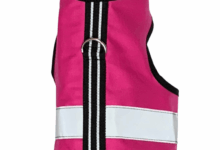
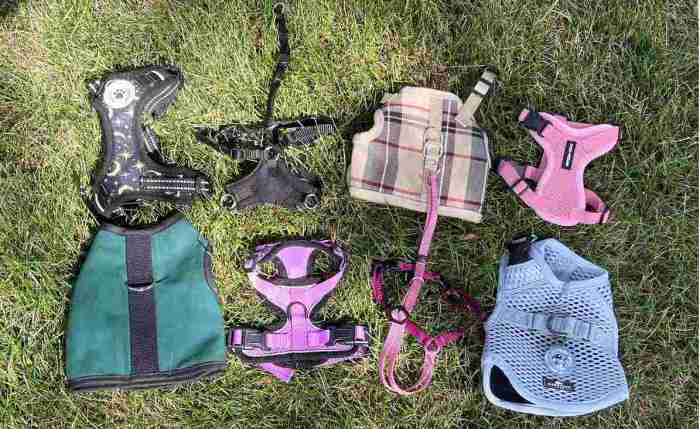
- Vest Harnesses: These harnesses resemble miniature dog vests, wrapping around the cat’s chest and torso. They are generally considered very secure, as they distribute pressure across a larger area, making it harder for a cat to slip out. The construction typically involves a durable outer fabric (often nylon or polyester) with a soft inner lining for comfort. They are a good choice for cats who tend to pull or are prone to escaping.
- H-Style Harnesses: Named for their shape, H-style harnesses feature two straps that go around the neck and chest, connecting to form an “H” shape on the cat’s back. They offer a balance of security and freedom of movement. The straps are usually adjustable, allowing for a customized fit. They are a popular choice for cats who are moderately active and enjoy exploring.
- Figure-Eight Harnesses: These harnesses are characterized by their distinctive figure-eight design, with straps crossing on the cat’s back. They are lightweight and relatively easy to put on and take off. While they offer good mobility, they can be less secure than vest harnesses, particularly for escape artists.
- Bungee Harnesses: Bungee harnesses incorporate an elastic cord into the leash attachment. This elasticity provides a degree of shock absorption, reducing the impact on both the cat and the owner when the cat suddenly pulls or darts. They are useful for cats who are naturally curious and tend to explore quickly, but the bungee cord can also add to the risk of injury if not used carefully.
| Harness Type | Escape-Proof Rating | Comfort Level | Durability | Price Range |
|---|---|---|---|---|
| Vest Harness | High | Moderate to High | High | $20 – $45 |
| H-Style Harness | Moderate | High | Moderate | $15 – $35 |
| Figure-Eight Harness | Low to Moderate | High | Moderate | $10 – $25 |
| Bungee Harness | Moderate | Moderate | Moderate | $18 – $38 |
Materials Matter: Construction and Durability
The longevity and performance of a cat harness are heavily influenced by the materials used in its construction. Choosing a harness made from high-quality materials is an investment in your cat’s safety and comfort. Different materials offer varying degrees of durability, comfort, and weather resistance.
- Nylon: A common choice for harness straps, nylon is strong, durable, and relatively inexpensive. However, it can be prone to abrasion and may not be as comfortable as softer materials.
- Polyester: Similar to nylon, polyester is durable and resistant to stretching and shrinking. It often has a slightly softer feel than nylon.
- Mesh: Mesh panels are frequently incorporated into harnesses for breathability and ventilation, particularly in warmer climates. While comfortable, mesh can be less durable than solid fabrics and may be susceptible to tearing.
- Neoprene: Often used for padding and lining, neoprene provides cushioning and insulation. It’s water-resistant and comfortable against the skin, making it a good choice for cats with sensitivities.
Stitching quality is paramount. Poorly stitched seams are a weak point and can quickly unravel, compromising the harness’s integrity. Look for harnesses with reinforced stitching, especially at stress points. The hardware – buckles and D-rings – should be made of metal (stainless steel or aluminum are preferred) for maximum strength and durability. Plastic buckles are lighter but less robust and may break under pressure.
In rainy conditions, nylon and polyester will dry relatively quickly, while neoprene can retain moisture. Mesh can become waterlogged and uncomfortable. In hot weather, harnesses with mesh panels will provide better ventilation than those made entirely of nylon or polyester.
Fit and Sizing: Ensuring a Secure and Comfortable Experience
A poorly fitted harness can be uncomfortable, restrict movement, and even pose a safety hazard. Accurate measurements are the foundation of a good fit. A harness that is too loose can allow a cat to slip out, while one that is too tight can cause chafing and discomfort.
To properly measure your cat, use a soft measuring tape. Measure the circumference of the neck where the harness will sit, and the circumference of the chest just behind the front legs. It’s best to have someone assist you to ensure accurate measurements. Don’t pull the tape too tight, but also ensure it’s snug enough to get a reliable reading.
Common sizing mistakes include relying solely on weight estimates and neglecting to account for variations in body shape. Always prioritize measurements over weight when selecting a harness size. Harness adjustability is key. Look for harnesses with multiple adjustment points to fine-tune the fit and ensure a comfortable and secure experience.
| Size | Weight Range | Neck Girth (inches) | Chest Girth (inches) |
|---|---|---|---|
| Small | 5 – 8 lbs | 8 – 12 | 12 – 16 |
| Medium | 9 – 14 lbs | 12 – 16 | 16 – 20 |
| Large | 15+ lbs | 16+ | 20+ |
Safety Features: Minimizing Risks During Outdoor Adventures
Safety should be the top priority when choosing a cat harness. Several features contribute to minimizing risks during outdoor excursions. Escape-proof designs, secure closures, and reflective materials are all essential components of a safe harness.
Escape-proof harnesses typically incorporate multiple layers of fabric, reinforced stitching, and strategically placed buckles to prevent cats from wriggling free. Secure buckles and closures are crucial; they should be durable and easy to fasten, but also difficult for a cat to accidentally open. Reflective materials enhance nighttime visibility, making it easier for drivers and pedestrians to see your cat. A properly fitted harness prevents choking or injury by distributing pressure evenly and allowing for a full range of motion.
Imagine a scenario: it’s dusk, and you’re walking your cat along a quiet street. A car rounds the corner, and the driver, despite being cautious, momentarily struggles to see your cat in the fading light. However, the reflective strips on the harness catch the car’s headlights, instantly making your cat visible and preventing a potential accident.
Training Your Cat to Wear a Harness
Introducing a harness to a cat requires patience and a gradual approach. Rushing the process can lead to anxiety and resistance. Positive reinforcement is the key to success.
Start by simply letting your cat sniff and investigate the harness. Reward them with treats and praise for showing interest. Next, briefly place the harness on your cat for a few seconds, gradually increasing the duration over several days. Always associate the harness with positive experiences, such as playtime or treats. If your cat shows signs of resistance or anxiety, such as hissing or struggling, remove the harness and try again later.
“The most important thing is to make the harness a positive experience for your cat. Don’t force them to wear it if they’re clearly uncomfortable. Short, frequent sessions with lots of praise and treats are much more effective than long, stressful ones.”Dr. Emily Carter, Certified Cat Behaviorist
Top Picks: Recommended Harnesses for Different Needs
Selecting the ideal harness depends on your cat’s individual personality and lifestyle. Here are a few recommendations to suit various needs.
- For Escape Artists: The Rabbitgoo Cat Harness and Leash Set is a popular choice. Its six adjustable straps and secure buckles make it incredibly difficult for even the most determined escape artists to wriggle free.
- For Cats with Sensitive Skin: The PupTeck Cat Harness is made with a soft, breathable mesh fabric and padded lining, minimizing irritation and discomfort.
- For Active or Adventurous Cats: The Voyager Step-in Air Harness is durable and lightweight, designed to withstand rigorous activity.
- For Kittens: The Kitty Holster Cat Harness is a lightweight and adjustable option, perfect for kittens who are just starting to explore the outdoors.
| Brand | Model | Key Features | Price |
|---|---|---|---|
| Rabbitgoo | Cat Harness and Leash Set | 6 Adjustable Straps, Secure Buckles, Escape-Proof Design | $25 |
| PupTeck | Cat Harness | Soft Mesh Fabric, Padded Lining, Breathable | $20 |
| Voyager | Step-in Air Harness | Durable, Lightweight, Easy to Put On | $30 |
| Kitty Holster | Cat Harness | Lightweight, Adjustable, Comfortable | $18 |
Maintenance and Care: Extending the Life of Your Harness
Proper maintenance will extend the life of your cat’s harness and ensure its continued safety and effectiveness. Regular cleaning and inspection are essential.
Most cat harnesses can be hand-washed with mild soap and water. Rinse thoroughly and allow to air dry completely. Avoid using harsh detergents or putting the harness in the washing machine or dryer. Regularly inspect the harness for signs of wear and tear, such as loose stitching, frayed straps, or damaged buckles. Minor damage, such as loose stitching, can often be repaired with a needle and thread.
Store the harness in a cool, dry place when not in use.
- Weekly: Inspect buckles and straps for any signs of wear.
- Monthly: Wash the harness if it’s visibly dirty.
- Seasonally: Thoroughly inspect all seams and stitching.
Addressing Common Concerns and FAQs
Source: cats.com
Many cat owners have concerns about using harnesses. Addressing these concerns can help ensure a positive experience for both the owner and the cat.
Concerns about harness discomfort can be mitigated by choosing a harness made from soft, breathable materials and ensuring a proper fit. When selecting a harness, consider your cat’s age and health condition. Kittens and senior cats may require harnesses with extra padding and adjustability. If your cat consistently pulls on the leash, try using a longer leash or practicing loose-leash walking techniques.
When walking your cat in different environments, be mindful of potential hazards such as traffic, other animals, and poisonous plants.
Imagine this: you’re walking your cat in a park when a squirrel suddenly darts across the path. Your cat, startled, instinctively lunges forward, pulling on the leash. However, the secure harness prevents them from escaping and running into the street, averting a potentially dangerous situation.
Conclusive Thoughts
Ultimately, choosing the best cat harness is about finding the perfect balance of safety, comfort, and durability for
-your* cat. Whether you’re dealing with an escape artist, a sensitive kitty, or an adventurous explorer, there’s a harness out there to suit their needs. By understanding the different types, materials, and fitting considerations, you can confidently equip your feline friend for safe and enriching outdoor experiences, creating lasting memories and strengthening your bond.
Remember, patience and positive reinforcement are key when introducing your cat to a harness. With the right approach, you can unlock a whole new world of exploration for your beloved companion!
Commonly Asked Questions
How do I know what size harness to get?
Accurate measurements are crucial! Use a soft measuring tape to measure your cat’s neck and chest girth. Refer to sizing charts (like the one in our guide) and always err on the side of slightly looser rather than too tight.
My cat hates wearing a harness – what can I do?
Start slow! Introduce the harness gradually, letting your cat sniff and investigate it. Reward them with treats and praise for positive interactions. Short, supervised sessions are key to building positive associations.
Are all harnesses escape-proof?
Not necessarily. “Escape-proof” harnesses are designed with secure closures and snug fits, but determined cats can sometimes find a way out. Look for harnesses with multiple adjustment points and robust buckles.
Can I use a dog harness for my cat?
While it might seem convenient, dog harnesses are often too bulky and ill-fitting for cats. Cat harnesses are specifically designed for their smaller size and unique anatomy.
How often should I wash my cat’s harness?
It depends on usage and your cat’s habits. Generally, washing every 2-4 weeks is a good idea. Check the manufacturer’s instructions for specific cleaning recommendations.
What if my cat pulls excessively on the leash?
Consistent training is essential. Use positive reinforcement to reward loose-leash walking. Consider a harness with a front clip, which can help redirect your cat’s pulling behavior.

