There’s something undeniably endearing about a cat with shorter-than-average legs! It’s a trait that’s captured the hearts of many, leading to the development of several unique and adorable breeds. This guide dives into the fascinating world of cat breeds with short legs, exploring their origins, genetics, health considerations, and why they’ve become so popular. We’ll journey from the well-known Munchkin to the lesser-seen breeds, uncovering the charm and quirks that make these little “shorties” so special.
The prevalence of short legs in cats isn’t just a recent phenomenon; it’s rooted in genetic mutations and, in some cases, deliberate breeding practices. Understanding the science behind these adorable proportions helps us appreciate the unique characteristics of these breeds and the ethical considerations surrounding their development. For instance, I remember seeing a Munchkin kitten at a local cat show – its tiny legs didn’t seem to slow it down at all! It was zipping around, playing with a toy mouse, and utterly captivating everyone in the room.
Short-Legged Cat Breeds: A Guide to Adorable Little Legs
There’s something undeniably charming about a cat with shorter-than-average legs. It’s a trait that’s captured the hearts of many cat lovers, leading to the development and popularity of several unique breeds. But what makes short legs desirable? And what’s the science behind these adorable little limbs? This guide explores the world of short-legged cat breeds, delving into their history, characteristics, and care requirements.
We’ll cover everything from the iconic Munchkin to lesser-known breeds, providing a comprehensive look at these captivating felines.
The appeal of short legs isn’t just about aesthetics. Many find the resulting waddling gait and compact stature endearing. Genetically, shorter leg lengths are typically caused by a dominant mutation affecting bone growth. This mutation often results in shorter limb bones, leading to the characteristic short legs. It’s a fascinating example of how a single genetic change can dramatically alter a cat’s appearance and movement.
I remember seeing a Munchkin at a local cat show a few years ago – it was so tiny and its legs were so short, it looked like a little loaf of bread waddling around! It instantly stole the show and everyone was captivated by its unique charm.
The Munchkin Breed: The Original Shortie
The Munchkin breed is arguably the most well-known short-legged cat breed. Its history is a fascinating tale of accidental discovery. The breed’s origins trace back to the 1980s when a litter of kittens was born to a feral cat in Louisiana. One of the kittens, nicknamed “Sparky,” had unusually short legs. Sparky was bred with other domestic cats, and the short-legged trait began to appear in subsequent generations, eventually leading to the formal recognition of the Munchkin breed.
The Munchkin breed has faced considerable controversy since its emergence. Ethical concerns revolve around the potential health implications of the short-legged mutation. Some critics argue that the mutation can lead to spinal problems and other musculoskeletal issues, raising questions about the welfare of Munchkin cats. Breeders, however, maintain that responsible breeding practices and careful health screening can minimize these risks.
The debate continues, highlighting the importance of ethical considerations in breeding any animal.
| Characteristic | Munchkin vs. Average Cat |
|---|---|
| Height (Adult) | 6-8 inches (significantly shorter) |
| Weight (Adult) | 6-9 pounds (similar to average) |
| Leg Length | Significantly shorter (ranging from 2-4 inches) |
| Body Type | Often described as “cobby” or compact |
Munchkins are known for their playful and affectionate personalities. They are often described as curious, intelligent, and energetic. Despite their short legs, they are surprisingly agile and enjoy playing with toys and exploring their surroundings. They are also known to be very social and get along well with children and other pets. Their playful nature and affectionate demeanor make them wonderful companions.
Scottish Kiltie Cats: A Scottish Delight
The Scottish Kiltie cat breed is a relatively new breed, developed in the 1990s in Scotland. It emerged from a breeding program aimed at combining the short legs of the Munchkin with the folded ears of the Scottish Fold. The goal was to create a cat with both of these distinctive features. The breed’s development is closely linked to the Scottish Fold, as the folded ear trait is a key characteristic inherited from that breed.
While both Scottish Kilties and Scottish Folds share a common ancestry and the folded ear trait, their leg lengths differ significantly. Scottish Kilties, as intended, possess short legs inherited from the Munchkin, while Scottish Folds have standard-length legs. The ear shape is the most obvious distinguishing feature, but the body structure and overall appearance also differ slightly. Kilties tend to be more compact and stocky due to the influence of the Munchkin genetics.
Imagine a Scottish Kiltie: a compact, sturdy cat with a plush coat that can come in a variety of patterns, including tabby, tortoiseshell, and solid colors. Their eyes are typically large and round, ranging in color from gold to green. The folded ears, of course, are a defining feature, adding to their unique and charming appearance. The combination of short legs and folded ears creates a truly distinctive and endearing look.
Like Scottish Folds, Scottish Kilties are predisposed to osteochondrodysplasia, a degenerative joint disease. Responsible breeders screen for this condition to minimize the risk of affected kittens. Regular veterinary checkups and a healthy diet are also essential for maintaining their overall health and well-being.
Napoleon Cats: A Plush Companion
Napoleon cats are a relatively recent breed, created by crossing Persian and Munchkin cats. The goal was to combine the luxurious coat and sweet temperament of the Persian with the short legs of the Munchkin. The resulting breed is a delightful blend of these two distinct characteristics, creating a truly unique and appealing feline.
Napoleon cats are instantly recognizable by their plush, long coat and short legs. They have a round face, large, expressive eyes, and a cobby body type. Their coat comes in a variety of colors and patterns, adding to their visual appeal. The combination of their short legs and fluffy coat gives them a teddy bear-like appearance, making them incredibly endearing.
Napoleon cats are known for their gentle and affectionate personalities. They are typically calm, docile, and enjoy cuddling with their owners. They are also playful and enjoy interactive toys, despite their short legs. Their laid-back temperament and affectionate nature make them excellent family pets, particularly for those seeking a calm and loving companion.
- Daily Brushing: Essential to prevent mats and tangles in their long coat.
- Regular Baths: Help keep their coat clean and healthy.
- Nail Trimming: To prevent scratches and injuries.
- Ear Cleaning: To prevent ear infections.
- Dental Care: Regular brushing to maintain good oral hygiene.
American Curl with Short Legs: A Unique Combination
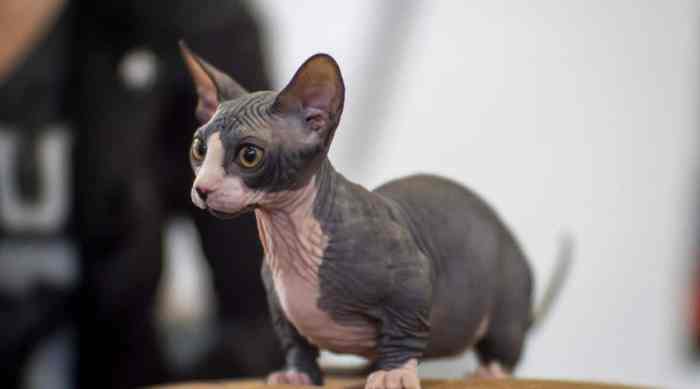
Source: loveyourcat.com
The American Curl breed is known for its distinctive curled-back ears, a trait caused by a dominant gene. Combining this unique ear shape with short legs creates an even more striking and unusual feline. The result is a cat that is both visually captivating and undeniably charming.
The creation of American Curl cats with shorter legs involved selective breeding, pairing American Curls with Munchkins over several generations. Breeders carefully selected for both the ear curl and the short leg trait, gradually establishing the short-legged American Curl as a distinct variation within the breed. This process requires careful planning and a deep understanding of genetics.
Combining the ear curl and short leg traits can potentially lead to musculoskeletal issues, although responsible breeders strive to minimize these risks through careful selection and health screening. It’s crucial to ensure that any breeder prioritizes the health and well-being of their cats above all else.
American Curls are known for their friendly and outgoing personalities. They are playful, curious, and enjoy interacting with their owners. Their expressive eyes and curled ears, combined with their short legs, create a truly unique and endearing appearance that perfectly complements their playful and affectionate nature.
Other Breeds with Shorter Legs (Less Common)
While Munchkins, Scottish Kilties, Napoleons, and American Curls with short legs are the most well-known breeds exhibiting shorter-than-average legs, other cat breeds occasionally display this trait. This can be due to spontaneous mutations or recessive genes. These instances are less consistent and not a defining characteristic of the breed.
| Breed | Typical Leg Length Description | Other Notable Features |
|---|---|---|
| Japanese Bobtail | Sometimes exhibit slightly shorter legs than average | Distinctive bobbed tail, energetic and playful |
| Manx | Can have varying leg lengths, some with shorter limbs | Lack of a tail (or a very short tail), round body |
| Selkirk Rex | Occasionally display shorter legs | Curly coat, gentle and affectionate |
The genetic factors contributing to shorter legs in these less common breeds are likely varied and not fully understood. Spontaneous mutations affecting bone growth are a possible explanation, as are recessive genes that may occasionally surface in certain lineages.
Caring for Short-Legged Cats: Specific Needs
Short-legged cats, particularly those with mutations affecting bone growth, may be predisposed to certain health concerns, such as spinal issues and arthritis. Regular veterinary checkups are essential for early detection and management of these conditions. It’s important to monitor their mobility and report any signs of discomfort or pain to a veterinarian.
Creating a safe and accessible environment is crucial for short-legged cats. Providing ramps or steps to help them reach favorite spots, such as windowsills or beds, can minimize strain on their joints. Soft bedding and avoiding slippery surfaces can also contribute to their comfort and well-being.
Appropriate exercise and play routines are important for maintaining muscle strength and joint flexibility. Gentle play sessions with interactive toys can help keep them active without putting excessive stress on their legs. Avoid activities that involve jumping or climbing to high places.
Essential preventative care measures for short-legged cats include regular veterinary checkups, a balanced diet, appropriate exercise, and a safe and accessible environment. Early detection and management of any health concerns are crucial for ensuring a long and happy life.
Visualizing Short-Legged Cats: Descriptive Imagery
Imagine a Munchkin cat, its short legs a blur of motion as it playfully bats at a feather toy. Its body is low to the ground, its tail swishing with excitement, and its eyes are wide with concentration. The waddling gait is endearing, and the overall impression is one of boundless energy and charm.
Picture a Napoleon cat curled up asleep on a plush blanket. Its long, fluffy coat creates a cloud-like appearance, and its short legs are tucked neatly beneath its body. The compact size and soft texture evoke a sense of warmth and comfort, making it irresistible to cuddle.
Envision a Scottish Kiltie cat exploring a lush garden. Its unique folded ears are perked up, listening to the sounds of nature, and its short legs carry it confidently across the grass. The combination of its distinctive features and playful demeanor creates a captivating scene.
Visualize an American Curl with short legs perched on a windowsill, observing the outside world. Its curled ears are alert, and its eyes are fixed on the sights and sounds beyond. The unique combination of physical traits and curious nature makes it a fascinating and endearing companion.
Breed Comparisons: Short-Legged vs. Standard Legged
Short-legged cats generally exhibit reduced agility and movement capabilities compared to standard-legged cats. Their shorter limbs limit their stride length and overall speed, affecting their ability to navigate obstacles and perform complex movements.
The impact of leg length on a cat’s ability to jump and climb is significant. Short-legged cats typically have a reduced jumping range and may struggle to reach high places. Climbing can also be more challenging, requiring more effort and coordination.
| Characteristic | Short-Legged Cats | Standard-Legged Cats | Impact on Lifestyle |
|---|---|---|---|
| Agility | Reduced | Greater | May require modifications to the home environment |
| Jumping Ability | Limited | Extensive | May not be able to reach high places |
| Climbing Ability | More Challenging | Easier | May require assistance to reach elevated areas |
| Speed | Slower | Faster | May be less adept at catching prey |
Breeders select for short legs by carefully mating individuals with the desired trait over multiple generations. This process can sometimes lead to trade-offs, as the focus on a specific physical characteristic may inadvertently affect other aspects of the cat’s health or temperament. Responsible breeders prioritize overall health and well-being while striving to maintain the breed’s distinctive features.
The Appeal of Short-Legged Cats: Why People Love Them
Short-legged cats are considered endearing and appealing for a variety of reasons. Their unique appearance, playful personalities, and charming waddling gait all contribute to their irresistible appeal. There’s something undeniably cute about these little cats with their short legs and expressive eyes.
I’ve heard countless stories from owners of short-legged cats about the special bond they share. Many describe their cats as being particularly affectionate and devoted, forming strong attachments to their human companions. The unique appearance often leads to a heightened sense of connection and appreciation.
Social media has played a significant role in popularizing short-legged cat breeds. Images and videos of these adorable felines often go viral, captivating audiences worldwide and further fueling their popularity. The internet has created a community of short-legged cat lovers, sharing their experiences and celebrating the unique charm of these breeds.
- Adorable
- Charming
- Unique
- Playful
- Affectionate
- Endearing
- Cute
- Quirky
End of Discussion
From the playful Munchkin to the plush Napoleon and the uniquely shaped Scottish Kiltie, cat breeds with short legs offer a delightful twist on the feline form. While there are important health and ethical considerations to keep in mind, the appeal of these charming companions is undeniable. Whether you’re a seasoned cat lover or just starting your journey into the world of feline breeds, exploring these short-legged wonders is sure to bring a smile to your face and a newfound appreciation for the diversity within the cat kingdom.
Ultimately, these breeds remind us that sometimes, the most endearing qualities come in the smallest packages.
Helpful Answers
Are short-legged cats always healthy?
Not necessarily. While many are healthy, short legs can be associated with spinal issues like Lordosis, so responsible breeding and regular vet checkups are crucial.
What’s the controversy surrounding Munchkins?
The main concern revolves around the potential for health problems caused by the genetic mutation responsible for their short legs. Ethical breeders prioritize health and temperament above all else.
Do short-legged cats have trouble jumping?
They may not jump as high as standard-legged cats, but they can still be surprisingly agile. Their jumping ability varies depending on the breed and individual cat.
How much grooming do Napoleon cats need?
Their long, plush coats require regular brushing – ideally daily – to prevent mats and tangles. Bathing is typically only needed a few times a year.
What is Lordosis in cats?
Lordosis is a spinal deformity where the spine curves abnormally inward. It can cause pain, breathing difficulties, and other health problems, and is a concern in some short-legged breeds.
Can American Curl cats with short legs have ear problems?
While the ear curl itself isn’t typically problematic, combining it with short legs could potentially impact head and neck mobility, so careful breeding is essential.
Are short-legged cats more prone to arthritis?
There’s no definitive evidence, but the altered biomechanics could potentially increase the risk. Maintaining a healthy weight and providing joint support supplements (as recommended by a vet) can be beneficial.

