Have you ever seen a cat with adorably short legs and wondered about their story? These unique felines, often referred to as short-legged cats, are captivating a growing number of cat lovers. From their quirky gait to their distinct personalities, there’s a lot to discover about these breeds. We’ll dive into the genetics, history, and care of Munchkin, Kinkalow, and American Curl Kinkalow cats, exploring what makes them so special.
The phenomenon of short legs in cats isn’t just a cute quirk; it’s rooted in fascinating genetic mutations. Understanding these mutations, and how they impact bone development, is key to appreciating these breeds. Historically, these breeds are relatively new, with the Munchkin being the pioneer, and subsequent hybrids like the Kinkalow and American Curl Kinkalow emerging from dedicated breeders seeking to combine desirable traits.
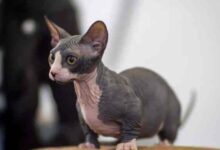
It’s a story of accidental discovery and intentional breeding, all resulting in these charming companions.
Short-Legged Cat Breeds: A Comprehensive Guide
The world of feline breeds is full of surprises, and among the most captivating are those with unusually short legs. These charming cats have captured the hearts of many, but their unique appearance comes with specific considerations. This guide will delve into the fascinating world of short-legged cat breeds, exploring their origins, characteristics, health, and care. We’ll cover the pioneering Munchkin, the intriguing Kinkalow, and the complex American Curl Kinkalow, providing a detailed look at these delightful and distinctive felines.The defining characteristic, of course, is their shortened limb length.
While the degree of shortening varies between breeds, it’s generally a noticeable deviation from the standard domestic cat. Genetically, this trait is often linked to mutations affecting bone growth and cartilage development, primarily impacting the long bones of the legs. Historically, the recognition of these breeds has been a gradual process, often met with skepticism and debate within the cat fancy, as breeders navigate ethical considerations and health concerns.
1. Introduction
Defining Short-Legged Cat Breeds
Understanding what constitutes a “short-legged” cat requires establishing a baseline. A standard domestic cat typically has legs proportionate to its body, allowing for agile movement and jumping. Short-legged cats, in contrast, exhibit significantly reduced limb length, often appearing disproportionate to their body size. This shortening isn’t simply about being “small”; it’s about the relative length of the legs compared to the torso.The genetic factors contributing to shorter limb length are complex.
The most well-known is a dominant mutation affecting theFGFR3* gene, which plays a crucial role in bone development. This mutation disrupts the normal signaling pathways responsible for proper bone growth, leading to shortened limbs. However, other genes can also influence leg length, potentially modifying the effects of the primary mutation or contributing to variations within a breed.The history of short-legged cat breeds is relatively recent.
While anecdotal reports of cats with short legs have existed for decades, the formal recognition and development of these breeds began in the late 20th and early 21st centuries. Initial skepticism and concerns about potential health issues slowed the process, but dedicated breeders have worked to refine these breeds and address these concerns.
2. Munchkin Cats
The Pioneering Breed
The Munchkin cat is arguably the most well-known short-legged breed, and its origin story is quite remarkable. The breed traces back to a domestic cat named Blackberry, discovered in Louisiana in 1983. Blackberry’s kittens exhibited unusually short legs, marking the beginning of the Munchkin breed. The initial discovery was accidental, a spontaneous mutation that captured the attention of breeders.Beyond their signature short legs, Munchkin cats display a variety of physical characteristics.
They come in both short and longhaired varieties (the “Silken” and “Velveteen” varieties, respectively), and a wide range of coat colors and patterns are accepted. Their body structure is generally sturdy and compact, with a slightly rounded appearance. The head is typically round with large, expressive eyes.The Munchkin’s short legs significantly impact their gait and movement patterns. They have a distinctive, low-slung waddle, often described as a “frog-like” or “bunny-like” hop.
Despite their unusual gait, Munchkins are surprisingly agile and can navigate obstacles with ease, albeit in a unique way. They are known for their playful and energetic nature, often enjoying toys and activities that require quick bursts of movement.Here’s a comparison of Munchkin cat sizes versus standard domestic shorthair cats:
| Characteristic | Munchkin Cat (Average) | Standard Domestic Shorthair (Average) |
|---|---|---|
| Weight | 6-10 lbs (2.7-4.5 kg) | 8-11 lbs (3.6-5 kg) |
| Height (Shoulder to Ground) | 8-10 inches (20-25 cm) | 10-12 inches (25-30 cm) |
3. Scottish Kinkalow
A Hybrid with Unique Features
The Scottish Kinkalow is a relatively new breed, resulting from a deliberate cross between Scottish Fold and Munchkin cats. The goal of this breeding program was to combine the Scottish Fold’s distinctive folded ears with the Munchkin’s short legs, creating a truly unique feline. The breeding process is carefully managed to minimize the risk of genetic health issues.Kinkalows exhibit a wide range of physical appearances, reflecting the influence of both parent breeds.
The degree of ear folding can vary, with some cats having tightly folded ears and others having a more moderate fold. Leg length also varies, though it is always shorter than that of a standard domestic cat. Coat types and colors are equally diverse, mirroring the variations seen in both Scottish Folds and Munchkins.In terms of temperament, Kinkalows are generally described as affectionate, playful, and intelligent.
They often inherit the Scottish Fold’s gentle and docile nature, combined with the Munchkin’s energetic and curious personality. They tend to be highly social and enjoy interacting with humans and other animals.Imagine a Kinkalow cat: a compact, sturdy body with short legs giving it a low-to-the-ground stance. The ears are folded forward, creating a charming, owl-like appearance. The eyes are large and expressive, often a vibrant color.
The overall impression is one of a uniquely proportioned and undeniably adorable feline.
4. American Curl Kinkalow
Further Hybridization
The American Curl Kinkalow represents a further step in hybridizing short-legged cats, combining the genetics of American Curl, Scottish Fold, and Munchkin cats. This breed aims to incorporate the American Curl’s distinctive curled ears, the Scottish Fold’s folded ears, and the Munchkin’s short legs into a single feline.Breeding this multi-breed combination presents significant challenges. Breeders must carefully manage the genetics of all three breeds to avoid undesirable traits and minimize the risk of health problems.
Ethical breeders prioritize the health and well-being of their cats above all else, employing genetic testing and careful selection to ensure the best possible outcomes.Health considerations specific to American Curl Kinkalows are similar to those seen in their parent breeds, including potential joint issues and concerns related to ear conformation. Responsible breeders screen for these conditions and work to improve the overall health of the breed.Potential coat colors and patterns found in American Curl Kinkalows include:* Solid colors (black, white, blue, cream)
- Tabby patterns (classic, mackerel, ticked)
- Tortoiseshell and calico patterns
- Bicolor patterns (with white markings)
- Shaded and smoke patterns
5. Genetics of Short Legs
A Deeper Dive

Source: catster.com
The short-legged trait in Munchkin cats is primarily attributed to a dominant mutation in theFGFR3* gene. This gene is responsible for producing a protein that plays a crucial role in bone growth and development. The mutation disrupts the normal function of this protein, leading to shortened limbs.This mutation specifically affects the rate of cartilage formation and bone growth.
During embryonic development, the mutatedFGFR3* protein signals the body to stop bone growth prematurely, resulting in shorter bones in the legs. The mutation doesn’t affect the overall skeletal structure, just the length of the long bones.While theFGFR3* mutation is the primary driver of short legs in Munchkins, other genes can influence leg length to a lesser extent. These genes may affect cartilage development, bone density, or muscle mass, potentially modifying the overall appearance and mobility of short-legged cats.Imagine a diagram comparing a standard cat leg and a Munchkin cat leg.
The standard cat leg shows a typical progression of bone growth, with a long femur, tibia, and fibula. The Munchkin cat leg, in contrast, exhibits significantly shortened versions of these bones, with the overall length being considerably reduced. The bone structure itself is similar, but the growth process has been truncated.
6. Health Considerations for Short-Legged Cats
Short legs, while visually appealing, can potentially lead to certain health issues in cats. The altered limb length can place increased stress on joints, potentially leading to arthritis or hip dysplasia. Spinal issues, such as intervertebral disc disease, are also a concern, as the altered posture can affect spinal alignment.Preventative measures and care strategies are crucial for supporting the health of short-legged cats.
Maintaining a healthy weight is essential to minimize stress on joints. Regular exercise, tailored to their physical limitations, can help strengthen muscles and improve mobility. Environmental modifications, such as ramps and steps, can assist with movement and reduce the risk of injury.Veterinary best practices for examining and treating short-legged cats include regular orthopedic assessments, monitoring for signs of joint pain or stiffness, and providing appropriate pain management if needed.
Early detection and intervention can help manage these conditions and improve the cat’s quality of life.Here’s a table outlining common health concerns, symptoms, and potential treatments:
| Health Concern | Symptoms | Potential Treatments |
|---|---|---|
| Arthritis | Stiffness, lameness, reluctance to jump | Pain medication, joint supplements, weight management, physical therapy |
| Hip Dysplasia | Limping, pain, decreased range of motion | Pain medication, joint supplements, surgery (in severe cases) |
| Intervertebral Disc Disease | Back pain, weakness, paralysis | Pain medication, anti-inflammatory drugs, surgery |
7. Temperament and Behavior
Munchkin, Kinkalow, and American Curl Kinkalow cats are generally known for their affectionate and playful personalities. They tend to be highly social and enjoy interacting with humans and other animals. Their unique physical characteristics can influence their behavior and play style. For example, their short legs may make them less adept at climbing, but they often compensate with their agility and determination.Anecdotally, owners of short-legged cats often describe them as being particularly charming and engaging.
Their distinctive gait and appearance tend to draw attention, and they often enjoy being the center of attention. They are known for their playful antics and their ability to bring joy to their human companions.> “My Munchkin, Pip, is the most affectionate cat I’ve ever owned. He may be short on legs, but he’s huge on personality! He loves to cuddle and play, and he always knows how to make me smile.”
Sarah M., Munchkin Owner
8. Breed Recognition and Registries
The recognition of Munchkin, Kinkalow, and American Curl Kinkalow breeds varies among cat registries. The Cat Fanciers’ Association (CFA) does not currently recognize Munchkin cats. The International Cat Association (TICA) recognizes Munchkin cats and has established breed standards. Kinkalow and American Curl Kinkalow breeds are recognized by TICA and other smaller registries.Registering these breeds typically requires providing pedigree documentation and meeting specific breed standards.
Ethical breeders adhere to these standards and prioritize the health and well-being of their cats.The history of breed recognition for each breed has been marked by debate and controversy, particularly regarding concerns about potential health issues. However, dedicated breeders have worked to address these concerns and demonstrate the viability of these breeds.Here’s a list of reputable breeders of each breed, emphasizing ethical breeding practices:* Munchkin: (Research TICA-approved breeders)
Kinkalow
(Search for breeders with health testing and transparency)
American Curl Kinkalow
(Look for breeders committed to responsible breeding practices)
9. Caring for Short-Legged Cats
Practical Advice
Providing appropriate diet and exercise is crucial for maintaining the health and mobility of short-legged cats. A balanced diet, formulated for their age and activity level, can help prevent weight gain and support joint health. Regular, gentle exercise can help strengthen muscles and improve cardiovascular fitness.Environmental modifications, such as ramps and steps, can assist with movement and reduce the risk of injury.
Providing soft bedding and comfortable resting places can also help alleviate joint pain.Grooming and handling short-legged cats are generally similar to caring for other cat breeds. Regular brushing can help prevent matting and keep their coat healthy. Gentle handling and positive reinforcement can help build trust and strengthen the bond between cat and owner.Here’s a checklist of essential items for caring for a short-legged cat:* High-quality cat food
- Ramps or steps
- Soft bedding
- Grooming supplies (brush, comb)
- Interactive toys
- Joint supplements (as recommended by a veterinarian)
10. Visual Descriptions
Illustrating the Breeds
Imagine a Munchkin cat lounging on a plush cushion. Its short legs are tucked neatly beneath its body, giving it a low-slung, almost comical appearance. The cat’s eyes are half-closed in contentment, and its tail curls gently around its paws. The overall impression is one of relaxed comfort and undeniable charm.Picture a Kinkalow cat playfully batting at a feather toy.
Its short legs propel it forward in a quick, bunny-like hop. The folded ears frame its face, adding to its unique and endearing appearance. The cat’s eyes are wide with excitement, and its body is poised for action.Envision an American Curl Kinkalow interacting gently with a child. The cat sits calmly on the child’s lap, purring softly. Its distinctive features – the curled ears, folded ears, and short legs – create a captivating contrast.
The child strokes the cat’s fur with a gentle hand, and both share a moment of peaceful connection.Finally, imagine a group of short-legged cats of different colors and patterns. A black Munchkin playfully chases a tabby Kinkalow. An American Curl Kinkalow with a calico coat lounges lazily in the sun. The diversity within these breeds is a testament to the creativity of nature and the dedication of breeders.
Conclusion
From the pioneering Munchkin to the more complex American Curl Kinkalow, the world of short-legged cats offers a delightful blend of genetics, personality, and unique physical traits. While potential health concerns require careful consideration and responsible breeding practices, the joy and companionship these cats bring to their owners are undeniable. Whether you’re a seasoned cat enthusiast or simply curious about these adorable creatures, hopefully, this exploration has deepened your appreciation for the wonderful world of breed of cat with short legs!
Commonly Asked Questions
Are short-legged cats always healthy?
While generally healthy, short-legged cats can be predisposed to joint and spinal issues. Responsible breeders screen for these conditions, and proper care, including diet and exercise, is crucial.
What is the average lifespan of a Munchkin cat?
Munchkin cats typically live 12-15 years, similar to other domestic cats, with good care and a healthy lifestyle.
Do Kinkalow cats inherit the folded ears from the Scottish Fold?
Not always. Kinkalows can have varying degrees of ear folding, depending on the genes inherited from their parent breeds. Some may have more prominent folds than others.
Are American Curl Kinkalows difficult to find?
Yes, they are relatively rare due to the complexity of breeding three different breeds together. Finding a reputable breeder is essential.
What kind of toys are best for short-legged cats?
Interactive toys that encourage movement and play are great! Ramps and low platforms can also help them reach their favorite spots.
Do short-legged cats require special grooming?
Grooming needs vary depending on coat length. Regular brushing is generally recommended to prevent mats and keep their coats healthy.

