Have you ever seen a cat with adorably short legs and wondered about the breed? The world of feline companions is full of surprises, and among them are several breeds known for their unique, shorter-than-average leg length. From the instantly recognizable Munchkin to the lesser-known Scottish Kiltie, these cats have captured the hearts of many with their charming appearance and playful personalities.
This guide dives into the fascinating world of cat breeds with short legs, exploring their origins, genetics, health considerations, and what it takes to care for these special felines.
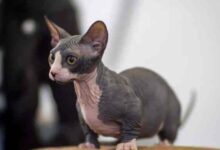
We’ll journey through the history and characteristics of each breed, examining the genetic mutations that cause their short legs and the potential health challenges that come with them. Beyond the physical traits, we’ll also discuss their temperaments, how to create a cat-friendly environment, and the ongoing research surrounding these unique breeds. Get ready to discover the delightful world of short-legged cats!
Short-Legged Cat Breeds: A Comprehensive Guide
There’s something undeniably charming about a cat with adorably short legs. While most cats boast a graceful, elongated stride, a handful of breeds have captured our hearts with their compact stature. This guide delves into the world of short-legged cat breeds, exploring their origins, genetics, health considerations, and the unique joys of sharing a home with these delightful companions. We’ll cover everything from the iconic Munchkin to the lesser-known Scottish Kiltie, providing a detailed look at what makes these breeds so special.
Defining “short” in the feline world isn’t an exact science. Generally, we consider legs to be short when they are significantly shorter than the average 12-15 cm (4.7-5.9 inches) typically seen in domestic cats. The degree of shortness varies considerably between breeds, with Munchkins exhibiting the most extreme leg length reduction, while others like the Napoleon or Scottish Kiltie display a more subtle shortening.
The prevalence of short legs in these breeds is primarily due to genetic mutations, often resulting from selective breeding practices aimed at enhancing this distinctive trait. Understanding the underlying genetics is key to appreciating the unique characteristics of these breeds and ensuring their well-being.
| Breed Name | Average Leg Length (cm) | Distinctive Physical Feature |
|---|---|---|
| Munchkin | 5-8 | Extremely short legs, low to the ground |
| Scottish Kiltie | 8-12 | Shorter legs than standard Scottish Folds, folded ears |
| Napoleon (Minuet) | 9-14 | Short legs, Persian-like facial features |
The Munchkin Cat: The Archetype
The Munchkin cat is arguably the most recognizable short-legged breed, and its history is relatively recent. First appearing in the 1980s, the breed’s origins trace back to a domestic cat named Blackberry, who gave birth to a litter of kittens with unusually short legs in Louisiana. These kittens, dubbed “Munchkins” after the popular movie character, sparked the interest of cat breeders who began selectively breeding for this trait.
The breed gained recognition in the 1990s, solidifying its place as a unique and beloved feline.
The defining characteristic of the Munchkin – its short legs – is caused by a spontaneous genetic mutation affecting the FGFR1 (Fibroblast Growth Factor Receptor 1) gene. This gene plays a crucial role in bone development, and the mutation disrupts the normal growth process, resulting in shortened limbs. The mutation is autosomal dominant, meaning that a cat only needs to inherit one copy of the mutated gene from either parent to exhibit the short-legged trait.
While the mutation is responsible for the breed’s signature look, it also raises concerns about potential health issues.
Health considerations for Munchkins primarily revolve around potential spinal issues. While many Munchkins live long and healthy lives, the shortened legs can sometimes lead to lordosis (an exaggerated inward curve of the spine) or scoliosis (an abnormal sideways curvature of the spine). Responsible breeders screen their cats for these conditions and prioritize breeding healthy individuals. It’s important to note that not all Munchkins experience these problems, and regular veterinary checkups are essential for early detection and management.
A typical Munchkin cat is a small, compact feline with a distinctive low-slung appearance. Their body is proportionally longer than most cats, creating a unique silhouette. Coat colors and patterns are incredibly diverse, ranging from solid colors like black, white, and blue to tabby patterns, tortoiseshell, and calico. Eye color variations are also common, with shades of green, gold, and copper being frequently observed.
Despite their short legs, Munchkins are surprisingly agile and can often be seen playfully batting at toys or navigating obstacles with surprising speed.
Munchkin cats are known for their playful and affectionate personalities. They are often described as being curious, intelligent, and sociable. Their unique gait can be quite entertaining to watch, and they often enjoy interacting with their human companions. Many Munchkins are described as being particularly fond of attention and enjoy being held and petted.
Scottish Kiltie Cats: A Shorter-Legged Variation
The Scottish Kiltie cat emerged as a variation of the popular Scottish Fold breed, initially appearing in the 1990s. Breeders sought to combine the Scottish Fold’s signature folded ears with shorter legs, resulting in a unique and charming feline. While not as widely recognized as the Munchkin, the Scottish Kiltie has gained a dedicated following among cat enthusiasts.
The leg length of Scottish Kilties is shorter than that of standard Scottish Folds, but generally longer than that of Munchkins. While standard Scottish Folds typically have legs around 12-15 cm, Scottish Kilties often have legs ranging from 8-12 cm. The genetic factors influencing leg length in Scottish Kilties are complex and not fully understood. It’s believed that multiple genes contribute to the variation in leg length, rather than a single mutation like in the Munchkin breed.
Selective breeding plays a significant role in enhancing the shorter leg trait.
- Scottish Fold: Typically has legs around 12-15 cm.
- Scottish Kiltie: Has shorter legs, generally between 8-12 cm.
- Ear Shape: Both breeds share the characteristic folded ears, a result of a dominant gene affecting cartilage development.
- Body Build: Scottish Kilties tend to have a slightly more compact body build compared to standard Scottish Folds.
- Overall Appearance: Scottish Kilties present a more “cobby” or rounded appearance due to the combination of folded ears and shorter legs.
Napoleon Cats (Minuet): A Blend of Breeds
The Napoleon cat, also known as the Minuet, is a relatively new breed created by combining the traits of Munchkin and Persian cats. Breeders began experimenting with this cross in the 1990s, aiming to create a cat with the Munchkin’s short legs and the Persian’s luxurious coat and sweet facial features. The name “Napoleon” was chosen to evoke a sense of grandeur and elegance, reflecting the breed’s unique combination of traits.
The expected leg length in Napoleon cats varies depending on the degree of Munchkin influence. Cats with a higher percentage of Munchkin genetics tend to have shorter legs, typically ranging from 9-12 cm. Those with a more balanced mix of Munchkin and Persian genetics may have legs between 12-14 cm. Breeders strive for a consistent leg length, but variations are common.
The Persian influence on the Napoleon’s appearance is undeniable. They inherit the Persian’s round face, short nose, large, expressive eyes, and long, flowing coat. The coat can be a variety of colors and patterns, including solid colors, tabby patterns, and calico. The texture of the coat is typically long, dense, and luxurious, requiring regular grooming to prevent mats and tangles.
The combination of Munchkin and Persian genetics affects the Napoleon’s overall build, resulting in a compact, cobby body with short legs. They are typically smaller than Persians, but still retain a substantial build. The short legs contribute to a low-slung appearance, while the Persian influence gives them a rounded and plush look.
Napoleon cats are known for their gentle and affectionate temperaments. They are often described as being calm, docile, and loving. They enjoy being petted and cuddled and are generally good with children and other pets. Their playful nature is tempered by a relaxed demeanor, making them ideal companions for a variety of households.
American Curl with Short Legs: A Less Common Combination
While not a standard trait, American Curl cats with shorter legs do occasionally appear. This combination is a result of a spontaneous mutation, rather than a deliberate breeding program. The American Curl is primarily known for its unique ear shape – ears that curl backward, creating a distinctive and striking appearance. The occurrence of shorter legs in this breed is relatively rare, making these cats quite unique.
The American Curl’s ear shape interacts visually with shorter leg length, creating a somewhat comical and endearing appearance. The upward curve of the ears contrasts with the low-slung posture, emphasizing the cat’s compact build. The combination can give the impression of a cat that is perpetually surprised or inquisitive.
The genetic possibilities that could lead to this combination are complex and not fully understood. It’s likely a combination of factors, including spontaneous mutations affecting leg development and potentially other genes influencing body size and proportions. Further research would be needed to pinpoint the exact genetic mechanisms involved.
| Breed (American Curl) | Standard Leg Length | Short-Leg Variation Leg Length | Other Notable Feature |
|---|---|---|---|
| American Curl | 12-15 cm | 8-12 cm | Distinctive curled-back ears |
Health Considerations for Short-Legged Cats

Source: catpedia.net
Cats with short legs, regardless of breed, are potentially predisposed to certain orthopedic issues. The altered biomechanics resulting from shorter limbs can place increased stress on the spine and joints. Conditions like lordosis, scoliosis, and hip dysplasia are more commonly observed in these breeds, although the prevalence varies depending on the specific breed and individual genetics.
Responsible breeding practices are paramount in minimizing health risks associated with short-legged cats. Breeders should prioritize health screening, carefully selecting breeding pairs with good conformation and no signs of orthopedic problems. Genetic testing, where available, can also help identify carriers of potential health issues. Transparency and ethical breeding practices are essential for ensuring the well-being of these cats.
Preventative care measures for short-legged cats include maintaining a healthy weight through appropriate diet and regular exercise. Controlled, low-impact activities are ideal, avoiding excessive jumping or strenuous movements that could exacerbate spinal stress. Regular veterinary checkups, including orthopedic examinations, are crucial for early detection and management of any potential health problems.
Veterinary specialists, particularly those with expertise in feline orthopedic conditions, can provide specialized care for short-legged cats. Board-certified veterinary surgeons specializing in orthopedics are best equipped to diagnose and treat complex orthopedic issues. Consulting with a specialist can ensure that your cat receives the most appropriate and advanced care.
Caring for a Short-Legged Cat: Practical Advice
Selecting appropriate toys and enrichment activities for short-legged cats requires some consideration. Avoid toys that encourage excessive jumping or climbing, as this can put undue stress on their spines. Instead, focus on toys that promote ground-level play, such as puzzle toys, interactive wands, and soft plush toys. Providing a variety of textures and scents can also stimulate their senses and keep them entertained.
Creating a cat-friendly home environment that accommodates their unique physical needs is essential. Provide ramps or steps to help them access elevated surfaces, such as beds or windowsills. Soft, comfortable bedding is also important, as it can help cushion their joints. Ensure that litter boxes are easily accessible and have low sides to prevent them from straining to enter.
Regular veterinary checkups and screenings are crucial for monitoring their overall health and detecting any potential orthopedic issues early on. Discuss any concerns you have with your veterinarian and follow their recommendations for preventative care.
A Daily Routine for a Short-Legged Cat:
- Morning: Provide fresh food and water. Engage in a short playtime session with ground-level toys.
- Midday: Offer a quiet resting spot. Ensure access to a clean litter box.
- Afternoon: Interactive playtime with a wand toy or puzzle feeder.
- Evening: A relaxing cuddle session. Provide a comfortable bed for the night.
Breed Recognition and Standards
The recognition status of short-legged cat breeds varies among major cat registries. The Munchkin is the most widely recognized, while the Scottish Kiltie and Napoleon are still considered experimental or provisional breeds. The American Curl with short legs is not a recognized variety within the breed standard.
Breed judging evaluates a range of physical characteristics, including body conformation, head shape, ear shape (in the case of Scottish Folds and American Curls), coat quality, and eye color. Leg length is a key characteristic in Munchkins and Napoleons, while it is a variation within the Scottish Kiltie and American Curl breeds.
In show cats, leg length is assessed based on breed standards. For Munchkins, the legs should be as short as possible while still allowing for mobility. For Napoleons, leg length is evaluated in conjunction with other traits, such as facial features and coat quality. Judges look for cats that exemplify the breed standard while maintaining good overall health and conformation.
| Cat Registry | Breed Recognition Status |
|---|---|
| CFA (Cat Fanciers’ Association) | Munchkin: Championship, Scottish Kiltie: Experimental, Napoleon: Experimental, American Curl (with short legs): Not Recognized |
| TICA (The International Cat Association) | Munchkin: Championship, Scottish Kiltie: Provisional, Napoleon: Provisional, American Curl (with short legs): Not Recognized |
Visualizing Short-Legged Cats: Descriptive Imagery
Imagine a Munchkin cat leaping for a toy. Its short legs propel it forward with surprising speed, but the jump is noticeably lower than that of a typical cat. The body remains close to the ground, and the paws reach out with determined effort. The overall impression is one of playful determination, a testament to the cat’s agility despite its unique physique.
The low trajectory emphasizes the cat’s compact build and endearing charm.
A short-legged cat walking presents a distinct contrast to a cat with standard leg length. The gait is lower to the ground, with a slightly more deliberate and measured stride. The body moves closer to the surface, creating a more grounded and stable appearance. The shorter legs contribute to a unique and captivating walk.
Picture a Napoleon cat curled up asleep. Its compact build and short legs result in a particularly snug and rounded form. The luxurious Persian coat drapes softly over its body, creating a plush and inviting appearance. The head rests comfortably on the paws, and the overall impression is one of peaceful contentment and feline elegance.
Envision a Scottish Kiltie cat playing with a feather toy. Despite its shorter legs, it moves with surprising agility, darting and weaving to capture the elusive feathers. The folded ears add to its whimsical charm, and the overall impression is one of playful energy and endearing determination. The cat’s compact build allows for quick turns and maneuvers, showcasing its adaptability and athleticism.
The Future of Short-Legged Cat Breeds
Ongoing genetic research is shedding light on the complexities of short leg mutations in cats. Scientists are working to identify the specific genes and genetic pathways involved in limb development, which could lead to a better understanding of the underlying mechanisms responsible for these traits. This research may also help identify potential health risks associated with these mutations.
Ethical considerations surrounding the breeding of cats with genetic predispositions to health problems are paramount. Responsible breeders must prioritize the health and well-being of their cats above all else, avoiding breeding practices that could exacerbate existing health risks. Genetic testing and careful selection of breeding pairs are essential for minimizing the potential for inherited health problems.
The popularity of short-legged cat breeds has fluctuated over time, but they continue to hold a special appeal for many cat lovers. Their unique appearance and endearing personalities make them captivating companions. As awareness of potential health concerns grows, responsible breeding practices are likely to become even more important in ensuring the long-term health and well-being of these breeds.
- Further genetic research to identify all genes involved in short leg development.
- Development of genetic tests to screen for potential health risks associated with short leg mutations.
- Increased emphasis on responsible breeding practices to minimize health problems.
- Potential for new variations within existing short-legged breeds.
- Greater public awareness of the ethical considerations surrounding the breeding of cats with genetic predispositions to health problems.
Conclusive Thoughts
From the playful leaps of a Munchkin to the cuddly charm of a Napoleon, cat breeds with short legs offer a unique and endearing twist on the classic feline form. Understanding their genetic background, potential health concerns, and specific care needs is crucial for responsible ownership. As research continues and breeding practices evolve, these breeds are sure to remain a source of fascination and affection for cat lovers worldwide.
Whether you’re a seasoned cat enthusiast or just starting your journey into the world of feline companionship, exploring these breeds is a rewarding experience.
Ultimately, these cats remind us that beauty comes in all shapes and sizes, and that even a shorter leg can lead to a lifetime of love and joy.
Clarifying Questions
Are short-legged cats always healthy?
Not necessarily. While many are perfectly healthy, they can be predisposed to certain orthopedic issues like lordosis or scoliosis. Responsible breeding and regular vet checkups are essential.
What is the FGFR1 mutation?
It’s a genetic mutation, primarily associated with the Munchkin breed, that disrupts bone growth, resulting in shorter legs. It affects the development of cartilage and bone.
Are Scottish Kilties recognized as a separate breed?
Recognition varies. Some registries consider them a variation of the Scottish Fold, while others are working towards full breed recognition.
What’s the difference between a Napoleon and a Munchkin?
A Napoleon (Minuet) is a crossbreed combining Munchkin and Persian traits, resulting in a longer, more luxurious coat and a rounder face compared to the Munchkin’s more streamlined appearance.
How can I create a cat-friendly home for a short-legged cat?
Provide ramps or steps to help them reach favorite spots, choose toys that are easy to bat around, and ensure soft bedding for comfortable resting.
Do short-legged cats have trouble jumping?
While they may not jump as high as cats with standard leg length, they are often surprisingly agile and can still navigate their environment effectively.

