The Turkish Angora cat, with its silky coat and captivating gaze, is a truly stunning breed. But beyond their beauty lies a significant financial commitment. Understanding the turkish angora cat cost – from the initial purchase to ongoing care – is crucial for any prospective owner. This guide breaks down every expense, helping you determine if bringing this elegant feline into your home is the right choice for your budget.
We’ll explore everything impacting the price, including breeder reputation, geographic location, age, health testing, and potential health issues. Plus, we’ll cover the recurring costs of food, grooming, vet care, and even pet insurance, providing a realistic picture of what it takes to provide a happy and healthy life for your Turkish Angora.
The True Cost of a Turkish Angora: A Comprehensive Guide
Bringing a Turkish Angora into your life is a wonderful decision! These elegant, intelligent cats are known for their stunning appearance and affectionate personalities. However, owning any pet comes with financial responsibilities, and Turkish Angoras, with their specific needs and potential health concerns, can be a significant investment. This guide breaks down all the costs involved, from the initial purchase to ongoing care, so you can be fully prepared.This isn’t just about the sticker price.
We’ll cover everything from breeder selection to potential vet bills, helping you understand the full financial commitment of welcoming a Turkish Angora into your home. Let’s dive in!
1. Initial Purchase Price – Breed & Breeder Variation
The price of a Turkish Angora kitten can vary considerably depending on several factors. Generally, expect to pay anywhere from $1,500 to $3,500 for a kitten from a reputable breeder in the United States. This is a significant range, and understanding what influences it is key.Price is heavily influenced by pedigree. Kittens with champion bloodlines, meaning their parents and grandparents have excelled in cat shows, will command a higher price.
Show potential also plays a role; breeders often assess kittens for their conformation to the breed standard (physical characteristics) and temperament, and those deemed suitable for showing will be more expensive. Finally, breeder reputation is crucial. Established breeders with a history of producing healthy, well-socialized kittens and a commitment to ethical breeding practices will typically charge more.Several breeders maintain websites showcasing their cats and kittens.
For example, one breeder’s website might feature a clean, minimalist design with professional photos of their cats and detailed information about their breeding program, listing kittens in the $2,000 – $3,000 range. Another might have a more homey, informal website with candid photos and a slightly lower price range of $1,500 – $2,500, reflecting a focus on pet-quality kittens. Always research a breeder thoroughly before committing.Here’s a table summarizing breeder tiers and typical pricing:
| Breeder Tier (Show, Pet, Rescue) | Typical Price Range | Characteristics |
|---|---|---|
| Show Quality | $2,500 – $4,000+ | Champion bloodlines, excellent conformation, show potential, health testing documentation. |
| Pet Quality | $1,500 – $2,500 | Healthy, well-socialized, but may not meet show standards. Often spayed/neutered before going home. |
| Rescue/Shelter | $50 – $200 | Unknown history, potential health or behavioral issues, but often a rewarding and cost-effective option. |
2. Geographic Location Impact on Cost
The cost of a Turkish Angora kitten isn’t uniform across the United States. Geographic location significantly impacts pricing due to variations in demand, breeder density, and state-specific regulations. Areas with higher demand for purebred cats, like major metropolitan areas on the coasts, tend to have higher prices. Conversely, regions with fewer breeders or lower demand will generally see lower prices.State regulations regarding breeders, such as licensing requirements or restrictions on breeding practices, can also influence pricing.
States with stricter regulations may have fewer breeders, leading to higher prices due to limited supply.Here’s a breakdown of states with known high and low Turkish Angora kitten prices:
- California: High. Strong demand for purebred cats and a relatively high cost of living contribute to higher prices.
- New York: High. Similar to California, high demand and a competitive market drive up prices.
- Florida: Moderate. A growing interest in purebred cats, but a larger number of breeders helps keep prices relatively stable.
- Texas: Moderate. A mix of demand and breeder availability.
- Montana: Low. Fewer breeders and lower overall demand result in lower prices.
- North Dakota: Low. Limited breeder presence and a smaller market for purebred cats.
3. Kitten Age and Development Stage
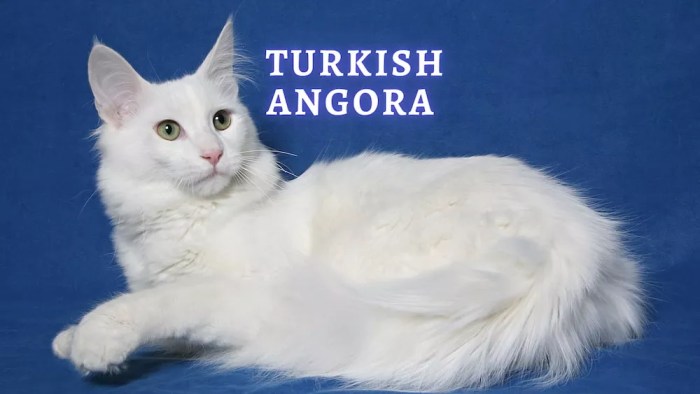
Source: thepets.net
The age of a Turkish Angora kitten significantly impacts its price. Kittens typically go to their new homes between 12 and 16 weeks of age. An 8-week-old kitten will generally be less expensive than a 16-week-old kitten.Socialization and early training are crucial during this developmental period. Kittens who have been exposed to various people, environments, and stimuli are more likely to be well-adjusted and confident, and breeders often factor this into the price.
A kitten that has already started litter box training and basic handling will be more valuable.At 8 weeks, kittens typically receive their first round of vaccinations and a health check. At 12 weeks, they’ll have received additional vaccinations and deworming. By 16 weeks, they’ll have completed their core vaccination series and a final health check. The cost of these veterinary services is usually included in the purchase price.A kitten’s personality also plays a role.
A playful, outgoing kitten might be priced slightly higher than a shy or timid one, reflecting the breeder’s assessment of its overall desirability and ease of placement.
4. Health Testing and Genetic Screening Costs
Responsible breeders prioritize the health of their cats and conduct extensive health testing. This is a critical factor in determining the initial purchase price. Common health concerns in Turkish Angoras include Progressive Retinal Atrophy (PRA) and Polycystic Kidney Disease (PKD).Genetic screening panels, which test for a range of inherited diseases, can cost anywhere from $200 to $500 per cat. Reputable breeders will provide documentation of these tests, demonstrating that their cats are free from or carriers of specific genetic conditions.Here’s a table outlining common health tests:
| Test Name | Purpose | Typical Cost | Breeder Responsibility |
|---|---|---|---|
| PRA (Genetic Test) | Detects the presence of the PRA gene, which can lead to blindness. | $150 – $250 | Essential for breeders. |
| PKD (Ultrasound) | Screens for cysts in the kidneys, a hallmark of PKD. | $100 – $200 | Essential for breeders. |
| HCM (Echocardiogram) | Screens for hypertrophic cardiomyopathy, a heart condition. | $200 – $400 | Recommended for breeding cats. |
| FIV/FeLV (Blood Test) | Screens for Feline Immunodeficiency Virus and Feline Leukemia Virus. | $50 – $100 | Standard practice. |
5. Ongoing Expenses – Annual Costs
Owning a Turkish Angora is a long-term commitment, and ongoing expenses should be factored into your budget. These costs extend far beyond the initial purchase price.Annual expenses include food (high-quality cat food can cost $500 – $800 per year), litter ($300 – $500), vet care (including annual checkups and vaccinations, $200 – $500), and grooming ($100 – $300, depending on whether you groom at home or professionally).
Specialized diets or supplements, such as those for sensitive stomachs or joint health, can add to the cost.Here’s a sample annual budget:
Sample Annual Budget for a Turkish Angora
Food: $600
Litter: $400
Vet Care (Annual Checkup & Vaccinations): $300
Grooming: $200
Toys & Enrichment: $150
Pet Insurance: $400
Total: $2050
6. Grooming Requirements and Associated Costs
Turkish Angoras have a luxurious, semi-long coat that requires regular grooming to prevent mats and tangles. Daily brushing is ideal, but at least 2-3 times per week is necessary. Professional grooming can be beneficial, especially during shedding season.The cost of grooming supplies (brushes, combs, shampoo) can range from $50 to $150 initially. Professional grooming services, including bathing, brushing, and nail trimming, can cost $75 – $150 per session.Here’s a sample grooming schedule:
- Daily: Light brushing to remove loose hair and prevent mats.
- 2-3 times per week: More thorough brushing, paying attention to areas prone to tangling (underarms, belly).
- Monthly: Nail trimming.
- As needed: Bathing (every 2-3 months, or more frequently if the cat gets dirty).
7. Potential Health Issues and Veterinary Costs
Like all breeds, Turkish Angoras are predisposed to certain health issues. Hypertrophic cardiomyopathy (HCM), a heart condition, and allergies are relatively common.Diagnosing and treating these health issues can be expensive. HCM diagnosis may involve echocardiograms and other specialized tests, costing $500 – $1,500. Allergy treatment can range from $100 to $500 per year, depending on the severity.Pet insurance is highly recommended to help offset these potential costs.Here’s a list of potential health problems:
- Hypertrophic Cardiomyopathy (HCM): Symptoms include lethargy, difficulty breathing, and sudden death. Treatment costs: $500 – $1,500+
- Progressive Retinal Atrophy (PRA): Symptoms include gradual vision loss. Treatment: No cure, management focuses on supportive care.
- Polycystic Kidney Disease (PKD): Symptoms include increased thirst and urination. Treatment: Management of symptoms, potential kidney failure.
- Allergies: Symptoms include itching, skin irritation, and respiratory problems. Treatment: Medication, dietary changes.
8. Adoption vs. Breeder Purchase – Cost Comparison
Choosing between adopting a Turkish Angora and purchasing from a breeder is a personal decision with financial implications. Adoption fees typically range from $50 to $200, significantly lower than the cost of purchasing from a breeder.Adopting offers the benefit of providing a home for a cat in need and often comes with initial vaccinations and spaying/neutering. However, the cat’s history may be unknown, and there’s a potential for pre-existing health or behavioral issues.Purchasing from a breeder guarantees a known pedigree and health history, but comes at a higher initial cost.
| Adoption | Breeder Purchase |
|---|---|
| Pros: Lower initial cost, rewarding experience, often includes initial vaccinations and spaying/neutering. | Pros: Known pedigree and health history, predictable temperament, opportunity to choose a kitten. |
| Cons: Unknown history, potential health or behavioral issues, may not be a purebred Turkish Angora. | Cons: Higher initial cost, potential for genetic health problems (though reputable breeders minimize this risk). |
9. Supplies and Initial Setup Costs
Setting up a home for a Turkish Angora kitten requires an initial investment in essential supplies. These include a litter box ($30 – $80), food and water bowls ($15 – $30), a scratching post ($30 – $100), toys ($20 – $50), a carrier ($30 – $60), and a comfortable bed ($20 – $50).Creating a stimulating and enriching environment is crucial for this intelligent breed.
Provide plenty of toys, climbing structures, and interactive games to keep them entertained and prevent boredom.
10. Insurance Costs and Coverage Options
Pet insurance can provide financial protection against unexpected veterinary expenses. Monthly premiums for a Turkish Angora typically range from $30 to $70, depending on the coverage level and deductible.Carefully review insurance policies to understand exclusions and limitations. Pre-existing conditions are typically not covered. Consider factors like deductibles, co-pays, and annual limits when choosing a policy.
Final Thoughts
As we’ve seen, owning a Turkish Angora cat is a considerable investment, encompassing both upfront and ongoing expenses. From the initial purchase price influenced by pedigree and breeder, to the potential for unexpected veterinary bills, careful planning is essential. However, the rewards of sharing your life with this intelligent, affectionate, and strikingly beautiful breed are immeasurable. By understanding the turkish angora cat cost and preparing accordingly, you can ensure a lifetime of joy for both you and your feline companion.
Ultimately, responsible pet ownership means being prepared for all aspects of care. We hope this guide has provided you with the clarity and information you need to make an informed decision about welcoming a Turkish Angora into your family.
Helpful Answers
What’s the average lifespan of a Turkish Angora?
Turkish Angoras typically live between 11 and 15 years with proper care and a healthy lifestyle.
Do Turkish Angoras require a special diet?
While not strictly required, many owners find that a high-quality, protein-rich diet helps maintain their coat’s health and luster. Some may benefit from supplements like Omega-3 fatty acids.
How often should I brush my Turkish Angora?
Daily brushing is ideal to prevent mats and tangles, especially during shedding season. At a minimum, aim for 2-3 times per week.
What is PRA and why is it important for Turkish Angoras?
PRA (Progressive Retinal Atrophy) is a genetic eye disease that can lead to blindness. Reputable breeders will screen their cats for PRA to minimize the risk.
Is it cheaper to adopt a Turkish Angora than buy from a breeder?
Generally, yes. Adoption fees are significantly lower than breeder prices, but availability can be limited.
What should I expect to pay for pet insurance for a Turkish Angora?
Monthly premiums typically range from $30 to $70, depending on the coverage level and deductible.
What are some good toys for a Turkish Angora?
Turkish Angoras are intelligent and active. Puzzle toys, feather wands, laser pointers, and interactive cat trees are all excellent choices.

