The Turkish Angora kitten – with its silky coat, captivating eyes, and playful personality – is a dream breed for many cat lovers. But bringing one of these beauties home isn’t just about the cuddles; it’s a significant investment. Understanding the factors that influence Turkish Angora kittens price is crucial for responsible pet ownership. This guide dives deep into everything you need to know, from historical background and breed characteristics to ongoing costs and finding a reputable breeder, ensuring you’re prepared for the journey ahead.
We’ll explore the nuances of pricing, considering age, lineage, geographic location, and breeder type. Beyond the initial purchase, we’ll also break down the recurring expenses of owning a Turkish Angora, including food, grooming, and potential veterinary care. Whether you’re considering adoption or purchasing from a breeder, this comprehensive overview will equip you with the knowledge to make an informed decision and welcome a Turkish Angora kitten into your life with confidence.


Introduction to Turkish Angora Kittens
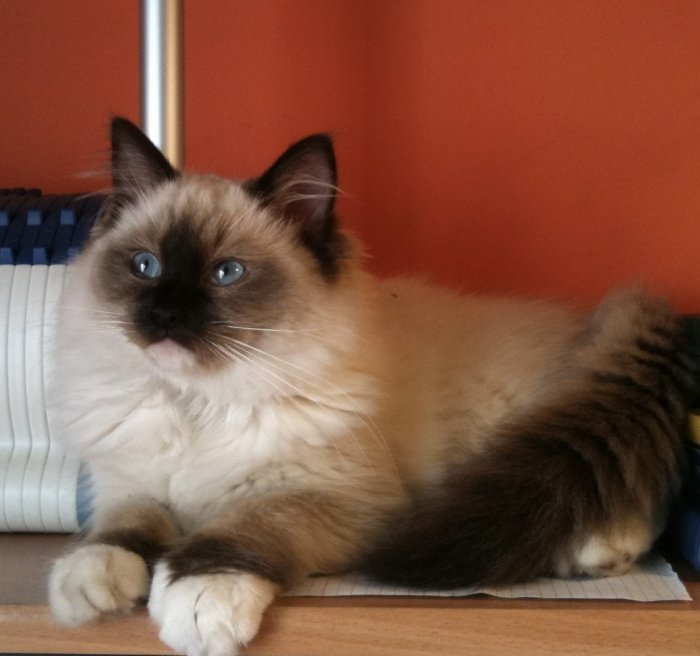
Source: b-cdn.net
Bringing a Turkish Angora kitten into your home is a big decision, and understanding the costs involved is a crucial part of that process. These beautiful cats are known for their silky coats and charming personalities, but their price tag can vary significantly. This guide will break down everything you need to know about Turkish Angora kitten prices, from the factors that influence them to the ongoing expenses of ownership.
We’ll also explore how to find a reputable breeder and whether adoption might be a good option for you.The Turkish Angora boasts a rich history, tracing back centuries to Ankara, Turkey (formerly Angora). Originally prized for their luxurious coats, they were a favorite among royalty and nobility. Early Angoras were often depicted in art and literature, showcasing their elegance and grace.
During the 19th century, they were brought to Europe and the United States, where selective breeding programs further refined the breed. While early Angoras exhibited a wider range of colors, modern breeding has focused on preserving the iconic white coat, though other colors are increasingly recognized. The breed nearly disappeared during World War I, but dedicated breeders worked tirelessly to revive the population, establishing the Turkish Angora as a beloved and distinct breed.Turkish Angora kittens are instantly recognizable.
Their most striking feature is their long, silky coat, which lacks a dense undercoat, making it surprisingly lightweight. Eye color can vary widely, including blue, green, amber, and even odd-eyed (one blue eye and one different color eye). Their bodies are slender and graceful, with long legs and a distinctive plumed tail. They typically weigh between 6 and 15 pounds.
Beyond their physical appearance, Angoras are known for their playful and affectionate personalities. They are intelligent, curious, and enjoy interacting with their human families. They often form strong bonds and can be quite vocal, expressing their needs and desires with a variety of charming meows and chirps.Here’s a comparison table to illustrate how Turkish Angoras stack up against other popular breeds:
| Breed | Appearance | Personality |
|---|---|---|
| Turkish Angora | Long, silky coat; slender body; variable eye color; plumed tail. | Playful, affectionate, intelligent, vocal. |
| Persian | Long, dense coat; round face; short body; variety of colors. | Calm, gentle, affectionate, can be less active. |
| Siamese | Short, sleek coat; distinctive color points; blue almond-shaped eyes. | Vocal, intelligent, demanding, affectionate, active. |
Factors Influencing Price
The price of a Turkish Angora kitten isn’t a fixed number. Several factors contribute to the overall cost, and understanding these can help you make an informed decision.The age of the kitten is a primary determinant of price. Generally, kittens are most expensive between 8 and 12 weeks old, as this is when they are ready to leave their mother and are considered fully weaned and socialized.
An 8-week-old kitten might cost between $1,500 and $3,000, while a 12-week-old kitten could range from $2,000 to $4,000 or more. Kittens older than 16 weeks are often less expensive, sometimes around $1,000 – $2,000, as breeders are eager to find them homes.A breeder’s reputation and experience significantly impact the price. Established breeders with a proven track record of producing healthy, well-socialized kittens often charge more.
They invest in health testing, quality food, and socialization programs, which all contribute to the kitten’s overall well-being and value. Less experienced or backyard breeders may offer kittens at lower prices, but it’s crucial to thoroughly investigate their practices and health guarantees.Lineage and pedigree play a vital role in determining price, particularly for show-quality kittens. Kittens with champion bloodlines – meaning their parents or grandparents have won awards in cat shows – are highly sought after and command premium prices, often exceeding $3,000 and potentially reaching $5,000 or more.
These kittens are considered to have superior genetics and conformation to the breed standard.Coat color and pattern rarity also influence the price. While the classic white Turkish Angora is the most common and generally the least expensive, other colors like black, blue, tabby, and calico are less frequently seen. Rare color combinations can significantly increase the price, with some costing upwards of $4,000.Here’s a flowchart to guide your decision-making process:[Flowchart Description: Start with “Considering a Turkish Angora Kitten?”.
Branch 1: “What’s your budget?”. If “Under $1500”, go to “Consider Pet Breeder or Adoption”. If “$1500 – $3000”, go to “Research Reputable Breeders”. If “Over $3000”, go to “Consider Show Breeder with Champion Bloodlines”. Branch 2: “What’s important to you?”.
If “Show Quality”, go to “Champion Bloodlines?”. If “Yes”, go to “Show Breeder”. If “No”, go to “Reputable Breeder”. If “Pet Quality”, go to “Reputable Breeder or Adoption”. End with “Thoroughly Research Breeder & Health Testing!”]
Geographic Price Variations
Turkish Angora kitten prices aren’t uniform across the United States. Geographic location plays a significant role due to factors like breeder density, local demand, and transportation costs.In the Northeast, where there’s a higher concentration of cat enthusiasts and show breeders, prices tend to be on the higher end, ranging from $2,500 to $5,000 or more for a kitten from a reputable breeder.
The Midwest generally sees prices between $2,000 and $4,000. The South often has slightly lower prices, ranging from $1,800 to $3,500, although this can vary depending on the breeder’s reputation. The West Coast, particularly California, tends to have higher prices, similar to the Northeast, due to high demand and transportation costs, with prices ranging from $2,800 to $5,500.Importing a Turkish Angora kitten from Turkey or Europe can be an option, but it’s generally more expensive than purchasing from a US breeder.
The cost of international shipping, quarantine fees, and import permits can easily add $1,000 to $2,000 to the overall price. Furthermore, ensuring the kitten’s health and well-being during transport is a significant consideration.Local demand and availability directly impact pricing. In areas where Turkish Angoras are less common, breeders may be able to charge higher prices due to limited supply.
Conversely, in areas with a larger number of breeders, competition may drive prices down slightly.[Map Visualization Description: A map of the United States with each state colored according to average Turkish Angora kitten price range. States in the Northeast and West Coast are shaded in darker hues (e.g., dark red, purple) representing higher prices ($2,500+). Midwestern states are shaded in medium hues (e.g., orange, light purple) representing mid-range prices ($1,800 – $2,500).
Southern states are shaded in lighter hues (e.g., yellow, light orange) representing lower prices ($1,500 – $1,800). States with no known breeders are marked with a gray color.]
Breeder Types and Pricing Models
Understanding the different types of breeders and their pricing models is essential for making an informed purchase.Show breeders focus on producing kittens that meet the breed standard and are capable of winning in cat shows. They invest heavily in health testing, pedigree research, and socialization. Their kittens typically command the highest prices, often exceeding $3,000. Pet breeders prioritize producing healthy, well-socialized kittens as companions.
While they may still perform some health testing, their focus is on temperament and suitability for family life. Their kittens generally cost between $1,500 and $3,000. Backyard breeders, often operating without proper licenses or health guarantees, may offer kittens at significantly lower prices, but their practices can be questionable. It’s crucial to avoid these breeders.Breeders employ various pricing models. A fixed price is the most common, where the kitten is sold for a set amount regardless of color or markings.
An adoption fee is typically charged by rescue organizations or shelters. A negotiable price is less common but may be possible with show breeders, particularly if the kitten doesn’t meet all the show requirements.Health guarantees and contracts are vital when purchasing from a breeder. A reputable breeder will offer a written health guarantee, typically covering genetic defects for a specific period (e.g., one year).
The contract should Artikel the breeder’s responsibilities and the buyer’s obligations. These protections add to the initial cost but provide peace of mind.Here’s a list of questions to ask breeders to assess their credibility and ethical practices:
- Do you health test your breeding cats? If so, for what conditions?
- Can I see the parents of the kitten?
- What is your socialization process for kittens?
- Do you offer a health guarantee? What does it cover?
- Can I speak with some of your previous buyers?
- What is your policy on returns or rehoming if I can no longer care for the kitten?
- Are your cats raised indoors or outdoors?
- Do you require a spay/neuter agreement?
Associated Costs Beyond the Initial Purchase
The initial purchase price of a Turkish Angora kitten is just the beginning. Ongoing expenses can add up quickly.Food is a significant recurring cost. High-quality kitten food is essential for their growth and development, and adult Turkish Angoras require a balanced diet to maintain their luxurious coats. Expect to spend $50 to $100 per month on food. Litter is another ongoing expense, with prices varying depending on the type and quantity purchased.
Plan on spending $20 to $40 per month on litter. Veterinary care is crucial for maintaining your kitten’s health. Regular checkups, vaccinations, and preventative medications can cost $200 to $500 per year.Regular grooming is essential for Turkish Angoras to prevent mats and tangles. While their coat is lightweight, it still requires brushing several times a week. Brushes and clippers can cost $50 to $150 initially.
Professional grooming may be necessary every few months, costing $75 to $150 per session.Turkish Angoras are generally healthy, but they can be predisposed to certain health issues, such as hypertrophic cardiomyopathy (HCM) and polycystic kidney disease (PKD). Treatment for these conditions can be expensive, potentially costing thousands of dollars.Here’s a sample monthly budget for a Turkish Angora kitten owner:
| Expense | Estimated Cost |
|---|---|
| Food | $50 – $100 |
| Litter | $20 – $40 |
| Treats & Toys | $15 – $30 |
| Veterinary Care (monthly average) | $25 – $50 |
| Grooming Supplies | $10 – $20 |
| Miscellaneous | $20 – $40 |
| Total | $140 – $280+ |
Epilogue
Navigating the world of Turkish Angora kittens price can feel overwhelming, but with the right information, it becomes manageable. From understanding the impact of pedigree and breeder reputation to budgeting for ongoing care, this guide has provided a roadmap for potential owners. Remember to prioritize health and ethical breeding practices, and consider the joys of adoption alongside the option of purchasing from a reputable breeder.
Ultimately, the reward of sharing your life with a loving and beautiful Turkish Angora kitten is well worth the investment – both financially and emotionally.
Frequently Asked Questions
What’s the difference between a show-quality and a pet-quality Turkish Angora?
Show-quality kittens meet specific breed standards for appearance and are intended for showing. Pet-quality kittens are equally wonderful companions but may have minor imperfections that don’t meet show standards, and are typically less expensive.
Do Turkish Angoras require a special diet?
While they aren’t inherently picky, Turkish Angoras benefit from a high-quality protein-rich diet to support their long, silky coat. Consult with your veterinarian for specific dietary recommendations.
What are some common health problems in Turkish Angoras?
They can be prone to hypertrophic cardiomyopathy (HCM), patellar luxation, and deafness (especially in white kittens with blue eyes). Responsible breeders screen for these conditions.
Can I groom a Turkish Angora myself, or do I need a professional?
Regular brushing (2-3 times a week) is essential to prevent mats. While you can do this yourself, professional grooming every few months can help maintain their coat’s health and appearance.
What is the average lifespan of a Turkish Angora?
With proper care, Turkish Angoras typically live between 11 and 15 years.
What should I look for in a breeder’s cattery?
A clean, spacious environment, healthy-looking cats, and a breeder who is knowledgeable and passionate about the breed are all good signs.

