The Turkish Angora cat, with its flowing silky coat and captivating gaze, is a truly stunning breed. But owning one isn’t just about admiring its beauty; it’s a significant investment. This guide dives deep into the world of Turkish Angora cat price, exploring everything from initial purchase costs to ongoing expenses, so you can make an informed decision about bringing this elegant feline into your life.
We’ll unpack the factors that influence the price – pedigree, breeder reputation, coat color, and more – and compare costs across different regions and breeder types. Plus, we’ll look at the importance of health considerations and explore the option of adoption versus purchasing from a breeder, giving you a comprehensive overview of what to expect financially.
Understanding the Turkish Angora Cat: A Breed Overview
The Turkish Angora cat is a truly captivating breed, steeped in history and known for its elegant beauty and charming personality. If you’re considering welcoming one into your home, understanding what makes them special – and what it costs – is crucial. This guide will walk you through everything you need to know about Turkish Angora pricing, from the factors that influence it to the ongoing expenses of ownership.The Angora’s story begins in Ankara, Turkey (formerly Angora), where they were prized for centuries.
Historically, these cats were favored by royalty and were often gifted as diplomatic presents. Their lineage is intertwined with the Ottoman Empire, and they were highly valued for their luxurious coats and gentle nature. Selective breeding over generations has refined the breed, maintaining its distinctive characteristics while adapting to different environments. The breed nearly disappeared during the early 20th century but was revived through dedicated breeding programs in both Turkey and Europe.
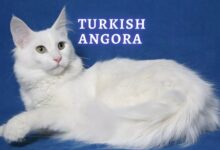
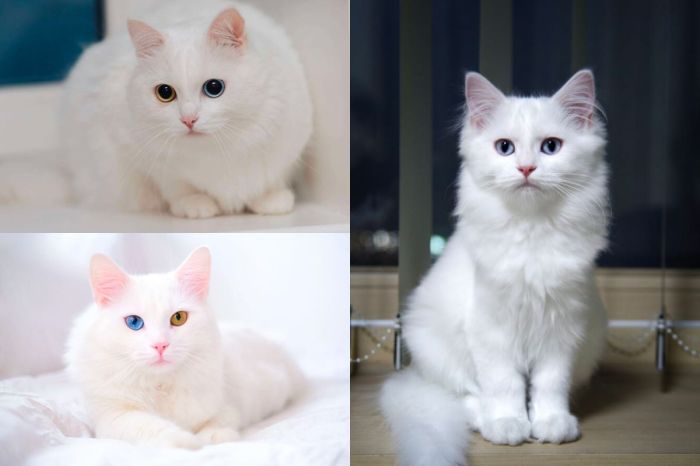
Today, the Turkish Angora is recognized by major cat registries worldwide.Visually, Turkish Angoras are striking. Their most defining feature is their silky, semi-long coat, which is incredibly fine and flowing. While traditionally known for their snow-white fur, Angoras now come in a variety of colors and patterns, though white remains the most iconic. They have almond-shaped eyes that can be blue, green, amber, or even odd-eyed (one blue and one another color).
Their bodies are slender and graceful, with long legs and a distinctive, slightly arched back. They possess a wedge-shaped head and large, pointed ears that add to their alert and intelligent appearance.Beyond their looks, Turkish Angoras are known for their playful and affectionate personalities. They are intelligent and easily trained, often enjoying interactive games and puzzle toys. They are generally friendly and get along well with children and other pets, though early socialization is always recommended.
They are also known for their vocalizations – they often “talk” to their owners, expressing their needs and desires.
| Breed | Key Characteristics | Average Lifespan |
|---|---|---|
| Turkish Angora | Silky, semi-long coat; elegant build; intelligent and playful; vocal. | 12-18 years |
| Persian | Long, luxurious coat; brachycephalic (flat face); calm and docile. | 10-17 years |
| Siberian | Semi-long, dense coat; hypoallergenic (often); robust and playful. | 11-15 years |
Factors Influencing the Price of a Turkish Angora
Determining the price of a Turkish Angora kitten isn’t a simple matter. Several factors contribute to the overall cost, and understanding these can help you make an informed decision. It’s not just about the initial purchase price; it’s about investing in a healthy, well-socialized cat from a reputable source.The pedigree and lineage of a Turkish Angora play a significant role in its price.
Kittens from champion bloodlines, meaning their parents and grandparents have achieved titles in cat shows, are generally more expensive. This reflects the breeder’s investment in maintaining the breed standard and producing high-quality offspring. Documentation of lineage, such as registration papers from a recognized cat registry (like TICA or CFA), is essential for verifying pedigree.Breeder reputation and location also impact pricing.
Established breeders with a proven track record of producing healthy, well-tempered kittens often command higher prices. Their experience and commitment to ethical breeding practices are reflected in their fees. Geographic location matters too; breeders in areas with higher costs of living or limited availability may charge more.Coat color and pattern significantly influence value. While white Angoras are classic, rarer colors and patterns like black smoke, blue, or tabby can increase the price.
“Van” patterns, with their distinctive color distribution, are particularly sought after and command a premium. The rarity of a particular color is driven by the genetics involved and the breeder’s specialization in producing those variations.The initial costs associated with acquiring a Turkish Angora kitten typically include adoption fees (if adopting from a rescue) or breeder fees. Breeder fees usually cover the cost of breeding, veterinary care (vaccinations, deworming), and socialization.
Expect to pay anywhere from a few hundred to several thousand dollars, depending on the factors mentioned above.
Price Ranges: Kitten vs. Adult Turkish Angoras
The price of a Turkish Angora varies considerably depending on whether you’re acquiring a kitten or an adult cat. Kittens are generally more expensive due to higher demand and the breeder’s investment in their early care and socialization.Typically, Turkish Angora kittens from reputable breeders range from $1,500 to $5,000 or even higher, depending on pedigree, color, and breeder reputation.
Kittens with champion bloodlines or rare coat colors can easily exceed this range. It’s important to remember that this price reflects the breeder’s commitment to health testing, socialization, and providing a well-adjusted kitten.Adult Turkish Angoras, on the other hand, are often less expensive than kittens. Prices for adult cats can range from $800 to $2,500, depending on age, breeding status (whether they are spayed/neutered), and overall health.
Sometimes, breeders will offer adult cats at a reduced price to find them loving homes. Adopting an adult Angora from a rescue organization is often the most affordable option.
| Age/Gender | Price Range |
|---|---|
| Kitten (Male) | $1,500 – $5,000+ |
| Kitten (Female) | $1,800 – $5,500+ |
| Adult (Male, Neutered) | $800 – $2,000 |
| Adult (Female, Spayed) | $1,000 – $2,500 |
Adult Turkish Angoras are typically less expensive than kittens for a few reasons. Firstly, the breeder has already invested in their initial care and socialization. Secondly, there’s often less demand for adult cats compared to kittens. Finally, breeders may be motivated to rehome adult cats to make room for new litters.
Geographic Price Differences in Turkish Angora Cats
The cost of a Turkish Angora can fluctuate significantly depending on your location. Prices vary across different regions, including the United States, Europe, and Asia.In the United States, prices generally range from $1,500 to $5,000 for kittens, with higher prices in states with a greater demand and fewer breeders. Europe tends to have slightly higher prices, often ranging from €1,800 to €6,000 (approximately $2,000 to $7,000 USD), due to stricter regulations and higher costs of operation for breeders.
In Asia, prices can be highly variable, depending on the country and the availability of reputable breeders. Some countries may have limited access, driving up prices significantly.These geographic price differences are primarily driven by shipping costs and breeder availability. Shipping a cat internationally is expensive and requires specialized handling to ensure their safety and well-being. Areas with fewer breeders naturally have higher prices due to limited supply.
Import regulations and veterinary requirements also contribute to the overall cost.
Imagine a map of the world. The United States and Western Europe are shaded in light blue, representing an average price range of $2,000 – $4,Central and Eastern Europe are shaded in yellow, indicating a slightly higher range of $3,000 – $5,
000. Asia is divided into sections
Southeast Asia is shaded in orange ($4,000 – $6,000), while East Asia (Japan, Korea) is shaded in red, reflecting the highest average prices of $5,000 – $7,000+ due to limited breeder availability and strict import regulations. Turkey itself is highlighted in a distinct green, representing a potentially lower price range ($1,200 – $3,000) due to being the breed’s origin.
For example, in the US, breeders like “Angora Dreams” in California typically charge between $2,500 and $4,500 for kittens with documented pedigrees. In Germany, “Türkmen Kedi” specializes in rare color variations and prices their kittens from €3,500 to €5,500. In Turkey, smaller hobby breeders often offer kittens for around ₺10,000 – ₺20,000 (approximately $600 – $1,200 USD), though these may not have extensive pedigrees.
Breeder Types and Their Pricing Strategies
Not all breeders are created equal, and the type of breeder you choose will significantly impact the price you pay for a Turkish Angora kitten. Understanding the different breeder categories is essential for making an informed decision.There are generally three main types of breeders: hobby breeders, show breeders, and commercial breeders. Hobby breeders typically breed a small number of cats as a passion project.
They often focus on producing healthy, well-socialized kittens but may not prioritize showing their cats. Their prices are usually lower, ranging from $1,000 to $2,500.Show breeders are dedicated to breeding cats that meet the breed standard and excel in cat shows. They invest heavily in health testing, pedigree research, and socialization. Their kittens are often more expensive, ranging from $2,500 to $5,000+, reflecting their commitment to quality.Commercial breeders focus on producing a large number of kittens for sale.
While some may prioritize health and socialization, others may prioritize profit over quality. Prices can vary widely, but are often lower than those of hobby or show breeders. It’s crucial to thoroughly research any commercial breeder before making a purchase.The services typically included in the price vary depending on the breeder type. Show breeders usually provide health guarantees, vaccinations, deworming, and extensive socialization.
Hobby breeders may offer some of these services, but it’s important to inquire. Commercial breeders may offer limited guarantees or services.Here’s a breakdown of the pros and cons of purchasing from each breeder type:
- Hobby Breeders:
- Pros: Often more affordable, may offer personalized attention.
- Cons: May not have extensive pedigree documentation, less focus on showing.
- Show Breeders:
- Pros: High-quality kittens with documented pedigrees, health guarantees, extensive socialization.
- Cons: More expensive, may have longer waiting lists.
- Commercial Breeders:
- Pros: Potentially lower prices, readily available kittens.
- Cons: Quality can be inconsistent, limited health guarantees, potential for unethical practices.
Health and Genetic Considerations
The price of a Turkish Angora can also be influenced by health and genetic considerations. Like all breeds, Turkish Angoras are predisposed to certain health issues, and breeders who prioritize health testing and genetic screening often charge higher prices.Common health issues that can affect Turkish Angoras include hypertrophic cardiomyopathy (HCM), polycystic kidney disease (PKD), and progressive retinal atrophy (PRA). HCM is a heart condition, PKD affects the kidneys, and PRA leads to vision loss.
Responsible breeders screen their cats for these conditions and only breed healthy cats to minimize the risk of passing them on to their offspring.Genetic testing is crucial for identifying carriers of these genetic diseases. Breeders who perform genetic testing and provide health guarantees demonstrate their commitment to producing healthy kittens. These guarantees typically cover certain genetic conditions for a specific period.
| Issue | Symptoms | Estimated Cost |
|---|---|---|
| HCM | Difficulty breathing, lethargy, sudden death. | $1,000 – $7,000+ (depending on treatment) |
| PKD | Increased thirst and urination, weight loss, vomiting. | $500 – $3,000+ (depending on treatment) |
| PRA | Night blindness, gradual vision loss. | $500 – $5,000+ (no cure, management of symptoms) |
Reputable breeders understand the value of health testing and are transparent about the results. They are willing to provide documentation of health screenings and offer health guarantees to give buyers peace of mind.
Adoption vs. Purchasing from a Breeder
Deciding whether to adopt a Turkish Angora or purchase one from a breeder is a significant decision. Both options have their own advantages and disadvantages.Adopting a Turkish Angora from a rescue organization or shelter is often the most affordable option. Adoption fees typically range from $50 to $300 and often include initial vaccinations and spaying/neutering. The process involves completing an application, undergoing a home visit, and meeting the cat to ensure a good match.Purchasing from a breeder is generally more expensive, as discussed earlier.
However, it allows you to choose a kitten from a specific lineage and potentially avoid certain health issues. You also have the opportunity to meet the kitten’s parents and observe their temperament.Adoption offers the satisfaction of giving a deserving cat a second chance. However, you may not know the cat’s full history or pedigree. Purchasing from a breeder provides more predictability regarding lineage and health, but it comes at a higher cost.
Deciding between adoption and breeder purchase hinges on your priorities. If affordability and giving a cat a second chance are paramount, adoption is a wonderful choice. If you desire a specific lineage, health guarantees, and the opportunity to raise a kitten from a young age, purchasing from a reputable breeder may be the better option.
Ongoing Costs of Turkish Angora Ownership
Source: digitaloceanspaces.com
While the initial purchase price is a significant factor, it’s essential to consider the ongoing costs of Turkish Angora ownership. These expenses can add up over time and should be factored into your budget.Ongoing expenses include food, litter, grooming, and veterinary care. High-quality cat food can cost $30 to $60 per month, depending on the brand and quantity. Litter costs can range from $20 to $40 per month, depending on the type of litter used.Turkish Angoras have specific grooming needs due to their long, silky coats.
Regular brushing (several times a week) is essential to prevent mats and tangles. Professional grooming can cost $50 to $100 per session.Potential unexpected veterinary expenses should also be considered. Illnesses, injuries, and dental care can all incur significant costs. Pet insurance can help mitigate these risks.
| Expense Category | Estimated Cost |
|---|---|
| Food (Monthly) | $30 – $60 |
| Litter (Monthly) | $20 – $40 |
| Grooming (Monthly) | $0 – $100 (depending on frequency of professional grooming) |
| Veterinary Care (Annual) | $200 – $500+ |
Rare Coat Colors and Patterns
The allure of the Turkish Angora extends beyond their classic white coats. Certain rare coat colors and patterns command a significant premium due to their scarcity and the genetic complexities involved in producing them.”Van” patterns are particularly prized. A Van Turkish Angora exhibits a distinctive color distribution: white body with colored markings (typically red or cream) on the head and tail, resembling a mask and tail tip.
Their eyes are typically blue. The genetic factors contributing to the Van pattern are complex and involve multiple genes, making it relatively rare. Chocolate and lilac (lavender) Angoras are also considered rare, as are tabby patterns.Breeders specializing in these rare variations often invest significant time and resources in selective breeding programs. They carefully select breeding pairs to maximize the chances of producing kittens with the desired color and pattern.
This dedication to rarity and quality translates into higher prices.Imagine a Turkish Angora with a pristine white body, accented by a rich, creamy red “mask” around its face and a matching red tip on its tail. Its eyes are a striking, clear blue, contrasting beautifully with the red markings. The overall effect is one of elegance and uniqueness, a testament to the breed’s versatility and the breeder’s skill.
Financing Options and Payment Plans
The cost of acquiring a Turkish Angora can be a barrier for some potential owners. Fortunately, several financing options and payment plans may be available.While traditional pet loans are not widely available, some personal loan options can be used to finance the purchase. Credit cards can also be an option, but be mindful of interest rates.Whether breeders offer payment plans varies.
Some breeders, particularly show breeders, may be willing to work with buyers who need to spread out payments. However, this is not always the case, and it’s essential to inquire about payment options upfront.Here are some questions to ask a breeder regarding payment options and guarantees:
- Do you offer payment plans?
- What is your deposit policy?
- What health guarantees do you provide?
- What is your policy on returns or refunds?
- Can I see health records for the kitten’s parents?
Resources for pet owners seeking financial assistance include organizations like The Pet Fund and RedRover, which provide grants to help cover veterinary expenses. Researching these options can help make Turkish Angora ownership more accessible.
Ending Remarks
Ultimately, the Turkish Angora cat price is more than just a number; it represents a commitment to providing a loving and healthy home for a remarkable animal. By understanding the various costs involved, from the initial purchase to ongoing care, you can ensure you’re prepared to give your Angora the best possible life. Whether you choose to adopt or purchase from a breeder, the rewards of sharing your life with this intelligent and affectionate breed are immeasurable.
We hope this guide has shed light on the financial aspects of Turkish Angora ownership, empowering you to make the right choice for both you and your future feline companion.
FAQ Overview
What’s the difference between a show-quality and pet-quality Turkish Angora?
Show-quality Angoras meet strict breed standards and are often more expensive due to the breeder’s investment in breeding for specific traits. Pet-quality Angoras are still wonderful cats but may have minor imperfections that don’t meet show standards.
Do Turkish Angoras require professional grooming?
While their coat is relatively low-maintenance, regular brushing (2-3 times a week) is essential to prevent mats and tangles. Some owners opt for occasional professional grooming, which can add to the ongoing costs.
What are the potential costs of genetic testing?
Genetic testing for conditions like hypertrophic cardiomyopathy (HCM) can range from $100 to $300, depending on the number of tests performed. Reputable breeders often provide proof of testing.
Can I expect to pay more for a Turkish Angora with a rare coat color?
Yes, rare colors like van, chocolate, or lilac significantly increase the price due to the difficulty in breeding for these traits. Expect to pay a premium, potentially double or triple the price of a standard white Angora.
What should I ask a breeder about health guarantees?
Look for breeders who offer a health guarantee covering genetic conditions for a specific period (e.g., 1-2 years). Ask about the specifics of the guarantee and what recourse you have if a health issue arises.
Are there any hidden costs associated with adopting a Turkish Angora?
While adoption fees are generally lower than breeder fees, factor in potential costs for initial vet checkups, vaccinations (if not already completed), and supplies like litter boxes and scratching posts.

