There’s something undeniably captivating about a domestic cat that bears a striking resemblance to a cheetah. This “cheetah-like” cat phenomenon has sparked widespread fascination, popping up across social media and captivating cat lovers worldwide. For years, people have noticed and shared photos of these spotted felines, leading to a surge in interest and a desire to understand what makes them look so wild.
The history of observing these cats is a bit scattered, mostly through anecdotal accounts and online communities. While intentional breeding for this look is relatively recent, the occurrence of cheetah-like markings in various breeds and even domestic shorthairs has been noted for quite some time. We’ll explore the genetics, breeds, and characteristics that contribute to this unique appearance, and why these cats hold such a special place in our hearts.
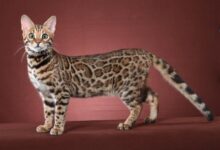
The Allure of the Spotted Feline: Cats That Resemble Cheetahs
There’s something undeniably captivating about a cat that seems to have stepped out of the African savanna. The striking spotted patterns, the sleek build, the confident gaze – it’s a combination that sparks a primal fascination. The internet has exploded with images and videos of cats bearing a remarkable resemblance to cheetahs, fueling a growing interest in these unique felines.
This isn’t just a recent phenomenon; people have observed and documented these striking similarities for decades, though the intentional breeding to enhance these traits is a more recent development.
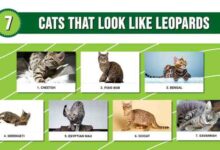
The range of cats exhibiting cheetah-like traits is surprisingly diverse. While the Bengal cat is the most well-known example, other breeds and even domestic shorthairs and longhairs can occasionally display these captivating markings. Understanding the genetics and breeding practices behind this phenomenon is key to appreciating the beauty and complexity of these spotted companions.
| Breed/Type | Primary Cheetah-Like Trait | Geographic Origin |
|---|---|---|
| Bengal | Spotted coat, muscular build | United States (developed from Asian Leopard Cat crosses) |
| Ocicat | Spotted coat, athletic physique | United States |
| Savannah | Spotted coat, tall stature | United States (Serval hybrid) |
| Egyptian Mau | Spotted coat, distinctive markings | Egypt |
| Domestic Shorthair | Spotted coat (variable) | Worldwide |
Genetic Factors & Breed Characteristics
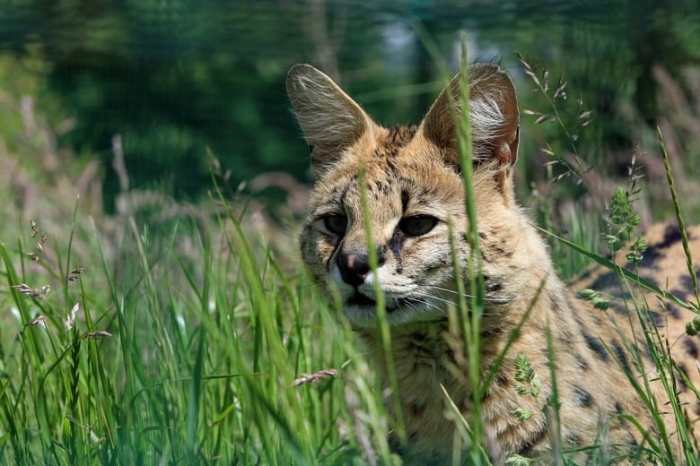
Source: belapets.com
The appearance of spotted patterns in cats isn’t random; it’s rooted in genetics. Mutations in genes controlling melanin production and distribution can lead to a variety of coat patterns, including spots. The most crucial gene involved is the Agouti gene. This gene dictates whether a hair shaft will be banded with different colors (agouti) or a single, uniform color.
Variations within the Agouti gene, and its interaction with other genes, determine the size, shape, and density of spots.
Specific breeds, particularly Bengals and Ocicats, were intentionally bred to mimic the appearance of wild cats. Breeders selectively crossed cats with desirable spotted patterns, gradually refining the traits over generations. This process involved careful record-keeping and a deep understanding of feline genetics.
The inheritance of spotted coat genes is complex, but a simplified flowchart can illustrate the basic principles. Let’s assume ‘S’ represents the dominant gene for spots and ‘s’ represents the recessive gene for a solid color. A cat with the genotype ‘SS’ or ‘Ss’ will have spots, while a cat with the genotype ‘ss’ will be solid-colored. The expression of the ‘S’ gene can be further modified by other genes, influencing spot size and density.
A cat inheriting ‘Ss’ from both parents has a 50% chance of passing on the ‘S’ gene to its offspring, potentially leading to spotted kittens.
Bengal Cats: The Most Prominent Example
The Bengal cat’s story is one of deliberate breeding and a desire to capture the essence of a wild cat in a domestic companion. The initial crosses involved Asian Leopard Cats (ALCs) and domestic cats, primarily to introduce the distinctive spotted pattern. Early generations (F1, F2) were challenging to work with due to their wildcat heritage, but breeders persevered, gradually refining the breed to meet modern standards.
The goal was to create a cat that retained the striking appearance of the ALC but possessed a gentle and affectionate temperament.
Bengal patterns can be broadly categorized into spotted, marbled, and rosette. Spotted Bengals have clearly defined, individual spots. Marbled Bengals exhibit a swirling, abstract pattern resembling marble. Rosette Bengals have spots that are larger and more rounded, resembling miniature roses. Each pattern has its own appeal and is judged differently in show rings.
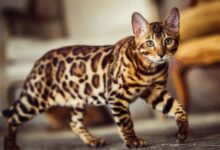
Some Bengal cats exhibit an exceptionally strong cheetah resemblance. These cats often have a high density of small, well-defined spots, a sleek, muscular build, and a confident, almost predatory posture. Their coat color is typically a golden or brown base with black or dark brown spots, further enhancing the cheetah-like appearance. The combination of these features creates a truly remarkable visual effect.
“Luna, a stunning Bengal with a rich golden base and incredibly dense, small black spots, truly embodies the cheetah aesthetic. Her muscular build and long legs contribute to her athletic grace, and her piercing green eyes complete the captivating look.”
“Rajah, a male Bengal, stands out with his exceptionally long legs and a powerful, lean physique. His spots are large and well-defined, creating a striking contrast against his tawny coat. He moves with a fluid, cheetah-like agility.”
“Cleo, a female Bengal, possesses a unique combination of a lighter, almost sandy coat and small, tightly packed spots. Her bright amber eyes add to her exotic charm, giving her a distinctly wild appearance.”
“Zeus, a large Bengal with a dark brown base coat and bold, black rosettes, is a prime example of the breed’s potential for cheetah-like resemblance. His strong bone structure and confident demeanor complete the picture.”
Other Breeds & Individual Cats
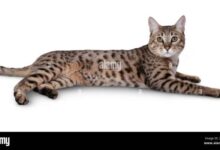
While Bengals are the most prominent example, other breeds occasionally display cheetah-like markings. Savannah cats, with their Serval ancestry, can exhibit tall stature and spotted coats. Egyptian Maus are known for their distinctive spotted patterns and elegant build. Even Abyssinians, with their ticked coats, can sometimes display markings that evoke a cheetah-like appearance. However, these traits are significantly less common in these breeds compared to Bengals.
Remarkably, individual domestic cats – both shorthairs and longhairs – can also possess striking cheetah-like appearances. These cats are often the result of random genetic mutations or unique combinations of genes. Their appearance is a testament to the incredible diversity within the feline population.
- Jasper: A domestic shorthair with a golden coat and small, evenly spaced black spots.
- Willow: A longhaired tabby with a pattern that resembles a cheetah’s markings, particularly around the flanks.
- Shadow: A sleek black cat with subtle ghost markings that create a cheetah-like illusion.
- Sunny: A ginger tabby with a unique spotted pattern on his legs and face.
- Patches: A calico cat with a distinctive spotted pattern on her back.
Physical Characteristics: Beyond the Spots
The cheetah resemblance isn’t solely about the spots; it’s a combination of physical attributes. Cats that look like cheetahs often possess a sleek, muscular build, long legs, and a relatively small head compared to their body size. These features contribute to an overall impression of agility and speed.
Compared to typical domestic cats, these “cheetah-like” cats tend to have longer legs relative to their body length, a more streamlined torso, and a more refined head shape. The influence of genetics on muscle development and bone structure is significant, with certain genes promoting increased muscle mass and longer limb bones.
| Feature | Description of Cheetah-Like Variation |
|---|---|
| Leg Length | Longer relative to body length, contributing to a more athletic appearance. |
| Head Shape | Smaller and more refined compared to the body, creating a more streamlined profile. |
| Tail Length | Often long and slender, enhancing the overall sleekness. |
| Body Build | Muscular and lean, with a well-defined physique. |
Coat Patterns & Markings in Detail
The spots found on “cheetah-like” cats come in various forms. Solid spots are distinct, individual markings. Rosettes are larger, more rounded spots that often have a central marking, resembling miniature roses. Ghost markings are faint, subtle patterns that create an illusion of spots without being clearly defined.
Variations in spot size, density, and distribution contribute to the overall appearance. Some cats have large, widely spaced spots, while others have small, tightly packed spots. The background color of the coat also plays a crucial role; a darker base color will make the spots appear more prominent, while a lighter base color will soften the contrast.
A visual guide can help illustrate the differences: Solid Spots: Distinct, individual circles. Rosettes: Larger, rounded spots with a central marking. Ghost Markings: Faint, subtle patterns that suggest spots without being clearly defined.
Behavior & Temperament
While appearance doesn’t guarantee a specific behavior, there’s a perceived correlation between a cheetah-like appearance and an energetic personality. Cats that resemble cheetahs are often observed to be highly active, playful, and curious. They enjoy exploring their surroundings, chasing toys, and engaging in interactive games.
Bengals, in particular, are known for their energetic personalities and playful nature. They often exhibit a strong prey drive and enjoy activities that mimic hunting, such as stalking and pouncing. Compared to other breeds known for their energetic personalities, like Abyssinians, Bengals often display a greater level of independence and confidence.
- High energy levels
- Playful and curious nature
- Strong prey drive
- Intelligence and trainability
- Affectionate and social
- Independent and confident
Caring for “Cheetah-Like” Cats
Energetic breeds like Bengals require specific care to thrive. Enrichment is crucial to prevent boredom and destructive behaviors. This includes providing plenty of toys, scratching posts, and climbing structures. Regular exercise is also essential to burn off excess energy and maintain physical fitness. Mental stimulation, such as puzzle toys and interactive games, can help keep their minds engaged.
Early socialization and training are important for all cats, but particularly for energetic breeds. Exposing kittens to a variety of people, animals, and environments can help them develop into well-adjusted adults. Positive reinforcement training can be used to teach basic commands and discourage unwanted behaviors.
- Interactive toys (feather wands, laser pointers)
- Climbing structures (cat trees, shelves)
- Scratching posts (various textures and heights)
- Puzzle toys (food-dispensing toys)
- Catnip toys
- Window perches
- Safe outdoor enclosure (catio)
The Appeal & Cultural Significance
The fascination with cats that resemble wild animals stems from a primal connection to the natural world. People are drawn to the beauty, power, and mystery of wild cats, and these domestic companions offer a glimpse into that world. The symbolism associated with cheetahs – speed, grace, and agility – further enhances the appeal of these spotted felines.
“Cheetah-like” cats are increasingly portrayed in popular culture, appearing in movies, books, and social media. Their striking appearance and captivating personalities make them ideal subjects for photography and videography, further fueling their popularity.
- Exotic appearance
- Connection to the wild
- Unique personality
- Striking beauty
- Symbolism of speed and grace
Distinguishing Features: Cheetah vs. Cat
While some cats may resemble cheetahs, there are key differences that distinguish the two. Cheetahs possess distinctive tear marks that run from the inner corner of their eyes to the sides of their nose, a feature rarely seen in domestic cats. Cheetahs also have a more streamlined body build, a smaller head, and larger paws relative to their body size.
Behaviorally, cheetahs are primarily diurnal hunters, relying on speed and agility to capture prey. They also have a unique vocalization, a chirping sound, that is not typically heard in domestic cats. Cats resembling cheetahs, while exhibiting some of the same traits, lack the specialized adaptations of their wild counterparts.
| Feature | Cheetah | Cat Resembling Cheetah |
|---|---|---|
| Tear Marks | Prominent black tear marks | Rarely present |
| Body Build | Streamlined, muscular | Sleek, muscular (variable) |
| Hunting Style | Diurnal, speed-based | Crepuscular/Nocturnal, varied |
| Vocalizations | Chirping, purring | Purring, meowing |
Final Thoughts
From the meticulously bred Bengal to the occasional domestic shorthair with a surprising coat pattern, the world of cats that look like cheetahs is full of wonder. Understanding the genetic factors, breed characteristics, and even the behavioral nuances of these felines allows us to appreciate their unique beauty and the fascinating interplay of nature and human intervention. Ultimately, these spotted companions remind us of the wildness that can exist within the comfort of our homes.
Q&A
Why do some cats look like cheetahs?
It’s primarily due to genetic mutations affecting coat patterns, particularly the Agouti gene, which influences how pigment is distributed. Specific breeding practices, like those used for Bengals, also play a significant role.
What is the Agouti gene?
The Agouti gene controls the distribution of pigment in a cat’s hair shaft. Different variations of this gene can result in spotted, marbled, or rosetted patterns, contributing to the cheetah-like appearance.
Are all “cheetah-like” cats Bengals?
No! While Bengals are the most well-known, other breeds like Savannahs, Egyptian Maus, and Abyssinians can occasionally display cheetah-like markings. And sometimes, it’s just a lucky domestic shorthair or longhair!
Do cats that look like cheetahs have different personalities?
There’s no definitive link between appearance and personality, but breeds like Bengals, known for their cheetah resemblance, are often energetic and playful. However, individual personalities vary greatly.
What kind of environment do these cats need?
Energetic breeds like Bengals require plenty of enrichment, exercise, and mental stimulation to thrive. Think interactive toys, climbing structures, and regular playtime.
How can I tell the difference between a cheetah and a cat that looks like one?
Key differences include tear marks (cheetahs have them, most cats don’t), body build (cheetahs are more slender and long-legged), nose shape, and hunting style.
Are “cheetah-like” cats more expensive?
Yes, breeds like Bengals and Savannahs, which are intentionally bred to resemble cheetahs, often come with a higher price tag due to their rarity and specialized breeding.

