Having multiple cats is a joy, but it also means tackling a bigger litter box challenge! Many of us find ourselves juggling multiple personalities, playtime antics, and, of course, a significant amount of waste. Did you know that roughly 25% of US households own more than one cat? Proper litter box management isn’t just about minimizing odor; it’s crucial for your cats’ health and happiness, preventing stress-related issues and potential urinary problems.
We’ll dive into everything you need to know to create a harmonious and hygienic environment for your feline family.



This guide will walk you through the essentials, from the ideal number of litter boxes and strategic placement to choosing the right litter type and tackling common behavioral issues. We’ll also explore cost-effective solutions and how to cater to each cat’s unique preferences, ensuring everyone – including you – is comfortable and content.
Managing Waste in a Multi-Cat Household: A Comprehensive Guide
Source: catsdom.com
Living with multiple cats is a joy for many, but it also comes with unique challenges. One of the biggest? Litter box management. It’s not just about scooping; it’s about creating a system that keeps your cats happy, healthy, and your home smelling fresh. According to the American Veterinary Medical Association, approximately 23% of U.S.
households own more than one cat. Ignoring proper waste management can lead to urinary tract infections in cats due to unsanitary conditions, behavioral issues like inappropriate elimination, and, let’s be honest, a seriously unpleasant odor permeating your home. This guide will walk you through everything you need to know to create a harmonious and hygienic environment for your feline family.
Litter Box Quantity & Placement
The key to successful multi-cat litter box management starts with the right number of boxes and their strategic placement. A common rule of thumb is the “N+1” rule – meaning you should have one more litter box than the number of cats you have. This ensures that each cat always has a clean option and reduces competition for resources, which can be a major source of stress.
Cats are territorial creatures, and having multiple boxes allows them to establish their own preferred spaces. Consider their individual personalities too – some cats are more particular than others.
- Understanding Territory: Cats often prefer to have separate areas for eating, sleeping, and eliminating. Placing litter boxes away from food and water bowls respects this natural behavior.
- Accessibility is Key: Ensure litter boxes are easily accessible, especially for older cats or those with mobility issues. Avoid placing them in basements or areas that require navigating stairs.
- Quiet and Private: Cats prefer privacy when using the litter box. Choose quiet locations away from high-traffic areas and loud noises.
| Number of Cats | Recommended Litter Boxes | Placement Considerations |
|---|---|---|
| 1 | 2 | Easy access, quiet location, away from food/water. |
| 2 | 3 | Spread boxes throughout the house, consider different levels (e.g., one upstairs, one downstairs). |
| 3 | 4 | Multiple locations, ensure each cat has a box they feel comfortable using. Observe their preferences. |
Litter Types: Comparing Options for Multiple Cats
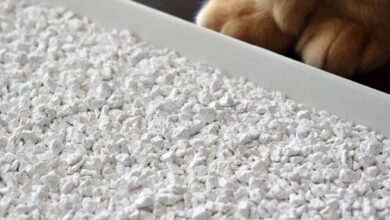
Choosing the right litter is crucial, especially with multiple cats. Different litters have varying levels of odor control, tracking, dust, and cost. What works for one cat might not work for another, so be prepared to experiment. Clay litter is a classic, but it can be dusty and doesn’t always control odor well. Clumping litter is popular for its ease of cleaning, but some cats dislike the texture.
Crystal litter is excellent for odor control but can be expensive. Wood and paper litters are eco-friendly options, but their absorbency can vary.
| Litter Type | Odor Control | Tracking | Cost |
|---|---|---|---|
| Clay | Poor | High | Low |
| Clumping | Moderate | Moderate | Moderate |
| Crystal | Excellent | Low | High |
| Wood | Good | Low | Moderate |
Consider the texture. Some cats prefer fine-grained litters, while others prefer coarser textures. A good strategy is to offer a variety of litter types in different boxes to see which your cats prefer. Observe their behavior – are they digging, scratching, or avoiding a particular box?
Litter Box Styles & Features
The style of litter box can also impact your cats’ comfort and your cleaning routine. Covered boxes are often touted for odor control, but they can trap smells and make some cats feel claustrophobic. Uncovered boxes offer better ventilation but may not contain odors as effectively. Self-cleaning litter boxes can be a lifesaver for multi-cat households, but they can be expensive and some cats are afraid of the noise and movement.
Top-entry litter boxes can reduce tracking, but they may not be suitable for all cats, especially those with mobility issues.
- Size Matters: Ensure the litter box is large enough for your cats to comfortably turn around and dig. A general rule is that the box should be at least 1.5 times the length of your cat.
- Ease of Cleaning: Look for boxes with smooth surfaces and removable trays for easy cleaning.
- Durability: Invest in sturdy boxes made from durable materials that can withstand repeated use and cleaning.
Cleaning Schedules & Techniques
Regular cleaning is essential for maintaining a hygienic litter box environment. A consistent schedule will minimize odor and encourage your cats to use the boxes. Daily scooping is the bare minimum. Weekly deep cleaning involves emptying the entire box, washing it with soap and water, and disinfecting it. Monthly cleaning involves a more thorough scrub and potentially replacing the litter box liner.
- Daily: Scoop out solid waste and clumps.
- Weekly: Empty the entire box, wash with mild soap and water, rinse thoroughly, and refill with fresh litter.
- Monthly: Disinfect the box with a pet-safe disinfectant, scrub away any stubborn residue, and consider replacing the liner.
When cleaning, avoid using harsh chemicals like bleach, as these can be harmful to your cats. A solution of white vinegar and water is a safe and effective disinfectant.
Odor Control Strategies
Even with regular cleaning, litter box odors can be a challenge. Baking soda is a simple and effective odor absorber. Litter box deodorizers can provide additional fragrance, but choose ones that are specifically designed for cats and free of harmful chemicals. Air purifiers with HEPA filters can help remove airborne particles and odors. Understanding the science behind odor molecules – they are volatile organic compounds (VOCs) released during waste decomposition – helps in choosing the right neutralizing agents.
Natural odor-reducing solutions include activated charcoal, coffee grounds (used sparingly), and essential oils like lavender (ensure it’s diluted and safe for cats). A flowchart for troubleshooting persistent odors might start with “Is the box cleaned frequently enough?” If yes, then “Is the litter type effective?” If yes, then “Is there a medical issue with the cat?”
Addressing Litter Box Issues in Multi-Cat Homes
Spraying, avoiding the box, and territorial marking are common litter box problems in multi-cat households. These behaviors are often rooted in stress, competition, or underlying medical issues. Increasing the number of litter boxes, separating cats, and providing plenty of resources (food, water, scratching posts) can help reduce stress and competition. A veterinary consultation is crucial to rule out any medical causes.
| Problem | Possible Causes | Solutions |
|---|---|---|
| Spraying | Stress, territorial marking, medical issues | Increase litter boxes, separate cats, veterinary consultation. |
| Avoiding the box | Dirty box, unpleasant litter, location issues | Clean more frequently, try different litter types, relocate the box. |
| Territorial Marking | Competition, stress, insecurity | Increase litter boxes, separate cats, provide more resources. |
Litter Box Maintenance & Longevity
Proper maintenance extends the lifespan of your litter boxes. Regularly inspect them for cracks, scratches, and other signs of wear and tear. Replace boxes that are damaged or difficult to clean. Durable materials like heavy-duty plastic are more resistant to damage. Cleaning solutions like mild dish soap and water, or a diluted vinegar solution, are generally safe for most litter box materials.
Cat Preferences & Litter Box Selection
Each cat has unique preferences. Observe their behavior – do they prefer covered or uncovered boxes? Do they like a particular litter texture? Providing choices caters to different personalities. Introduce new litter types or box styles gradually, placing them alongside their existing preferences.
“My cat, Whiskers, absolutely refused to use the new top-entry litter box I bought. He’d sit right next to it and pee on the rug! I realized he felt trapped and couldn’t see around him. I placed a small, familiar litter box right next to the top-entry one, and gradually moved the old box further away as he got more comfortable with the new one. Now he uses the top-entry box without any issues!” – Sarah M., Multi-Cat Owner
Budgeting for Multi-Cat Litter Management
Managing waste for multiple cats can be expensive. Litter, boxes, and cleaning supplies add up. Buying litter in bulk, opting for more affordable litter types (like paper or wood), and regularly cleaning boxes to extend their lifespan can help save money. Consider the long-term costs – while crystal litter might seem expensive upfront, its superior odor control could reduce the need for additional deodorizers.
| Item | Estimated Cost (Monthly) | Cost-Saving Tips |
|---|---|---|
| Litter | $30 – $80 | Buy in bulk, choose affordable litter types. |
| Litter Boxes | $0 – $50 (initial investment) | Invest in durable boxes, clean regularly to extend lifespan. |
| Cleaning Supplies | $5 – $15 | Use DIY cleaning solutions (vinegar and water). |
Conclusion
Ultimately, successful multi-cat litter management is about understanding your cats’ individual needs and creating a system that minimizes stress and maximizes hygiene. By following the guidelines on litter box quantity, placement, cleaning routines, and odor control, you can transform a potential headache into a manageable and even enjoyable part of cat ownership. Remember, a happy cat is a healthy cat, and a clean litter box is a cornerstone of their well-being.
So, embrace the challenge, observe your feline friends, and create a litter box haven they’ll love!
FAQ Overview
How often should I scoop the litter box with multiple cats?
Ideally, scoop at least once, and preferably twice, daily. Frequent scooping minimizes odor and encourages your cats to use the box.
Can I use the same litter for all my cats?
While you
-can*, it’s often best to offer a variety. Some cats are picky! Observe their preferences and provide options if possible.
My cats are fighting over the litter box – what can I do?
Increase the number of litter boxes! The N+1 rule (number of cats plus one) is a good starting point. Also, ensure boxes are in separate, accessible locations.
What’s the best way to introduce a new litter type?
Gradually mix the new litter with the old, increasing the proportion of the new litter over a week or two. This allows your cats to adjust without sudden changes.
Are self-cleaning litter boxes worth it for multiple cats?
They can be a huge time-saver, but ensure the box is large enough for all your cats to comfortably use and that the cleaning cycle isn’t disruptive to their routine.
How can I tell if my cat is avoiding the litter box due to a medical issue?
Changes in litter box habits (frequency, straining, accidents outside the box) can indicate a urinary tract infection or other health problems. Consult your veterinarian.
What’s the safest way to disinfect a litter box?
Use a mild soap and warm water, followed by a diluted bleach solution (1 part bleach to 32 parts water). Rinse thoroughly and allow to dry completely before refilling with litter.