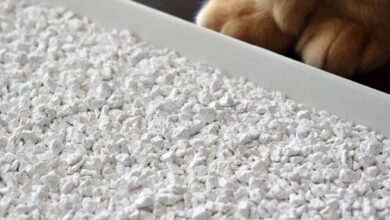
Living with multiple cats is a joy, but it also presents unique challenges, especially when it comes to litter box management. More cats mean more potential for stress, behavioral issues, and, let’s be honest, a lot more litter! This guide dives deep into everything you need to know about multi-cat litter – from understanding your cats’ specific needs to choosing the right litter and setting up a harmonious litter box environment.
We’ll explore different litter types, box setups, and troubleshooting tips to keep your feline family happy and your home smelling fresh.


Successfully managing litter in a multi-cat household isn’t just about scooping regularly; it’s about understanding feline behavior, anticipating potential conflicts, and creating a space where each cat feels safe and comfortable. We’ll cover everything from the physiological differences between single-cat and multi-cat homes to advanced litter management techniques, ensuring you have the knowledge to create a truly purr-fect litter box experience for everyone.
Understanding Multi-Cat Litter Needs
Having multiple cats in your home is a joy, but it also presents unique challenges, especially when it comes to litter box management. Unlike single-cat households, multi-cat environments require a more thoughtful approach to litter box setup and maintenance. This isn’t just about having more boxes; it’s about understanding the subtle differences in feline behavior, stress levels, and preferences that arise when multiple cats share a living space.
Ignoring these nuances can lead to litter box avoidance, stress, and even aggression among your feline companions.The physiological differences between single-cat and multi-cat households are significant. Cats are territorial animals, and in a multi-cat home, this instinct is amplified. Competition for resources, including litter boxes, can lead to stress and anxiety. Furthermore, the scent profile of a multi-cat home is far more complex, requiring a litter that effectively masks odors and maintains a clean environment.
Stress levels in multi-cat environments directly influence litter box preferences and usage. A stressed cat is more likely to avoid the litter box, choosing instead to eliminate in less desirable locations. This avoidance can stem from feeling threatened by other cats, disliking the litter type, or finding the litter box itself unappealing. Common behavioral issues in multi-cat homes related to litter box avoidance include spraying (urine marking), inappropriate elimination outside the box, and a general reluctance to use the provided facilities.
Addressing these issues requires a proactive approach that considers both the physical and emotional needs of each cat. Scent masking and odor control are paramount in multi-cat litter. A strong odor can deter cats from using the box, while a lack of cleanliness can exacerbate territorial disputes.
Types of Multi-Cat Litter Available
Choosing the right litter for a multi-cat household can feel overwhelming, with so many options available. Each type has its own pros and cons, impacting odor control, dust levels, and overall cost. To help you navigate this decision, here’s a comparison table outlining the key characteristics of various litter types:
| Litter Type | Odor Control | Dust Level | Cost per Month (estimated) |
|---|---|---|---|
| Clay | Moderate | High | $15 – $30 |
| Clumping | Good | Moderate to High | $20 – $40 |
| Crystal (Silica Gel) | Excellent | Low | $30 – $50 |
| Wood | Good | Low | $25 – $45 |
| Paper | Fair | Low | $20 – $35 |
| Wheat | Good | Low | $25 – $45 |
Clumping litter is a popular choice for multi-cat homes due to its excellent odor control and ease of cleaning. However, it’s not without its drawbacks. Tracking can be a significant issue, as clumps of litter can stick to cats’ paws and be spread throughout the house. Dust is another concern, particularly for cats with respiratory sensitivities. To mitigate these issues, consider using a low-dust clumping litter and placing litter mats around the boxes.
Alternative, eco-friendly litter options like wood and paper offer a more sustainable choice. While their odor control may not be as strong as clumping litter, they are generally low-dust and gentle on cats’ paws. Scented versus unscented litter is a matter of personal preference and cat preference. Many cats are sensitive to strong fragrances and may avoid scented litter. Unscented litter allows you to control the scent with air fresheners or odor eliminators, while also minimizing the risk of deterring your cats.
Litter Box Setup & Management for Multiple Cats

Source: shopify.com
Proper litter box setup and management are crucial for maintaining a harmonious multi-cat household. The general rule of thumb is to have one more litter box than the number of cats you have. So, for two cats, you should have three litter boxes, and for three cats, you need four. Home size also plays a role; larger homes may require more boxes to ensure accessibility for all cats.
Strategically placing litter boxes is essential to minimize territorial disputes. Avoid placing boxes in high-traffic areas or near noisy appliances. Instead, choose quiet, accessible locations that offer privacy. Consider spreading the boxes throughout the house, particularly if you have a multi-level home. A cleaning schedule is vital for maintaining hygiene and controlling odor.
Scoop the boxes at least once daily, and completely empty and clean them once a month. Use a mild, unscented detergent to avoid leaving behind any lingering odors that could deter your cats. Transitioning cats to a new litter type or litter box location should be done gradually. Introduce the new option alongside the old, allowing cats to explore it at their own pace.
Slowly decrease the amount of the old litter while increasing the amount of the new litter over several days.
Addressing Litter Box Problems in Multi-Cat Homes
Litter box aggression between cats is a common problem in multi-cat households. This can manifest as blocking access to the box, hissing, swatting, or even physical fights. Recognizing signs of stress or anxiety related to litter box usage is key to addressing these issues. Look for behaviors like excessive grooming, hiding, changes in appetite, or a reluctance to interact with other cats.
Troubleshooting litter box avoidance issues requires a systematic approach. First, rule out any underlying medical conditions by consulting with a veterinarian. If medical issues are ruled out, consider behavioral factors such as litter box preferences, territorial disputes, or stress. Pheromone diffusers, such as Feliway, can be a valuable tool for reducing stress and promoting litter box use in multi-cat homes.
These diffusers release synthetic feline facial pheromones, which have a calming effect on cats.
Litter Box Features & Accessories for Multi-Cat Use
When selecting litter boxes for a multi-cat household, consider features that cater to the needs of multiple cats. Covered versus uncovered boxes is a personal preference, but many cats prefer uncovered boxes as they offer better ventilation and a sense of security. Large-sized boxes provide ample space for cats to turn around and dig, while multiple entrances can reduce the risk of feeling trapped.
High-sided litter boxes are particularly beneficial for minimizing litter scatter, especially with cats who are enthusiastic diggers. Litter box liners can simplify cleaning, but they can also trap odors and increase the risk of cats getting their paws stuck. Self-cleaning litter boxes offer convenience, but be mindful of the noise levels, as some cats may be startled by the automatic cleaning cycle.
Material Properties & Performance
Different litter materials exhibit varying absorption and odor control properties. Clay litter, a traditional choice, absorbs urine through capillary action but can be dusty and doesn’t control odor as effectively as other options. Crystal litter, made from silica gel, absorbs urine and dehydrates solid waste, resulting in excellent odor control and low dust. Wood and paper litters manage moisture through absorption and ventilation, offering a more eco-friendly alternative.
The particle size of the litter also impacts its performance. Larger particles tend to track less, while smaller particles can be more comfortable for cats to dig in.
Cost Considerations & Value
The cost of litter can quickly add up in a multi-cat household. Here’s a comparison table outlining the cost-effectiveness of various litter types over a 6-month period:
| Litter Type | Initial Cost | Monthly Cost | Total Cost (6 Months) |
|---|---|---|---|
| Clay | $10 | $15 | $100 |
| Clumping | $15 | $25 | $165 |
| Crystal (Silica Gel) | $25 | $40 | $265 |
| Wood | $20 | $30 | $200 |
| Paper | $15 | $25 | $165 |
| Wheat | $20 | $35 | $230 |
Litter box size and number of boxes also impact overall expenses. Larger boxes require more litter, and having more boxes increases the frequency of cleaning and litter replacement. Eco-friendly litter options may have a higher initial cost, but they can offer long-term cost savings due to their superior odor control and reduced need for frequent replacement. Minimizing litter waste by scooping regularly and avoiding overfilling the boxes can also help maximize value.
Cat Preferences & Behavioral Observations
Observing and identifying individual cat preferences is key to creating a harmonious litter box environment. Pay attention to which litter types your cats gravitate towards, where they prefer to eliminate, and what type of box they seem to enjoy most. Providing multiple litter box options caters to diverse cat personalities and ensures that each cat has a box that meets their individual needs.
Introducing a new litter box or litter type should be done gradually, allowing cats to explore it at their own pace. Adjusting litter box setup based on observed cat behavior can significantly improve litter box usage. For example, if a cat consistently avoids a box near a noisy appliance, moving it to a quieter location may resolve the issue.
Visual Representations of Litter Box Environments
An ideal multi-cat litter box area is spacious, clean, and well-organized. Imagine a dedicated room or corner with multiple litter boxes strategically placed to minimize territorial disputes. Each box is easily accessible and free from clutter. The area is regularly cleaned, with litter mats placed around each box to contain scatter. A blockquote describing a well-maintained and appealing litter box area: “The air is fresh, free from any lingering odors.
Each litter box is spotless, with a generous layer of fresh litter. The surrounding area is tidy and inviting, a testament to the care and attention given to these essential feline facilities.”
Advanced Litter Management Techniques
Litter box attractants and deterrents can be used to encourage appropriate usage. Attractants, such as catnip or valerian root, can entice cats to use the box, while deterrents, such as citrus scents, can discourage them from eliminating in unwanted areas. Regularly monitoring litter box usage patterns can help identify potential health or behavioral issues. Changes in frequency, consistency, or volume of urine or stool can be indicative of underlying problems.
Advanced cleaning techniques, such as using enzymatic cleaners, can effectively remove stubborn stains and odors from litter boxes.
Outcome Summary
Navigating the world of multi-cat litter can feel overwhelming, but with the right knowledge and a little effort, you can create a clean, stress-free environment for your feline companions. By understanding their individual preferences, choosing the right litter and box setup, and proactively addressing potential issues, you’ll not only improve their quality of life but also enjoy a more peaceful and odor-free home.
Remember, a happy cat is a clean cat, and a clean cat contributes to a happy home!
Ultimately, the key to success lies in observation and adaptation. Pay attention to your cats’ behavior, be willing to experiment with different options, and don’t be afraid to adjust your approach as needed. With a little dedication, you can transform the litter box experience from a source of stress into a positive aspect of your multi-cat household.
FAQ Insights
Why do multi-cat homes need more litter boxes than the number of cats?
Cats are territorial, and having enough litter boxes prevents competition and stress. A general rule is one box per cat plus one extra.
Can scented litter deter my cats from using the box?
Yes, many cats are sensitive to strong scents. Unscented litter is often a safer bet, especially in multi-cat homes.
What’s the best way to introduce a new litter type?
Gradually mix the new litter with the old, increasing the proportion over a week or two. This minimizes aversion.
My cats are fighting over the litter box – what can I do?
Ensure enough boxes are available, placed in different locations. Consider larger boxes and multiple entrances to reduce crowding.
How often should I clean litter boxes in a multi-cat household?
Daily scooping is essential. A full litter box change should occur every 2-4 weeks, depending on the litter type and number of cats.
Are self-cleaning litter boxes a good investment for multiple cats?
They can be, but consider the noise level and whether your cats will accept the automated cleaning cycle. Some cats are startled by the process.
What does it mean if my cat is suddenly avoiding the litter box?
It could indicate a medical issue (like a urinary tract infection) or stress. Consult a vet and assess the litter box environment.