Have you ever seen a cat that looks like a miniature cheetah? That’s the Cheetoh cat, a relatively new breed captivating cat lovers with its striking spotted coat and playful personality. It’s a fascinating blend of breeds, carefully crafted to resemble its wild namesake, but with all the cuddly affection of a domestic companion. This breed has a unique history and a lot of interesting quirks, so let’s dive in and explore the world of the Cheetoh!
The Cheetoh’s story began with Judy Sugden’s vision to create a cat that embodied the beauty of a cheetah but possessed the loving nature of a house cat. Through meticulous breeding programs combining Bengals, Ocicats, and Abyssinians, she successfully brought this dream to life. While not officially recognized by all major cat registries, the Cheetoh has gained a devoted following thanks to its distinctive appearance and engaging personality.
The Alluring Cheetoh Cat: A Comprehensive Guide
The Cheetoh cat is a relatively new breed, captivating cat lovers with its striking spotted coat and playful personality. Often described as “mini cheetahs,” these felines possess a unique blend of wild appearance and domestic charm. This guide will delve into the history, characteristics, care, and ethical considerations surrounding this fascinating breed, providing you with everything you need to know about welcoming a Cheetoh into your home.
Origins and History of the Cheetoh Cat Breed
The Cheetoh’s story is one of deliberate breeding, aiming to create a cat that embodies the look of a cheetah but with a gentle, affectionate temperament. The breed’s lineage is a fascinating mix, drawing from several established breeds to achieve its distinctive appearance. The foundation of the Cheetoh lies in the Bengal, known for its spotted coat, the Ocicat, which contributes to the spotted pattern and muscular build, and the Abyssinian, adding intelligence and a playful nature.Judy Sugden, the breed’s creator, began her breeding program in the mid-1980s with the goal of developing a cat that resembled a cheetah in appearance but retained a loving and manageable personality.
Her initial focus was on combining the spotted patterns of the Bengal and Ocicat with the desirable traits of the Abyssinian. Early breeding attempts faced challenges, including achieving consistent spotting and ensuring the desired temperament. However, through careful selection and breeding, Sugden gradually refined the breed, establishing the Cheetoh as a distinct and recognizable feline.The breed’s development wasn’t without its hurdles.
Early generations often exhibited unpredictable traits, and achieving a consistent appearance proved difficult. Recognition by major cat registries has been a slow process, and the Cheetoh remains a relatively rare breed. Timeline of Key Milestones:
- Mid-1980s: Judy Sugden begins breeding program, combining Bengal, Ocicat, and Abyssinian lines.
- 1990s: Initial breeding efforts focus on establishing consistent spotting and temperament.
- Early 2000s: The breed gains increasing recognition within the exotic cat community.
- Present: Cheetoh continues to gain popularity, though recognition by major cat registries remains limited.
Physical Characteristics and Appearance
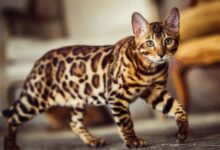
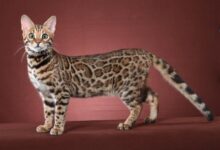
Cheetohs are medium to large-sized cats, typically weighing between 8 and 15 pounds. They possess a muscular build, reflecting their ancestry and contributing to their “mini cheetah” appearance. Their bodies are athletic and well-proportioned, with a strong, agile frame.The most striking feature of the Cheetoh is its spotted coat. The spots are randomly distributed across the body, resembling those of a cheetah.
Color variations are common, including brown (the most common), blue, silver, and even rare variations like lavender. The coat texture is short, dense, and sleek, providing a luxurious feel. The length is moderate, allowing for easy grooming.
| Feature | Description | Variation | Example |
|---|---|---|---|
| Coat Pattern | Randomly distributed spots | Brown, Blue, Silver, Lavender | Large, bold spots on a brown background |
| Eye Color | Typically gold or green | Gold, Green, Copper | Bright, piercing gold eyes |
| Body Type | Muscular and athletic | Medium to Large | Well-defined muscles and a strong frame |
| Ear Shape | Medium-sized, slightly rounded tips | Slightly cupped, alert | Ears that stand erect and express attentiveness |
The combination of a muscular build and a spotted coat creates a visually striking feline that truly resembles a miniature cheetah.
Temperament and Personality Traits
Cheetohs are known for their playful, energetic, and affectionate personalities. They are intelligent and curious cats, always eager to explore their surroundings and engage in interactive play. They form strong bonds with their human families and thrive on attention.Cheetohs generally get along well with children and other pets, provided they are properly socialized from a young age. Their playful nature makes them excellent companions for active families.
They are also known to be quite trainable, responding well to positive reinforcement techniques. Anecdotally, many Cheetoh owners report their cats enjoying playing fetch, learning tricks, and even walking on a leash. Comparison of Temperaments:
- Cheetoh: Playful, energetic, affectionate, intelligent, trainable.
- Bengal: Active, vocal, demanding of attention, can be more independent.
- Ocicat: Social, playful, intelligent, enjoys interactive games, can be more reserved than Cheetohs.
Care and Maintenance Requirements

Source: hepper.com
Grooming a Cheetoh is relatively straightforward. Their short, dense coat requires brushing once or twice a week to remove loose hair and maintain its shine. Bathing is typically only necessary a few times a year, unless they get particularly dirty.A high-quality diet is crucial for maintaining a Cheetoh’s health and energy levels. Look for a cat food that is rich in protein and essential nutrients.
Supplementing their diet with occasional treats and wet food can also be beneficial.Cheetohs are energetic cats that require plenty of exercise and enrichment. Providing them with interactive toys, scratching posts, and climbing structures will help keep them physically and mentally stimulated. Daily play sessions are essential.Common health concerns in Cheetohs are generally those seen in their parent breeds, such as hypertrophic cardiomyopathy (HCM) and progressive retinal atrophy (PRA).
Responsible breeders screen their cats for these conditions to minimize the risk of passing them on to their offspring.
| Care Aspect | Frequency | Example |
|---|---|---|
| Grooming | 1-2 times per week | Brushing with a rubber grooming mitt |
| Feeding | Twice daily | High-quality dry cat food with added wet food occasionally |
| Exercise | Daily | Interactive play sessions with feather wands and laser pointers |
Cheetohs as Companion Animals
Cheetohs can be wonderful companions for a variety of lifestyles. Their playful and affectionate nature makes them well-suited for families with children, while their intelligence and trainability can appeal to single individuals seeking an interactive pet. However, their energetic nature means they require a significant time commitment for play and enrichment.Cheetohs are social animals and thrive on interaction with their human families.
Providing them with plenty of attention, affection, and playtime will help them feel secure and loved. Introducing a Cheetoh to a new home should be done gradually, allowing them time to adjust to their surroundings and establish a routine.
“Bringing a Cheetoh into our family was the best decision we ever made! She’s playful, affectionate, and always keeps us entertained. Her unique markings and energetic personality are just captivating. We wouldn’t trade her for anything!”
Sarah M., Cheetoh Owner
Breeding and Ethical Considerations
Breeding Cheetoh cats is a complex process that requires careful planning and a deep understanding of genetics. Responsible breeders prioritize the health and temperament of their cats, carefully selecting breeding pairs to minimize the risk of genetic health issues.Genetic testing and health screening are essential components of responsible Cheetoh breeding programs. Breeders should screen their cats for HCM, PRA, and other common feline diseases.
Maintaining genetic diversity within the breed is also crucial to prevent inbreeding and reduce the risk of inherited health problems.The creation and sale of exotic cat breeds raise ethical considerations. It’s important to ensure that these breeds are bred responsibly and that their welfare is prioritized. The potential for genetic health issues in Cheetohs highlights the importance of ethical breeding practices.
| Ethical Consideration | Explanation |
|---|---|
| Genetic Diversity | Maintaining a wide gene pool to prevent inbreeding and reduce the risk of inherited diseases. |
| Responsible Breeding | Prioritizing the health and temperament of cats, and avoiding breeding practices that could compromise their welfare. |
| Health Screening | Testing breeding cats for genetic diseases like HCM and PRA. |
Visual Descriptions & Imagery
Imagine a Cheetoh cat lounging in a sunbeam, its spotted coat shimmering with golden light. The muscles ripple beneath its sleek fur as it stretches languidly, exuding an air of relaxed confidence. The play of light accentuates the bold spots, creating a mesmerizing pattern.Picture a Cheetoh cat playfully batting at a toy mouse, its movements a blur of agility and coordination.
Its eyes are focused intently on the prize, and its body is coiled and ready to pounce. The cat’s grace and athleticism are evident in every movement.Envision a Cheetoh cat interacting gently with a young child, rubbing against their legs and purring contentedly. The cat’s affectionate nature is apparent in its soft gaze and gentle demeanor. The scene is one of warmth and companionship.Observe a close-up of a Cheetoh’s face, focusing on its expressive eyes and distinctive markings.
The eyes are bright and intelligent, reflecting the cat’s curious nature. The spots around the eyes create a unique and captivating pattern.Witness a Cheetoh cat gracefully leaping onto a high cat tree, showcasing its athleticism and agility. The cat’s powerful legs propel it effortlessly upward, demonstrating its impressive physical capabilities.
Cheetohs in Popular Culture & Media
While Cheetohs are still a relatively new breed, their striking appearance has occasionally caught the attention of popular culture. Breeds resembling Cheetohs, particularly Bengals and Ocicats, have appeared in movies and television shows as exotic or “wild” pets. The breed’s unique spotted coat often contributes to its portrayal as a visually striking and somewhat mysterious feline.Online communities and social media groups dedicated to Cheetoh cats are growing in popularity, providing a platform for owners to share photos, stories, and advice.
Social media has undoubtedly played a role in increasing the breed’s visibility and recognition. Fictional Characters Resembling Cheetoh Cats:
- Bagheera (The Jungle Book): While a panther, Bagheera’s sleek black coat and confident demeanor share similarities with the Cheetoh’s appearance and personality.
- Cheetah (DC Comics): The superhero Cheetah, with her feline-inspired powers and appearance, embodies the speed and agility associated with the Cheetoh breed.
- Various spotted cat characters in animated films: Many animated films feature spotted cat characters with playful and energetic personalities, reflecting the Cheetoh’s temperament.
Comparing Cheetohs to Similar Breeds
The Cheetoh shares similarities with several other spotted cat breeds, but also possesses unique characteristics that set it apart.Comparing the Cheetoh to the Bengal, both breeds feature spotted coats and energetic personalities. However, Cheetohs are generally larger and have a more pronounced cheetah-like appearance. Bengals can be more vocal and demanding of attention than Cheetohs.The Ocicat also shares a spotted coat with the Cheetoh, but the Ocicat’s spots are typically more defined and rectangular.
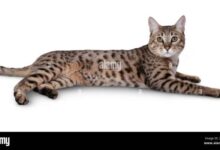
Ocicats are known for their social and playful nature, but may be slightly more reserved than Cheetohs.The Savannah cat is significantly larger than the Cheetoh and possesses a more wild appearance due to its Serval ancestry. Savannahs are also subject to legal restrictions in some areas, which do not apply to Cheetohs.
| Breed | Key Feature | Comparison to Cheetoh |
|---|---|---|
| Bengal | Spotted coat, energetic personality | Smaller than Cheetoh, can be more vocal. |
| Ocicat | Spotted coat, social personality | Spots more defined, may be slightly more reserved. |
| Savannah | Large size, Serval ancestry | Significantly larger, more wild appearance, legal restrictions. |
Finding a Reputable Breeder or Rescue
Finding a reputable Cheetoh breeder requires careful research and due diligence. Look for breeders who prioritize the health and temperament of their cats, and who are transparent about their breeding practices. Visiting a breeder’s facility and meeting the parent cats is essential.While rare, adopting a Cheetoh from a rescue organization is also a possibility. Contacting local cat rescues and exotic animal sanctuaries can be a good starting point.
Questions to Ask a Breeder or Rescue Organization:
- What health testing do you perform on your breeding cats?
- Can I meet the parent cats?
- What is your guarantee regarding the health and temperament of your kittens?
- What is your experience with breeding Cheetohs?
Red Flags to Watch Out For:
- Breeders who are unwilling to provide information about their breeding practices.
- Breeders who sell kittens at very low prices.
- Breeders who do not health test their cats.
- Breeders who keep their cats in unsanitary conditions.
Concluding Remarks
From its carefully planned origins to its playful antics and striking appearance, the Cheetoh cat is a truly remarkable breed. Whether you’re a seasoned cat enthusiast or simply curious about unique feline companions, the Cheetoh offers a captivating blend of wild beauty and domestic charm. Understanding their needs, from proper care to ethical breeding practices, is key to ensuring these mini cheetahs thrive and bring joy to their families for years to come.
Ultimately, the Cheetoh represents a fascinating intersection of genetics, dedication, and the enduring human desire to connect with the animal kingdom. It’s a breed that continues to evolve and capture hearts, proving that sometimes, the best things come in small, spotted packages.
Quick FAQs
Are Cheetoh cats hypoallergenic?
Unfortunately, no. Like most cats, Cheetohs produce Fel d 1, the primary allergen responsible for cat allergies. While some individuals may experience milder reactions, they are not considered hypoallergenic.
How much do Cheetoh kittens typically cost?
The price of a Cheetoh kitten can vary widely, typically ranging from $1,500 to $3,000 or even higher, depending on the breeder, lineage, and coat pattern. Be wary of significantly lower prices, as they could indicate unethical breeding practices.
Do Cheetohs require a lot of exercise?
Yes, Cheetohs are energetic cats and need plenty of exercise. Interactive play sessions, climbing structures, and puzzle toys are essential to keep them physically and mentally stimulated. Aim for at least 30-60 minutes of active playtime daily.
What is the average lifespan of a Cheetoh cat?
With proper care and a healthy lifestyle, Cheetohs typically live between 12 and 15 years. Regular vet checkups and a balanced diet are crucial for longevity.
Are Cheetohs good with dogs?
Cheetohs can often get along well with dogs, especially if they are introduced at a young age. However, their playful and energetic nature might be overwhelming for some dogs. Careful supervision and gradual introductions are always recommended.

