Dealing with a sick kitty is never easy, and sometimes antibiotics like amoxicillin are part of the solution. This guide dives deep into everything you need to know about using amoxicillin for your cat – from understanding why it’s prescribed and how to administer it, to recognizing potential side effects and ensuring responsible usage. We’ll cover common infections, potential interactions, and what to do if you have any concerns, all to help your feline friend get back to their purrfect self.
Amoxicillin is a widely used antibiotic in veterinary medicine, effective against a range of bacterial infections common in cats. However, its responsible use is crucial to combat the growing threat of antibiotic resistance. Understanding proper dosage, potential side effects, and interactions is vital for ensuring your cat receives the best possible care while minimizing risks.
Amoxicillin for Cats: A Comprehensive Guide
Amoxicillin is a commonly prescribed antibiotic for cats, and understanding its uses, administration, and potential side effects is crucial for responsible pet ownership. This guide aims to provide a clear and informative overview of amoxicillin in feline health, covering everything from dosage to potential interactions and resistance. We’ll break down the essential information you need to know to ensure your cat receives the best possible care.
Introduction to Amoxicillin and Feline Health
Amoxicillin belongs to the penicillin family of antibiotics, effectively combating bacterial infections. In veterinary medicine, it’s a go-to choice for treating a variety of ailments in cats. Common bacterial infections treated with amoxicillin include upper respiratory infections (URIs), skin infections (like abscesses and cellulitis), and urinary tract infections (UTIs). It’s important to remember that antibiotics are only effective against bacterial infections; they won’t work against viral infections like the common cold.
Responsible antibiotic usage is paramount to prevent the development of antibiotic resistance. Overuse and misuse can lead to bacteria evolving and becoming less susceptible to treatment, making future infections harder to manage. Always follow your veterinarian’s instructions carefully and complete the full course of medication, even if your cat appears to be feeling better.
Dosage and Administration for Cats
Determining the correct dosage of amoxicillin for your cat is vital for its effectiveness and safety. The dosage is typically calculated based on the cat’s weight. Here’s a table outlining standard dosages:
| Weight Range (lbs) | Dosage (mg/kg) | Frequency | Duration |
|---|---|---|---|
| 5-10 lbs | 20-30 | Every 8-12 hours | 7-14 days |
| 11-15 lbs | 20-30 | Every 8-12 hours | 7-14 days |
| 16-20 lbs | 20-30 | Every 8-12 hours | 7-14 days |
| 21-25 lbs | 15-20 | Every 8-12 hours | 7-14 days |
| 26+ lbs | 15-20 | Every 8-12 hours | 7-14 days |
Amoxicillin comes in various formulations for cats, including capsules, liquid suspensions, and chewable tablets. Capsules can be given whole or opened and mixed with a small amount of wet food, ensuring the cat consumes the entire dose. Liquid formulations are often preferred for cats who dislike capsules. Chewable tablets are generally palatable but may not be suitable for all cats.
Accurate weight measurement is absolutely essential before administering any medication. Even a slight difference in weight can affect the correct dosage. When administering liquid amoxicillin, use an oral syringe to ensure precise measurement and delivery. To mask the taste, try mixing it with a small amount of tuna juice or a palatable treat.
Potential Side Effects in Cats
Source: cats.com
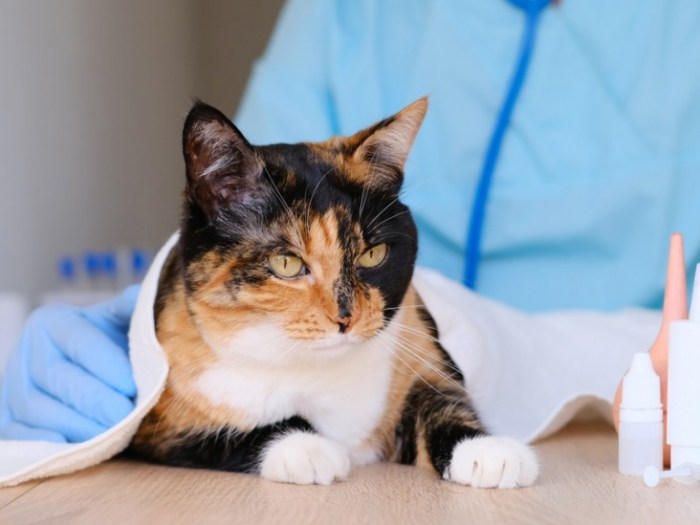
While generally safe, amoxicillin can cause side effects in some cats. These can range from mild to severe. Mild side effects are often temporary and resolve on their own. Moderate side effects may require veterinary intervention. Severe side effects necessitate immediate veterinary attention.
Common mild side effects include decreased appetite and mild diarrhea. Moderate side effects can include vomiting and more persistent diarrhea. Severe side effects are less common but can be life-threatening. Signs of an allergic reaction to amoxicillin include facial swelling, hives (raised bumps on the skin), and difficulty breathing. If your cat exhibits any of these signs, seek immediate veterinary care.
Gastrointestinal side effects like vomiting and diarrhea are relatively common. To mitigate these, feed your cat smaller, more frequent meals and ensure they have access to fresh water.
Interactions with Other Medications and Substances
Understanding potential interactions between amoxicillin and other medications or substances is crucial for your cat’s safety. Amoxicillin can interact with certain pain relievers, potentially increasing the risk of bleeding. It can also interact with some heart medications, affecting their efficacy. Food can also influence amoxicillin’s absorption. Foods high in calcium or dairy products can bind to amoxicillin, reducing its effectiveness.
It’s absolutely vital to inform your veterinarian about all medications and supplements your cat is taking, including over-the-counter products.
A scenario: Your cat is currently taking a heart medication and an anti-inflammatory for arthritis. Introducing amoxicillin without informing the veterinarian could lead to unpredictable interactions, potentially increasing the risk of bleeding or interfering with the heart medication’s effectiveness. Always disclose the complete medication list to ensure safe and effective treatment.
Common Infections Treated with Amoxicillin in Cats
Amoxicillin is frequently used to treat upper respiratory infections (URIs) in cats, which are often caused by bacteria like
- Chlamydophila felis* and
- Bordetella bronchiseptica*. Symptoms of URIs include sneezing, coughing, nasal discharge, and conjunctivitis (inflammation of the eyes). Amoxicillin helps to clear the bacterial infection and alleviate these symptoms. Skin infections, such as abscesses and cellulitis, are also commonly treated with amoxicillin. These infections often result from wounds or bites and are characterized by redness, swelling, pain, and pus.
Amoxicillin helps to fight the bacteria causing the infection and promote healing. Urinary tract infections (UTIs) in cats can be caused by various bacteria, and amoxicillin is often prescribed. However, antibiotic resistance is a growing concern, so your veterinarian may perform a bacterial culture and sensitivity test to determine the most effective antibiotic. Periodontal disease, a common dental condition in cats, can sometimes involve bacterial infections.
Amoxicillin may be used as part of a broader treatment plan that includes dental cleaning and other therapies.
Storage and Handling of Amoxicillin for Cats
Proper storage of amoxicillin is essential to maintain its potency and prevent accidental ingestion. Store amoxicillin in a cool, dry place, away from direct sunlight and heat. Keep the medication out of reach of children and pets to prevent accidental poisoning. Unused or expired amoxicillin should be disposed of properly. Contact your veterinarian or local pharmacy for guidance on safe disposal methods.
| Condition | Storage Recommendation |
|---|---|
| Capsules | Store in a tightly closed container at room temperature (68-77°F / 20-25°C). |
| Liquid Suspension | Refrigerate after opening and use within the timeframe specified on the label. |
| Chewable Tablets | Store in a tightly closed container at room temperature (68-77°F / 20-25°C). |
Amoxicillin Resistance in Feline Bacterial Infections
The increasing prevalence of antibiotic resistance in feline bacterial infections is a serious concern. Overuse and misuse of antibiotics are major contributors to the development of resistance. Bacteria can evolve and become less susceptible to antibiotics, making infections harder to treat. Completing the full course of amoxicillin as prescribed by your veterinarian is crucial to prevent resistance. Even if your cat appears to be feeling better, stopping the medication prematurely can allow some bacteria to survive and develop resistance.
If amoxicillin is ineffective due to resistance, your veterinarian may prescribe alternative antibiotics based on bacterial culture and sensitivity testing.
Veterinary Oversight and Prescription Requirements
Amoxicillin is a prescription medication for cats, and obtaining it without a veterinarian’s prescription is illegal and potentially harmful. Veterinary consultation is essential to ensure accurate diagnosis and appropriate treatment. Before prescribing amoxicillin, a veterinarian may perform diagnostic procedures such as a bacterial culture and sensitivity test. This helps identify the specific bacteria causing the infection and determine which antibiotics are most effective.
The veterinarian’s role extends beyond prescribing medication; they also monitor the cat’s response to treatment and adjust the dosage or medication as needed.Here are some questions you should ask your veterinarian regarding amoxicillin treatment:
- What is the specific infection my cat has?
- What is the correct dosage and frequency of administration?
- What are the potential side effects I should watch out for?
- How long should I continue administering the medication?
- What should I do if my cat misses a dose?
Alternatives to Amoxicillin for Specific Infections
While amoxicillin is a common choice, other antibiotics may be more appropriate for certain feline infections. Cephalexin is another frequently used antibiotic with a similar spectrum of activity to amoxicillin. Clindamycin is often used for infections involving anaerobic bacteria. The veterinarian considers several factors when choosing an antibiotic, including the type of infection, the severity of the infection, the cat’s overall health, and any known allergies.
Supportive care, such as fluids and nutritional support, can significantly aid in recovery from infection, regardless of the antibiotic used.
Illustrative Cases: Amoxicillin Treatment in Cats
A cat named Whiskers presented with a severe dental abscess, causing significant pain and difficulty eating. After a thorough examination and dental X-rays, the veterinarian prescribed amoxicillin along with a professional dental cleaning. Within a week of treatment, Whiskers’ pain subsided, and his appetite returned to normal. A tabby cat named Leo developed a skin infection after a fight with another cat.
The veterinarian prescribed amoxicillin, and Leo responded well to the treatment, with the infection clearing up completely within 10 days. A female cat named Luna suffered from recurrent urinary tract infections. After a bacterial culture revealed a susceptible strain, Luna was treated with amoxicillin, and her symptoms resolved. Regular follow-up veterinary visits helped prevent future infections. A young cat named Oliver was diagnosed with a respiratory infection characterized by sneezing and nasal discharge.
Amoxicillin helped alleviate Oliver’s symptoms and promote healing, allowing him to breathe easier and regain his energy.
Wrap-Up
Navigating the world of feline health can feel overwhelming, but knowing the basics of amoxicillin treatment empowers you to be a proactive and informed pet parent. From understanding the importance of veterinary oversight to recognizing signs of adverse reactions, this guide provides a solid foundation for supporting your cat’s recovery. Remember, always consult your veterinarian for personalized advice and to ensure the best possible outcome for your beloved companion.
Ultimately, amoxicillin can be a valuable tool in treating bacterial infections in cats, but it’s just one piece of the puzzle. Combining appropriate medication with supportive care and regular veterinary check-ups is the key to keeping your feline friend happy and healthy.
Detailed FAQs
Can I give my cat amoxicillin prescribed for another pet?
Absolutely not! Amoxicillin dosages and treatment plans are specific to each animal’s weight, condition, and the type of infection. Giving medication intended for another pet can be dangerous and ineffective.
What if my cat refuses to take the liquid amoxicillin?
Try mixing it with a small amount of wet cat food or a palatable treat. You can also use a syringe to administer it directly into the side of their mouth, but be gentle and patient. Consult your vet for further tips if your cat is particularly resistant.
How long does it take to see improvement after starting amoxicillin?
You may start to see improvement within 24-48 hours, but it’s crucial to complete the entire course of medication as prescribed by your veterinarian, even if your cat seems better. Stopping early can lead to a relapse and contribute to antibiotic resistance.
Is amoxicillin safe for kittens?
Amoxicillin can be used in kittens, but only under the strict guidance of a veterinarian. Dosage adjustments are necessary based on the kitten’s weight and age, and potential side effects need to be carefully monitored.
Can amoxicillin interact with flea and tick medications?
It’s always best to inform your veterinarian about all medications your cat is taking, including flea and tick preventatives. While interactions are not common, it’s important to rule out any potential conflicts.
What should I do if I suspect my cat has an allergic reaction to amoxicillin?
Seek immediate veterinary attention. Signs of an allergic reaction include facial swelling, hives, difficulty breathing, and excessive drooling. This is a medical emergency.