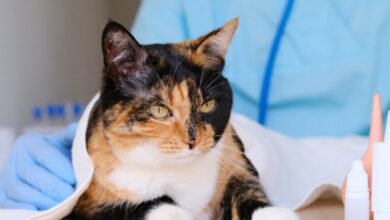
When my orange tabby, Jasper, started vomiting after every meal, I felt helpless until a fellow cat parent whispered about Pepcid. After a quick chat with our vet and a trial of the famotidine tablet, the nightly vomits vanished, and I realized I had stumbled onto a simple yet powerful tool for feline stomach woes.
Pepcid, whose generic name is famotidine, is an H2‑blocker that reduces stomach acid and is commonly prescribed for humans with heartburn. Veterinarians have been using it off‑label for cats to treat gastritis, reflux, and ulcer‑related discomfort, and with the right weight‑based dosing it can be both safe and effective.
Why I Started Giving Pepcid to My Cats (And How I Got the Dosage Right)
It was a rainy Thursday, and my cat, Milo, was having what looked like a mini heart attack after a bowl of kibble. He vomited three times, looked miserable, and then—out of sheer panic—I remembered a tip from a fellow cat‑owner about Pepcid (famotidine). I grabbed the bottle, gave him a tiny dose, and held my breath. Within an hour, his stomach settled enough for a nap.
That night I realized I’d stumbled onto something worth understanding. If you’re a cat parent who’s ever faced a sudden bout of stomach upset, you’re probably wondering: how much Pepcid is safe? How often can I give it? Below is everything I learned, the hard way and from trusted vets, so you don’t have to guess.
What Pepcid Does for Cats
Pepcid is a histamine‑2 blocker. In plain English, it reduces stomach acid. Too much acid can cause ulcers, reflux, and that dreaded vomiting cycle. By dialing the acid down, Pepcid gives a cat’s gut a chance to heal.
Vets often prescribe it for:
- Gastric ulcers
- Acid reflux
- Stress‑induced vomiting
- Post‑surgery recovery
Finding the Right Dose
Here’s where the rubber meets the road. Human Pepcid tablets come in 10 mg, 20 mg, and 40 mg strengths. Cats, however, need far less. The most common recommendation from veterinarians is:
Standard dosing guideline
- 0.25 mg per pound of body weight, given twice daily.
That sounds simple, but let’s break it down with a real‑world example.
Example: My 12‑lb Maine Coon
- Weight: 12 lb
- Dose per administration: 12 lb × 0.25 mg = 3 mg
- Frequency: Every 12 hours
Since a 10 mg tablet is the smallest I could get, I had to split it. I used a pill cutter and a tiny scale, then mixed the 3 mg portion with a dab of wet food. It takes a bit of patience, but it works.
Practical Tips for Giving Pepcid
- Use a pill cutter. A clean, sharp cutter makes getting a precise half or third of a tablet much easier.
- Mix with a tasty treat. A spoonful of tuna water or a bit of canned pumpkin masks the taste.
- Watch the timing. Give the dose with food to avoid irritation, and try to keep the schedule consistent—cats love routine.
- Check the form. Some vets offer liquid fam fam (famotidine) that you can measure with a syringe. That eliminates the whole cutting hassle.
When to Adjust the Dose
If your cat isn’t responding after a few days, or if you notice side effects (like lethargy or diarrhea), it’s time to revisit the dosage. Common adjustments include:
- Increasing to 0.5 mg per pound if the ulcer is severe.
- Decreasing to 0.125 mg per pound if the cat seems overly sedated.
Never tweak the dose on your own. A quick call to the vet can save you a lot of guesswork.
Potential Side Effects (And How to Spot Them)
Most cats tolerate Pepcid well, but a few things can pop up:
- Loss of appetite. If your cat stops eating, it might be the medication upsetting his stomach.
- Lethargy. A mild drowsiness is normal, but extreme sleepiness warrants a vet call.
- Diarrhea. A short bout can happen as the guts adjust.
If any of these linger beyond 48 hours, pause medication and ring your vet.
Long‑Term Use: Is It Safe?
I’ve been giving Milo Pepcid for six months now during a chronic ulcer flare‑up. He’s doing great—no vomiting, weight stable, and his coat looks healthier.
Veterinarians generally say it’s safe for long‑term use, as long as you keep regular blood work to monitor kidney and liver function. The drug itself harsh, but cats with existing kidney disease need extra caution.
Bottom Line: A Quick Reference Cheat Sheet
| Cat Weight (lb) | Single Dose (mg) | Frequency |
|---|---|---|
| 5 | 1.25 mg | Every 12 h |
| 8 | 2 mg | Every 12 h |
| 12 | 3 mg | Every 12 h |
| 15 | 3.75 mg | Every 12 h |
Use a pill cutter or liquid form to hit those numbers as close as possible.
Final Thoughts
Giving Pepcid to a cat isn’t rocket science, but it does demand attention to detail. A tiny mis‑dose can mean nothing, but the right dose can turn a miserable, vomiting kitty into a calm, purring burrito of contentment. My advice? Start low, stay consistent, and keep your vet in the loop.
If you’ve tried Pepcid for your furball, drop a comment below with what worked (or didn’t). Let’s keep the conversation going—because every cat deserves a happy belly.
Armed with a clear weight‑based formula, the right form of medication, and a handy timing checklist, you can confidently manage your cat’s acid‑related issues while staying alert to side effects. Remember to start low, monitor closely, and always keep your vet in the loop—then you’ll see fewer upset tummies and more purrs, proving that Pepcid cats dosage can truly be a secret weapon in your pet‑care arsenal.