Finding the Best Enzyme Cleaner for Cat Urine A Complete Guide

Let’s face it, cat ownership is full of joys, but accidents happen. That lingering cat urine smell? It’s more than just unpleasant; it’s a chemical battleground of uric acid crystals that standard cleaners simply can’t conquer. Understanding why cat urine is so persistent and how enzyme cleaners work is the first step to reclaiming your home’s freshness. This guide dives deep into the science, reviews top products, and provides practical tips to tackle even the toughest stains and odors, ensuring a happy, healthy, and odor-free environment for you and your feline friend.
The real challenge isn’t just masking the smell; it’s eliminating the source. Cat urine contains uric acid, which forms stubborn crystals that resist water-based cleaning. These crystals are what cause the lingering odor, even after repeated attempts with regular cleaners. Enzyme cleaners, however, offer a biological solution, utilizing enzymes to break down these crystals into harmless compounds, effectively neutralizing the odor and removing the stain at its root.
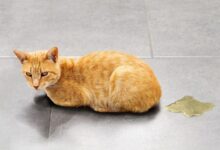
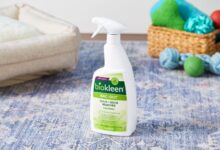
The Ultimate Guide to Cat Urine Stain and Odor Removal
Dealing with cat urine in your home can be incredibly frustrating. It’s not just the unpleasant smell; it’s the lingering stain and the potential for your cat to repeat the behavior. The good news is, with the right knowledge and tools, you can effectively tackle even the toughest cat urine messes. This guide will walk you through everything you need to know about understanding cat urine, choosing the best enzyme cleaner, and applying it correctly for a truly clean and fresh-smelling home.
1. Understanding Cat Urine & Why Specialized Cleaners are Needed
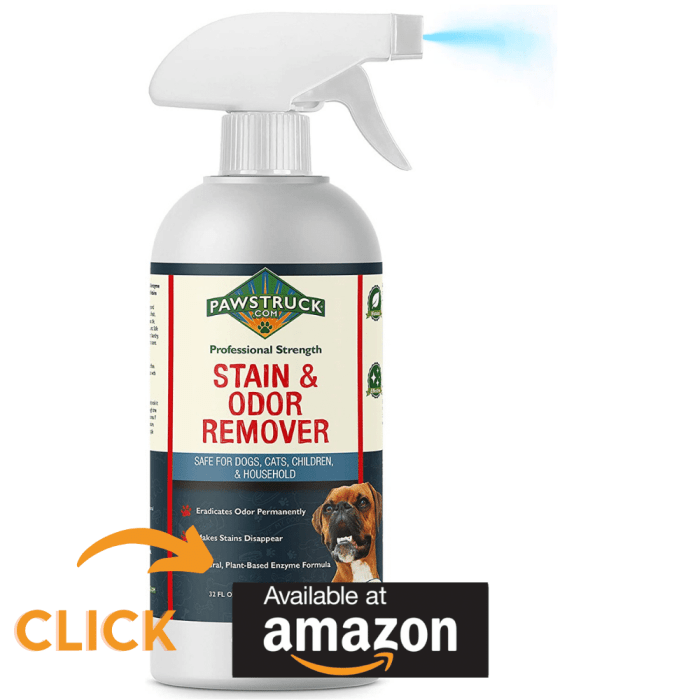
Source: revisitedreviews.com
Cat urine is chemically complex, and that’s why standard cleaning products often fail. It’s not just about the smell; it’s about the residue left behind. The primary culprit is uric acid, a crystalline compound that doesn’t dissolve in water. This means regular cleaners just spread the urine around, making the problem worse.Male cat urine tends to be more concentrated and have a stronger odor than female cat urine, largely due to higher levels of protein and hormones.
The staining potential is also generally higher in males. Household cleaners like bleach or ammonia-based products are particularly problematic. Bleach can react with ammonia in cat urine to create toxic gases, and ammonia itself can actually attract cats back to the same spot, encouraging repeat accidents.Enzymatic cleaners work by harnessing the power of enzymes – biological catalysts that break down complex molecules into simpler, odorless compounds.
These enzymes specifically target the uric acid crystals, proteins, and other components of cat urine, effectively eliminating the source of the odor and stain. They essentially “digest” the urine, leaving behind no residue.
2. Top Enzyme Cleaner Options
A Detailed Review
Choosing the right enzyme cleaner can feel overwhelming with so many options available. Here’s a comparison of some popular choices to help you make an informed decision:
| Product Name | Brand | Key Ingredients | Odor Elimination Rating (1-5) | Stain Removal Rating (1-5) | Price Range | User Reviews Summary |
|---|---|---|---|---|---|---|
| Nature’s Miracle Advanced Stain & Odor Remover | Seachem | Prozyme Enzymes, Water, Surfactants | 5 | 5 | $15 – $30 | Highly effective on both new and old stains; strong odor control; some users find the scent slightly strong initially. |
| Rocco & Roxie Stain & Odor Eliminator | Rocco & Roxie | Probiotic Enzymes, Water, Botanical Extracts | 4.5 | 4.5 | $20 – $35 | Gentle formula; good for sensitive cats; effective on a wide range of surfaces; may require multiple applications for older stains. |
| Angry Orange Pet Odor Eliminator | Angry Orange | Enzymes, Citrus Extracts, Water | 4 | 4 | $10 – $25 | Strong citrus scent (some love it, some don’t); effective on tough odors; can leave a slight residue if not rinsed properly. |
| Puracy Natural Pet Stain & Odor Remover | Puracy | Plant-Based Enzymes, Coconut-Based Cleansers | 4 | 4 | $15 – $30 | Eco-friendly and non-toxic; gentle on surfaces; good for multi-pet households; may not be as powerful on very old or severe stains. |
| Bissell Pet Stain & Odor Remover Formula | Bissell | Enzymes, Water, Surfactants | 3.5 | 3.5 | $10 – $20 | Widely available; affordable; works well with Bissell carpet cleaners; some users report lingering scent. |
The specific enzymes in each cleaner are crucial. Proteases break down proteins, lipases target fats, and amylases tackle starches. The combination of these enzymes, along with surfactants that help lift the urine from surfaces, creates a powerful cleaning action.Spray formulations are convenient for spot cleaning, while liquid cleaners are often preferred for larger areas or pre-treating. Powder enzyme cleaners can be effective for heavily soiled carpets, but require thorough vacuuming afterward to avoid residue.
Regardless of the formulation, dwell time is critical. Enzymes need time to work; generally, 10-15 minutes for sprays, 30-60 minutes for liquids, and several hours for powders.
3. Factors to Consider When Choosing an Enzyme Cleaner
Selecting the right enzyme cleaner isn’t a one-size-fits-all situation. Several factors influence the best choice. Your cat’s age and size matter; older cats or larger cats may produce more concentrated urine. The surface type is also key – delicate fabrics require a gentler formula than durable carpets.Safety is paramount. Always choose a cleaner labeled as safe for pets and humans.
Avoid products containing phenols, formaldehyde, or artificial fragrances, as these can be harmful.Carpet requires a cleaner specifically designed for fibers, while hardwood floors need a formula that won’t damage the finish. Upholstery often benefits from a gentle, pH-neutral cleaner.The severity of the stain and odor dictates the cleaner’s strength. Fresh, light stains may respond well to a milder formula, while old, deeply embedded stains require a more potent enzyme concentration.
4. Application Methods & Best Practices
Proper application is just as important as choosing the right cleaner. Start by pre-cleaning the area with a damp cloth to remove any loose debris. Then, saturate the affected area with the enzyme cleaner, ensuring it penetrates deep into the padding or subfloor.Blot, don’t rub, the area with a clean cloth or paper towel. Rubbing can spread the urine and damage the fibers.
Allow the cleaner to dwell for the recommended time, keeping pets and children away from the area. Finally, blot the area again to remove excess moisture.Before applying any cleaner to a large area, test it on an inconspicuous spot to check for colorfastness. This simple step can prevent irreversible damage to your furniture or flooring.
5. Dealing with Stubborn or Old Cat Urine Stains
Old or deeply embedded cat urine stains can be particularly challenging. A blacklight (UV light) is an invaluable tool for locating hidden urine spots, even those that are no longer visible. Shine the blacklight in a darkened room; urine will fluoresce a bright blue-green.Pre-treatment solutions, such as a diluted vinegar solution (1 part white vinegar to 2 parts water), can help loosen stubborn stains before applying the enzyme cleaner.
After applying the enzyme cleaner, a wet/dry vacuum can be used to extract the cleaner and urine residue, ensuring a thorough cleaning.
6. Preventing Future Accidents & Maintaining Cleanliness
Prevention is always better than cure. Ensure your cat has adequate litter boxes – a general rule is one box per cat plus one extra. Place litter boxes in accessible and quiet locations, away from food and water. Experiment with different types of litter to find one your cat prefers.Regular litter box cleaning is essential. Scoop solid waste daily and completely empty and clean the box at least once a month.
A pet-friendly environment, free from stress and with plenty of enrichment, can also minimize the risk of accidents.A routine cleaning schedule, including regular vacuuming and spot cleaning, will help maintain a fresh-smelling home and prevent future urine stains.
7. Specific Scenarios & Problem Solving
Cleaning cat urine from delicate fabrics like silk or wool requires extra caution. Dilute the enzyme cleaner with water and test it on a hidden area first. Blot gently and avoid prolonged contact.Removing cat urine odor from car upholstery and carpets can be tricky. Ensure adequate ventilation while cleaning and consider using a wet/dry vacuum to extract the cleaner.Cat urine stains on concrete or other porous surfaces may require multiple applications of the enzyme cleaner and a longer dwell time.If a cat is repeatedly urinating in the same spot, it’s important to rule out any underlying medical conditions and address any behavioral issues that may be contributing to the problem.
8. Illustrative Examples
Visualizing the Cleaning Process
Imagine a homeowner, Sarah, struggling to remove a stubborn cat urine stain from her living room carpet. After trying several ineffective cleaners, she decided to try Nature’s Miracle. She pre-cleaned the area, saturated the stain with the cleaner, and let it dwell for 30 minutes. After blotting the area dry, the stain was completely gone, and the lingering odor had vanished.Consider a before-and-after scenario on a hardwood floor.
Before treatment, the floor emitted a strong ammonia-like odor. After applying Rocco & Roxie Stain & Odor Eliminator and allowing it to dry, the odor was completely eliminated, and the floor looked as good as new.A pet owner, Mark, used a blacklight to discover several hidden urine spots behind his sofa. He then effectively cleaned these spots with Puracy Natural Pet Stain & Odor Remover, preventing further odor issues.At a microscopic level, enzyme cleaners work by attacking the uric acid crystals.
Imagine these crystals as tightly packed structures. The enzymes latch onto these structures, breaking the bonds between the molecules. This process transforms the large, insoluble uric acid crystals into smaller, water-soluble compounds that can be easily rinsed away, leaving behind a clean and odor-free surface.
End of Discussion
From understanding the science behind enzymatic action to mastering application techniques and preventing future mishaps, this guide equips you with the knowledge to confidently tackle cat urine issues. Choosing the right enzyme cleaner, understanding dwell times, and employing preventative measures are key to a lasting solution. Don’t let cat urine control your home – with the right tools and techniques, you can restore freshness and enjoy a clean, odor-free living space for years to come.
It’s about more than just cleaning; it’s about creating a harmonious environment for both you and your beloved cat.
Detailed FAQs
Why are standard cleaners ineffective on cat urine?
Standard cleaners often don’t penetrate deep enough to reach the uric acid crystals, and some can even react with the urine, intensifying the odor.
What’s the difference between male and female cat urine odor?
Male cat urine generally has a stronger, more pungent odor due to higher concentrations of certain compounds. Female cat urine tends to be less concentrated but can still cause staining.
How long should I let an enzyme cleaner dwell?
Dwell times vary, but generally, 10-30 minutes is recommended. Powder formulations often require longer dwell times than sprays or liquids.
Can I use an enzyme cleaner on all surfaces?
Always test in an inconspicuous area first! While generally safe, some enzyme cleaners can discolor certain fabrics or finishes.
How can I find hidden urine spots?
A blacklight (UV light) will cause urine stains to glow, revealing hidden spots you might have missed.
What does “saturation” mean when applying an enzyme cleaner?
Saturation means applying enough cleaner to thoroughly soak the affected area, including the padding or subfloor beneath carpets.
Is it safe to use enzyme cleaners around my cat?
Most enzyme cleaners are safe for pets when used as directed, but always check the label for specific warnings and ensure your cat can’t ingest the cleaner.
