Dealing with cat urine is a surprisingly common and often frustrating problem for pet owners. It’s not just about the unpleasant smell; cat urine contains uric acid crystals that can permanently stain and damage surfaces. Understanding the science behind cat urine, from its chemical composition to the behavioral reasons behind accidents, is the first step in effectively tackling this issue and restoring your home to a fresh, odor-free state.
This guide will walk you through everything from DIY cleaning solutions to when it’s time to call in the professionals, ensuring you have the knowledge and tools to win the battle against cat urine.
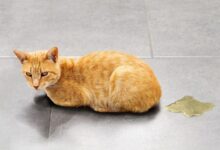
We’ll explore the nuances of different cleaning methods, diving into the power of enzymatic cleaners and how they differ from simple deodorizers. Beyond stain removal, we’ll address the persistent odor that lingers, even after the stain is gone, and provide strategies for preventing future accidents, creating a happier and healthier environment for both you and your feline friend.
Dealing with Cat Urine: A Comprehensive Guide for Pet Owners
Cat urine. Just the words can evoke a shudder, right? It’s not just the smell; it’s the stubborn stains and the potential damage it can inflict on your home. As a fellow cat lover, I’ve been there, battling the aftermath of an unexpected accident. This guide is born from that experience – a deep dive into understanding cat urine, tackling the mess, and preventing future incidents.
We’ll cover everything from the science behind the smell to when it’s time to call in the professionals. Let’s get started!
1. Understanding Cat Urine & Its Challenges
Cat urine is significantly more complex – and more difficult to remove – than urine from other animals. The key lies in its chemical composition. It’s rich in uric acid crystals, which don’t dissolve in water. These crystals are what cause the lingering odor and the stubborn stains. Unlike dog urine, which is mostly urea and easily broken down, cat urine requires a different approach.Beyond the chemistry, behavioral factors play a crucial role.
Inappropriate urination isn’t always a sign of a naughty cat; it’s often a symptom of stress, anxiety, or underlying medical issues like urinary tract infections or bladder stones. Marking behavior, where cats spray small amounts of urine to communicate, is also common, especially in multi-cat households or when a new animal is introduced.The surface affected also matters greatly. Carpets and upholstery are notorious for absorbing urine deeply into their fibers.
Hardwood floors, while seemingly less porous, can still absorb urine, especially if the finish is damaged. Concrete, with its dense structure, can trap urine and release odors for years if not properly treated. The absorption rate varies significantly, impacting the cleaning strategy needed.
2. DIY Cat Urine Removal Methods – Initial Steps
The first few minutes after an accident are critical. Quick action can significantly reduce the severity of the stain and odor. The initial cleanup should focus on blotting, absorbing, and ventilation.Start by blotting up as much urine as possible with paper towels or clean cloths. Press firmly to absorb, and replace the towels frequently until they come up relatively dry.
Avoid rubbing, as this can spread the stain. Next, cover the area with an absorbent material like baking soda. This will help draw out any remaining moisture and odor. Finally, ventilate the room by opening windows and doors to promote air circulation.Many common household items are touted as cat urine removers, but their effectiveness is limited. Baking soda is a good absorbent, but it doesn’t break down uric acid crystals.
Vinegar, while acidic, can damage some surfaces and doesn’t always neutralize the odor completely. Hydrogen peroxide
can* work on some stains, but it can also bleach fabrics and damage hardwood finishes, so test it in an inconspicuous area first.
The age of the stain is a major factor. Fresh urine is much easier to treat than old, dried-in urine. Older stains have had more time to penetrate surfaces and crystallize, making them more difficult to remove.Here’s a comparison of blotting versus scrubbing for different surface types:
| Surface Type | Blotting | Scrubbing |
|---|---|---|
| Carpet | Recommended | Avoid (can spread) |
| Upholstery | Recommended | Gentle only |
| Hardwood | Recommended | Avoid (can damage finish) |
3. Enzymatic Cleaners
The Science & Selection
Source: thesprucepets.com
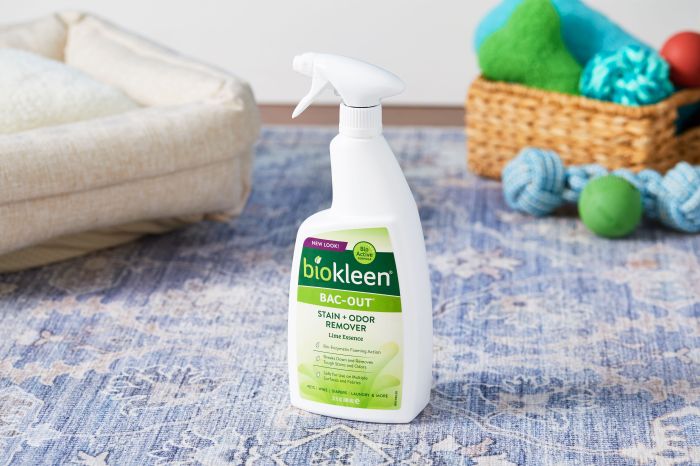
Enzymatic cleaners are the gold standard for cat urine removal because they target the root of the problem: uric acid crystals. These cleaners contain enzymes that break down the uric acid molecules into smaller, odorless compounds. It’s a biological process, not just a masking agent.Enzymatic cleaners come in various formulations: sprays are convenient for spot treatments, foams penetrate deep into carpets and upholstery, and powders are good for large areas.
The best choice depends on the surface and the severity of the stain.When selecting an enzymatic cleaner, prioritize pet-safe ingredients. Look for products that are free of harsh chemicals like bleach and ammonia. Dwell time is crucial – the enzymes need sufficient time to work, so follow the product instructions carefully. Finally, ensure the cleaner is compatible with the surface you’re treating.It’s important to distinguish enzymatic cleaners from simple deodorizers.
Deodorizers only mask the odor; they don’t eliminate the uric acid crystals. Enzymatic cleaners, on the other hand, actually break down the source of the odor.
4. Specific Surface Treatments – Carpets & Rugs
Cleaning carpets and rugs affected by cat urine requires a systematic approach. Begin with pre-treatment by blotting up as much urine as possible. Then, saturate the affected area with an enzymatic cleaner, ensuring it penetrates deep into the fibers. Allow the cleaner to dwell for the recommended time, typically several hours or even overnight. Finally, rinse the area thoroughly with clean water.For deeply embedded stains, multiple applications of the enzymatic cleaner may be necessary.
In severe cases, professional carpet cleaning is often the best solution.Here’s a flowchart to guide your decision-making process:[Flowchart: Start with “Cat Urine Stain?” Yes -> “DIY Treatment (Enzymatic Cleaner)” -> “Stain & Odor Gone?” Yes -> End. No -> “Professional Carpet Cleaning”]Different carpet fiber types react differently to cleaning solutions. Wool carpets are particularly delicate and require gentle cleaning methods.
Synthetic fibers like nylon and polyester are generally more durable. Always test any cleaning solution in an inconspicuous area before applying it to the entire carpet.
5. Specific Surface Treatments – Upholstery & Fabrics
Cleaning upholstery presents unique challenges due to the variety of fabric types and constructions. Delicate fabrics like silk and velvet are best left to professionals. For other fabrics, spot-treating is the preferred method.When spot-treating upholstery, always test the cleaner in a hidden area first. Blot the stain gently, working from the outside in to prevent spreading. Avoid excessive moisture, as this can damage the fabric.Steam cleaning can be effective for some upholstery fabrics, but it carries risks.
Excessive heat can damage delicate fibers and set stains. Always consult the manufacturer’s care instructions before steam cleaning.Here’s a guide for cleaning different upholstery fabrics:
- Microfiber: Enzymatic cleaner, blot gently.
- Cotton: Enzymatic cleaner, may require rinsing.
- Velvet: Professional cleaning recommended.
6. Specific Surface Treatments – Hardwood & Tile Floors
Hardwood floors are particularly vulnerable to water damage, so using water-based cleaners requires caution. Avoid excessive moisture and opt for diluted enzymatic cleaners or mild soap solutions. Never use ammonia or bleach on hardwood floors.For tile floors, cleaning cat urine from grout lines can be tricky. A grout cleaner specifically designed for removing stains and odors is often the best choice.
Pre-treating the grout with a baking soda paste can also help loosen the urine residue.Sealing hardwood floors is a preventative measure that can significantly reduce the risk of urine penetration. A well-sealed floor creates a barrier that prevents urine from soaking into the wood.Here’s a table outlining cleaning solutions suitable for different flooring materials:
| Flooring Material | Recommended Cleaner | Avoid |
|---|---|---|
| Sealed Hardwood | Enzymatic cleaner (diluted), mild soap | Ammonia, bleach |
| Tile (Sealed Grout) | Enzymatic cleaner, grout cleaner | Acidic cleaners |
| Vinyl | Enzymatic cleaner, all-purpose cleaner | Abrasive cleaners |
7. Dealing with Odor – Beyond Stain Removal
Even after removing the visible stain, the odor can persist. This is because residual uric acid crystals remain, slowly releasing odors over time.Activated charcoal is an excellent odor absorber. Place bowls of activated charcoal near the affected area to help neutralize the smell. Other odor-absorbing materials like baking soda and coffee grounds can also be effective.For enclosed spaces like basements or closets, a thorough cleaning is essential.
Empty the room, clean all surfaces with an enzymatic cleaner, and ventilate the space for several days.
“The pungent smell associated with cat urine is primarily due to volatile organic compounds (VOCs), particularly ammonia and sulfur-containing compounds. These VOCs evaporate into the air, triggering olfactory receptors and creating a persistent odor. Simply removing the stain doesn’t eliminate these VOCs, necessitating odor-neutralizing techniques.”
8. Preventing Future Accidents
Preventing future accidents is the best way to avoid the stress and mess of dealing with cat urine. Managing cat behavior is key. Ensure your cat has plenty of opportunities to play and exercise to reduce stress and anxiety.Regular veterinary checkups are crucial to rule out any underlying medical conditions that may be contributing to inappropriate urination.Proper litter box management is essential.
Provide enough litter boxes (generally one per cat plus one extra), place them in accessible locations, use a litter type your cat prefers, and clean them frequently.Here’s a checklist for creating a cat-friendly environment:
- Multiple litter boxes in accessible locations
- Regular litter box cleaning (daily scooping, weekly full change)
- Stress-reducing environment (calm spaces, scratching posts, toys)
- Consistent feeding and watering schedule
- Regular playtime and interaction
9. Professional Cleaning Services – When to Call in the Experts
For severe or persistent cat urine issues, hiring a professional cleaning service is often the most effective solution. Professionals have the expertise, equipment, and cleaning products to tackle even the toughest stains and odors.Different types of professional cleaning services are available, including carpet cleaning, upholstery cleaning, and specialized odor removal services.When selecting a professional cleaning service, ask about their experience with pet urine removal, the types of cleaning products they use, and their guarantees.Here’s a comparison of DIY versus professional cleaning:
| Factor | DIY | Professional |
|---|---|---|
| Cost | Lower | Higher |
| Time | More | Less |
| Effectiveness (Severe Stains) | Lower | Higher |
Final Conclusion
From understanding the science of uric acid crystals to mastering the art of enzymatic cleaning, this guide provides a comprehensive roadmap for dealing with cat urine. Whether you’re facing a fresh accident or battling deeply embedded, old stains, you now have the knowledge to choose the right approach. Remember, prevention is key – by addressing behavioral issues, maintaining a clean litter box, and creating a stress-free environment, you can significantly reduce the likelihood of future incidents and enjoy a harmonious home with your cat.
Ultimately, tackling cat urine requires a combination of understanding, persistence, and the right tools. With the information presented here, you’re well-equipped to conquer the challenge and reclaim your home from the lingering effects of cat urine.
Common Queries
Why is cat urine so hard to remove?
Cat urine contains uric acid crystals, which don’t dissolve in water and are resistant to many common cleaning agents. This is why simple cleaning often just masks the odor, rather than eliminating it.
Can vinegar really remove cat urine smell?
Vinegar can help neutralize some odors, but it doesn’t break down the uric acid crystals. It’s a decent temporary solution, but enzymatic cleaners are far more effective for complete removal.
What’s the difference between an enzymatic cleaner and a deodorizer?
Deodorizers simply mask the smell, while enzymatic cleaners contain enzymes that break down the uric acid crystals, eliminating the source of the odor.
How long should I let an enzymatic cleaner sit on the stain?
This varies by product, but most enzymatic cleaners require a “dwell time” of 10-30 minutes to allow the enzymes to work effectively. Always follow the manufacturer’s instructions.
Why does the urine smell come back even after cleaning?
Residual uric acid crystals may still be present, especially in porous materials. Thorough cleaning and potentially multiple applications of an enzymatic cleaner are needed.
What can I do to prevent my cat from urinating outside the litter box?
Rule out medical issues with a vet visit, ensure the litter box is clean and appealing, and consider stress reduction techniques like providing scratching posts and safe spaces.
Is it safe to use bleach on cat urine?
No! Bleach can react with ammonia in cat urine to create toxic fumes. It’s also ineffective at removing uric acid crystals.

