Let’s face it, hairballs are a pretty unpleasant part of cat ownership. That hacking sound, the little pile on the rug… nobody wants that! But it’s a natural consequence of a cat’s meticulous grooming habits. They’re constantly cleaning themselves, ingesting loose fur that then forms those infamous hairballs. Understanding why this happens, and how to manage it, is key to keeping your feline friend happy and healthy.
This guide will walk you through everything from dietary changes and grooming techniques to when a vet visit is necessary, so you can find the best hairball remedy for your cat.





We’ll dive deep into the science behind hairball formation, explore a range of solutions – from simple food tweaks to specialized products – and offer practical advice you can implement today. We’ll also look at how different breeds and life stages (kittens, seniors, and those with sensitive stomachs) require tailored approaches. Ultimately, our goal is to help you proactively prevent hairballs and ensure your cat’s digestive comfort.
Understanding Hairballs in Cats
Hairballs are a common concern for cat owners, and for good reason – they can be uncomfortable for your feline friend and a bit messy for you! But what exactlyis* a hairball, and why do cats get them? This section will delve into the science behind hairball formation, explore why cats groom so diligently, and look at which breeds are more prone to these furry issues.
We’ll also cover the telltale signs that your cat might be struggling with a hairball.
The Physiological Process of Hairball Formation in Felines
Cats are meticulous groomers, and that’s a wonderful thing for their hygiene. However, all that licking and cleaning results in the ingestion of loose fur. Unlike humans, cats lack the enzymes in their saliva to break down hair. As a result, the hair accumulates in the stomach. Usually, the hair passes through the digestive system and is eliminated in the stool.
However, when a large clump of hair accumulates, it can form a hairball – a compact mass of undigested hair. The cat then attempts to expel this hairball through regurgitation, often accompanied by gagging and coughing.
Why Cats Groom Themselves So Frequently and the Impact on Hair Ingestion
Grooming is instinctive for cats. It serves several purposes: cleaning their fur, distributing natural oils for a healthy coat, regulating body temperature, and even bonding with other cats (or their humans!). The barbed structure of a cat’s tongue acts like a natural comb, effectively removing loose fur. This constant grooming, while beneficial for coat health, inevitably leads to hair ingestion.
The frequency of grooming can vary depending on the cat’s breed, age, health, and environment. Stress can also increase grooming behavior, leading to more hair ingestion.
Differences in Hairball Susceptibility Between Long-Haired and Short-Haired Breeds
While all cats can experience hairballs, long-haired breeds like Persians, Maine Coons, and Himalayans are generally more susceptible. This is simply due to the greater volume of hair they shed. Short-haired breeds like Siamese and Bengals still groom and ingest hair, but the quantity is typically less, reducing the likelihood of hairball formation. However, individual variations exist – some short-haired cats may be prone to hairballs, while some long-haired cats may be less affected.
Common Symptoms Indicating a Cat is Experiencing a Hairball Issue
Recognizing the signs of a hairball problem is crucial for timely intervention. Common symptoms include:
- Coughing or Gagging: Often precedes regurgitation.
- Vomiting: May or may not contain a visible hairball.
- Loss of Appetite: A hairball obstructing the digestive tract can cause discomfort and reduce appetite.
- Lethargy: Feeling tired or sluggish due to discomfort.
- Abdominal Pain: May be indicated by a hunched posture or sensitivity to touch.
If you notice any of these symptoms, especially if they are persistent or severe, consult a veterinarian.
Dietary Remedies: Food & Supplements
Nutrition plays a vital role in managing hairballs. Fiber-rich diets and supplements can help move hair through the digestive system, preventing the formation of large, problematic hairballs. Let’s explore various options, from specialized cat foods to natural additions like pumpkin puree.
Comparing Fiber-Rich Cat Foods for Hairball Control
Here’s a comparison of popular fiber-rich cat foods marketed for hairball control:
| Ingredient | Benefit | Potential Side Effects | Dosage Guidelines |
|---|---|---|---|
| Beet Pulp | Adds fiber, promotes healthy digestion. | Gas, bloating (if introduced too quickly). | Follow manufacturer’s instructions based on cat’s weight. |
| Psyllium Husk | Softens hair, aids passage through the digestive tract. | Diarrhea (if overfed). | Typically 1/2 – 1 teaspoon daily, mixed with wet food. |
| Pea Fiber | Provides soluble fiber, supports gut health. | Rare, but potential for gas. | Varies by brand; follow label instructions. |
| Cellulose | Insoluble fiber, adds bulk to stool. | Can cause constipation in some cats. | Follow manufacturer’s instructions. |
The Role of Psyllium Husk in Softening Hair and Aiding its Passage
Psyllium husk is a soluble fiber derived from the seeds of the Plantago ovata plant. When mixed with water, it forms a gel-like substance that helps soften the hair in the digestive tract, making it easier to pass. It also adds bulk to the stool, promoting regular bowel movements. It’s a generally safe and effective remedy, but start with a small dose to avoid digestive upset.
Incorporating Pumpkin Puree into a Cat’s Diet for Hairball Prevention
Pumpkin puree (not pumpkin pie filling!) is a fantastic source of fiber and can help regulate digestion. The fiber content aids in moving hair through the digestive system. Start with a small amount – 1-2 teaspoons mixed into wet food – and gradually increase as tolerated.
Benefits and Drawbacks of Omega-3 Fatty Acid Supplements for Coat Health and Reduced Shedding
Omega-3 fatty acids, particularly EPA and DHA, are essential for healthy skin and coat. A healthy coat sheds less, which means less hair ingested during grooming. However, omega-3s don’t directly address hairballs already in the digestive tract. Potential drawbacks include a fishy odor and, in rare cases, digestive upset.
Introducing New Foods or Supplements Gradually to Avoid Digestive Upset
Sudden dietary changes can disrupt a cat’s delicate digestive system. When introducing new foods or supplements, do so gradually over 7-10 days. Start by mixing a small amount of the new ingredient with the cat’s existing food, gradually increasing the proportion each day. This allows the digestive system to adjust and minimizes the risk of diarrhea or vomiting.
Lubricants & Laxatives
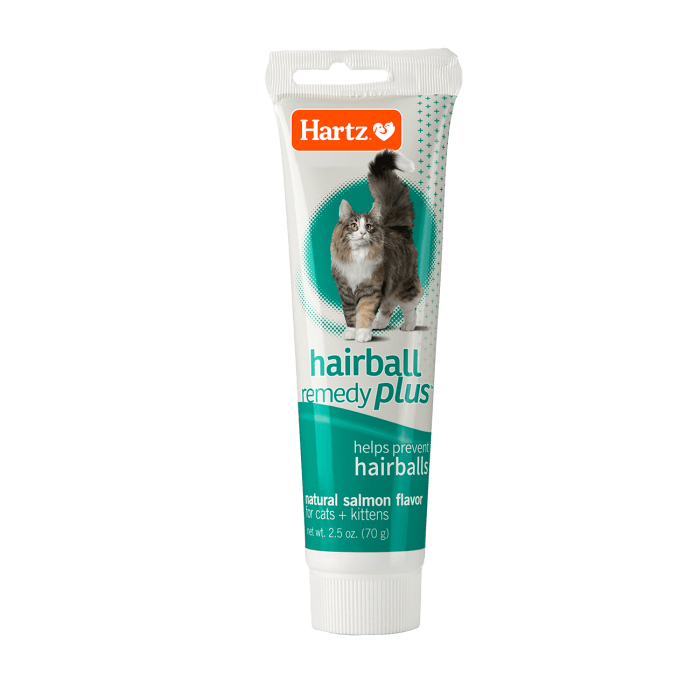
Source: hartz.com
Sometimes, dietary changes aren’t enough to prevent hairballs. Lubricants and laxatives can help move existing hair through the digestive tract. However, it’s crucial to use these remedies with caution and under veterinary guidance.
How Mineral Oil Functions as a Lubricant and Potential Risks
Mineral oil acts as a lubricant, coating the hair and easing its passage through the digestive tract. However, mineral oil isnot* recommended for regular use. It can interfere with the absorption of essential nutrients and, if aspirated (inhaled into the lungs), can cause serious respiratory problems. Administering mineral oil requires extreme care and is best left to a veterinarian.
Comparing and Contrasting Different Types of Pet-Safe Laxatives
Several pet-safe laxatives are available:
- Lactulose: A synthetic sugar that draws water into the intestines, softening stool and promoting bowel movements. Generally considered safe, but can cause gas.
- Polyethylene Glycol (PEG): Another osmotic laxative that works similarly to lactulose.
- Magnesium Citrate: Stimulates bowel contractions. Use with caution, as it can cause dehydration.
Always consult a veterinarian before using any laxative, as overuse can lead to dependency and electrolyte imbalances.
Administering Liquid Remedies Safely and Effectively
Administering liquid remedies can be challenging. Use a syringe or dropper designed for pets. Hold the cat gently but firmly, tilting their head back slightly. Administer the liquid slowly, allowing the cat to swallow between doses to prevent choking. Distraction with a favorite treat can help.
Common Hairball Lubricants and Laxatives
| Remedy | Dosage | Considerations |
|---|---|---|
| Mineral Oil | Consult a veterinarian – typically 1/2 – 1 teaspoon (use with extreme caution). | High risk of aspiration; not recommended for regular use. |
| Lactulose Syrup | 1/2 – 1 teaspoon daily, mixed with food. | Can cause gas. |
| Polyethylene Glycol (PEG) Solution | Consult a veterinarian for appropriate dosage. | Generally well-tolerated. |
Grooming Practices: Prevention is Key
The most effective way to manage hairballs is to prevent them in the first place. Regular grooming is paramount.
Step-by-Step Guide on How to Properly Brush a Cat
1. Choose the Right Brush
Slicker brushes are good for removing loose fur, while metal combs are effective for detangling. Rubber brushes are great for short-haired cats.
2. Start Slowly
Introduce brushing gradually, starting with short sessions and rewarding your cat with treats.
3. Brush in the Direction of Hair Growth
Gently brush the fur, working in sections.
4. Pay Attention to Problem Areas
Focus on areas where hair tends to accumulate, such as the belly, legs, and tail.
5. Clean the Brush Regularly
Remove collected fur to maintain effectiveness.
Benefits of Using Specialized Grooming Tools
De-shedding brushes, like the Furminator, are designed to remove undercoat hair, significantly reducing shedding. Rubber gloves with textured surfaces can also effectively collect loose fur during petting sessions.
Importance of Regular Bathing
Regular bathing (if your cat tolerates it) can help loosen and remove dead hair. Use a cat-specific shampoo and rinse thoroughly. Avoid bathing too frequently, as it can dry out the skin.
Visual Guide to Proper Brushing Techniques
Imagine a series of illustrations:* Persian Cat: A long-haired Persian being brushed with a slicker brush, demonstrating gentle strokes in the direction of hair growth. The illustration highlights the importance of detangling knots carefully.
Siamese Cat
A Siamese cat being brushed with a rubber brush, showing how to gently massage the fur to loosen hair.
Maine Coon Cat
A Maine Coon being brushed with a metal comb, illustrating how to reach the undercoat and remove loose fur. The illustration emphasizes the importance of patience and gentle handling.
Conclusive Thoughts
Navigating the world of hairball remedies can feel overwhelming, but armed with the right knowledge, you can significantly reduce your cat’s discomfort and keep your home a little cleaner. Whether it’s adjusting their diet, brushing more frequently, or exploring natural solutions, there’s a strategy that will work for your furry companion. Remember, prevention is always better than cure, and a proactive approach to hairball management can contribute to a longer, healthier, and happier life for your beloved cat.
Don’t hesitate to consult your veterinarian if you have any concerns or if your cat’s hairball issues worsen – they’re your best resource for personalized advice.
From understanding the process to choosing the right products, we’ve covered a lot of ground. Hopefully, this guide empowers you to take control of your cat’s hairball situation and enjoy a more peaceful, hairball-free home!
Helpful Answers
Why do cats groom themselves so much?
Cats groom to keep clean, regulate body temperature, distribute natural oils, and even bond with their owners. It’s a deeply ingrained behavior!
Can I give my cat olive oil for a hairball?
Yes, a small amount of olive oil
-might* help lubricate the digestive tract, but use it sparingly (1/2 teaspoon for small cats, 1 teaspoon for larger cats) and always consult your vet first.
What’s the difference between enzymatic and lubricating hairball remedies?
Lubricating remedies, like mineral oil or certain gels, help hair slide through the digestive system. Enzymatic remedies contain enzymes that break down hair, making it easier to pass.
How often should I brush my cat?
Ideally, daily brushing is best, especially for long-haired breeds. Even short-haired cats benefit from brushing a few times a week.
When should I take my cat to the vet for hairballs?
See a vet if your cat is vomiting frequently, seems lethargic, has a loss of appetite, or shows signs of abdominal pain. These could indicate a more serious problem.
Are there any plants that can worsen hairball issues?
Yes! Many common houseplants are toxic to cats. Stress from these plants can increase grooming and, therefore, hairball formation. Keep lilies, azaleas, and tulips out of reach.
What’s the safest way to give my cat liquid hairball remedy?
Use a syringe or dropper and administer the remedy slowly, allowing your cat to swallow between doses. Offer it alongside a favorite treat to make it more appealing.