We all love spoiling our feline friends, but sometimes that instinct leads us to wonder if they can share in our favorite snacks. The question of “can cats eat almonds?” is a surprisingly complex one, touching on everything from feline digestive systems to the presence of potentially harmful compounds. Domestic cats have very specific dietary needs, evolved over millennia as obligate carnivores.
Understanding these needs, alongside a bit of human dietary history and the initial concerns around almonds, is the first step in ensuring your cat’s well-being.

Almonds have been a staple in human diets for centuries, valued for their nutritional benefits and versatility. However, what’s perfectly safe (and even healthy!) for us can be quite dangerous for our furry companions. The core of the concern lies in the presence of amygdalin, a compound found in almonds that can convert to cyanide. This article will delve into the science behind this, explore different types of almonds, and provide practical advice on keeping your cat safe and happy.
Almonds and Cats: A Comprehensive Guide
Almonds. We love them, they’re crunchy, and they’re often touted as a healthy snack. But what about our feline friends? Can cats eat almonds? The short answer is generally no, and it’s a bit more complicated than that.
This article dives deep into the potential dangers, the science behind it, and what you need to know to keep your cat safe and healthy. We’ll explore everything from the chemical composition of almonds to the potential health consequences of ingestion, and offer safer alternatives for your furry companion.Domestic cats are obligate carnivores, meaning their bodies are designed to thrive on a diet primarily consisting of meat.
They require specific nutrients, like taurine and arachidonic acid, which are difficult to obtain from plant-based sources. While a small amount of plant matter can be part of a balanced diet, it shouldn’t be a significant portion. Historically, almonds have been a staple food in human diets for millennia, originating in the Middle East and spreading across the globe. Their nutritional value and versatility have made them a popular choice for centuries.
However, the presence of cyanide precursors in almonds raises serious concerns about their safety for animals, particularly those with less efficient detoxification systems like cats. Initial concerns stemmed from reports of cyanide poisoning in livestock and the understanding that cats lack the same metabolic capabilities as humans to process these compounds.Here’s a comparison of common cat treats and raw almonds, highlighting ingredients and potential risks:
| Treat | Common Ingredients | Potential Risks |
|---|---|---|
| Commercial Cat Treats (Chicken/Fish Flavor) | Chicken Meal, Fish Meal, Corn, Wheat, Soy, Artificial Colors/Flavors | Allergies, Digestive Upset, Artificial Additives |
| Freeze-Dried Meat Treats | Single-Ingredient Meat (Chicken, Turkey, Salmon) | Potential for bacterial contamination if not stored properly |
| Raw Almonds | Fats, Proteins, Fiber, Cyanide Precursors (Amygdalin) | Cyanide Poisoning, Digestive Upset, Potential for severe health complications |
Almond Composition: What’s Inside?
Almonds are surprisingly complex. They’re not just a simple nut; they contain a variety of chemical compounds that play different roles in human digestion. Let’s break down what’s inside. Almonds are composed of fats (around 50%), proteins (20%), fiber (10-15%), and carbohydrates (20-25%). Beyond these macronutrients, they contain various vitamins and minerals, including vitamin E, magnesium, and calcium.
However, the compounds of most concern are the cyanide precursors, specifically amygdalin.In humans, amygdalin is converted to cyanide through a process involving enzymes in the gut. The body then detoxifies the cyanide through a process called rhodanese, which converts it to thiocyanate, a less toxic compound that is eventually excreted in urine. This detoxification process is relatively efficient in humans, allowing them to consume almonds in moderation without significant harm.However, the feline digestive system differs significantly.
Cats lack the same efficient rhodanese enzyme system as humans. This means that cyanide produced from amygdalin is less effectively detoxified, leading to a buildup of toxic compounds in the body. Furthermore, cats have a slower metabolic rate compared to humans, which can prolong the effects of cyanide poisoning.Imagine an almond sliced in half. The outer shell is a hard, brown layer.
Inside, you see the kernel, a pale, creamy color. The kernel itself is segmented, with distinct sections. One section is noticeably darker, almost a reddish-brown hue – this is where a higher concentration of amygdalin is found. Microscopically, the almond kernel reveals a complex structure of cells containing oils, proteins, and the aforementioned cyanide precursors. The cellular structure is tightly packed, contributing to the almond’s dense texture.
The overall chemical makeup is roughly 50% fat, 20% protein, 10-15% fiber, and 20-25% carbohydrates, with varying concentrations of amygdalin depending on the almond variety.
Cyanide Concerns: The Core of the Issue
The primary concern surrounding almonds and cats revolves around the presence of amygdalin, a naturally occurring compound found in the seeds of the almond tree. When amygdalin is ingested, it’s converted into hydrogen cyanide (HCN) by enzymes in the digestive system. This conversion is the root cause of the toxicity.Humans possess an enzyme called rhodanese, which efficiently converts cyanide into thiocyanate, a much less toxic substance that the body can eliminate.
The liver then processes the thiocyanate, further reducing its toxicity. This detoxification pathway is highly effective in humans, allowing them to tolerate moderate amounts of amygdalin.Cats, however, have a significantly less efficient rhodanese enzyme system. This means that the cyanide produced from amygdalin is not effectively detoxified, leading to a buildup of toxic compounds in their bloodstream. The slower metabolic rate in cats also contributes to the problem, as it prolongs the duration of cyanide’s effects.
The difference is stark: a dose that might be harmless to a human could be severely toxic to a cat.The factors influencing cyanide toxicity are multifaceted. The type of almond is crucial – bitter almonds contain significantly higher levels of amygdalin than sweet almonds. The quantity consumed is, of course, a major factor; even a small amount can be dangerous for a small cat.
The cat’s size and overall health also play a role. Kittens and cats with pre-existing health conditions, particularly kidney disease, are more vulnerable to cyanide poisoning.
Types of Almonds: Variations and Risks
While we often think of almonds as a single entity, there are actually several varieties, each with varying levels of amygdalin and, therefore, different levels of risk to cats. The most common types are sweet almonds, bitter almonds, and black almonds.Sweet almonds are the most widely consumed variety and contain relatively low levels of amygdalin – typically around 4-5 mg per gram.
Bitter almonds, on the other hand, contain significantly higher levels, often exceeding 10 mg per gram. Black almonds are a less common variety, and their amygdalin content falls somewhere between sweet and bitter almonds.Bitter almonds pose a greater risk to cats due to their high amygdalin content. Historically, bitter almonds have been used to extract bitter almond oil, which is a flavoring agent.
However, due to the toxicity concerns, its use is now heavily regulated.Here’s a breakdown of the typical cyanide content (in ppm – parts per million) for each almond type:
| Almond Type | Cyanide Content (ppm) | Relative Toxicity to Cats |
|---|---|---|
| Sweet Almonds | 2-5 ppm | Low |
| Bitter Almonds | 10-25 ppm | High |
| Black Almonds | 5-15 ppm | Medium |
Potential Health Effects: What Can Happen?
The symptoms of cyanide poisoning in cats can vary depending on the amount ingested and the cat’s individual sensitivity. Initial signs often include vomiting, lethargy, and tremors. As the poisoning progresses, cats may experience difficulty breathing (respiratory distress), seizures, and even coma. The gums may appear bright red due to the cyanide’s effect on hemoglobin.Even small exposures to almonds can have long-term health consequences.
Cyanide can damage the nervous system and impair organ function. Chronic exposure, even at low levels, may contribute to kidney problems and other health issues.Almond ingestion can exacerbate existing feline health conditions, particularly kidney disease. Cats with compromised kidney function are less able to eliminate toxins, making them more susceptible to the harmful effects of cyanide.Here’s a list of emergency signs requiring immediate veterinary attention following almond consumption:
- Vomiting
- Tremors or seizures
- Difficulty breathing
- Lethargy or weakness
- Bright red gums
- Loss of coordination
- Collapse
Almond Byproducts: Oil, Flour, and Milk
Almond oil, flour, and milk are derived from almonds through various processing methods. Almond oil is typically extracted by pressing the almonds, either cold-pressed or through heat. Almond flour is created by grinding blanched almonds into a fine powder. Almond milk is made by blending almonds with water and then straining the mixture.These processing methods can alter the levels of harmful compounds.
The pressing process used to create almond oil can reduce the amygdalin content, but it doesn’t eliminate it entirely. Almond flour retains some amygdalin, although the concentration is generally lower than in whole almonds. Almond milk, being a diluted product, contains very little amygdalin.While almond oil, flour, and milk are generally considered safer alternatives to whole almonds, they are not entirely risk-free.
Even small amounts of amygdalin can be harmful to cats. It’s best to err on the side of caution and avoid these products altogether.
Almond milk, commonly found in grocery stores, is typically water-based and contains minimal almond solids. In contrast, almond extract is a highly concentrated flavoring agent derived from almonds and contains significantly higher levels of amygdalin, making it particularly dangerous for cats.
Safe Alternatives: Nutritious Options for Cats
Fortunately, there are plenty of safe and nutritious nut and seed options that can provide your cat with essential nutrients without the risk of cyanide poisoning. Pumpkin seeds, sunflower seeds, and hemp seeds are all excellent choices.Pumpkin seeds are a good source of fiber, which can aid in digestion and help regulate bowel movements. Sunflower seeds provide healthy fats and vitamin E, which are important for skin and coat health.
Hemp seeds are a complete protein source and contain essential fatty acids.Here’s a simple recipe for homemade cat treats using pumpkin seeds:
- 1/2 cup cooked, mashed pumpkin (not pumpkin pie filling)
- 1/4 cup oat flour
- 2 tablespoons ground pumpkin seeds
- 1 egg
- Mix all ingredients, form into small treats, and bake at 350°F (175°C) for 15-20 minutes.
Here’s a comparison chart contrasting almonds with safe nut alternatives:
| Nut/Seed | Nutritional Value | Safety for Cats | Potential Benefits |
|---|---|---|---|
| Almonds | Fats, Proteins, Fiber | Unsafe (due to cyanide) | None (due to toxicity) |
| Pumpkin Seeds | Fiber, Magnesium | Safe | Digestive health, muscle function |
| Sunflower Seeds | Healthy Fats, Vitamin E | Safe (in moderation) | Skin and coat health |
| Hemp Seeds | Complete Protein, Essential Fatty Acids | Safe | Muscle building, healthy skin and coat |
Veterinary Perspectives: Expert Opinions
The general stance of veterinarians regarding almond consumption in cats is strongly against it. Most veterinarians advise owners to avoid feeding almonds to their cats altogether due to the risk of cyanide poisoning.”Almonds pose a significant risk to cats due to the presence of amygdalin, which converts to cyanide. Cats lack the efficient detoxification mechanisms that humans have, making them highly vulnerable to cyanide toxicity,” says Dr.
Emily Carter, a veterinarian specializing in feline health. “Even small amounts can be dangerous, and it’s simply not worth the risk.”If a cat ingests almonds, the recommended course of action is to contact a veterinarian immediately. Early intervention is crucial to minimize the potential for serious health complications.Here are some questions to ask your veterinarian regarding almond consumption and feline health:
- What are the specific risks of almond consumption for my cat?
- What symptoms should I watch out for after my cat ingests almonds?
- What is the best course of action if my cat accidentally eats almonds?
- Are there any safe nut or seed alternatives I can offer my cat?
Almonds in Commercial Cat Food: A Closer Look
Almonds, or almond-derived ingredients, are surprisingly infrequent in commercial cat food formulations. While some premium cat food brands may include small amounts of almond oil or almond protein, it’s not a common ingredient. The primary reason for avoiding almonds is the potential toxicity to cats, as discussed earlier.If almonds are included, it’s typically in very small quantities and often as a source of healthy fats or protein.
However, the risks associated with even small amounts of amygdalin outweigh the potential benefits in most cases.Here’s a table listing common cat food brands and whether they contain almond ingredients:
| Cat Food Brand | Contains Almond Ingredients? | Notes |
|---|---|---|
| Purina Pro Plan | No | Generally avoids plant-based ingredients due to feline dietary needs |
| Royal Canin | Rarely (some limited-ingredient diets) | Check ingredient list carefully |
| Blue Buffalo | Occasionally (almond oil in some formulas) | Read labels thoroughly |
| Wellness Complete Health | No | Focuses on animal-based protein sources |
Case Studies: Real-World Scenarios
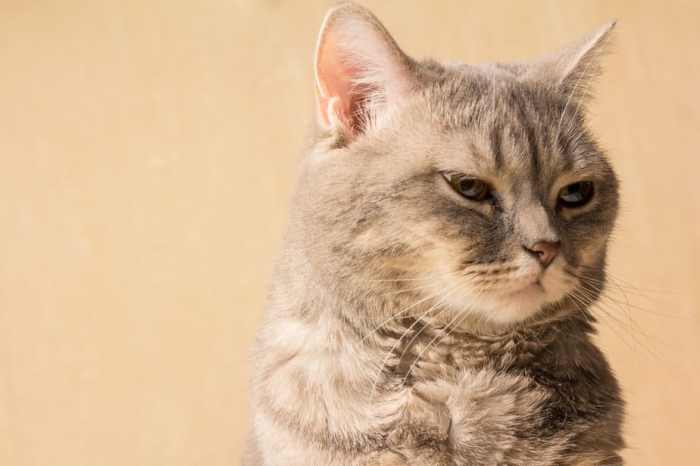
Source: catschef.com
Let’s consider a hypothetical scenario: a cat accidentally consumes a small amount of almonds (approximately 5-10 almonds). Initially, the cat might exhibit mild symptoms such as vomiting and lethargy. The veterinarian would likely recommend inducing vomiting to remove any remaining almonds from the digestive system. Supportive care, including intravenous fluids and monitoring of vital signs, would be provided. The prognosis for a cat consuming a small amount of almonds is generally good with prompt veterinary intervention.Now, imagine a cat consuming a large quantity of almonds (over 20 almonds).
This scenario is far more serious. The cat would likely experience severe symptoms, including tremors, seizures, and respiratory distress. Immediate veterinary care is essential, including administration of antidotes to bind the cyanide and supportive care to maintain vital functions. The prognosis for a cat consuming a large quantity of almonds is guarded and depends on the severity of the poisoning and the promptness of treatment.Here’s a flowchart illustrating the steps to take if a cat is suspected of almond ingestion:
1. Observation
Notice signs of almond ingestion (e.g., access to almonds, unusual behavior).
2. Assessment
Evaluate the cat’s condition (e.g., alertness, breathing, vomiting).
3. Contact Vet
Immediately contact a veterinarian or animal poison control center.
4. Transport
Safely transport the cat to the veterinary clinic.
5. Diagnosis
Veterinarian assesses the situation and performs necessary tests.
6. Treatment
Veterinarian administers appropriate treatment (e.g., induced vomiting, antidotes, supportive care).
7. Monitoring
Monitor the cat’s condition closely and provide ongoing care as needed.
Final Thoughts
Ultimately, the answer to “can cats eat almonds?” is a resounding no, especially when it comes to whole almonds. While almond byproducts like oil or flour are processed to reduce harmful compounds, caution is still advised. There are plenty of delicious and safe alternatives to satisfy your cat’s cravings, like pumpkin or sunflower seeds. Prioritizing your cat’s health means understanding the risks and making informed choices about their diet, and knowing when to seek veterinary advice is always crucial.
Let’s keep our feline friends purring with good health!
Key Questions Answered
Why are almonds potentially dangerous for cats?
Almonds contain amygdalin, which can convert to cyanide, a toxic substance that cats have difficulty processing.
Are all types of almonds equally risky?
No. Bitter almonds are significantly more toxic than sweet almonds due to their higher amygdalin content.
What are the signs of cyanide poisoning in cats?
Symptoms include vomiting, tremors, difficulty breathing, lethargy, and seizures.
Is almond milk safe for cats?
Generally, no. While it’s water-based, it can still contain trace amounts of harmful compounds. It’s best to avoid it.
Can almond oil be given to cats?
Small amounts of refined almond oil
-might* be okay, but it’s best to consult your vet first. The risk isn’t entirely eliminated.
What are some safe nut alternatives for cats?
Pumpkin seeds and sunflower seeds are generally considered safe and offer nutritional benefits.
How much almond is considered a toxic dose for a cat?
It varies based on the cat’s size, health, and almond type, but even a small amount of bitter almonds can be dangerous.
Should I induce vomiting if my cat eats almonds?
Never induce vomiting without veterinary guidance. Contact your vet immediately for instructions.

