That irresistible smell and chewy texture – it’s no wonder cats are often drawn to beef jerky! Many owners have witnessed their feline friends showing intense interest in this popular human snack. But before you share a bite, it’s crucial to understand whether this treat is safe for your kitty. We’ll dive into the nutritional aspects, potential risks, and safer alternatives to satisfy your cat’s cravings without compromising their health.
Cats have very specific dietary needs, and commercially prepared cat food is carefully formulated to meet those requirements. Beef jerky, on the other hand, is designed for human consumption and often contains ingredients that can be harmful to our furry companions. Let’s explore why and what you can do instead.

Can Cats Eat Beef Jerky? A Comprehensive Guide
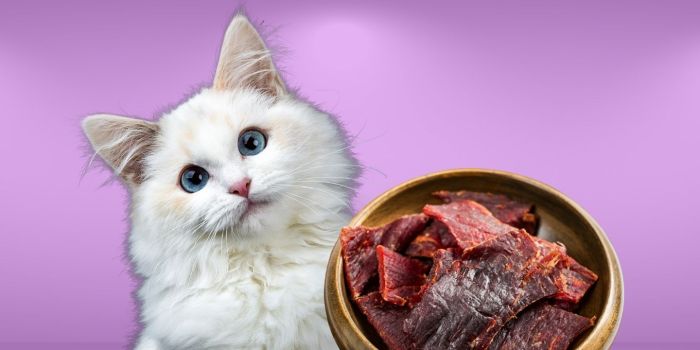
Source: petsfoodsafety.com
Beef jerky. The savory, chewy snack is a human favorite, and it’s not uncommon for our feline friends to show a keen interest in it. The enticing smell and texture can be incredibly appealing to cats, leading many owners to wonder if it’s okay to share a bite. While a tiny nibble might not cause immediate harm, the reality is that beef jerky poses several potential risks to feline health.
This guide will delve into the nutritional composition, potential dangers, and safer alternatives, providing you with the information you need to make informed decisions about your cat’s diet. Remember, this isn’t a substitute for professional veterinary advice; always consult your vet with any concerns about your cat’s health.
Introduction: The Appeal of Beef Jerky to Cats
The aroma of beef jerky is a potent combination of savory meat and smoky seasonings, a scent profile that can be incredibly alluring to a cat’s sensitive nose. Cats are obligate carnivores, meaning their bodies are designed to thrive on a diet primarily consisting of meat. The strong meaty smell of beef jerky taps into this primal instinct. Furthermore, the chewy texture can be engaging for cats, providing a novel sensory experience compared to their usual kibble or wet food.
I’ve personally seen my friend’s cat, Mittens, go absolutely wild whenever a bag of beef jerky was opened nearby, pawing at the bag and meowing insistently. However, while their interest is understandable, it doesn’t mean beef jerky is a safe or appropriate treat for them. Cats have unique nutritional needs, and commercially prepared cat food is formulated to meet those needs in a balanced and safe way.
Beef jerky, on the other hand, is often high in sodium, contains potentially harmful additives, and lacks the essential vitamins and minerals found in complete cat food.
Nutritional Composition of Beef Jerky
Beef jerky is primarily composed of protein and fat, with a relatively small amount of carbohydrates. A typical serving (around 1 ounce) might contain roughly 9-12 grams of protein, 2-4 grams of fat, and 1-3 grams of carbohydrates. The exact macronutrient breakdown varies depending on the specific brand and preparation method. However, the real concern isn’t the macronutrient profile itself, but rather what else isin* the jerky.
Common additives and preservatives used in beef jerky production include sodium nitrite (used to preserve color and prevent bacterial growth), monosodium glutamate (MSG – a flavor enhancer), garlic powder, onion powder, and various spices. These additives, while generally considered safe for human consumption in moderation, can be detrimental to feline health, as we’ll discuss further. The concentrated nature of these ingredients due to the drying process amplifies their potential impact.
Potential Risks of Feeding Beef Jerky to Cats
The risks associated with feeding beef jerky to cats are significant and multifaceted. The most immediate concern is sodium toxicity. Beef jerky is notoriously high in salt, and cats are far more sensitive to sodium than humans. Excessive sodium intake can lead to dehydration, vomiting, diarrhea, lethargy, and in severe cases, seizures and even death. Equally concerning are the presence of garlic and onion powder, which are toxic to cats regardless of the quantity consumed.
These compounds damage red blood cells, leading to anemia. Finally, the jerky’s texture can pose a choking hazard, especially for kittens or cats with dental issues.
| Risk | Explanation |
|---|---|
| Sodium Toxicity | High salt content can cause dehydration, vomiting, diarrhea, lethargy, and potentially seizures. Severity: High |
| Garlic & Onion Toxicity | Damage red blood cells, leading to anemia. Severity: High |
| Choking Hazard | Small pieces or tough textures can obstruct the airway. Severity: Moderate |
Types of Beef Jerky and Their Varying Risks
Not all beef jerky is created equal. Different flavor profiles often translate to different ingredient lists, and therefore, varying levels of risk for cats. Teriyaki jerky, for example, frequently contains added sugars and soy sauce, further increasing the sodium content. Peppered jerky might include chili powder or other spices that could irritate a cat’s digestive system. Sweet & savory varieties often have higher sugar content.
Generally, the more complex the flavor profile, the more likely it is to contain potentially harmful additives.
- Low Risk: Plain, unseasoned beef jerky (extremely rare to find, and even then, sodium content is a concern).
- Moderate Risk: Jerky with minimal seasoning, such as black pepper only. Still, sodium levels should be carefully considered.
- High Risk: Jerky with teriyaki, sweet & savory, or other complex flavorings containing garlic, onion, MSG, or excessive sugar.
Safe Alternatives to Beef Jerky for Cats
Fortunately, there are plenty of safe and delicious alternatives to beef jerky that can satisfy your cat’s craving for protein without the associated risks. Commercially available cat treats are formulated to be nutritionally balanced and free from harmful additives. Look for treats with a high protein content and minimal artificial ingredients. Cooked, unseasoned lean meats like chicken or turkey can also be offered as occasional protein supplements.
To prepare these safely, simply bake or boil the meat until fully cooked, ensuring all bones are removed. Cut the meat into small, bite-sized pieces and offer them in moderation.
What to Do if Your Cat Eats Beef Jerky
If you suspect your cat has ingested beef jerky, it’s crucial to remain calm and assess the situation. The first sign of sodium toxicity is often excessive thirst and urination. Vomiting, diarrhea, lethargy, and loss of appetite can also occur. If you observe any of these symptoms, contact your veterinarian immediately. Do not attempt to induce vomiting unless specifically instructed to do so by a vet.
Provide your vet with as much information as possible, including the amount of beef jerky consumed and the ingredients list (if available).
Cat ate beef jerky? -> Observe for symptoms? -> Symptoms present? -> Contact vet immediately.
The Role of Ingredients in Jerky Production
The process of making beef jerky typically involves curing the beef with salt and nitrates or nitrites, followed by drying it to remove moisture. Curing helps preserve the meat and gives it its characteristic flavor and texture. However, this process also concentrates the sodium content significantly. Sodium nitrite, in particular, is used to prevent botulism and maintain the red color of the jerky.
While safe in small amounts for humans, the concentrated form in jerky poses a risk to cats. Different curing agents can also affect the final product’s safety profile.
Beef Jerky and Cats with Pre-existing Conditions
Cats with pre-existing conditions, such as kidney disease, heart conditions, or high blood pressure, are at significantly increased risk from the sodium content of beef jerky. Kidney disease impairs the body’s ability to regulate sodium levels, leading to fluid retention and further strain on the kidneys. Similarly, heart conditions and high blood pressure can be exacerbated by increased sodium intake, putting additional stress on the cardiovascular system.
| Condition | Risk Factor | Recommendation |
|---|---|---|
| Kidney Disease | Sodium exacerbates fluid retention and kidney strain. | Strictly avoid beef jerky and monitor sodium intake from all sources. |
| Heart Condition | Sodium increases blood pressure and puts extra strain on the heart. | Avoid beef jerky and follow veterinarian’s dietary recommendations. |
| High Blood Pressure | Sodium further elevates blood pressure. | Avoid beef jerky and monitor blood pressure regularly. |
Homemade Beef Jerky for Cats: A Risky Proposition
While the idea of making homemade beef jerky for your cat might seem appealing, it’s incredibly difficult to do safely. Controlling the sodium levels and avoiding harmful seasonings requires precise measurements and a thorough understanding of feline nutrition. Recipes found online are often geared towards human consumption and may contain ingredients that are toxic to cats. The risk of error is simply too high, making commercially prepared cat treats a far safer option.
Descriptive Illustration of a Cat’s Reaction to Beef Jerky
A sliver of beef jerky lay on the kitchen floor, a dark, tempting rectangle against the pale tile. Whiskers twitched as Jasper, a sleek black cat, cautiously approached. His nose quivered, inhaling deeply, his pupils dilating as he registered the intense, savory aroma. He circled the jerky once, twice, his tail flicking with a mixture of curiosity and apprehension.
Then, with a sudden burst of bravery, he extended a tentative paw, sniffing the jerky again before gently tapping it with a claw. Finally, he took a small, exploratory bite. His eyes widened slightly, and he chewed slowly, savoring the unfamiliar texture and flavor. He then looked up, a silent plea in his golden eyes, clearly wanting more.
It wasn’t long before he was weaving between my legs, a persistent shadow, begging for another taste, a clear indication of how powerfully the jerky had captivated his senses.
Ending Remarks
Ultimately, while the allure of beef jerky for cats is understandable, the potential risks – from sodium toxicity to harmful additives like garlic and onion – outweigh any potential benefits. Prioritizing your cat’s well-being means opting for safer, cat-specific treats or even small portions of cooked, unseasoned lean meats. Remember, a healthy and happy cat is the best reward for a loving owner!
If you suspect your cat has ingested beef jerky and is showing signs of illness, don’t hesitate to contact your veterinarian immediately. Being informed and proactive is key to ensuring your feline friend’s long-term health and happiness.
Quick FAQs
Why are cats so attracted to beef jerky?
The strong smell and chewy texture of beef jerky can be very appealing to cats, triggering their natural hunting instincts and desire for protein-rich foods.
Is a little bit of beef jerky ever okay?
Generally, no. Even small amounts can pose risks due to high sodium content and potentially harmful additives. It’s best to avoid it altogether.
What are the signs of sodium toxicity in cats?
Symptoms include vomiting, diarrhea, excessive thirst, lethargy, and in severe cases, seizures.
Can homemade beef jerky be a safer option?
It’s extremely difficult to make homemade beef jerky safe for cats due to the challenges of controlling sodium levels and avoiding harmful seasonings. Commercially prepared cat treats are a much safer bet.
What are some good alternatives to beef jerky for cats?
Commercially available cat treats, cooked unseasoned chicken or turkey, and other protein-rich cat foods are excellent alternatives.
My cat is begging for beef jerky – what should I do?
Ignore the begging behavior and redirect your cat’s attention with a safe and healthy treat or playtime. Consistency is key to breaking the habit.
Are all types of beef jerky equally dangerous?
No. Jerky with teriyaki, peppered, or sweet & savory flavorings often contain more harmful additives than plain jerky.

