Honey, with its golden hue and naturally sweet flavor, is a beloved treat for humans and many animals. From ancient Egyptian rituals to modern-day baking, honey has a rich history of consumption across cultures. But when it comes to our feline companions, the question of “can cats eat honey?” sparks a lot of curiosity and concern among pet owners. Is this sticky substance a harmless indulgence or a potential health hazard for our furry friends?
This guide dives deep into the world of honey and its impact on cats, exploring its nutritional composition, the feline digestive system, potential benefits (and risks!), and safer alternatives to satisfy your cat’s sweet tooth. We’ll break down the science and provide practical advice to help you make informed decisions about your cat’s diet and well-being.

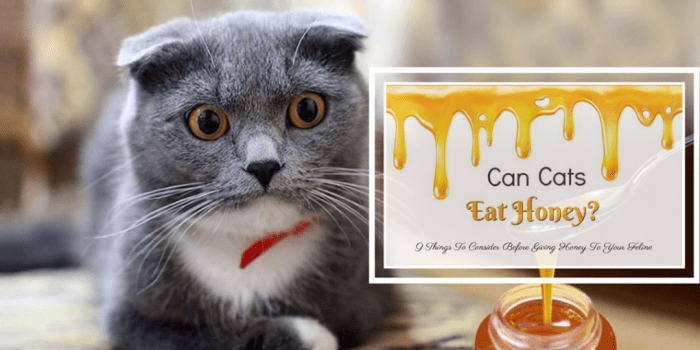
Can Cats Eat Honey? A Sweet Treat or a Serious Risk?
Honey. It’s a natural sweetener we humans love, often touted for its health benefits. But what about our feline companions? The thought of a little drizzle of honey for your cat might seem appealing, especially if they’re feeling under the weather. However, the answer to whether cats can eat honey isn’t a simple yes or no.
This article will delve into the nutritional aspects, potential risks, and safer alternatives to honey for your beloved cat. We’ll explore everything from the feline digestive system to the signs of honey toxicity, so you can make informed decisions about your cat’s health and well-being.
Throughout history, honey has held a special place in various cultures. Ancient Egyptians used it for medicinal purposes, while the Greeks believed it was the food of the gods. Even today, honey is a staple in many households, prized for its sweetness and perceived health benefits. Animals, too, are often drawn to its sugary goodness. But unlike humans, cats have a unique physiology that makes honey a potentially problematic treat.
Many pet owners initially wonder if a small amount of honey could soothe a cat’s cough or provide a boost of energy, but understanding the science behind it is crucial before offering this sweet substance.
| Honey Type | Typical Sugar Content | Potential Cat Appeal (Low/Medium/High) |
|---|---|---|
| Raw Honey | 70-80% Sugars (primarily glucose and fructose) | Medium |
| Manuka Honey | 77-83% Sugars (glucose and fructose), plus unique compounds | Medium |
| Clover Honey | 80% Sugars (glucose and fructose) | High |
Nutritional Composition of Honey – What’s Inside?
Honey isn’t just sugar; it’s a complex mixture of various compounds. Understanding its composition is key to assessing its potential impact on a cat’s health. The primary components are sugars, primarily glucose and fructose, but there are also trace minerals, enzymes, and antioxidants present. While these components might sound beneficial, their impact on a cat’s digestive system needs careful consideration.
A standard honey sample typically breaks down as follows: approximately 30-40% fructose, 30-40% glucose, and 10-20% water. The remaining percentage consists of trace amounts of minerals like calcium, iron, and potassium, as well as small quantities of enzymes and antioxidants. These enzymes, such as diastase (which breaks down starch) and invertase (which breaks down sucrose), play a role in honey’s properties and can potentially influence digestion, though their impact on a cat’s system is minimal.
Imagine a honey molecule. It’s a complex structure formed by the bonds between glucose and fructose. Visualize two hexagonal rings representing glucose and fructose. These rings are connected by a glycosidic bond – a covalent bond that links the two sugar molecules together. This bond is what gives honey its characteristic sweetness and stability.
The arrangement and type of these bonds contribute to how the body processes honey.
Feline Digestive System – A Foundation for Understanding
To truly understand the risks of honey for cats, we need to appreciate the unique characteristics of their digestive system. Cats are obligate carnivores, meaning their bodies are specifically designed to process animal-based proteins. Their digestive tract is relatively short compared to omnivores like humans, reflecting their evolutionary adaptation to quickly digest meat.
Cats process carbohydrates very differently than omnivores. Their digestive system produces significantly less amylase, the enzyme responsible for breaking down starch. This means they are less efficient at extracting energy from carbohydrates. While they
-can* digest some carbohydrates, it’s not their primary energy source, and excess carbohydrates can lead to health problems.
Fructose, a major component of honey, poses a particular challenge for cats. They have a limited ability to effectively digest fructose, and it can lead to gastrointestinal upset. The undigested fructose ferments in the gut, potentially causing gas, bloating, and diarrhea.
Here’s a simplified flowchart illustrating the path of food through a cat’s digestive system:
- Mouth: Food is ingested and chewed.
- Esophagus: Food travels down the esophagus to the stomach.
- Stomach: Food is mixed with digestive juices, beginning the breakdown process.
- Small Intestine: Nutrients are absorbed into the bloodstream. Limited carbohydrate digestion occurs here.
- Large Intestine: Water is absorbed, and waste material is formed. Undigested fructose may ferment here.
- Anus: Waste is eliminated.
Potential Benefits of Honey (If Any) for Cats
While the risks of honey for cats are significant, some proponents suggest potential benefits, primarily related to its antioxidant properties. Honey contains flavonoids and phenolic acids, which are known antioxidants. Theoretically, these antioxidants could help protect feline cells from damage caused by free radicals, potentially contributing to overall health and longevity. However, the amount of antioxidants a cat would receive from a small amount of honey is likely minimal compared to the potential risks.
Some believe honey might soothe a cat’s throat, particularly during a cough. The viscous nature of honey could coat the throat, providing temporary relief. However, there are safer and more effective ways to soothe a cat’s throat, such as providing fresh water or a humidifier.
Honey also possesses antibacterial properties due to the presence of hydrogen peroxide and other compounds. While this might seem beneficial, the antibacterial effects of honey are unlikely to be significant in addressing common feline infections. Furthermore, the sugar content can actually
-impair* the immune system.
- Potential Antioxidant Benefits: Disclaimer: Scientific evidence supporting this claim in cats is limited.
- Possible Soothing Effect on Throat: Disclaimer: Safer and more effective alternatives exist.
- Antibacterial Properties: Disclaimer: The impact on feline health is likely minimal and outweighed by the risks.
Risks and Dangers of Honey for Cats – The Primary Concerns
Source: herekitt.com
The most serious risk associated with honey for cats is botulism. Honey can sometimes contain spores of
-Clostridium botulinum*, the bacteria that produces botulinum toxin. This toxin is incredibly potent and can cause paralysis and even death.
A cat’s smaller size makes them particularly vulnerable to botulism poisoning. Even a tiny amount of toxin can have severe consequences. The spores themselves are generally harmless, but under certain conditions, they can germinate and produce the toxin.
Beyond botulism, the high sugar content of honey poses a significant risk. Excessive sugar intake can contribute to weight gain, obesity, and an increased risk of developing diabetes. These conditions can severely impact a cat’s quality of life and shorten their lifespan.
| Treat | Sugar Content (per serving) |
|---|---|
| Honey (1 teaspoon) | Approximately 17 grams |
| Commercial Cat Treat (average) | Varies widely, but often 2-5 grams |
Specific Health Conditions and Honey – A Closer Look
For cats with diabetes, honey is unequivocally unsuitable. Its high sugar content will cause a rapid spike in blood glucose levels, exacerbating the condition and potentially leading to dangerous complications. It’s best to avoid honey entirely for diabetic cats.
Even in cats without diabetes, honey can worsen gastrointestinal issues. The undigested fructose can lead to gas, bloating, diarrhea, and discomfort, particularly in cats with sensitive stomachs.
Cats with allergies or sensitivities to pollen may also react negatively to honey. Honey contains trace amounts of pollen, which can trigger allergic reactions in susceptible cats. Symptoms can range from mild skin irritation to more severe respiratory problems.
“The general consensus among veterinarians is that honey is not a safe or recommended treat for cats due to the risk of botulism and the potential for adverse effects related to its high sugar content. Safer and more nutritious alternatives are readily available.”
Safe Alternatives to Honey for Cats – Healthier Sweeteners
If you’re looking to add a touch of sweetness to your cat’s diet, there are several safer and more nutritious alternatives to honey. Certain fruits and vegetables offer natural sweetness without the harmful effects of honey.
Blueberries, melon (cantaloupe, honeydew), and cooked sweet potato are all good options. These alternatives provide vitamins, minerals, and fiber, contributing to a balanced diet. However, moderation is key, as even these healthy options should be given in small quantities.
Portion sizes are crucial to avoid overfeeding. A general guideline is to offer no more than 1-2 teaspoons of fruit or vegetables per day, depending on the cat’s size and overall diet.
| Alternative | Nutritional Benefit | Recommended Portion Size |
|---|---|---|
| Blueberries | Antioxidants, Vitamin C, Fiber | 1-2 berries |
| Melon (Cantaloupe/Honeydew) | Vitamin A, Vitamin C, Hydration | 1-2 teaspoons |
| Cooked Sweet Potato | Vitamin A, Fiber | 1 teaspoon |
Honey as a Remedy – Addressing Common Cat Ailments
While some might consider honey a remedy for a cat’s cough or sore throat, its effectiveness is questionable, and the risks outweigh any potential benefits. Safer and more effective remedies, such as providing fresh water and ensuring a comfortable environment, are preferable.
The idea of using honey as an energy booster for weak or recovering cats is also not recommended. While honey provides carbohydrates, it’s not a sustainable or healthy source of energy for cats. A balanced diet formulated for their specific needs is far more beneficial.
There are no known significant interactions between honey and common feline medications. However, due to the potential for gastrointestinal upset, it’s always best to consult with a veterinarian before introducing any new substance into a cat’s diet, especially if they are already taking medication.
- Cough/Sore Throat: Honey is not a suitable remedy.
- Weakness/Recovery: Honey is not a recommended energy booster.
- Allergies: Honey should be avoided due to potential pollen content.
Dosage and Administration – If Considering Honey (Not Recommended)
Despite the risks, if you are still considering giving honey to your cat (which is strongly discouraged), it’s crucial to understand the potential dangers and proceed with extreme caution. A very small, infrequent dosage is all that should be considered, and only under the guidance of a veterinarian.
Diluting honey with water is essential to reduce its sugar concentration. A ratio of 1 part honey to 10 parts water is recommended. This helps to minimize the impact on blood sugar levels.
Administering honey can be tricky. It’s best to offer a tiny amount on a clean spoon or mix it thoroughly with a small portion of their regular food. Never force a cat to eat honey.
| Cat Weight Range | Maximum Honey Dosage (diluted) |
|---|---|
| Under 5 lbs | 1/4 teaspoon (diluted) |
| 5-10 lbs | 1/2 teaspoon (diluted) |
| Over 10 lbs | 3/4 teaspoon (diluted) |
Recognizing Signs of Honey Toxicity in Cats
Prompt recognition of honey toxicity symptoms is crucial for a cat’s survival. Botulism poisoning can manifest as weakness, paralysis, difficulty breathing, and a drooling mouth. These symptoms can progress rapidly and require immediate veterinary intervention.
Excessive sugar intake can also lead to noticeable signs, including increased thirst, frequent urination, and lethargy. While these symptoms are less severe than botulism, they still indicate a problem and warrant a visit to the veterinarian.
If you suspect your cat has ingested honey and is exhibiting any of these symptoms, seek immediate veterinary care. Time is of the essence in treating botulism poisoning.
- Mild Symptoms: Increased thirst, frequent urination, mild lethargy.
- Moderate Symptoms: Vomiting, diarrhea, loss of appetite.
- Severe Symptoms: Weakness, paralysis, difficulty breathing, drooling.
Wrap-Up
Ultimately, while honey possesses some intriguing properties, the risks associated with its consumption by cats – particularly the danger of botulism and the potential for weight gain and diabetes – significantly outweigh any theoretical benefits. The feline digestive system simply isn’t designed to efficiently process the sugars in honey, and their smaller size makes them more vulnerable to adverse reactions.
Fortunately, there are plenty of delicious and nutritious cat-safe fruits and vegetables that can provide a healthier dose of sweetness without compromising your cat’s health. Prioritizing your cat’s well-being means saying no to honey and opting for safer, more suitable treats.
Remember, always consult with your veterinarian before introducing any new foods or supplements into your cat’s diet. They can provide personalized recommendations based on your cat’s individual health needs and history.
FAQ Compilation
Is a tiny lick of honey ever okay?
Even a small amount of honey carries the risk of botulism spores, so it’s best to avoid it altogether.
Can honey help a cat with an upset stomach?
No, honey can actually exacerbate gastrointestinal issues in sensitive cats due to its high sugar content.
Do all types of honey pose the same risk to cats?
While raw honey might contain more beneficial enzymes, it still carries the risk of botulism spores, making all types unsuitable for cats.
My cat loves sweet things, what are some good alternatives?
Blueberries, melon, and cooked sweet potato are safe and healthy options to satisfy your cat’s sweet cravings.
What if I suspect my cat has eaten honey and is showing signs of illness?
Contact your veterinarian immediately. Symptoms like weakness, paralysis, or difficulty breathing require urgent medical attention.
Can honey help a cat with a cough?
While honey is often used for coughs in humans, it’s not recommended for cats and there’s no strong evidence it’s effective or safe for them.

