Ever wondered if that bottle of Pedialyte in your cabinet could help a dehydrated kitty? It’s a question many pet parents find themselves asking, especially when their feline friend isn’t drinking enough. Pedialyte, commonly used for human infants, boasts a carefully balanced electrolyte mix designed to combat dehydration. But is it safe and effective for cats? Let’s dive into the potential benefits, risks, and safer alternatives to ensure your cat gets the hydration they need.
Understanding feline hydration is key. Cats are notoriously picky drinkers, and various health issues can quickly lead to dehydration. Recognizing the signs – from slightly sunken eyes to severe lethargy – is the first step. This guide will explore the science behind Pedialyte, its potential role in feline rehydration, and, most importantly, when and why you should always consult your veterinarian before offering it to your cat.
Can You Give Your Cat Pedialyte? A Comprehensive Guide
Dehydration can be a serious concern for cats, and finding safe and effective ways to rehydrate them is a top priority for any pet owner. Pedialyte, a familiar electrolyte solution for human infants, has sparked curiosity among cat lovers wondering if it could offer similar benefits to their feline companions. This article dives deep into the topic, exploring the science behind Pedialyte, feline hydration needs, potential benefits and risks, and safer alternatives.
We’ll provide clear information to help you make informed decisions about your cat’s health, always emphasizing the crucial role of veterinary consultation.
Understanding Pedialyte and its Purpose
Pedialyte was originally developed as an oral rehydration solution for human infants and young children experiencing dehydration. It’s designed to replenish lost electrolytes and fluids, helping to restore balance and prevent further complications. The formula is carefully crafted to be easily absorbed by the body, providing rapid hydration.
The key to Pedialyte’s effectiveness lies in its electrolyte composition. Electrolytes are minerals that carry an electric charge when dissolved in water and are essential for numerous bodily functions, including nerve and muscle function, fluid balance, and maintaining proper pH levels. The most prominent electrolytes in Pedialyte are sodium, potassium, and chloride, each playing a vital role.
Pedialyte is typically recommended for human infants and children when they’re experiencing dehydration due to conditions like vomiting, diarrhea, or fever. These conditions can lead to significant fluid and electrolyte loss, and Pedialyte helps to quickly restore balance and prevent complications like electrolyte imbalances and kidney stress.
| Electrolyte | Typical Concentration (mg/L) | Function |
|---|---|---|
| Sodium | 540 | Regulates fluid balance, nerve and muscle function. |
| Potassium | 30 | Essential for muscle contractions, nerve impulses, and heart rhythm. |
| Chloride | 540 | Maintains fluid balance, aids digestion. |
Feline Hydration Needs and Common Causes of Dehydration
Water is absolutely critical for a cat’s health. It comprises a significant portion of their body weight and is involved in virtually every bodily process, from regulating temperature to transporting nutrients and removing waste products. Cats have a naturally low thirst drive compared to humans, which can make them prone to dehydration if their water intake isn’t sufficient.
Several factors can lead to dehydration in cats. Kidney disease is a common culprit, as it impairs the kidneys’ ability to concentrate urine, leading to increased water loss. Diabetes can also cause dehydration due to increased urination. Hyperthyroidism, a hormonal imbalance, can increase metabolic rate and water loss. Of course, vomiting and diarrhea are direct causes of fluid loss, and any condition that causes fever can also contribute to dehydration.
Recognizing the signs of dehydration is crucial for prompt intervention. The severity of dehydration is often categorized as mild, moderate, and severe, each presenting with different observable symptoms. Here’s a breakdown:
- Mild Dehydration: Slightly tacky gums, skin tenting (when you gently pinch the skin on the back of the neck, it returns to normal slowly), slightly decreased skin elasticity.
- Moderate Dehydration: Dry gums, prolonged skin tenting (skin returns slowly and stays tented for a few seconds), sunken eyes, lethargy.
- Severe Dehydration: Very dry gums, significant skin tenting, very sunken eyes, extreme lethargy or collapse, rapid breathing.
If you suspect your cat is dehydrated, here’s a flowchart outlining the steps you should take:
Flowchart: Suspected Feline Dehydration
- Observe: Note any signs of dehydration (tacky gums, skin tenting, lethargy).
- Assess: Gently pinch the skin on the back of the neck to check for skin tenting.
- Offer Water: Encourage your cat to drink fresh water.
- If Mild Dehydration: Try offering small amounts of diluted Pedialyte (after consulting a vet – see section 7).
- If Moderate/Severe Dehydration: Immediately contact your veterinarian or an emergency animal hospital. Do not attempt to treat severe dehydration at home.
- Veterinary Examination: The vet will assess the cat’s condition, run diagnostic tests (blood work, urine analysis), and determine the underlying cause of dehydration.
- Treatment: The vet may administer subcutaneous fluids, intravenous fluids, or other treatments as needed.
Exploring the Potential Benefits of Pedialyte for Cats
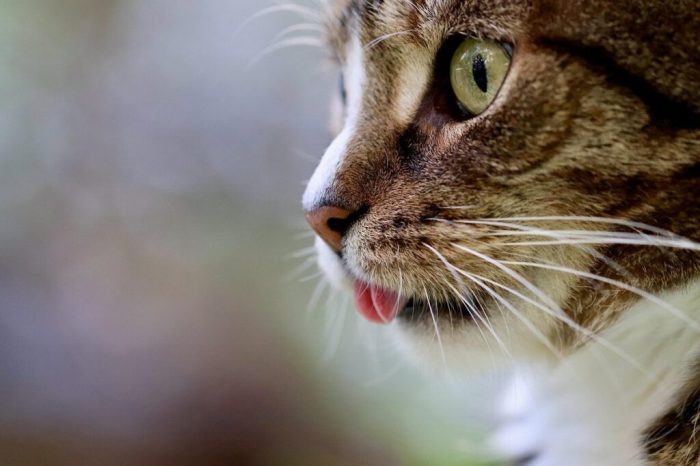
Source: completecatguide.com
While not specifically formulated for cats, Pedialyte has gained some traction in online pet communities as a potential rehydration aid. Many pet owners have shared anecdotal stories of using Pedialyte to help their cats recover from mild dehydration caused by vomiting or diarrhea.
The theoretical basis for this use lies in Pedialyte’s electrolyte composition. When a cat is dehydrated, they lose not only water but also essential electrolytes. Replacing these electrolytes can help restore balance and support proper bodily functions. The sodium, potassium, and chloride in Pedialyte
-could* help replenish these lost minerals.
Furthermore, the slightly sweet taste of Pedialyte might stimulate a cat’s thirst, encouraging them to drink more water than they normally would. This is particularly helpful for cats who are reluctant drinkers.
Anecdotal evidence and online discussions suggest that diluted Pedialyte
-may* offer a temporary solution for mild dehydration in cats by replenishing lost electrolytes and potentially stimulating thirst. However, it’s crucial to remember that this is not a substitute for veterinary care and should only be considered under the guidance of a veterinarian.
Risks and Concerns Associated with Giving Pedialyte to Cats
Despite the potential benefits, there are several risks and concerns associated with administering Pedialyte to cats. The most significant is the sugar content, and the potential for electrolyte imbalances if not used cautiously.
The sugar in Pedialyte can be problematic for diabetic cats, as it can raise blood glucose levels. Even in non-diabetic cats, excessive sugar intake can contribute to weight gain over time. It’s also important to note that kittens are more sensitive to sugar than adult cats.
Giving Pedialyte in excessive amounts or without veterinary guidance can lead to electrolyte imbalances. Too much sodium, for example, can be harmful. It’s crucial to dilute Pedialyte properly and to monitor your cat closely for any adverse reactions.
| Potential Risk | Explanation |
|---|---|
| Sugar Content | Can raise blood glucose levels in diabetic cats and contribute to weight gain. |
| Electrolyte Imbalance | Excessive intake can disrupt the delicate balance of electrolytes in the body. |
| Masking Underlying Condition | Pedialyte only addresses dehydration; it doesn’t treat the underlying cause. |
Safe Alternatives to Pedialyte for Feline Rehydration
Several safer and more effective alternatives to Pedialyte exist for rehydrating cats. The gold standard is subcutaneous fluids administered by a veterinarian, which directly replenishes fluids under the skin.
Unflavored Pedialyte, if available, is generally considered a safer option than flavored varieties, as it avoids artificial colors and sweeteners. However, even unflavored Pedialyte should be diluted and administered with caution.
Electrolyte solutions specifically formulated for pets are also available. These solutions are designed to provide the correct balance of electrolytes for cats and are often preferred over Pedialyte.
- Subcutaneous Fluids (Veterinarian Administered): Most effective and safest option.
- Electrolyte Solutions for Pets: Formulated specifically for feline needs.
- Unflavored Pedialyte (Diluted): A potential option, but use with caution and veterinary guidance.
- Water with Flavoring (Cat-Safe): Adding a small amount of tuna juice or chicken broth (low sodium) to water can encourage drinking.
- Wet Food: Provides both hydration and nutrients.
Proper Dilution and Administration Guidelines (If Considering Pedialyte)
Dilution is absolutely critical when considering Pedialyte for cats. Undiluted Pedialyte is too concentrated and can be harmful. A general recommendation is to dilute Pedialyte with an equal amount of water (1:1 ratio). Some veterinarians may recommend a more dilute solution (1:2 ratio) for smaller cats or those with kidney issues.
Administering diluted Pedialyte can be done in a few ways. A syringe is often the easiest method, allowing you to control the amount given. Mixing the diluted Pedialyte with wet food is another option, particularly for cats who are reluctant to drink from a syringe.
Dosage depends on the cat’s size and level of dehydration. A general guideline is to offer 5-10 ml of diluted Pedialyte every 2-4 hours. However, always consult with your veterinarian for specific dosage recommendations.
Syringe Administration Guide:
Imagine your cat comfortably sitting or lying down. Gently hold the cat’s head, tilting it slightly upwards. Insert the syringe at a 45-degree angle into the side of the mouth, aiming towards the back of the throat. Administer the liquid slowly, allowing the cat to swallow between small amounts. Avoid rushing, as this can cause the cat to choke.
Observe the cat closely for any signs of distress.
Veterinary Consultation: The Crucial Step
Before administering Pedialyte or any other electrolyte solution to your cat, it is absolutely essential to consult with a veterinarian. Self-treating dehydration can be dangerous and may mask an underlying medical condition.
When you contact your veterinarian, be prepared to provide detailed information about your cat’s condition, including the symptoms you’ve observed, how long the symptoms have been present, and any recent changes in behavior or appetite. Information about your cat’s medical history, including any existing conditions or medications, is also important.
Your veterinarian will diagnose the underlying cause of dehydration and recommend the most appropriate treatment plan. This may involve administering fluids, running diagnostic tests, and prescribing medication to address the underlying condition.
- What is the most likely cause of my cat’s dehydration?
- What is the best way to rehydrate my cat?
- What dosage of Pedialyte (or alternative solution) do you recommend?
- Are there any potential risks or side effects I should be aware of?
- When should I follow up with you regarding my cat’s progress?
Different Pedialyte Formulations and Their Ingredients
Pedialyte comes in various formulations, including original, fruit flavors, and freezer pops. Each formulation has slightly different ingredients and electrolyte concentrations.
The original Pedialyte formulation typically contains sodium, potassium, chloride, magnesium, and dextrose (sugar). Fruit flavors contain the same electrolytes but also include artificial flavors and colors. Freezer pops contain similar ingredients but are formulated as frozen treats.
Artificial sweeteners and colors are of concern for some pet owners, as they may cause allergic reactions or sensitivities in some cats. While the impact of these ingredients is generally considered minimal, it’s best to opt for unflavored Pedialyte whenever possible.
| Formulation | Key Ingredients | Sugar Content (approximate) |
|---|---|---|
| Original | Water, Sodium Chloride, Potassium Chloride, Dextrose, Magnesium Chloride, Citric Acid | 11g per 240ml |
| Fruit Flavors (e.g., Grape) | Original ingredients + Artificial Flavors, Artificial Colors | 11g per 240ml |
| Freezer Pops | Similar to original, with added ingredients for freezing | 11g per 240ml |
Long-Term Hydration Strategies for Cats
Preventing dehydration is always better than treating it. Encouraging your cat to drink more water regularly can significantly reduce their risk of dehydration. Providing multiple water sources throughout the house is a good starting point. Consider using a water fountain, as many cats prefer moving water.
Wet food is an excellent source of hydration for cats. It typically contains 70-80% water, which can significantly contribute to their daily fluid intake. Switching to a primarily wet food diet is a great way to boost your cat’s hydration.
Flavored water additives specifically designed for cats can also be helpful. However, it’s crucial to choose products that are safe and appropriate for feline consumption, avoiding those containing artificial colors, flavors, or sweeteners.
Hydration Checklist for Cat Owners:
- Are there multiple water sources available throughout the house?
- Does your cat have access to wet food regularly?
- Is the water bowl cleaned daily?
- Does your cat show any signs of reluctance to drink?
- Have you considered a water fountain?
Outcome Summary
Ultimately, while Pedialyte
-might* offer some benefits in specific situations, it’s not a one-size-fits-all solution for dehydrated cats. The potential risks, particularly for diabetic cats or those with underlying health conditions, are significant. Prioritizing veterinary consultation is paramount – they can accurately diagnose the cause of dehydration and recommend the safest and most effective treatment plan. Focusing on long-term hydration strategies, like providing fresh water sources and incorporating wet food into your cat’s diet, is a proactive approach to keeping your feline friend happy and healthy.
FAQ Corner
Can I use flavored Pedialyte for my cat?
No. Flavored Pedialyte contains artificial sweeteners and colors that can be harmful to cats. Stick to the original, unflavored variety if you’re considering it, and
-only* after consulting your vet.
How much Pedialyte can I give a cat?
Dosage is crucial and depends on the cat’s size and level of dehydration.
-Never* administer Pedialyte without veterinary guidance. They will provide specific instructions.
Is Pedialyte a substitute for a vet visit?
Absolutely not. Pedialyte is
-not* a replacement for professional veterinary care. It’s a potential tool that
-might* be used under a vet’s direction, but the underlying cause of dehydration needs to be diagnosed and treated.
What if my cat refuses to drink Pedialyte?
Don’t force it! Trying to force fluids can be stressful for your cat. Talk to your vet about alternative administration methods or other rehydration options.
Are there any long-term effects of giving Pedialyte to a cat?
Long-term use of Pedialyte isn’t generally recommended and hasn’t been extensively studied in cats. It’s best used as a short-term solution under veterinary supervision.