Ever noticed your cat doing something a little… odd? Maybe they’re obsessively grooming, stalking dust bunnies, or suddenly seem anxious. It’s a common concern for cat owners – figuring out
why* our feline friends sometimes act in ways that seem totally out of character. This guide dives deep into the reasons behind unusual cat behaviors, from environmental stressors and medical issues to their natural instincts and even obsessive tendencies. We’ll explore what’s normal, what’s concerning, and how to help your cat feel happy and secure.
Unusual Cat Behaviors
A Comprehensive Guide
Let’s face it, cats are quirky. We all know that. But sometimes, their quirks go beyond the usual head-boops and kneading. You might find your feline friend exhibiting behaviors that leave you scratching your head, wondering if something’s amiss. This guide dives deep into the world of unusual cat behaviors, exploring potential causes, offering practical solutions, and helping you understand your furry companion a little better.
We’ll cover everything from seemingly random actions to more concerning habits, all with the goal of improving your cat’s well-being and strengthening your bond.
Understanding why your cat is acting strangely can be a journey. It’s rarely a simple answer, and often involves a combination of factors. We’ll break down common behaviors, explore environmental influences, consider medical possibilities, and even touch on how sensory changes and ingrained instincts can play a role. The goal isn’t to diagnose, but to empower you with knowledge so you can advocate for your cat’s health and happiness.
Common Unusual Cat Behaviors
Many cat owners encounter behaviors that seem odd or perplexing. These aren’t necessarily signs of a problem, but they can be concerning. Let’s look at five frequently observed behaviors and what might be behind them.
- Pica (Eating Non-Food Items): This involves consuming things like fabric, plastic, or wool. It can be caused by nutritional deficiencies (though rare with good-quality cat food), boredom, or even anxiety. A kitten might explore the world by tasting everything, but persistent pica in an adult cat warrants a vet visit to rule out underlying medical issues.
- Obsessive Grooming: While cats are known for their meticulous grooming habits, excessive grooming to the point of hair loss or skin irritation is a red flag. This can be a sign of stress, anxiety, allergies, or even pain.
- Nocturnal Zoomies: Sudden bursts of energy and frantic running around at night are common, especially in younger cats. While often harmless, a significant increase in nocturnal activity could indicate boredom, lack of daytime stimulation, or even a medical condition like hyperthyroidism.
- Staring at Walls/Empty Spaces: Cats have incredibly sensitive senses. They might be detecting sounds or smells we can’t perceive. However, persistent staring, especially if accompanied by other behavioral changes, could indicate cognitive dysfunction (especially in older cats) or even a neurological issue.
- Bringing “Gifts” (Dead Animals): This is a deeply ingrained hunting instinct. While it might be unsettling for owners, it’s often a sign of a healthy, well-motivated hunter. It’s less about providing for you and more about demonstrating their hunting prowess.
| Behavior | Description | Possible Cause | Breed Predisposition |
|---|---|---|---|
| Pica | Eating non-food items | Nutritional deficiency, boredom, anxiety | Siamese (reported higher incidence) |
| Obsessive Grooming | Excessive grooming leading to hair loss | Stress, anxiety, allergies, pain | Persian (prone to allergies) |
| Nocturnal Zoomies | Sudden bursts of energy at night | Boredom, lack of stimulation, hyperthyroidism | Bengal (high energy breed) |
| Staring at Walls | Fixated gaze at empty spaces | Sensitive senses, cognitive dysfunction, neurological issue | Older cats in general |
| Bringing Gifts | Presenting dead animals | Hunting instinct | Maine Coon (strong hunting drive) |
Environmental Factors & Stress
A cat’s environment plays a huge role in their behavior. Changes, even seemingly small ones, can trigger stress and lead to unusual actions. Think about it – cats are creatures of habit. They thrive on routine and predictability.
- New Pets or Babies: Introducing a new animal or human into the household is a major upheaval for a cat. They may exhibit aggression, hiding, or changes in appetite.
- Moving: Relocating to a new home is incredibly stressful for cats. The unfamiliar smells, sounds, and layout can cause anxiety and behavioral changes.
- Renovations: Even home improvements can be disruptive. The noise, dust, and presence of strangers can trigger stress.
Feline stress manifests in various ways. It’s not just about obvious signs like hissing or swatting. Subtle signs include increased hiding, changes in appetite, litter box issues, excessive grooming, and even aggression. Recognizing these subtle cues is key to addressing the underlying stress.
Stress Assessment Checklist
- Has there been a recent change in the household (new pet, baby, move)?
- Is there a lot of noise or activity in the home?
- Does your cat have a safe, quiet place to retreat to?
- Is your cat getting enough playtime and mental stimulation?
- Are there any potential sources of conflict with other pets?
Modifying the environment can significantly reduce stress. Providing vertical space (cat trees, shelves) allows cats to feel safe and secure. Creating “safe zones” – quiet, secluded areas where they can retreat – is also crucial. Consider using pheromone diffusers (like Feliway) to create a calming atmosphere.
Medical Reasons for Odd Actions
Before attributing unusual behavior to stress or environmental factors, it’s essential to rule out medical conditions. Many medical issues can manifest as behavioral changes.
- Hyperthyroidism: This common condition in older cats can cause increased activity, aggression, and appetite changes.
- Cognitive Dysfunction (Feline Dementia): Similar to Alzheimer’s in humans, cognitive dysfunction can lead to disorientation, confusion, and changes in sleep patterns.
- Pain: Chronic pain can cause irritability, aggression, and changes in grooming habits.
Symptoms that warrant a veterinary visit include sudden changes in behavior, loss of appetite, increased thirst, vomiting, diarrhea, and difficulty urinating. Don’t hesitate to seek professional help if you’re concerned.
| Medical Condition | Behavioral Symptom | Diagnostic Test |
|---|---|---|
| Hyperthyroidism | Increased activity, aggression | Blood test (T4 level) |
| Cognitive Dysfunction | Disorientation, confusion | Neurological exam, blood work |
| Pain | Irritability, aggression | Physical exam, X-rays |
Sensory Issues & Perception
As cats age, their senses can decline, leading to unusual behaviors. Changes in vision, hearing, or smell can significantly impact their perception of the world.
- Vision Loss: Cats with impaired vision may bump into objects, become more cautious, and exhibit increased anxiety.
- Hearing Loss: Cats with hearing loss may startle easily, become more withdrawn, and have difficulty understanding commands.
- Loss of Smell: A diminished sense of smell can affect a cat’s appetite and ability to navigate their environment.
Identifying signs of sensory impairment can be challenging. Look for increased clumsiness, reluctance to play, changes in social interaction, and increased sensitivity to noise. Adapting the home environment is key. Provide clear pathways, avoid sudden loud noises, and ensure food and water bowls are easily accessible.
Play & Hunting Instincts Gone Awry
Cats are natural hunters, and their play behaviors are rooted in these instincts. Sometimes, these instincts can manifest in ways that seem strange to owners.
- Stalking: Cats may stalk inanimate objects like feet or toys, exhibiting intense focus and predatory behavior.
- Pouncing: Sudden pouncing on unsuspecting feet or objects is a common display of hunting instincts.
- Excessive Grooming: While grooming is normal, excessive grooming can be a way for cats to relieve stress or boredom, mimicking the self-soothing behaviors of a hunt.
Redirecting these instincts with appropriate toys and enrichment activities is crucial. Interactive toys that mimic prey are particularly effective.
Interactive Toy List
- Feather Wands: Mimic the movement of birds.
- Laser Pointers: (Use with caution – avoid shining in eyes) – stimulate the chase instinct.
- Puzzle Toys: Engage their minds and reward them with treats.
- Catnip Toys: Provide a burst of playful energy.
- Toy Mice: Satisfy their hunting instincts.
Communication & Social Interactions
Cats communicate through a complex combination of vocalizations, body language, and scent marking. Misinterpretations can lead to misunderstandings and behavioral issues.
Understanding a cat’s tail movements, ear positions, and facial expressions is key to deciphering their messages. A twitching tail can indicate excitement or irritation, while flattened ears signal fear or aggression. Slow blinks are a sign of trust and affection.
Obsessive-Compulsive Behaviors in Cats
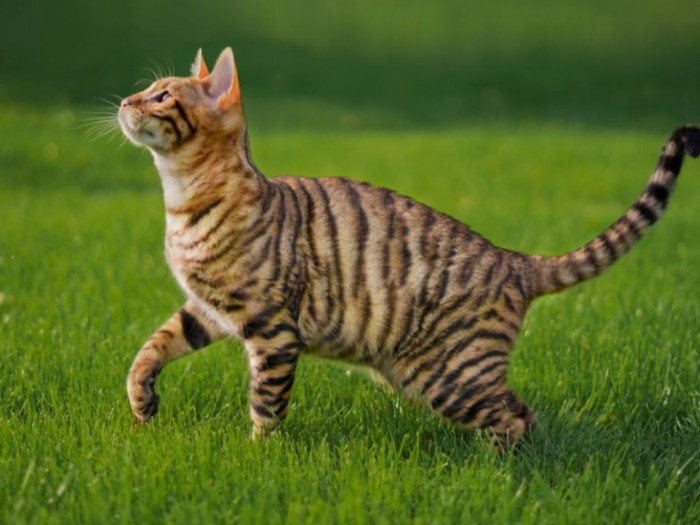
Source: cats.com
Obsessive-compulsive behaviors in cats are characterized by repetitive actions that seem out of context. These behaviors can be distressing for both the cat and the owner.
- Excessive Grooming: Similar to what was mentioned earlier, but to a more extreme degree.
- Pacing: Restless pacing, often along a specific route.
- Fixating on Objects: Intense focus on a particular object, often accompanied by repetitive behaviors.
Potential causes include anxiety, boredom, and genetics. Managing these behaviors requires a multi-faceted approach, including environmental enrichment, behavioral modification techniques, and, in some cases, medication.
Dietary Influences on Behavior
A cat’s diet can significantly impact their mood and behavior. Specific nutrients play a crucial role in brain function and overall well-being.
| Nutrient | Behavioral Impact (Positive/Negative) | Food Source |
|---|---|---|
| Taurine | Positive (essential for brain function and vision) | Meat, poultry, fish |
| Omega-3 Fatty Acids | Positive (supports brain health and reduces inflammation) | Fish oil, flaxseed oil |
| Artificial Colors/Preservatives | Negative (can trigger hyperactivity or anxiety in some cats) | Avoid processed cat foods |
Age-Related Behavioral Changes
As cats age, their behavior can change. Common age-related issues include increased irritability, sleep disturbances, and disorientation.
Adapting the home environment to meet the needs of senior cats is essential. Provide soft bedding, easy access to food and water, and a quiet, comfortable place to rest. Patience and understanding are key to supporting aging cats.
Unusual Grooming Habits
While cats are known for their grooming, excessive or peculiar grooming habits can be a sign of underlying issues.
Grooming habits that might be concerning include over-grooming leading to bald patches, licking unusual objects, or developing sores from excessive licking. Potential underlying causes include allergies, anxiety, and pain.
If your cat is excessively grooming:
- Consult your veterinarian to rule out medical causes.
- Identify and address potential stressors in the environment.
- Provide plenty of enrichment and playtime.
- Consider using pheromone diffusers to create a calming atmosphere.
Closing Notes
Ultimately, understanding your cat’s behavior is about being observant and responsive. Whether it’s a simple environmental tweak, a new interactive toy, or a trip to the vet, recognizing the root cause of their quirks is key to ensuring their well-being. By paying attention to their signals and providing a supportive environment, you can help your cat thrive, even if they occasionally decide to chase their tail in a circle for five minutes straight!
Detailed FAQs
Why is my cat suddenly biting me when I pet them?
This could be due to overstimulation, pain, or a sudden noise that startles them. Try petting them for shorter periods and observe their body language for signs of discomfort.
My cat is constantly meowing – is something wrong?
Excessive meowing can indicate boredom, hunger, anxiety, or a medical issue. Rule out basic needs first, then consider environmental enrichment or a vet visit.
Why does my cat bring me “gifts” like dead mice?
It’s a natural hunting instinct! They’re showing you they’re a provider, even if it’s a little unsettling for us.
My cat is pacing back and forth – what does that mean?
Pacing can be a sign of anxiety, stress, or even cognitive dysfunction in older cats. Try to identify potential stressors and consult a vet if it persists.
Is it normal for cats to “make biscuits” (kneading)?
Yes! It’s a comforting behavior rooted in kittenhood when they kneaded their mother’s belly to stimulate milk flow. It’s usually a sign of contentment.
My cat is obsessed with licking plastic – is this dangerous?
Pica (eating non-food items) can be concerning. It could be due to nutritional deficiencies, boredom, or anxiety. Consult your vet to rule out any medical issues.

