Ever noticed your cat’s belly feels a little firmer than you expect? It’s a common observation, and while a soft, squishy belly is often what we picture, a degree of firmness is normal. But when does a hard cat belly become a cause for concern? This guide dives deep into feline abdominal anatomy, explores potential causes ranging from muscle tension to underlying medical conditions, and provides practical advice on what to look for and when to seek veterinary help.
We’ll break down everything from normal abdominal feel to diagnostic procedures, empowering you to be a more informed and attentive cat parent.
Understanding the layers beneath your cat’s fur is key. Their abdomen isn’t just one big, soft space; it’s a complex structure of skin, muscle, fat, and vital organs. The firmness you feel can be influenced by a variety of factors, including muscle tone, fat distribution, and even their emotional state. We’ll explore how to differentiate between a belly that’s hard due to stress and one that might indicate a more serious issue, giving you the tools to assess your cat’s well-being.
Understanding Feline Abdominal Firmness: A Guide for Cat Owners
A firm belly on your cat can be concerning, and it’s natural to want to understand what’s going on. While a slightly taut abdomen is normal, significant hardening can indicate various issues, from muscle tension to underlying medical conditions. This guide will explore the anatomy of a cat’s abdomen, potential causes of a hardened belly, and what you can do to monitor your cat’s health.
We’ll break down the complexities in a way that’s easy to understand, so you can be a more informed and proactive cat parent.
1. Understanding Feline Anatomy & Abdominal Structure
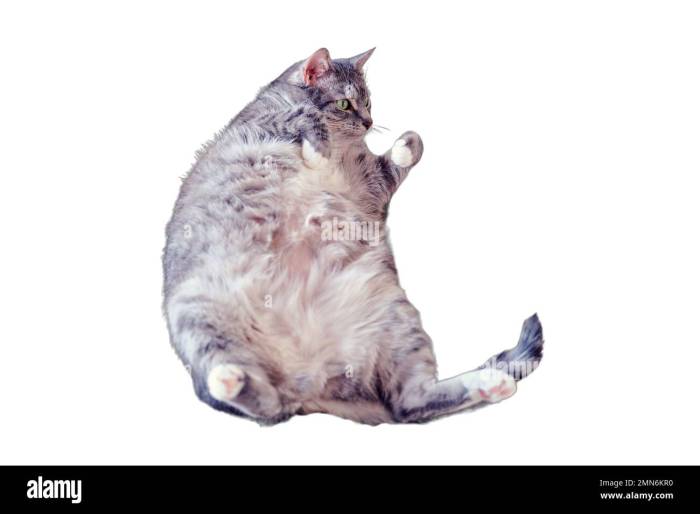
Source: alamy.com
The abdomen of a cat is a complex region, housing vital organs and supported by a layered structure. Understanding this anatomy is key to recognizing what’s normal and what might warrant a vet visit. The abdominal wall itself is composed of several layers, starting with the skin, then subcutaneous fat, a layer of muscle (primarily the rectus abdominis and obliques), and finally the peritoneum, a membrane that lines the abdominal cavity and covers the organs.
The firmness you feel when palpating your cat’s belly is influenced by all these layers. Muscle tone plays a significant role; a cat that’s active and well-muscled will generally have a firmer abdomen than a sedentary cat. Fat distribution also contributes – a cat carrying extra weight will have a softer, less defined abdomen. Kittens typically have softer, less developed abdominal muscles and thinner fat layers compared to adult cats, resulting in a generally softer feel.
| Bone Name | Location | Function |
|---|---|---|
| Lumbar Vertebrae | Lower back, supporting the abdomen | Provides structural support and allows for flexibility. |
| Ribs | Thoracic cavity, extending to protect the abdomen | Protect internal organs and provide attachment points for abdominal muscles. |
| Pelvis | Base of the spine, supporting the hind limbs | Provides stability and attachment points for abdominal muscles. |
2. Potential Causes of a Hardened Cat Belly
A hardened belly isn’t always a cause for alarm, but it’s important to investigate potential underlying causes. Scar tissue formation is a common culprit following surgical procedures or injuries. The healing process involves the body laying down collagen fibers, which can create a firmer, less pliable area. Abdominal masses, such as tumors or cysts, can also present as a hardened area.
These growths can vary in size and consistency, and a veterinarian needs to evaluate them. Conditions like peritonitis (inflammation of the abdominal lining) or abscesses (localized collections of pus) can also lead to abdominal hardening due to inflammation and fluid accumulation. Distinguishing between a hardened belly caused by muscle tension and one caused by a mass is crucial. Muscle tension often feels more diffuse and may be accompanied by a tense posture, while a mass typically feels more localized and distinct.
3. Muscle Tension and Behavioral Factors
Stress, anxiety, or fear can significantly impact a cat’s abdominal muscles. When a cat is stressed, its body enters a “fight or flight” response, triggering the release of hormones like adrenaline. This physiological response leads to muscle tightening throughout the body, including the abdominal muscles. Posture and body language provide valuable clues. A cat that’s tense and hunched over is more likely to have a hardened abdomen due to muscle tension.
Recognizing common stressors can help you address the root cause of the problem.
- Loud Noises: Thunderstorms, fireworks, construction.
- Changes in Environment: Moving to a new home, introducing new pets or people.
- Veterinary Visits: Many cats find vet visits stressful.
- Lack of Enrichment: Boredom and lack of stimulation can lead to anxiety.
- Conflict with Other Cats: Competition for resources or territory.
4. Medical Conditions Affecting Abdominal Tissue
Several medical conditions can contribute to abdominal hardening. Feline inflammatory bowel disease (IBD) is a chronic inflammatory condition of the digestive tract, often causing abdominal discomfort and potentially leading to a firmer abdomen due to inflammation and thickening of the intestinal walls. Organ enlargement, such as an enlarged liver or spleen, can also impact abdominal palpation, making the area feel harder.
Pancreatitis, inflammation of the pancreas, can cause significant abdominal pain and hardening. A veterinarian will use a combination of physical examination, blood work, and imaging to differentiate between a hardened area caused by muscle versus an organ. Palpating the area carefully, noting its location, size, and consistency, is essential for accurate diagnosis.
5. Palpation Techniques & What to Expect
Palpating your cat’s abdomen can provide valuable information, but it’s crucial to do so gently and with care. Start by having your cat in a relaxed position, ideally lying on their side. Use a light touch initially, gradually increasing pressure as your cat allows. Pay attention to your cat’s body language – if they show signs of discomfort, stop immediately.
| Step | Description | Rationale | Potential Findings |
|---|---|---|---|
| Initial Light Touch | Gently place your hand on the abdomen. | Allows the cat to acclimate to your touch and identifies areas of sensitivity. | Muscle tension, slight discomfort. |
| Gradual Pressure | Slowly increase pressure, feeling for any abnormalities. | Helps to identify masses, organ enlargement, or areas of inflammation. | Localized hardness, pain response. |
| Palpate Each Quadrant | Systematically palpate each quadrant of the abdomen. | Ensures thorough examination of the entire abdominal region. | Variations in texture, organ size. |
| Assess for Pain | Observe for signs of pain, such as flinching, vocalization, or guarding. | Indicates potential inflammation or underlying medical conditions. | Pain response, muscle guarding. |
Important Safety Consideration: Never force palpation if your cat is resisting or showing signs of pain. This can cause further discomfort and anxiety. If you are unsure about the proper technique or suspect a serious problem, consult a veterinarian.
6. Diagnostic Procedures & Veterinary Evaluation
A veterinarian will utilize a range of diagnostic procedures to determine the cause of a hardened cat belly. Blood work can help identify underlying medical conditions, such as inflammation, infection, or organ dysfunction. Imaging techniques, such as radiographs (X-rays) and ultrasound, provide detailed views of the abdominal organs and tissues, allowing for the detection of masses, organ enlargement, or other abnormalities.
A fine needle aspirate (FNA) involves collecting a small sample of cells from a hardened area for microscopic examination, which can help determine if it’s cancerous or benign. During a physical examination, the veterinarian will assess your cat’s overall health, palpate the abdomen thoroughly, and look for any other signs of illness.
7. Distinguishing Between Fat and Muscle Hardness
Differentiating between a hardened belly due to excess abdominal fat and one due to tense abdominal muscles can be challenging. A cat with excess fat will typically have a softer, more rounded abdomen, while a cat with tense muscles will have a firmer, more defined abdomen. Assessing muscle tone and definition under the fat layer requires careful palpation. A cat with good muscle tone will have well-defined abdominal muscles, even under a layer of fat.
Diet and exercise play a crucial role in abdominal fat and muscle development. A balanced diet and regular exercise can help reduce abdominal fat and build muscle mass.Imagine a cat with a primarily fatty abdomen: the belly would appear rounded and soft, with minimal muscle definition. You’d feel a layer of fat over the abdominal wall, and the abdomen would yield easily to pressure.
Conversely, a cat with a primarily muscular abdomen would have a flatter, more toned belly, with visible abdominal muscles. The abdomen would feel firmer and more defined, and the muscles would be easily palpable.
8. Home Monitoring & Recognizing Changes
Regularly monitoring your cat’s abdomen can help you detect subtle changes that might indicate a problem. Be aware of any new firmness, swelling, or pain. Monitor your cat’s appetite, energy levels, and litter box habits. Changes in these areas can be early signs of illness. Regular veterinary checkups are essential for early detection of potential problems.
- Monitor for New Firmness: Regularly palpate your cat’s abdomen to check for any new areas of hardness.
- Observe Appetite Changes: Note any decrease or increase in appetite.
- Track Energy Levels: Pay attention to your cat’s activity level and overall energy.
- Check Litter Box Habits: Monitor for changes in urination or defecation.
- Look for Signs of Pain: Watch for signs of discomfort, such as reluctance to move, hiding, or vocalization.
Closing Summary
Ultimately, a hard cat belly can be a symptom of many things, from simple stress to more complex medical conditions. Regular observation, gentle palpation (when your cat is relaxed!), and a keen awareness of any changes in their behavior or appetite are your best defenses. Don’t hesitate to consult your veterinarian if you have any concerns – early detection is crucial for many feline health issues.
By understanding the nuances of your cat’s abdominal health, you can contribute to a longer, happier, and healthier life for your furry friend.
Detailed FAQs
Why does my kitten’s belly feel different than my adult cat’s?
Kittens have less developed muscle tone and a thinner layer of fat, so their bellies generally feel softer and more pliable than adult cats. As they mature, muscle development and fat distribution change, leading to a firmer feel.
Could scar tissue from a previous surgery be making my cat’s belly hard?
Yes, scar tissue is a common cause of localized firmness. The healing process can result in a denser, less flexible area of tissue. Your vet can assess the area and determine if it’s related to a previous procedure.
My cat seems stressed; could that make their belly feel hard?
Absolutely! Stress, anxiety, and fear can cause a cat to tense their abdominal muscles, leading to a noticeable firmness. Look for other signs of stress like hiding, changes in appetite, or excessive grooming.
What’s the difference between a hardened belly due to muscle tension and one due to a mass?
Muscle tension usually feels more diffuse and may be accompanied by a tense posture. A mass will typically feel like a distinct, localized lump or bump. However, it’s crucial to have a vet evaluate any unusual firmness.
How can I safely check my cat’s abdomen?
Always approach your cat gently and when they are relaxed. Use a light touch and avoid squeezing. If your cat shows any signs of discomfort or pain, stop immediately.
What kind of blood work might my vet order if they suspect an abdominal issue?
Common blood tests include a complete blood count (CBC) and a biochemistry profile to assess organ function and look for signs of inflammation or infection.
What does ultrasound imaging reveal about the abdomen?
Ultrasound provides detailed images of the abdominal organs, allowing vets to identify masses, organ enlargement, inflammation, and other abnormalities that might not be visible on X-rays.