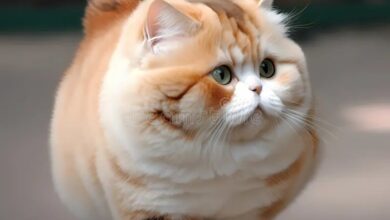
Have you ever noticed your cat’s adorable little lip protrusion – the infamous “blep”? It’s a quirky, often hilarious, and surprisingly complex feline behavior that’s captivated the internet and cat lovers worldwide. Beyond just being cute, the cat blep offers a fascinating glimpse into a cat’s emotions, sleep patterns, and even potential health. Let’s dive into the world of bleps, exploring everything from the science (or lack thereof!) to their cultural significance and how to best capture that perfect blep photo.
This exploration will unravel the nuances of this charming quirk, examining the physiological reasons behind it, the emotions it can convey, and how it varies across different breeds and ages. We’ll also touch on the internet phenomenon it’s become and what to look out for if your cat’s blepping seems unusual.
The Curious Case of the Cat Blep: A Comprehensive Guide
Let’s be honest, there’s something undeniably charming about a cat with a little bit of their tongue peeking out. We call it a “blep,” and it’s become a beloved internet phenomenon. But what
-is* a blep, really? Is it a sign of relaxation, confusion, or something else entirely? This guide dives deep into the world of cat bleps, exploring the science, the emotions, and the cultural significance behind this quirky feline behavior.
We’ll cover everything from the physiological mechanisms at play to the best ways to capture that perfect blep photo.
Defining the “Blep” Phenomenon
A cat blep, at its core, is the protrusion of the tongue beyond the lips. It’s not a full tongue lolling out, but rather a subtle, often endearing, display. The degree of protrusion can vary greatly, from a tiny tip of pink to a more substantial sliver of tongue. Accompanying facial expressions are equally diverse. A relaxed blep often accompanies closed or half-closed eyes and a generally serene demeanor.
A sleepy blep might be paired with droopy eyelids and a slightly slack jaw. Occasionally, a blep can appear alongside a confused or even slightly bewildered expression, with wide eyes and a tilted head.
The physiological basis of a blep is likely a combination of factors. Facial muscles, particularly those around the mouth and jaw, play a crucial role in controlling tongue position. The position of the tongue itself, influenced by the hyoid apparatus (a series of bones supporting the tongue), is also key. Neurological factors, such as muscle relaxation during sleep or moments of low alertness, likely contribute as well.
It’s a complex interplay of anatomy and neurology that results in this adorable quirk.
Observations across different breeds reveal some interesting, albeit anecdotal, correlations. Persians and Exotic Shorthairs, with their brachycephalic (short-nosed) faces, seem to be particularly prone to bleps, likely due to the structure of their jaws and the resulting space available for the tongue. Scottish Folds, with their unique facial structure, also exhibit bleps frequently. However, bleps are observed in virtually all breeds, suggesting it’s not solely a breed-specific trait but rather a variable expression of underlying physiological factors.
The Emotional Spectrum of Bleps
A blep isn’t just a physical quirk; it’s often a window into a cat’s emotional state. While a relaxed blep typically indicates contentment and ease, other bleps can signal different emotions. A stressed blep might be accompanied by panting, dilated pupils, and flattened ears, suggesting discomfort or anxiety. A playful blep, on the other hand, might be seen during moments of excitement and interaction, often paired with a twitching tail and bright, engaged eyes.
Body language is crucial for interpreting a cat’s emotional state alongside a blep. A relaxed cat with a blep will likely be curled up in a comfortable position, with slow, deliberate movements. A stressed cat might be crouched low to the ground, with tense muscles and a tucked tail. Ear position is also a key indicator: relaxed ears are forward and slightly tilted, while flattened ears signal fear or aggression.
Tail movements provide further clues – a slow, gentle sway indicates contentment, while a rapid, agitated swish suggests excitement or frustration.
| Blep Type | Associated Emotion | Body Language Cues |
|---|---|---|
| Relaxed Blep | Contentment, Ease | Curled up posture, slow movements, forward-facing ears, gentle tail sway, half-closed eyes. |
| Stressed Blep | Anxiety, Discomfort | Crouched posture, tense muscles, tucked tail, flattened ears, dilated pupils, panting. |
| Playful Blep | Excitement, Engagement | Alert posture, twitching tail, bright eyes, playful pounces, active ear movements. |
Bleps and Sleep: A Deep Dive
Blep are remarkably common during sleep, and for good reason. As cats enter various stages of sleep, their muscles relax, including those controlling the jaw and tongue. This relaxation allows the tongue to naturally protrude slightly, resulting in a blep. The deeper the sleep, the more pronounced the relaxation, and consequently, the more prominent the blep.
During light sleep, the blep might be subtle, barely noticeable. The cat remains somewhat alert, and muscle control is still present. However, during deep sleep (REM sleep), muscle tone is significantly reduced, leading to a more exaggerated blep. The jaw may slacken, and the tongue may protrude further, creating a truly spectacular blep.
The transition into sleep and the development of a blep is a gradual process. Initially, the cat might begin to slow down, their movements becoming more deliberate. The eyelids may droop slightly, and the breathing may become more regular. As they enter a lighter stage of sleep, a subtle blep might appear. As they progress to deeper sleep, the blep becomes more pronounced, accompanied by a complete relaxation of the facial muscles and a stillness that is both peaceful and endearing.
Bleps Across Cat Ages
Kittens and adult cats exhibit bleps differently. Kittens, with their developing facial muscles and less refined control, often display more frequent and sometimes more erratic bleps. Their bleps can be accompanied by playful expressions and a general air of curiosity. Adult cats, having honed their muscle control, tend to have more controlled and deliberate bleps, often associated with relaxation or sleep.
Senior cats may experience a decrease in blepping frequency. Age-related physiological changes, such as muscle weakness and decreased neurological function, can affect facial muscle control, making it more difficult for them to maintain a blep. Dental issues, which are more common in older cats, can also impact tongue position and contribute to changes in blepping behavior.
- Kittens: Frequent, often erratic bleps, playful expressions, accompanied by curiosity and exploration.
- Adolescents: Bleps become more controlled, often associated with relaxation and grooming.
- Adult Cats: Deliberate and relaxed bleps, typically observed during sleep or moments of contentment.
The Science (or Lack Thereof) Behind Bleps
Surprisingly, there are very few formal scientific studies specifically investigating the phenomenon of cat bleps. Most information is based on anecdotal observations and educated speculation. While researchers have studied feline facial muscles and tongue anatomy, the specific mechanisms and purpose of bleps remain largely unexplored.
Current theories suggest that bleps are likely a byproduct of muscle relaxation during sleep or moments of low alertness. There’s no strong evidence to suggest a specific evolutionary purpose. However, it’s possible that bleps could play a subtle role in social communication, perhaps signaling a cat’s relaxed state to other cats or even to humans. It’s also possible that the slight protrusion of the tongue helps to keep the mouth slightly open, aiding in ventilation during sleep.
Imagine a scenario where a cat is resting near another cat. A subtle blep might signal to the other cat that the resting cat is relaxed and poses no threat. This could contribute to a more harmonious social dynamic within a multi-cat household. While speculative, this highlights the potential for even seemingly trivial behaviors to have subtle social functions.
Cultural Significance & Internet Fame
The “cat blep” has undeniably achieved internet fame. Its popularity stems from its inherent cuteness and the relatable feeling of witnessing a cat in a moment of unguarded relaxation. The slightly goofy, almost human-like expression conveyed by a blep resonates with humans, eliciting feelings of amusement and affection.
Social media platforms, particularly Instagram, Twitter, and Reddit, have played a crucial role in amplifying the visibility of cat bleps. Viral images and videos of cats exhibiting bleps are shared and enjoyed by millions, contributing to the phenomenon’s widespread recognition. Hashtags like #catblep, #blepcat, and #catsofinstagram have become synonymous with this endearing behavior.
Mock Social Media Campaign: Celebrate the Blep!
- Caption Example: “Just a little blep to brighten your day! 😻 #catblep #blepcat #cutecat #catlover #sleepycat”
- Hashtags: #catblep #blepcat #cutecat #catlover #sleepycat #feline #adorable #internetcat #catlife
- Visual: A carousel post featuring various cat bleps, showcasing different breeds and expressions.
Variations in Blep Presentation
Beyond the standard lip protrusion, there are several variations in blep presentation. A “double blep” involves a more significant protrusion of the tongue, often with a slight curl at the tip. A “tongue-tip blep” features only the very tip of the tongue extending beyond the lips. Other variations include subtle “winks” where the tongue briefly flashes before retracting.
Cats with different jaw structures exhibit bleps differently. Cats with shorter jaws, like Persians, tend to have more pronounced bleps due to the limited space available for the tongue. Cats with longer jaws may have more subtle bleps, where the tongue protrudes less noticeably. Breed-specific facial features, such as the shape of the nose and the size of the mouth, also influence blep presentation.
Visual Guide to Blep Types:
- Standard Blep: A subtle protrusion of the tongue, with the tip just barely visible beyond the lips. Lighting: Soft, diffused light from the front. Background: Plain, light-colored backdrop.
- Double Blep: A more significant protrusion, with a noticeable curve in the tongue. Lighting: Slightly brighter light to highlight the tongue’s texture. Background: Slightly darker, neutral tone.
- Tongue-Tip Blep: Only the very tip of the tongue is visible. Lighting: Focused light on the mouth area. Background: Blurred background to draw attention to the face.
- Wink Blep: A fleeting glimpse of the tongue as it briefly flashes before retracting. Lighting: Quick flash of light to capture the moment. Background: Simple, uncluttered background.
Bleps and Health Considerations
While generally harmless, a change in a cat’s blepping behavior could potentially indicate an underlying health condition. Neurological issues, such as seizures or nerve damage, can affect muscle control and lead to unusual or excessive blepping. Dental problems, such as gum disease or misaligned teeth, can also impact tongue position and contribute to changes in blepping behavior.
A visit to the veterinarian is warranted if you notice any of the following signs: excessive drooling, difficulty eating, changes in breathing, unusual facial expressions, or a sudden increase or decrease in blepping frequency. These could indicate a more serious underlying problem that requires medical attention.
Concerned about your cat’s blepping habits? Don’t panic! Most bleps are perfectly normal. However, if you notice any sudden or concerning changes in your cat’s behavior, or if they exhibit any other signs of illness, consult with your veterinarian to rule out any underlying medical conditions.
The Art of Capturing a Blep
Photographing a cat blep requires patience and an understanding of lighting. Optimal lighting conditions involve soft, diffused light that evenly illuminates the cat’s face without creating harsh shadows. Natural light is ideal, but if shooting indoors, use a softbox or diffuser to soften the light source.
To photograph a blep without disturbing the cat, observe their behavior and wait for a natural moment of relaxation or sleep. Avoid making sudden movements or loud noises that could startle them. Patience is key – the perfect blep photo often requires waiting for the right opportunity.
A “perfect” cat blep photograph captures the cat’s expression accurately and conveys a sense of peace and contentment. The composition should be balanced, with the cat’s face centered in the frame. The lighting should be soft and flattering, highlighting the cat’s features without creating harsh shadows. The emotional impact should be undeniable – a photo that evokes a smile and captures the essence of a cat’s adorable blep.
Bleps in Fictional Cats
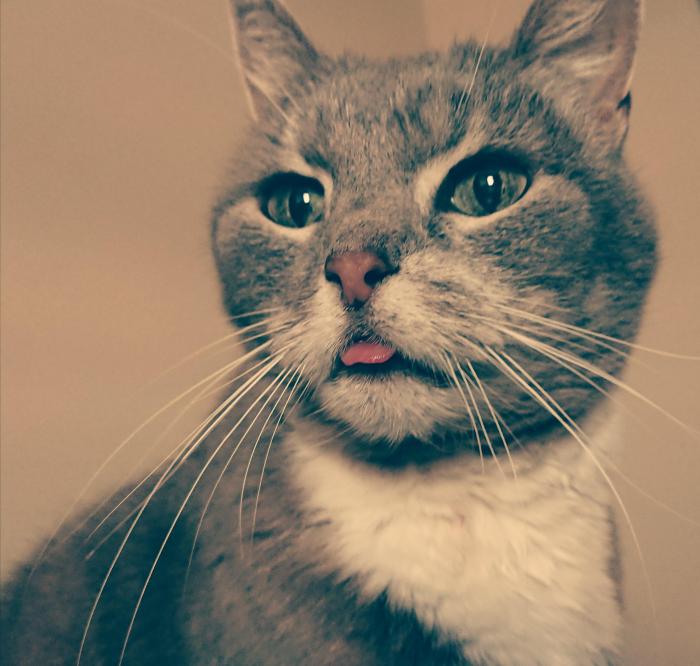
Source: redd.it
Bleps have made their way into popular culture, appearing in cartoons, movies, and books. In animated shows, bleps are often used to convey a character’s silliness or quirkiness. In movies, bleps can add a touch of realism and relatability to feline characters. In books, bleps can be used to describe a cat’s personality and behavior.
Fictional cat characters often use bleps to convey specific personality traits. A mischievous cat might exhibit a playful blep, while a sleepy cat might display a relaxed blep. The blep becomes a visual shorthand for a character’s emotional state and overall personality.
| Character | Personality | Blep Style | Overall Impact |
|---|---|---|---|
| Garfield (Comic Strip) | Lazy, Sarcastic | Frequent, relaxed bleps during naps. | Reinforces his laid-back and cynical persona. |
| Mittens (Movie “The Aristocats”) | Streetwise, Independent | Occasional, playful bleps during interactions. | Adds a touch of charm and vulnerability to her tough exterior. |
| Luna (Studio Ghibli’s “Kiki’s Delivery Service”) | Wise, Comforting | Subtle, gentle bleps during moments of peace. | Emphasizes her calm and reassuring presence. |
Last Word
From sleepy slumbers to playful moments, the cat blep is a constant source of amusement and a window into our feline companions’ inner lives. Whether it’s a subtle twitch or a full-blown lip hang, each blep tells a story. Understanding these little facial expressions can deepen our bond with our cats and allow us to appreciate the unique personalities they possess.
So, next time you see your cat sporting a blep, take a moment to observe, appreciate, and maybe even snap a photo – you’re witnessing a truly special feline moment!
Ultimately, the cat blep is a reminder to embrace the quirky and unexpected joys of cat ownership, and to always be ready for a dose of adorable silliness.
Helpful Answers
Why do cats blep?
The exact reason is still a mystery! It’s likely a combination of relaxed facial muscles, tongue position, and neurological factors, often occurring during sleep or relaxation.
Can a blep indicate a problem?
Sometimes. While usually harmless, excessive or unusual blepping, especially if accompanied by other symptoms like drooling or difficulty eating, could indicate a dental or neurological issue. Consult a vet if you’re concerned.
Are some breeds more prone to blepping?
Anecdotal evidence suggests breeds with flatter faces, like Persians and Exotics, might blep more frequently, but it’s seen across many breeds.
What’s the difference between a sleepy blep and a stressed blep?
A sleepy blep is relaxed and often accompanied by closed or half-closed eyes. A stressed blep might be accompanied by tense muscles, dilated pupils, and flattened ears.
Is there any scientific research on cat bleps?
Surprisingly, very little! It’s largely an observational phenomenon, and more research would be needed to fully understand it.
How can I get a good photo of a cat blep?
Patience is key! Use natural lighting, avoid startling your cat, and focus on capturing their expression. A slightly blurry but genuinely relaxed blep is better than a perfectly sharp but stressed one.