Is your feline friend struggling with hairballs, constipation, or maintaining a healthy weight? The answer might lie in their diet! Cat food high in fibre is gaining popularity, and for good reason. It’s not just about keeping things moving; fibre plays a vital role in a cat’s overall well-being, impacting everything from gut health to weight management. Let’s dive into the world of feline fibre and explore how it can benefit your beloved companion.
Understanding your cat’s digestive system is key to appreciating the importance of fibre. Unlike dogs, cats are obligate carnivores, meaning their digestive systems are primarily designed to process meat. However, a small amount of fibre is still beneficial, aiding in digestion and promoting a healthy gut microbiome. This guide will break down the different types of fibre, the best ingredients to look for, and how to safely incorporate more fibre into your cat’s diet.
Understanding Feline Fiber Needs
We all want our cats to be happy and healthy, and a big part of that is ensuring they’re getting the right nutrition. Fiber often gets overlooked in cat food discussions, but it plays a surprisingly crucial role in their overall well-being. This isn’t just about keeping things moving; fiber impacts everything from digestion and weight management to gut health and even hairball control.
Let’s dive into why fiber is so important for our feline friends and how to make sure they’re getting enough.
A cat’s digestive system is uniquely designed for a meat-based diet. Unlike humans, cats have a relatively short digestive tract and produce less digestive enzyme. This means they’re optimized for absorbing nutrients from animal protein. However, fiber, while not a nutrient source itself, acts as a facilitator, aiding in the efficient processing of food and contributing to a healthy gut environment.
Without adequate fiber, food can move too quickly or too slowly through the digestive tract, leading to various issues.
Beyond digestion, fiber contributes to a cat’s overall health by promoting satiety, which can help with weight management. It also supports the growth of beneficial gut bacteria, contributing to a balanced gut microbiome. A healthy gut microbiome is linked to improved immunity, reduced inflammation, and even better mental well-being. Fiber also helps bind toxins in the digestive tract, aiding in their elimination.
There are two main types of fiber: soluble and insoluble. Soluble fiber dissolves in water, forming a gel-like substance. This type of fiber helps regulate blood sugar levels, slows down digestion, and feeds beneficial gut bacteria. Insoluble fiber, on the other hand, doesn’t dissolve in water and adds bulk to the stool, promoting regularity. Both types are beneficial for cats, but they have different effects.
The ideal diet will contain a balance of both.
Fiber needs vary depending on a cat’s age, activity level, and health status. Kittens generally need less fiber than adult cats. Active cats may benefit from slightly higher fiber intake to support muscle health and energy levels. Cats with certain health conditions, like constipation or diarrhea, may require a specifically formulated high-fiber diet, always under veterinary guidance.
Identifying High-Fiber Cat Food Ingredients
Source: bestpets.co
Choosing a cat food rich in fiber can feel overwhelming, with so many ingredients listed on the label. Understanding which ingredients naturally contain high levels of fiber is key to making an informed decision. While meat and animal protein should always be the primary focus, incorporating fiber-rich ingredients can significantly benefit your cat’s health. Here’s a breakdown of some common ingredients and their fiber content.
Several ingredients are commonly used to boost the fiber content of cat food. Beet pulp is a byproduct of sugar beet processing and is a popular choice due to its affordability and good fiber content. Pumpkin, particularly canned pumpkin (not pumpkin pie filling!), is a great source of soluble fiber and also provides vitamins and antioxidants. Psyllium husk is a highly effective soluble fiber source often used to treat constipation.
Other options include pea fiber, cellulose (a structural component of plant cell walls), and oat fiber.
The digestibility of different fiber sources varies. Beet pulp is generally well-tolerated and easily digestible for most cats. Pumpkin is also easily digestible and provides additional nutrients. Psyllium husk is very effective but can cause gas in some cats if introduced too quickly. Pea fiber and oat fiber are generally well-tolerated but may not provide as much bulk as beet pulp or psyllium husk.
It’s important to consider your cat’s individual sensitivities when choosing a high-fiber food.
| Ingredient | Fiber Percentage (Approximate) | Source Type (Soluble/Insoluble) | Additional Benefits |
|---|---|---|---|
| Beet Pulp | 10-25% | Soluble & Insoluble | Prebiotic effect, adds bulk, affordable |
| Pumpkin (Canned) | 5-10% | Soluble | Rich in vitamins & antioxidants, aids digestion |
| Psyllium Husk | 70-85% | Soluble | Highly effective for constipation, forms gel |
| Pea Fiber | 20-30% | Soluble & Insoluble | Good source of fiber, generally well-tolerated |
| Cellulose | 5-10% | Insoluble | Adds bulk, inexpensive |
| Oat Fiber | 10-20% | Soluble & Insoluble | Prebiotic effect, adds bulk |
| Dried Chicory Root | 15-25% | Soluble | Prebiotic, supports gut health |
| Flaxseed | 20-30% | Soluble & Insoluble | Omega-3 fatty acids, supports skin & coat |
| Apples (Dried) | 5-10% | Soluble | Vitamins, antioxidants |
| Carrots (Dried) | 3-7% | Soluble & Insoluble | Beta-carotene, vitamins |
Benefits of High-Fiber Cat Food
The advantages of incorporating a high-fiber diet into your cat’s routine extend far beyond simply preventing constipation. Fiber offers a wide range of health benefits, contributing to a happier, healthier feline companion. Understanding these benefits can help you make informed decisions about your cat’s nutrition.
One of the most well-known benefits of high-fiber diets is their ability to aid in managing hairballs. Cats groom themselves meticulously, ingesting loose fur. Fiber helps bind this fur in the digestive tract, allowing it to pass through more easily and reducing the frequency of hairballs. While not a complete solution, a high-fiber diet can significantly minimize this common feline issue.
Fiber plays a crucial role in healthy stool formation and regularity. Insoluble fiber adds bulk to the stool, stimulating bowel movements and preventing constipation. Soluble fiber helps retain moisture, creating softer, more easily passed stools. A consistent, well-formed stool is a sign of a healthy digestive system.
For overweight or obese cats, fiber can be a valuable tool in weight management. Fiber is low in calories but high in volume, promoting a feeling of fullness and reducing overall food intake. This can help cats feel satisfied while consuming fewer calories, supporting weight loss or maintenance. Combining a high-fiber diet with increased activity is the most effective approach.
Increasing fiber intake can positively impact the gut microbiome health in felines. Soluble fiber acts as a prebiotic, feeding beneficial bacteria in the gut. A balanced gut microbiome is essential for optimal digestion, nutrient absorption, and immune function. A healthy gut contributes to overall well-being.
In some cases, increased fiber can help manage conditions like inflammatory bowel disease (IBD). Fiber can help reduce inflammation in the gut and improve stool consistency. However, it’s crucial to emphasize that a high-fiber diet is a supportive measure and should never replace veterinary care. Always consult with a veterinarian before making significant dietary changes for a cat with IBD.
Potential Drawbacks and Considerations
While high-fiber diets offer numerous benefits, it’s important to be aware of potential drawbacks and considerations. Introducing too much fiber too quickly can lead to digestive upset, and certain cats may not be suitable candidates for a high-fiber diet. Careful planning and monitoring are essential.
A rapid increase in fiber intake can cause digestive upset, such as gas, bloating, and even diarrhea. This is because the gut microbiome needs time to adjust to the increased fiber load. It’s crucial to transition to a high-fiber food gradually, allowing the cat’s digestive system to adapt.
Adequate water intake is essential when feeding a high-fiber diet. Fiber absorbs water in the digestive tract, so cats need to drink more to prevent dehydration and ensure proper stool formation. Always provide fresh, clean water and consider adding wet food to the diet to increase moisture intake.
High-fiber diets may not be appropriate for all cats. For example, cats with certain kidney conditions may need to limit their fiber intake, as fiber can bind to minerals and reduce their absorption. Always consult with a veterinarian before switching to a high-fiber diet, especially if your cat has any underlying health conditions.
To gradually transition a cat to a high-fiber food, start by mixing a small amount of the new food with the old food. Gradually increase the proportion of the high-fiber food over a period of 7-10 days, while monitoring your cat’s stool consistency and overall health. If you notice any signs of digestive upset, slow down the transition or consult with a veterinarian.
Comparing Different High-Fiber Cat Food Brands
With so many cat food brands on the market, choosing the right high-fiber option can be challenging. This comparison table highlights some popular brands, their primary fiber sources, guaranteed fiber percentages, and approximate price per pound. Remember that prices can vary depending on retailer and size of the bag.
| Brand | Primary Fiber Source | Guaranteed Fiber Percentage | Price per Pound (Approximate) |
|---|---|---|---|
| Blue Buffalo Wilderness Hairball Control | Beet Pulp | 12% | $3.50 – $4.50 |
| Purina Pro Plan Veterinary Diets Hairball Management Formula | Beet Pulp | 14% | $4.00 – $5.00 |
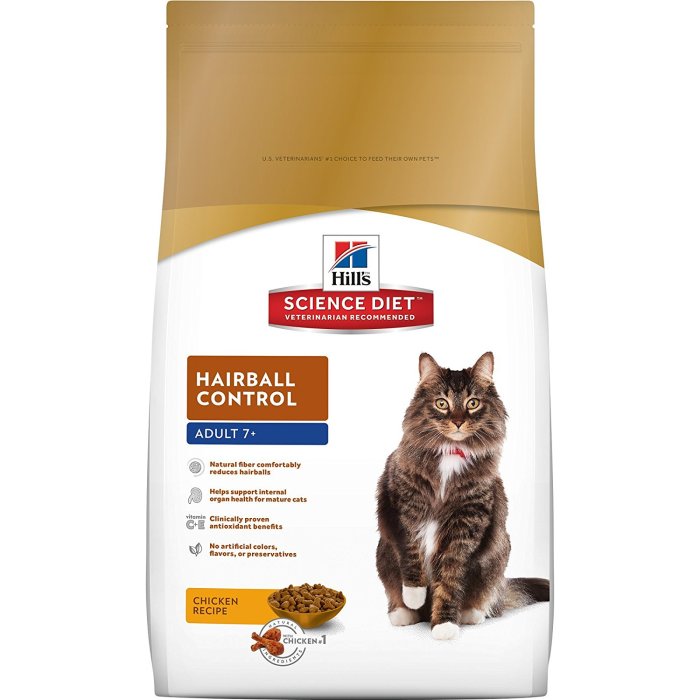
| Hill’s Science Diet Adult Hairball Control | Beet Pulp | 12% | $3.00 – $4.00 |
| Wellness Complete Health Hairball Control | Pea Fiber & Cellulose | 13% | $4.50 – $5.50 |
| Nutro Max Adult Hairball Control | Beet Pulp | 11% | $3.00 – $4.00 |
Wet vs. dry high-fiber cat food options each have their pros and cons. Wet food generally has a higher moisture content, which is beneficial for cats who don’t drink enough water. It can also be more palatable for picky eaters. Dry food is more convenient and often more affordable.
High-fiber dry food can help with dental health by promoting chewing, while wet food can be easier to digest.
Let’s examine the ingredient lists of three different brands: Blue Buffalo Wilderness Hairball Control (Chicken, Chicken Meal, Pea Protein, Brown Rice, Beet Pulp, Pea Fiber…), Purina Pro Plan Veterinary Diets Hairball Management Formula (Chicken, Rice, Corn Gluten Meal, Beet Pulp, Chicken Fat…), and Wellness Complete Health Hairball Control (Dehydrated Chicken, Chicken Meal, Brown Rice, Pea Fiber, Chicken Fat…). Notice how each brand utilizes different fiber sources, and the overall ingredient profile varies significantly.
Some brands offer specific formulations for sensitive stomachs or urinary health. For example, certain high-fiber foods may contain added probiotics to support gut health or controlled mineral levels to promote urinary tract health. Always read the label carefully and consult with a veterinarian to determine the best option for your cat’s individual needs.
Recipes for Homemade High-Fiber Cat Food (with Vet Consultation)
While commercially prepared high-fiber cat food is convenient, some owners prefer to prepare homemade meals. Creating a balanced and nutritious homemade diet requires careful planning and a thorough understanding of feline nutritional needs. It is absolutely essential to consult with a veterinarian or a board-certified veterinary nutritionist before implementing any homemade diet for your cat.
A sample recipe for a high-fiber cat food could include: 1 cup cooked pumpkin (pureed), 4 oz cooked lean protein (chicken, turkey, or fish), 1/4 cup cooked brown rice, and 1/2 teaspoon psyllium husk. This recipe provides a good source of fiber, protein, and carbohydrates. Remember to adjust the quantities based on your cat’s individual needs and activity level.
Cats require a specific balance of protein, fat, carbohydrates, vitamins, and minerals. A homemade high-fiber diet must meet these requirements to ensure optimal health. Protein should be the primary component, followed by fat and a moderate amount of carbohydrates. Supplementation with taurine, a vital amino acid for cats, is often necessary. A veterinary nutritionist can help you formulate a balanced recipe.
Proper food preparation and storage are crucial to prevent bacterial contamination. Cook all ingredients thoroughly and store leftovers in the refrigerator for no more than 24-48 hours. Use clean utensils and containers to avoid cross-contamination. Freezing portions can extend the shelf life.
Here’s a flowchart outlining the steps for creating a balanced homemade high-fiber cat food recipe:
- Ingredient Selection: Choose lean protein, fiber-rich vegetables (pumpkin, sweet potato), and a complex carbohydrate source (brown rice, quinoa).
- Nutritional Analysis: Calculate the nutritional content of your recipe using online tools or with the help of a veterinary nutritionist.
- Supplementation: Add necessary supplements, such as taurine, calcium, and vitamins, to meet feline nutritional requirements.
- Portioning: Determine the appropriate portion size based on your cat’s weight, age, and activity level.
- Cooking Methods: Cook protein thoroughly and steam or bake vegetables to preserve nutrients.
- Mixing & Storage: Combine ingredients, cool completely, and store in airtight containers in the refrigerator or freezer.
- Veterinary Review: Crucially, have your recipe reviewed and approved by a veterinarian or veterinary nutritionist before feeding it to your cat.
Recognizing Signs of Fiber Deficiency or Excess
Monitoring your cat’s stool consistency and frequency is a key indicator of their fiber intake. Recognizing the signs of both fiber deficiency and excess can help you adjust their diet accordingly. Early detection and intervention can prevent more serious health problems.
Symptoms of inadequate fiber intake in cats include constipation, small, hard stools, and straining during defecation. The stool may be dry and crumbly. In severe cases, constipation can lead to discomfort, loss of appetite, and even urinary tract problems.
Signs of excessive fiber intake can include diarrhea, vomiting, decreased appetite, and abdominal discomfort. The stool may be loose and watery. Excessive fiber can also interfere with the absorption of essential nutrients.
To assess fiber intake, regularly monitor your cat’s stool consistency and frequency. Ideally, stools should be firm, well-formed, and passed regularly (typically once or twice a day). Keep a record of any changes in stool habits and report any concerns to a veterinarian.
Adjust fiber intake based on observed symptoms. If your cat is constipated, gradually increase the fiber content of their diet. If they are experiencing diarrhea, reduce the fiber content. Always make changes gradually and consult with a veterinarian if you are unsure.
Specific Health Conditions and High-Fiber Diets
High-fiber diets can play a supportive role in managing several specific health conditions in cats, but always under the guidance of a veterinarian. These diets are not cures but can help alleviate symptoms and improve overall quality of life.
For cats with diabetes, a high-fiber diet can help regulate blood sugar levels by slowing down the absorption of glucose. The fiber adds bulk to the diet, promoting satiety and potentially reducing overall food intake, which can aid in weight management, a common issue in diabetic cats. However, it’s crucial to work closely with a veterinarian to monitor blood glucose levels and adjust insulin dosages as needed.
Fiber can be a valuable tool in managing feline obesity. As mentioned earlier, fiber promotes satiety and reduces overall food intake, supporting weight loss or maintenance. Combining a high-fiber diet with increased activity is the most effective approach.
Cats recovering from certain gastrointestinal surgeries may benefit from a high-fiber diet. Fiber can help promote healthy bowel movements and prevent constipation, which can be a common complication after surgery. However, the specific dietary recommendations will depend on the type of surgery and the veterinarian’s instructions.
High-fiber diets can be used as part of a holistic approach to managing IBD, but again, emphasizing the importance of veterinary consultation. Fiber can help reduce inflammation and improve stool consistency, but it’s essential to address the underlying cause of the IBD and manage any other symptoms with appropriate veterinary care.
Reading and Understanding Cat Food Labels
Navigating cat food labels can be confusing, but understanding how to identify fiber content and interpret ingredient lists is essential for choosing a high-fiber option. Don’t be swayed by marketing claims; focus on the facts presented on the label.
The fiber content is typically listed on the guaranteed analysis section of the cat food label, expressed as a percentage. This percentage represents the minimum amount of fiber in the food. Look for foods with a guaranteed fiber percentage of 8% or higher for a significant boost in fiber intake.
To determine the primary fiber sources, carefully examine the ingredient list. Ingredients are listed in descending order by weight, so the first few ingredients are the most abundant. Look for ingredients like beet pulp, pumpkin, pea fiber, or cellulose. Be aware that some ingredients, like “animal digest,” can be vague and may contain fiber.
It’s important to look beyond the “fiber” percentage and consider the overall nutritional profile. Ensure the food provides a complete and balanced diet, meeting all of your cat’s nutritional needs. Pay attention to the protein, fat, and carbohydrate content, as well as the presence of essential vitamins and minerals.
Here’s a checklist for evaluating cat food labels for high-fiber options:
- Guaranteed Fiber Percentage: 8% or higher
- Primary Fiber Sources: Beet pulp, pumpkin, pea fiber, cellulose
- Protein Content: Adequate for your cat’s age and activity level
- Fat Content: Appropriate for your cat’s needs
- Taurine: Listed as an ingredient or supplement
- AAFCO Statement: Confirms the food meets nutritional standards
Long-Term Management of Fiber Intake
Maintaining a healthy fiber intake for your cat is an ongoing process that requires regular monitoring and adjustments. A proactive approach, in consultation with your veterinarian, can ensure your cat continues to thrive on a high-fiber diet.
Regular veterinary checkups are essential to monitor your cat’s overall health and adjust their diet as needed. Your veterinarian can assess stool consistency, weight, and other health indicators to determine if the current fiber intake is appropriate.
Gradually adjust fiber intake based on seasonal changes or changes in activity level. Cats may need more fiber during the winter months when they are less active. Conversely, active cats may benefit from slightly higher fiber intake during periods of increased activity.
Probiotics and prebiotics can support gut health alongside a high-fiber diet. Probiotics introduce beneficial bacteria to the gut, while prebiotics (like certain fibers) feed those bacteria. Consider adding a probiotic supplement to your cat’s diet, especially if they are experiencing digestive issues.
Establish a schedule for monitoring stool consistency and frequency. Aim to check your cat’s stool at least once a week and report any significant changes or concerns to your veterinarian. Early detection and intervention can prevent more serious health problems and ensure your cat remains happy and healthy on their high-fiber diet.
Closing Notes
From managing hairballs to supporting a healthy weight and even potentially aiding in conditions like IBD (always with veterinary guidance!), cat food high in fibre offers a range of benefits. Remember, transitioning your cat to a higher-fibre diet should be gradual, and always consult with your vet before making significant changes, especially if your cat has any underlying health conditions.
By understanding your cat’s individual needs and carefully selecting high-quality, fibre-rich food, you can contribute to a happier, healthier, and more comfortable life for your furry friend.
Ultimately, a balanced diet, regular vet checkups, and a keen eye on your cat’s stool consistency are the cornerstones of optimal feline health. So, explore the options, read those labels, and work with your veterinarian to find the perfect high-fibre solution for your cat!
FAQ Corner
Why is fibre important for cats if they’re obligate carnivores?
While cats primarily need meat, fibre aids digestion, promotes healthy stool formation, and supports a balanced gut microbiome. It helps move things along and can contribute to overall well-being.
Can too much fibre be harmful to my cat?
Yes! Too much fibre can lead to digestive upset like gas, bloating, diarrhea, and even decreased appetite. Gradual introduction is key.
What’s the difference between soluble and insoluble fibre?
Soluble fibre absorbs water, forming a gel-like substance that helps regulate digestion. Insoluble fibre adds bulk to the stool, promoting regularity. Both are beneficial, but different sources offer different advantages.
My cat has kidney disease. Can they still eat high-fibre food?
It’s crucial to consult with your veterinarian. High-fibre diets may not be appropriate for cats with certain kidney conditions, as they can impact phosphorus levels. Always seek professional advice.
How do I know if my cat is getting enough fibre?
Signs of fibre deficiency include constipation, small, hard stools, and infrequent bowel movements. Monitor your cat’s stool consistency and frequency.
Can I give my cat pumpkin as a source of fibre?
Yes, plain, cooked pumpkin (not pumpkin pie filling!) is a good source of fibre. However, moderation is key, and it’s best to discuss it with your vet.
Are wet or dry high-fibre cat foods better?
Both can be beneficial. Wet food generally has a higher moisture content, which can aid digestion. Dry food can be more convenient and may have a higher fibre concentration per serving. Consider your cat’s preferences and needs.

