Let’s face it, trimming your cat’s nails isn’t always a purr-fect experience. But it’s a vital part of responsible cat ownership, preventing furniture destruction and potential injuries to you and your feline friend. This guide dives deep into everything you need to know about cat nail trimmers – from the different types available and how to choose the right one, to mastering the trimming technique and handling even the most anxious kitties.
We’ll cover safety, maintenance, and even explore alternative nail care options, so you can confidently keep your cat’s claws in tip-top shape.

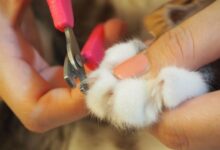
We’ll explore the nuances of guillotine, scissor, and rotary trimmers, weighing their pros and cons to help you find the best fit for your cat’s personality and your comfort level. Beyond the tools themselves, we’ll focus on the crucial aspect of safety – how to identify the quick, avoid accidental nicks, and what to do if an incident occurs.
Plus, we’ll share practical tips for desensitizing your cat to the process and making nail trimming a less stressful experience for everyone involved.
Understanding and Mastering Cat Nail Trimming: A Comprehensive Guide
Trimming your cat’s nails is a vital part of responsible pet ownership, contributing to their comfort, safety, and your furniture’s well-being. It can seem daunting, especially if your cat isn’t a fan, but with the right knowledge and approach, it can become a manageable and even bonding experience. This guide will walk you through everything you need to know, from choosing the right tools to handling difficult cats, ensuring a positive experience for both of you.Nail trimming isn’t just about aesthetics; it prevents overgrown nails from curling into paw pads, causing pain and potential infection.
It also minimizes damage to your home and reduces the risk of scratches. Let’s dive into the details.
Types of Cat Nail Trimmers
Choosing the right nail trimmer is the first step towards a successful trimming session. Different types cater to varying cat temperaments and nail thicknesses. Let’s explore the most common options: guillotine trimmers, scissor trimmers, and rotary trimmers. Electric trimmers also deserve special attention. Finally, the material used in construction significantly impacts the trimmer’s performance and longevity.
- Guillotine Trimmers: These trimmers feature a hole where you insert the nail, and a blade drops down to clip it. They’re generally considered easy to use, but some cats are sensitive to the snapping sound. The effectiveness depends on the sharpness of the blade and the precision of the hole.
- Scissor Trimmers: Resembling small pruning shears, scissor trimmers offer more control and visibility. They’re a good choice for cats who are anxious or have thicker nails, as you can see exactly where you’re cutting.
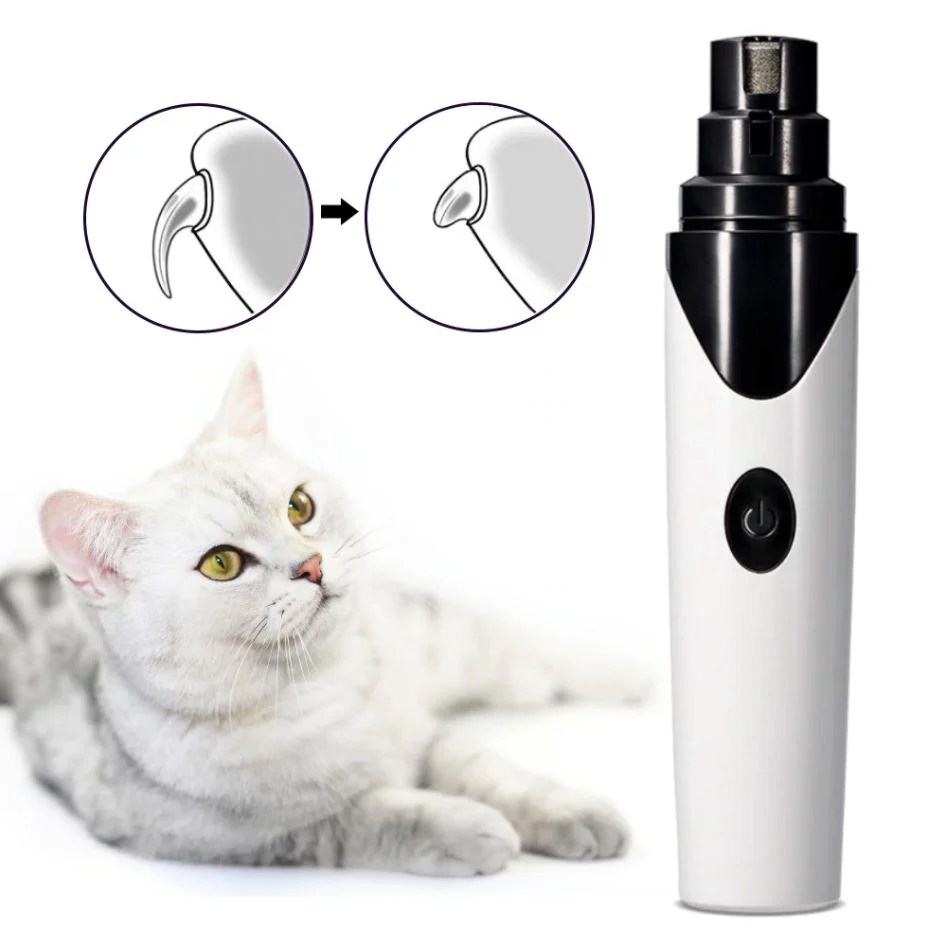
- Rotary Trimmers (Grinders): These trimmers use a rotating abrasive head to gently file down the nail. They’re quieter than guillotine or scissor trimmers and create a smoother edge, reducing the risk of snagging. However, some cats dislike the vibration and noise, even though it’s generally quieter.
- Electric Trimmers: Electric trimmers, often rotary, offer convenience and speed. However, the noise can be a significant deterrent for many cats. Over-grinding is also a risk if you’re not careful.
| Trimmer Type | Ease of Use | Safety | Cost | Suitability for Thick Nails | Pros & Cons |
|---|---|---|---|---|---|
| Guillotine | Easy | Moderate (blade sharpness crucial) | Low-Moderate | Moderate | Pros: Quick, easy to use. Cons: Can be noisy, less control. |
| Scissor | Moderate | High (good visibility) | Moderate | High | Pros: Good control, suitable for thick nails. Cons: Requires more precision. |
| Rotary | Moderate | High (smoother edge) | Moderate-High | Moderate | Pros: Quiet, smooth edge. Cons: Vibration can be unsettling, potential for over-grinding. |
The materials used in trimmers also matter. Stainless steel blades offer durability and sharpness. Plastic handles provide a comfortable grip. Ceramic blades are exceptionally sharp and stay sharp longer, but they can be more brittle.
Safety Considerations When Trimming Cat Nails
The most crucial aspect of nail trimming is safety – both for your cat and yourself. Identifying the quick, the pink part of the nail containing blood vessels and nerves, is paramount. Cutting into the quick is painful and can lead to bleeding and infection.
- Identifying the Quick: In cats with light-colored nails, the quick is easily visible as a pink triangle. In cats with dark nails, it’s more challenging. Look for a small, darker circle in the center of the nail. As you trim, you’ll notice the nail becoming more translucent; stop trimming when you see this change.
- Step-by-Step Procedure: Start by gently handling your cat’s paws regularly to desensitize them. Extend the paw and gently press on the pad to reveal the nails. Hold the paw firmly but gently. Trim only the very tip of the nail, avoiding the quick.
- Managing Bleeding: If you accidentally cut the quick, apply styptic powder immediately. Apply pressure to the nail for several minutes until the bleeding stops. If bleeding persists, contact your veterinarian.
- Warning Signs of Stress: Watch for signs of stress, such as dilated pupils, flattened ears, hissing, swatting, or attempts to escape. If your cat shows these signs, stop the trimming session and try again later.
Choosing the Right Trimmer for Your Cat
Selecting the appropriate trimmer depends on several factors, including your cat’s age, size, nail thickness, and temperament, as well as your own experience level.
- Kittens vs. Adult Cats: Kittens have softer, more flexible nails, so scissor trimmers are often a good choice. Adult cats with thicker nails may benefit from scissor or rotary trimmers.
- Nail Thickness Assessment: Thick nails require sharper blades and more control. Scissor trimmers are generally preferred for thick nails.
- Temperament Considerations: Anxious cats may respond better to quieter rotary trimmers or scissor trimmers used with extra care and patience.
Here’s a flowchart to guide your selection:
- Is your cat anxious or easily stressed? Yes -> Consider a rotary or scissor trimmer. No -> Proceed to step 2.
- Are your cat’s nails thick? Yes -> Choose a scissor or guillotine trimmer with sharp blades. No -> Proceed to step 3.
- Are you a beginner? Yes -> Start with a scissor trimmer for better control. No -> Consider any trimmer type based on your preference.
Maintaining and Caring for Cat Nail Trimmers
Proper maintenance ensures your trimmers remain effective and safe. Regular cleaning and sharpening are essential.
- Cleaning and Disinfecting: Clean trimmers after each use with rubbing alcohol to prevent bacterial growth.
- Sharpening/Replacing Blades: Dull blades can crush the nail instead of cutting it cleanly, causing discomfort. Sharpen scissor blades regularly or replace them when they become dull. Replace guillotine blades as needed. Rotary trimmer heads should be inspected for wear and replaced if necessary.
- Proper Storage: Store trimmers in a safe place, out of reach of children and pets, to prevent accidental injury.
| Trimmer Type | Cleaning Frequency | Blade Replacement/Sharpening |
|---|---|---|
| Guillotine | After each use | Replace when dull (typically every 6-12 months) |
| Scissor | After each use | Sharpen every 3-6 months, replace when sharpening no longer effective |
| Rotary | After each use | Inspect regularly, replace head when worn (typically every 6-12 months) |
Alternative Nail Care Methods
Source: shopify.com
While trimming is often necessary, other methods can contribute to nail health and reduce the frequency of trimming.
- Scratching Posts: Provide multiple scratching posts of different materials and textures to encourage natural nail wear.
- Nail Caps (Soft Paws): These adhesive caps cover the nails, preventing scratching. They require regular replacement and application.
- Professional Grooming: A professional groomer can safely and efficiently trim your cat’s nails, especially if you’re uncomfortable doing it yourself.
- Paw Massage: Gently massaging your cat’s paws can help them become accustomed to handling and make nail trimming less stressful.
Dealing with Difficult Cats During Nail Trimming
Some cats are naturally resistant to nail trimming. Patience and positive reinforcement are key.
- Desensitization: Gradually introduce your cat to the sight and sound of the trimmers. Start by simply showing them the trimmers and rewarding them with treats.
- Positive Reinforcement: Reward calm behavior with treats, praise, and petting.
- Safe Restraint: If necessary, gently restrain your cat using a towel or by having a helper assist you. Avoid force.
Managing anxious cats during nail trimming requires patience and a gradual introduction. Start with short sessions, focus on positive reinforcement, and never force your cat. A little bit of progress each time is better than a stressful confrontation.
Understanding Cat Nail Anatomy
Understanding the anatomy of a cat’s claw is crucial for safe and effective trimming.
- Claw Structure: A cat’s claw is a keratinized structure attached to a bone. The quick contains blood vessels and nerves.
- Nail Growth Patterns: Cat nails grow continuously, unlike human nails, which have a fixed length.
- Function of Claws: Cat claws are used for climbing, hunting, defense, and marking territory.
Illustration of a Cat’s Paw: Imagine a cat’s paw. The claw extends from the toe. The pink area within the claw is the quick. The surrounding tissue is the nail bed, which is sensitive and richly supplied with nerves. The paw pad provides cushioning and grip.
Troubleshooting Common Issues
Even with the best precautions, problems can arise during nail trimming.
- Broken Nail: If a nail breaks, stop the trimming process and apply styptic powder to prevent bleeding.
- Cutting the Quick: Apply styptic powder and pressure to stop bleeding. Contact your veterinarian if bleeding persists.
- Aggressive Behavior: Stop the trimming session and try again later. Consult with a veterinarian or behaviorist if the behavior is persistent.
| Problem | Cause | Solution |
|---|---|---|
| Broken Nail | Excessive force, dull blade | Apply styptic powder, monitor for infection |
| Cutting the Quick | Difficulty identifying the quick, trimming too much | Apply styptic powder, pressure, contact vet if needed |
| Aggressive Behavior | Stress, anxiety, pain | Stop trimming, try again later, consult vet/behaviorist |
Conclusion
Ultimately, mastering cat nail trimming is about understanding your cat’s individual needs and building trust. By choosing the right tools, prioritizing safety, and employing patience and positive reinforcement, you can transform this often-dreaded task into a manageable and even bonding experience. Whether you opt for regular trimming, explore alternative methods like nail caps or scratching posts, or rely on professional grooming services, the goal is to ensure your cat’s well-being and protect your home from their sharp claws.
So, take a deep breath, gather your supplies, and let’s get started on the path to happier paws and a happier home!
User Queries
How often should I trim my cat’s nails?
Generally, every 2-3 weeks is a good guideline, but it depends on your cat’s activity level and how quickly their nails grow. Check their nails regularly to see if they’re getting too long.
What does the quick look like?
The quick is the pink part of the nail containing blood vessels and nerves. It’s visible in lighter-colored nails. In darker nails, it’s harder to see, so trim very small amounts at a time.
What if I accidentally cut the quick?
Apply styptic powder immediately to stop the bleeding. Apply pressure for a few minutes. If bleeding persists, contact your veterinarian.
Can I use human nail clippers on my cat?
No, human clippers are often too large and can crush the nail, causing pain and splintering. Cat nail trimmers are designed specifically for their nails.
My cat hates being handled. How can I make trimming easier?
Start by gently handling your cat’s paws regularly, rewarding them with treats. Gradually introduce the clippers, letting them sniff and get used to the sound. Keep sessions short and positive.
Are electric cat nail trimmers safe?
They can be, but it’s crucial to use them carefully. They can generate heat and over-grind the nail if not used properly. Start with low speeds and trim small amounts at a time.
What’s the best way to clean my cat nail trimmers?
Wipe the blades with rubbing alcohol after each use to disinfect them. For scissor trimmers, you can also use a cotton swab dipped in alcohol to clean hard-to-reach areas.

