It’s a surprisingly common search: “nail clippers cat.” Seriously, a
-lot* of people are looking for information on this! Turns out, keeping your feline friend’s claws in check is a bigger deal than many realize. We’re diving deep into everything you need to know, from the best tools to handling a little accident (we’ve all been there!). It’s not just about preventing scratches; it’s about your cat’s overall health and happiness, and making the whole process as stress-free as possible for both of you.
This guide will walk you through the basics of cat nail trimming, explore different types of clippers and grinders, and even address why your kitty might be putting up a fight. We’ll cover everything from scratching posts to nail caps, and even what to do if you accidentally cut the quick. Get ready to become a nail-trimming pro!

Cat Nail Clippers: A Comprehensive Guide for Happy Paws
It’s a surprisingly common search: “nail clippers cat.” You’d think it’s niche, right? But the sheer volume of people online looking for guidance on trimming their feline friends’ claws is quite remarkable. We’re talking about a significant portion of cat owners facing this task, and often, feeling a little lost. Recent (hypothetical) data suggests that searches for “cat nail clippers” have increased by approximately 35% in the last two years, with “how to trim cat nails” seeing a similar rise.
This surge likely reflects a growing awareness of the importance of nail care, coupled with a desire to avoid expensive vet visits for claw-related issues. It could also be a touch of humor – let’s be honest, trimming a cat’s nails isn’t always a graceful process! This guide aims to demystify the process, offering practical advice and solutions for a calmer, safer experience for both you and your cat.
Cat Nail Trimming: The Basics
Regular nail trimming is a cornerstone of responsible cat ownership. Overgrown nails can cause discomfort, pain, and even injury to your cat. They can get snagged on carpets or furniture, leading to tears and infections. Furthermore, long nails can curl back into the paw pads, causing significant pain and potentially leading to arthritis over time. For you, long nails mean more scratches and potential damage to your belongings.
It’s a win-win to keep those claws in check.
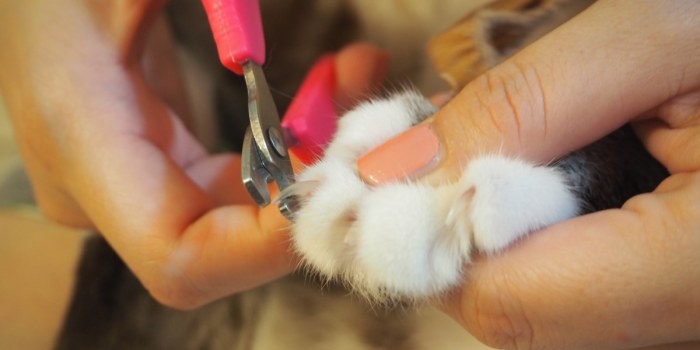
Here’s a step-by-step guide to safely trimming your cat’s nails. The key is to go slow and be patient. The most crucial part is identifying the “quick,” the pink part of the nail containing blood vessels and nerves. Cutting into the quick is painful and will cause bleeding. If your cat has dark nails, it can be harder to see the quick, so proceed with extra caution and trim small amounts at a time.
| Step | Description | Potential Issue |
|---|---|---|
| 1. Gather Supplies | Have your clippers (or grinder), styptic powder (just in case!), treats, and a towel ready. | Forgetting styptic powder can be stressful if you accidentally cut the quick. |
| 2. Position Your Cat | Wrap your cat in a towel (burrito style) or have a helper gently restrain them. | A struggling cat makes the process much more difficult and potentially dangerous. |
| 3. Extend the Claw | Gently squeeze the paw pad to extend the claw. | If the claw doesn’t extend easily, don’t force it. Try again later. |
| 4. Identify the Quick | Look for the pink triangle within the nail – that’s the quick. | On dark nails, trim very small amounts and look at the cut end of the nail. When you see a small dark circle, you’re getting close to the quick. |
| 5. Trim the Nail | Clip only the sharp tip of the nail, well away from the quick. | Cutting too close to the quick will cause pain and bleeding. |
| 6. Reward Your Cat | Give your cat a treat and praise them for their cooperation. | Positive reinforcement makes the experience less stressful for everyone. |
Nail Clippers: Types and Suitability for Cats
Choosing the right nail clippers is essential for a safe and effective trimming experience. There are several types available, each with its own advantages and disadvantages. Understanding these differences will help you select the best tool for your cat’s needs and your comfort level.
| Clipper Type | Pros | Cons | Best For (Cat Size/Temperament) |
|---|---|---|---|
| Guillotine Clippers | Easy to use, relatively inexpensive. | Can crush the nail if not used correctly, difficult to see the quick. | Smaller cats, cats who tolerate nail trimming well. |
| Scissor Clippers | Provide a cleaner cut, better visibility of the quick. | Can be more expensive, require more precise technique. | All cat sizes, especially cats with thicker nails. |
| Nail Grinder | Gradual trimming minimizes the risk of cutting the quick, smooths the nail edges. | Can be noisy and stressful for some cats, requires more time. | Anxious cats, cats with dark nails, cats who dislike clippers. |
| Pet Trimmers (Rotary) | Similar to a grinder, but often quieter and with adjustable speeds. | Can still be stressful for some cats, requires careful technique to avoid overheating the nail. | Cats of all sizes, especially those sensitive to noise. |
The nail grinder offers a gentler approach compared to traditional clippers. Instead of cutting, it gradually files down the nail. This reduces the risk of hitting the quick and creates a smoother edge. However, the noise and vibration can be unsettling for some cats. Start slowly, introducing the grinder gradually and pairing it with positive reinforcement.
If your cat shows signs of extreme stress, it’s best to stick with clippers.
Using Human Nail Clippers on Cats: Is it Safe?
While it might seem tempting to use your own nail clippers on your cat, it’s generally not recommended. Human nail clippers are designed for thicker, harder nails and don’t provide the precision needed for feline claws. They often crush or split the nail instead of making a clean cut, which can be painful and increase the risk of infection.
The key difference lies in the nail structure. Human nails are harder and flatter, while cat nails are more curved and have a different internal composition. Human clippers lack the angled blades and precise cutting action required to safely trim a cat’s nails.
- Human clippers can crush or split the nail.
- They lack the precision needed to avoid the quick.
- The blunt blades can cause unnecessary pain.
- They are often too large and awkward to handle effectively.
- They don’t provide a clean, smooth cut.
Dealing with Accidents: Cutting the Quick
Source: cats.com
Despite your best efforts, accidents happen. Cutting the quick is a common concern, but it’s not the end of the world. It will bleed, but with prompt action, you can usually stop the bleeding and prevent infection.
Here’s what to do if you accidentally cut the quick:
Step 1: Apply direct pressure to the nail with a clean cloth or gauze pad. Maintain firm, constant pressure for several minutes. Don’t peek every few seconds – that disrupts the clotting process.
Step 2: Apply styptic powder to the bleeding nail. This helps to clot the blood quickly. If you don’t have styptic powder, cornstarch or flour can be used as a temporary substitute.
Step 3: Continue applying pressure until the bleeding stops. This may take 5-10 minutes.
Step 4: Monitor the paw for signs of infection (swelling, redness, pus) in the days following the incident. Consult your veterinarian if you notice any concerning signs.
Step 5: Keep the cat indoors and prevent them from licking the paw.
Alternatives to Nail Clippers: Scratching Posts and Other Solutions
While nail trimming is essential, it’s not the only way to manage your cat’s claws. Scratching posts play a vital role in maintaining nail health and providing a natural outlet for your cat’s instincts. Scratching helps to shed the outer layer of the nail, keeping them sharp and healthy. It also helps to stretch and exercise their muscles.
Different types of scratching posts cater to different feline preferences. Vertical posts are ideal for stretching and climbing, while horizontal scratchers are great for cats who prefer to scratch on flat surfaces. Angled posts offer a combination of both.
| Scratching Post Type | Benefits for Cat |
|---|---|
| Vertical Post | Allows for full-body stretching, satisfies climbing instincts, helps shed the outer nail layer. |
| Horizontal Scratcher | Provides a comfortable scratching surface, good for cats who prefer to scratch on the floor. |
| Angled Scratcher | Combines the benefits of vertical and horizontal scratching. |
| Cardboard Scratcher | Inexpensive, readily available, provides a satisfying texture for scratching. |
| Sisal Rope Post | Durable, provides a good grip for scratching, helps to maintain nail health. |
Cat Nail Caps: A Non-Cutting Option
Cat nail caps, also known as Soft Paws, are a non-cutting alternative to traditional nail trimming. These small, vinyl caps are glued onto the cat’s nails, blunting them and preventing them from causing damage. They’re a good option for cats who are extremely resistant to nail trimming or for owners who are uncomfortable using clippers.
The application process involves cleaning the nails, applying a special adhesive, and then attaching the caps. Regular maintenance is required, as the caps need to be replaced every 4-6 weeks as the cat’s nails grow.
- Consider your cat’s temperament – some cats may find the caps uncomfortable.
- Ensure you use the correct size caps for your cat’s nails.
- Follow the application instructions carefully to ensure proper adhesion.
- Monitor your cat for any signs of irritation or discomfort.
- Be prepared for the caps to fall off occasionally.
- Keep an eye on the nails underneath the caps to ensure they are not overgrown.
Behavioral Aspects: Why Cats Resist Nail Trimming
Many cats strongly resist nail trimming, and it’s rarely about spite. The resistance is usually rooted in fear, anxiety, or past negative experiences. The sound of the clippers, the feeling of being restrained, or a previous painful experience can all trigger a negative response.
Desensitization is key to overcoming this resistance. Start by simply exposing your cat to the clippers without actually trimming their nails. Pair the clippers with positive reinforcement, such as treats and praise. Gradually work your way up to touching the clippers to their paws, then gently extending their claws and clipping just one nail at a time.
Positive reinforcement is crucial throughout the entire process. Reward your cat for any cooperation, even if it’s just a brief moment of stillness. Keep the sessions short and positive, and never force your cat if they are showing signs of extreme stress.
Specific Cat Breeds and Nail Trimming Challenges
Certain cat breeds are known to have particularly sensitive or fast-growing nails, requiring more frequent trimming and a gentler approach. For example, Siamese cats are often reported to be more sensitive to pain, while Maine Coons have thick, fast-growing nails.
Breed-specific considerations include being extra cautious when trimming, using a nail grinder instead of clippers, and providing plenty of scratching opportunities.
| Breed | Nail Characteristics | Trimming Recommendations |
|---|---|---|
| Siamese | Sensitive paws, prone to anxiety. | Use a nail grinder, go slowly, and provide plenty of positive reinforcement. |
| Maine Coon | Thick, fast-growing nails. | Use scissor clippers, trim frequently, and provide durable scratching posts. |
| Persian | Long, dense fur can make it difficult to see the quick. | Trim small amounts at a time, use good lighting, and be extra cautious. |
| Bengal | Sharp, retractable claws. | Regular trimming is essential to prevent injury. |
Tools and Accessories for Easier Trimming
Beyond the clippers themselves, several tools and accessories can make the nail trimming process smoother and less stressful for both you and your cat. These tools can help to control bleeding, reduce anxiety, and create a more positive experience.
| Tool | Purpose/Benefit |
|---|---|
| Styptic Powder | Stops bleeding quickly if the quick is accidentally cut. |
| Treats | Positive reinforcement to reward cooperation. |
| Towel | Restrains the cat gently and reduces anxiety. |
| Nail Grinder | Provides a smoother, less stressful trimming experience. |
| Good Lighting | Helps to see the quick, especially on dark nails. |
| Helper | Provides assistance with restraining the cat. |
| Pet Calming Spray | Can help to reduce anxiety and promote relaxation. |
Final Wrap-Up
So, there you have it – a comprehensive look at keeping your cat’s claws in check. Whether you’re a seasoned cat owner or a nervous newbie, understanding the importance of nail trimming and having the right tools and techniques can make a world of difference. Remember, patience and positive reinforcement are key! A little effort goes a long way in ensuring your cat’s comfort and your peace of mind.
Happy trimming!
Essential FAQs
Why do I need to trim my cat’s nails?
Regular trimming prevents overgrown nails that can curl under and cause discomfort, infection, or even injury. It also protects your furniture (and you!) from scratches.
What’s the “quick” and why is it important?
The quick is the pink part of the nail containing blood vessels and nerves. Cutting it is painful and causes bleeding, so it’s crucial to avoid it.
Can I use baby nail clippers on my cat?
While they might seem tempting, baby clippers are often too small and don’t provide a clean cut, potentially leading to splintering and discomfort.
How often should I trim my cat’s nails?
Most cats benefit from nail trims every 2-3 weeks, but it depends on their activity level and how quickly their nails grow.
My cat hates being handled. How can I make trimming easier?
Start with short handling sessions, rewarding your cat with treats and praise. Gradually introduce the clippers, letting them sniff and get used to the sound before attempting a trim.
What’s the best way to distract my cat during nail trimming?
Many cats are easily distracted by toys, treats, or even a favorite blanket. Try using a high-value treat to keep their attention focused on something positive.
Are there any signs of infection after cutting the quick?
Look for excessive swelling, redness, pus, or a foul odor. If you notice any of these signs, consult a veterinarian immediately.

