Ever noticed your cat suddenly fixating on a wall, obsessively grooming, or exhibiting other behaviors that just seem…off? It’s a common concern for cat owners – those adorable felines can be wonderfully predictable, but also delightfully strange. Understanding why your cat is acting weird can be a journey of observation, detective work, and sometimes, a trip to the vet.
This guide dives deep into the potential reasons behind those unusual actions, from medical issues and environmental stressors to breed-specific quirks and even just a little feline eccentricity.
We’ll explore everything from hyperthyroidism and cognitive dysfunction to the impact of a new home or a simple lack of playtime. You’ll learn to recognize subtle signs of stress, understand your cat’s body language, and discover how to create a more enriching and comfortable environment for your furry friend. Ultimately, the goal is to help you become a better cat advocate and ensure your feline companion is happy, healthy, and behaving in a way that makes sense – even if it’s a little quirky!
Why Is My Cat Acting So Weird? Decoding Feline Behavior
We’ve all been there. You look over at your cat, and something just seems…off. Maybe they’re obsessively grooming, suddenly terrified of shadows, or exhibiting a bizarre fascination with your shoes. It’s enough to make any cat parent worry. While a little quirkiness is part of a cat’s charm, significant changes in behavior can be concerning.
This guide dives deep into the potential reasons behind your cat’s unusual actions, from medical issues to environmental stressors and even breed-specific tendencies. Let’s unravel the mystery of your feline friend’s strange behavior.
Understanding why your cat is behaving differently requires a systematic approach. It’s not always about a single cause; often, it’s a combination of factors. We’ll explore common behaviors, potential medical explanations, environmental influences, psychological triggers, and even breed-specific quirks. The goal is to equip you with the knowledge to identify potential problems and take appropriate action, whether it’s a trip to the vet or simply adjusting your cat’s environment.
Common Unusual Cat Behaviors
Source: mybritishshorthair.com
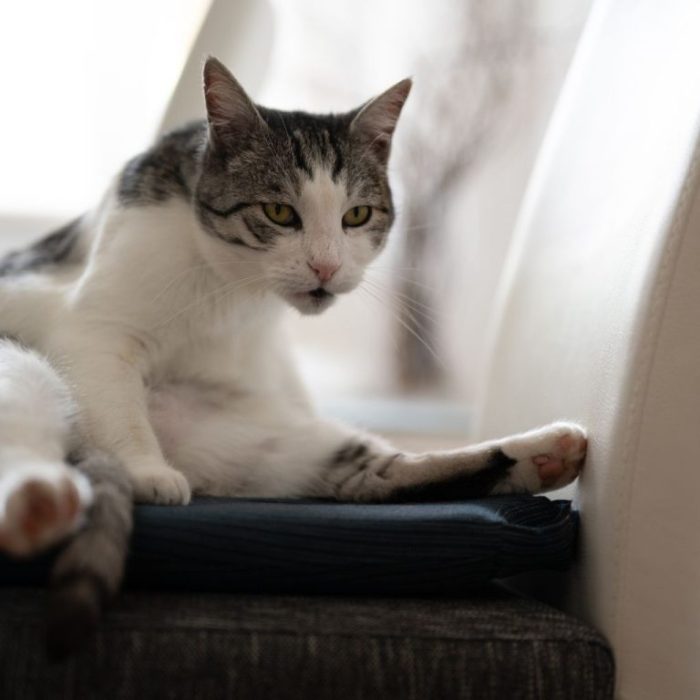
Domestic cats, despite their reputation for independence, can display a surprising range of odd behaviors. These aren’t necessarily signs of a problem, but it’s important to be aware of them and understand potential triggers. Here are five frequently observed behaviors that might raise an eyebrow:
- Obsessive Grooming: This goes beyond the usual self-cleaning. It involves excessive licking, often to the point of causing bald patches or skin irritation. Potential triggers include stress, anxiety, allergies, or skin conditions.
- Nocturnal Zoomies: Sudden bursts of frantic energy, often involving running, jumping, and chasing, typically occurring at night. This can be linked to pent-up energy, boredom, or a natural hunting instinct.
- Staring at Walls: Cats sometimes seem to fixate on seemingly empty spaces. This could be due to seeing or hearing something we can’t, or it could be a sign of anxiety or cognitive dysfunction.
- Bringing “Gifts”: Presenting you with dead (or sometimes alive!) animals is a deeply ingrained hunting behavior. While it might be unsettling, it’s a sign of affection and a demonstration of their provider role.
- Hiding for Extended Periods: While cats are naturally inclined to hide, prolonged periods of seclusion can indicate fear, anxiety, illness, or discomfort.
Different breeds can exhibit these behaviors in unique ways. For example, Siamese cats are known for being vocal and demanding, so increased vocalization might be more noticeable in them than in a quieter breed like a Persian. Bengals, with their high energy levels, are more prone to nocturnal zoomies, while Ragdolls, known for their docile nature, might hide more readily when stressed.
| Behavior | Description | Potential Trigger | Breed Variation |
|---|---|---|---|
| Obsessive Grooming | Excessive licking, potentially causing skin irritation. | Stress, anxiety, allergies. | More noticeable in breeds with longer fur (e.g., Persians). |
| Nocturnal Zoomies | Sudden bursts of energy at night. | Pent-up energy, boredom. | Common in high-energy breeds (e.g., Bengals). |
| Staring at Walls | Fixating on seemingly empty spaces. | Hearing/seeing something unseen, anxiety. | Can be more pronounced in breeds with heightened senses (e.g., Siamese). |
| Bringing “Gifts” | Presenting prey to owner. | Hunting instinct, affection. | More common in breeds with strong hunting drives (e.g., Maine Coons). |
| Hiding for Extended Periods | Prolonged seclusion. | Fear, anxiety, illness. | Ragdolls may hide more readily when stressed. |
Medical Reasons Behind Strange Actions
Sometimes, unusual cat behavior isn’t behavioral at all; it’s a symptom of an underlying medical condition. It’s crucial to rule out medical causes before attributing changes to psychological factors. A thorough veterinary examination is always the first step.
Hyperthyroidism is a common endocrine disorder in older cats, causing an overproduction of thyroid hormones. This leads to increased appetite, weight loss, hyperactivity, restlessness, and sometimes even aggression. The cat might seem constantly “on edge” and have difficulty settling down.
Cognitive Dysfunction Syndrome (CDS), often compared to dementia in humans, affects older cats. Symptoms include disorientation, confusion, changes in sleep patterns, decreased interaction with family members, and increased anxiety. They might stare blankly into space, forget where their litter box is, or become easily agitated.
Beyond hyperthyroidism and CDS, other less common medical issues can manifest as unusual actions. These include:
- Dental Disease: Pain from dental problems can cause irritability, reluctance to eat, and changes in grooming habits.
- Kidney Disease: Can lead to lethargy, decreased appetite, and changes in water intake.
- Neurological Disorders: Can cause seizures, tremors, or unusual gait abnormalities.
Flowchart: Suspected Medical Cause?
- Observe: Note specific behaviors and when they occur.
- Veterinary Visit: Schedule a comprehensive exam, including bloodwork and a physical assessment.
- Diagnosis: Veterinarian identifies potential medical conditions.
- Treatment: Follow veterinarian’s recommendations for medication, dietary changes, or other therapies.
- Monitor: Observe for improvements and report any concerns to the veterinarian.
Environmental Factors Influencing Behavior
Cats are creatures of habit, and changes in their environment can significantly impact their behavior. Even seemingly minor alterations can trigger stress and anxiety. Understanding these triggers is key to minimizing disruption.
Moving to a new home is a major upheaval for a cat. They lose familiar scents, sounds, and territory, leading to anxiety, hiding, and changes in appetite. Introducing a new pet can also be stressful, as cats are territorial animals. Rearranging furniture, even slightly, can disrupt their sense of security and create anxiety.
Minimizing stress related to environmental changes involves providing safe spaces, maintaining a consistent routine, and gradually introducing new elements. For example, when moving, set up a familiar bed and litter box in the new home before letting the cat explore. Introduce new pets slowly, allowing them to interact through scent before direct contact.
- Loud noises (construction, fireworks)
- Changes in household members (new baby, loss of a family member)
- New furniture or décor
- Construction or renovations
- Changes in routine (feeding times, playtime)
- Outdoor cats encountering unfamiliar animals
- Presence of unfamiliar smells (new cleaning products)
- Overcrowding (too many pets in a small space)
- Lack of environmental enrichment (boredom)
- Changes in litter box location or type
Psychological and Emotional Causes
Just like humans, cats experience a range of emotions, including anxiety, fear, and sadness. These emotions can manifest as unusual behaviors. Understanding the psychological roots of these actions is crucial for providing appropriate support.
Anxiety and fear can lead to hiding, aggression, excessive vocalization, and destructive behaviors. Separation anxiety, a specific type of anxiety, occurs when a cat becomes overly distressed when left alone. Symptoms include excessive meowing, destructive scratching near doors and windows, and inappropriate urination.
Past trauma or negative experiences can significantly influence a cat’s current actions. A cat who was abused or neglected might be fearful of humans or exhibit aggressive behaviors. Recognizing these past experiences and providing a safe, supportive environment is essential for helping them heal.
Identifying signs of stress and anxiety in a cat’s body language is crucial. These signs include:
- Dilated pupils
- Flattened ears
- Tucked tail
- Hissing or growling
- Excessive grooming
- Hiding
- Increased vocalization
| Behavior | Possible Psychological Cause | Mitigation Strategy |
|---|---|---|
| Hiding | Fear, anxiety, stress | Provide safe spaces, reduce stressors |
| Excessive Vocalization | Anxiety, boredom, attention-seeking | Enrichment, playtime, address underlying anxiety |
| Aggression | Fear, territoriality, past trauma | Desensitization, counterconditioning, consult a behaviorist |
Breed-Specific Quirks
Certain cat breeds are known for exhibiting unique or unusual behaviors. These quirks are often rooted in their genetics and historical roles. Understanding these breed-specific tendencies can help you better interpret your cat’s actions.
Siamese cats are renowned for their vocal nature and demanding personalities. They often “talk” to their owners and can become agitated if they don’t receive enough attention. Maine Coons are known for their playful and dog-like personalities, often following their owners around and participating in family activities. Abyssinian cats are highly energetic and curious, constantly exploring and getting into mischief. Scottish Folds, with their distinctive folded ears, are often described as quiet and gentle, but can also be prone to anxiety.
Sphynx cats, lacking fur, are known for their affectionate and attention-seeking behavior, often craving physical contact.
| Breed | Typical Quirks | Explanation | Example |
|---|---|---|---|
| Siamese | Excessive vocalization, demanding | Historically bred as communication cats. | Constantly “talking” to their owners, demanding attention. |
| Maine Coon | Playful, dog-like | Bred as working cats, requiring high energy. | Following owners around, playing fetch. |
| Abyssinian | Energetic, curious | Bred as hunters, requiring stimulation. | Constantly exploring, getting into mischief. |
| Scottish Fold | Quiet, gentle | Genetic mutation affecting cartilage. | Prefers quiet environments, enjoys cuddling. |
| Sphynx | Affectionate, attention-seeking | Lack of fur makes them sensitive to temperature. | Craving physical contact, seeking warmth. |
Sensory Issues and Their Impact
Changes in a cat’s senses – sight, hearing, and smell – can significantly impact their behavior. As cats age, they often experience sensory decline, which can lead to confusion, anxiety, and unusual actions.
Age-related vision loss can affect a cat’s navigation and interaction with its environment. They might bump into furniture, become hesitant to jump, or startle easily. Hearing loss can cause a cat to startle easily or become overly sensitive to vibrations. A cat’s sense of smell plays a crucial role in their world; changes in smell perception can influence their reactions to certain objects or situations.
“Imagine a sudden, loud noise. For a cat with hearing loss, it wouldn’t be a clear sound, but a jarring vibration felt through the floor. This could trigger a startle response, fear, and a desperate search for a safe hiding place.”
Play and Hunting Instincts Gone Awry
A cat’s natural play and hunting instincts are essential for their well-being. However, these instincts can sometimes manifest in unusual ways if not properly channeled.
Cats might obsessively stalk or “hunt” inanimate objects, such as dust bunnies or shadows. A lack of appropriate outlets for these instincts can contribute to behavioral problems like excessive vocalization, destructive scratching, and aggression. Enriching a cat’s environment to satisfy their hunting and play drives is crucial. This can involve providing interactive toys, puzzle feeders, and opportunities for climbing and exploring.
- Feather wands
- Laser pointers
- Puzzle feeders
- Catnip mice
- Interactive ball toys
Communication Breakdown: Misinterpreted Signals
Owners often misinterpret a cat’s unusual actions as signs of illness or distress. Understanding feline body language and vocalizations is essential for accurate interpretation.
Subtle changes in a cat’s posture or tail position can indicate different emotions. For example, a slow blink is a sign of trust and affection, while a twitching tail can indicate irritation. Misinterpretations can lead to unnecessary worry or inappropriate responses. For instance, a cat kneading (making biscuits) is often mistaken for discomfort, but it’s actually a sign of contentment and relaxation.
| Misinterpreted Behavior | Correct Interpretation |
|---|---|
| Kneading | Contentment, relaxation |
| Slow Blink | Trust, affection |
| Tail Twitching | Irritation, agitation |
Dietary Influences on Behavior
A cat’s diet can significantly impact their mood and behavior. Specific nutrients play a crucial role in feline brain function and emotional regulation.
Food sensitivities or allergies can manifest as behavioral changes, such as increased irritability, excessive grooming, or digestive issues. Providing a balanced and appropriate diet is essential for optimal feline health and behavior. Look for high-quality cat food with real meat as the primary ingredient and avoid artificial additives and fillers.
- Artificial colors and flavors
- Excessive fillers (corn, wheat, soy)
- BHA/BHT (preservatives)
- High levels of mercury in fish
- Excessive sugar
The Role of Routine and Consistency
Establishing a consistent routine can help reduce anxiety and unusual actions in cats. Predictable feeding times, playtime, and sleep schedules provide a sense of security and stability.
Sudden changes in routine can disrupt a cat’s sense of security and trigger stress. Maintaining a consistent routine even when faced with unexpected events is crucial. If changes are unavoidable, introduce them gradually and provide extra reassurance and attention.
Sample Daily Schedule:
- 7:00 AM: Feeding
- 7:30 AM: Playtime
- 8:00 AM: Rest
- 12:00 PM: Feeding
- 12:30 PM: Quiet time/exploration
- 5:00 PM: Playtime
- 6:00 PM: Feeding
- 7:00 PM onwards: Relaxing, cuddling, and sleep
Last Word
From deciphering unusual behaviors to addressing potential medical or environmental triggers, understanding your cat’s actions is key to their well-being. Whether it’s a breed-specific trait, a sign of anxiety, or a simple need for more playtime, recognizing the root cause allows you to provide the support and care they need. By paying close attention to their body language, routines, and overall environment, you can build a stronger bond with your cat and navigate those “why are they doing that?” moments with confidence and compassion.
Here’s to happy, healthy, and wonderfully weird cats!
FAQ Explained
Why is my cat suddenly biting me when I pet them?
This could be due to overstimulation, pain (arthritis or an injury), or a change in their mood. Try shorter petting sessions and observe their body language for signs of discomfort.
My cat is constantly meowing at night. What’s going on?
It could be boredom, hunger, anxiety, or a medical issue like hyperthyroidism. Ensure they have plenty of enrichment during the day and consider a vet visit to rule out any underlying health problems.
Why does my cat bring me “gifts” like dead mice or insects?
It’s a natural hunting instinct! They’re showing you they’re a good provider, even if the “gift” isn’t exactly what you wanted. Try redirecting this instinct with interactive toys.
My cat is hiding more than usual. Should I be worried?
Hiding can be a sign of stress, fear, or illness. Observe for other symptoms like loss of appetite or lethargy. If the behavior persists, consult a vet.
Why is my cat kneading on me or blankets?
This behavior, also known as “making biscuits,” is often linked to kittenhood when they kneaded their mother’s belly to stimulate milk flow. It’s usually a sign of contentment and comfort.
My cat is obsessively licking their fur. Is this normal?
While grooming is normal, excessive licking can indicate stress, anxiety, allergies, or pain. Check for skin irritation and consult a vet if it’s persistent.
Why does my cat stare at walls or seemingly nothing?
Cats have incredible hearing and can detect subtle sounds we can’t. They might be listening for mice or other small creatures. It could also be a sign of cognitive dysfunction in older cats.
My cat is suddenly aggressive towards other pets. What should I do?
This could be due to territoriality, stress, or a change in the household dynamic. Gradually reintroduce them, provide separate resources (food, water, litter boxes), and consider consulting a behaviorist.
Why is my cat sleeping in unusual places?
Cats seek out warm, safe, and comfortable spots. Unusual sleeping locations might indicate a need for more secure hiding places or a change in their environment.
How can I tell if my cat is feeling anxious?
Signs of anxiety include hiding, excessive grooming, changes in appetite, dilated pupils, and a tucked tail. Providing a safe space and reducing stressors can help.

