Have you ever noticed your cat sticking their tongue out just a little bit, creating that irresistibly cute “blep”? It’s a surprisingly common sight in the feline world, and it’s captured the hearts (and internet) of countless cat lovers. This little tongue protrusion, affectionately dubbed a “blep,” is more than just a quirky habit; it’s a fascinating glimpse into a cat’s physiology, behavior, and even their health.
We’ll dive deep into the world of cats blep, exploring everything from the science behind it to its cultural significance online.
From the anatomical reasons behind a blep to the breeds most prone to exhibiting this adorable trait, we’ll uncover the mysteries of this charming feline quirk. We’ll also look at how to capture the perfect blep photo, the potential health implications, and why these little tongue peeks have become such a beloved part of online cat culture. Get ready to learn everything you ever wanted to know about cats blep!
The Curious Case of the Cat Blep
Let’s be honest, there’s something utterly captivating about a cat sticking its tongue out just a little bit. It’s a quirk, a moment of vulnerability, and a source of endless amusement for cat lovers worldwide. This phenomenon, affectionately dubbed the “blep,” has taken the internet by storm, and for good reason. It’s adorable. But what
-is* a blep, why do cats do it, and what does it all mean?
This post dives deep into the world of the blep, exploring everything from the science behind it to its cultural significance.
Defining the “Blep” Phenomenon in Cats
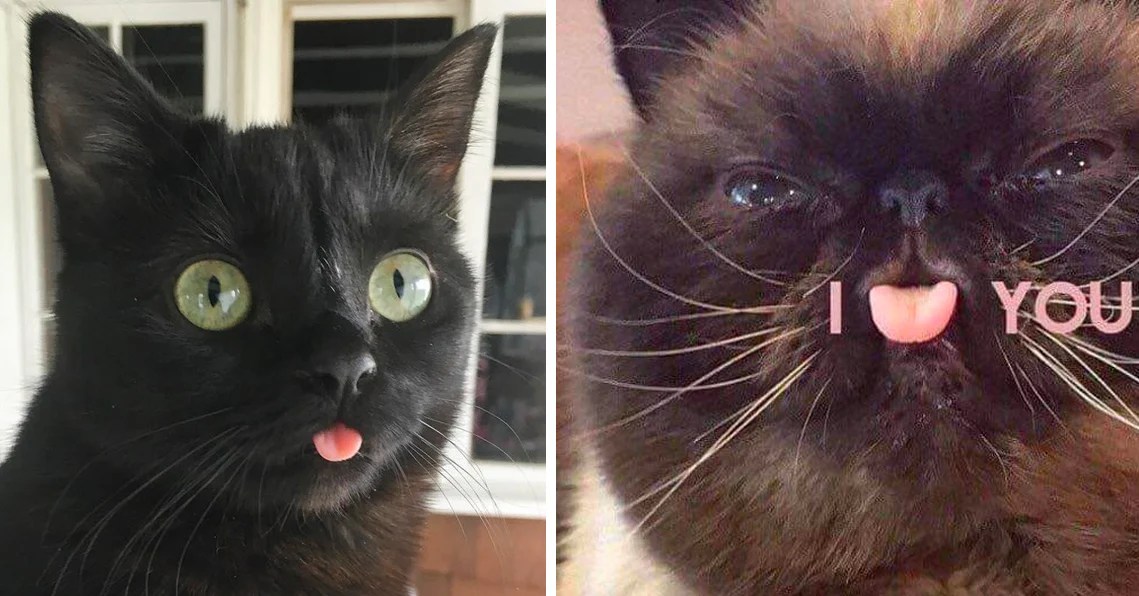
A cat blep is, at its simplest, the protrusion of a cat’s tongue beyond its lips. It’s not a full-on, dramatic tongue lolling; rather, it’s a subtle, often unintentional, display. The tongue might extend just a millimeter or two, or it could be a more noticeable sliver. Variations exist in size, ranging from a barely-there peek to a more substantial showing.
Facial expressions accompanying a blep are equally varied. Some cats blep with a relaxed, sleepy expression, while others might have a slightly confused or even goofy look on their face. The key is the gentle, almost accidental, nature of the tongue’s appearance.
Physiologically, a blep can stem from several causes. Relaxation is a big one – when a cat is deeply relaxed, the muscles in its mouth might loosen, allowing the tongue to protrude slightly. Sleep is another common trigger; a cat might blep while dozing, as its jaw relaxes. However, dental issues can also contribute. Misaligned teeth, missing teeth, or even discomfort from a dental infection can alter a cat’s mouth shape and make a blep more likely.
The term “blep” itself is relatively recent, gaining traction in online communities around the mid-2010s. It originated on platforms like Reddit and Tumblr, quickly spreading as people shared photos and videos of their blepping cats. The term’s playful and slightly nonsensical nature perfectly captured the charm of the phenomenon.
Breeds Predisposed to Blepping
While any cat
-can* blep, certain breeds seem to exhibit the behavior more frequently than others. This suggests a possible genetic component, although further research is needed to confirm this. British Shorthairs are notorious bleppers, often displaying a relaxed, slightly grumpy blep. Persians, with their flat faces and relaxed demeanor, are also frequent bleppers. Scottish Folds, due to their unique folded ears and often relaxed facial expressions, are also commonly seen with a blep.
Exotic Shorthairs, essentially a short-haired Persian, share the same predisposition. Finally, Ragdolls, known for their docile and floppy nature, often blep while relaxing.
The blepping tendencies of these breeds likely stem from a combination of factors. The flat faces of Persians and Exotic Shorthairs can make it easier for the tongue to protrude. The relaxed temperaments of Ragdolls and British Shorthairs contribute to the muscle relaxation needed for a blep. Genetic factors influencing jaw structure and muscle tone likely play a role as well.
Here’s a table summarizing these observations:
| Breed | Blep Frequency (1-5) | Common Physical Traits |
|---|---|---|
| British Shorthair | 4 | Dense, plush coat; round face; copper eyes |
| Persian | 5 | Long, flowing coat; flat face; large, round eyes |
| Scottish Fold | 3 | Folded ears; round face; expressive eyes |
| Exotic Shorthair | 4 | Short, plush coat; flat face; large, round eyes |
| Ragdoll | 3 | Semi-long, silky coat; blue eyes; docile temperament |
The Science Behind a Cat’s Tongue
A cat’s tongue isn’t just a pink, fleshy appendage; it’s a remarkably complex and functional organ. The surface of a cat’s tongue is covered in tiny, backward-facing barbs called papillae. These papillae are made of keratin, the same material that forms our fingernails. Their primary function is grooming – cats use their tongues to meticulously clean their fur, removing dirt, debris, and loose hair.
These barbs act like a natural comb, effectively trapping and pulling away unwanted particles.
The movement and resting position of a cat’s tongue contribute significantly to blepping. When a cat is relaxed, the muscles controlling the tongue – primarily the genioglossus and hyoglossus – are less tense. This allows the tongue to naturally settle in a slightly protruded position. The genioglossus muscle, in particular, helps to protrude the tongue, while the hyoglossus helps to retract it.
The flexibility of the tongue is remarkable; it can extend, retract, and curl with surprising agility. Imagine a smooth, slightly rough texture, like velvet with tiny, resilient hooks. It’s strong yet pliable, capable of both delicate grooming and forceful lapping up of water.
Blepping and Cat Health
While a blep is usually harmless and endearing, frequent or unusual blepping
-can* sometimes indicate underlying health concerns. If your cat suddenly starts blepping more than usual, or if the blep appears accompanied by other symptoms like excessive drooling, difficulty eating, or bad breath, it’s worth a visit to the vet. Dental problems are a common culprit. Periodontal disease, tooth decay, and abscesses can cause pain and discomfort, leading a cat to alter its mouth position and potentially blep.
A misaligned bite can also contribute. Beyond dental issues, neurological problems or even certain medications can occasionally affect muscle control and lead to blepping.
- Physiological: Relaxation, sleep, jaw structure.
- Behavioral: Boredom, seeking attention.
- Health-Related: Dental disease, neurological issues, medication side effects.
Capturing the Perfect “Blep” Photo/Video
Photographing or recording a cat blep requires patience and a keen eye. Soft, natural lighting is ideal – avoid harsh direct sunlight, which can create unflattering shadows. Experiment with different angles; a slightly low angle can emphasize the blep and capture the cat’s expression. The key is to be ready to capture the moment – bleps are fleeting! Ethical considerations are paramount.
Never force your cat into a blepping position or stress them out to get a photo. Respect their comfort and boundaries. If your cat seems agitated or uncomfortable, stop immediately.
“The best blep photos aren’t staged; they’re captured. Find a quiet spot where your cat feels safe and relaxed, and simply observe. Be patient, be ready, and let the blep happen naturally. It’s all about capturing a genuine moment of feline quirkiness.” – Anya Sharma, Pet Photographer
The Cultural Significance of “Blep” Online
The “blep” has become a beloved meme and a source of online humor. Images of blepping cats are shared widely across social media platforms, often accompanied by witty captions. The appeal of “blep” imagery lies in its unexpectedness and inherent cuteness. There’s something inherently endearing about a cat displaying such a vulnerable and slightly goofy expression. Psychologically, it triggers a sense of amusement and affection.
Online communities dedicated to cats, such as those on Reddit (r/cats, r/aww) and Instagram (#blepcat, #catblep), are thriving hubs for blep content. These communities share photos, videos, and humorous anecdotes related to blepping cats, fostering a sense of shared appreciation for this quirky feline trait.
Variations in Blepping Styles
Source: shopify.com
The “blep” isn’t a one-size-fits-all phenomenon. Different styles exist, each with its own unique charm. The “full blep” involves a significant portion of the tongue protruding. The “half blep” is a more subtle display, with just a tiny tip of the tongue visible. The “sleepy blep” occurs when a cat is dozing, often accompanied by a relaxed, almost droopy expression.
The expressions associated with each style vary. A full blep might convey a sense of goofy contentment, while a half blep could suggest a moment of quiet contemplation. A sleepy blep, of course, indicates relaxation and drowsiness.
| Blep Style | Description | Common Accompanying Expression | Potential Cause |
|---|---|---|---|
| Full Blep | Significant tongue protrusion | Goofy, content | Relaxation, boredom |
| Half Blep | Slight tongue protrusion | Contemplative, curious | Relaxation, mild distraction |
| Sleepy Blep | Tongue protrusion during sleep | Relaxed, drowsy | Sleep, muscle relaxation |
Blepping and Cat Communication
While the exact meaning of a blep remains open to interpretation, it likely serves as a form of non-verbal communication in cats. It’s unlikely to be a deliberate signal, but rather a byproduct of relaxation and muscle tone. A blep alone doesn’t necessarily indicate a specific emotion; however, when combined with other body language cues, it can provide valuable insights into a cat’s emotional state.
A blep accompanied by relaxed posture, slow blinking, and purring likely indicates contentment. Conversely, a blep combined with tense muscles, dilated pupils, and flattened ears could suggest discomfort or anxiety.
The “Blep” in Art and Literature (Fictional)
Imagine a short story where a grumpy old tomcat, Bartholomew, is known throughout the neighborhood for his perpetual blep. A young girl, Lily, befriends him, and his blep becomes a symbol of his hidden vulnerability and eventual acceptance. The blep, initially perceived as a sign of annoyance, gradually reveals Bartholomew’s gentle nature. Picture a whimsical watercolor painting of a Persian cat exhibiting a full blep, its eyes half-closed in blissful contentment.
The artist uses soft, pastel colors to evoke a sense of tranquility and warmth. The blep itself is rendered with delicate detail, emphasizing its endearing quality. A cat’s blep could symbolize a moment of unguarded vulnerability, a glimpse into a creature’s inner world, or simply the joy of being present in the moment.
Blep-Related Products and Merchandise (Hypothetical)
The “blep” phenomenon lends itself to a variety of product ideas. Plush toys shaped like blepping cats would be a natural fit. Stickers, mugs, and apparel featuring blep-themed designs would also appeal to cat lovers. The marketing strategy for a “blep” themed product line would focus on humor and relatability. The brand would emphasize the joy and amusement that blepping cats bring to people’s lives.
Potential slogans include: “Blep Happens,” “Embrace the Blep,” and “Blep: It’s a Cat Thing.”
Conclusive Thoughts
So, there you have it – a comprehensive look at the wonderful world of cats blep. It’s clear that this seemingly simple behavior is a complex mix of anatomy, genetics, and even a little bit of feline charm. Whether your cat is a frequent blepper or only occasionally displays this adorable trait, understanding the science and significance behind it can deepen your appreciation for these quirky companions.
And let’s be honest, who can resist a good blep photo?
The internet has embraced the blep, turning it into a symbol of feline cuteness and a source of endless amusement. From memes to merchandise, the blep has cemented its place in popular culture, proving that even the smallest details of our pets can bring us immense joy.
FAQs
Why do cats blep?
There are several reasons! It can be due to relaxation, sleep, dental issues, or simply the way their tongue rests in their mouth. It’s often a sign of contentment, but sometimes it can indicate an underlying health problem.
Which cat breeds are most likely to blep?
British Shorthairs, Persians, Scottish Folds, and Exotic Shorthairs are known for their blepping tendencies. These breeds often have flatter faces, which can make it harder for them to keep their tongues fully inside their mouths.
Is a frequent blep a sign of a health problem?
It
-could* be. If your cat is blepping more than usual, or if it’s accompanied by other symptoms like drooling, difficulty eating, or bad breath, it’s best to consult a veterinarian. Dental problems are a common culprit.
What’s the difference between a “full blep” and a “half blep”?
A “full blep” is when a significant portion of the tongue is protruding. A “half blep” is a more subtle protrusion, where just the tip of the tongue is visible.
Can I tell what my cat is feeling based on their blep?
While a blep itself doesn’t directly indicate emotion, observing your cat’s body language alongside the blep can provide clues. A relaxed posture and slow blinks often accompany a content blep.
Are there any ethical considerations when photographing a cat blep?
Absolutely! Always prioritize your cat’s comfort and well-being. Don’t force them into a pose or use flash photography that might startle them. Let them be themselves and capture the natural moments.