For years, we’ve relied on commercial cat food, but a growing number of cat parents are rediscovering the benefits of preparing meals at home. It’s a journey fueled by a desire for greater control over ingredients, a quest to manage allergies, and a longing to provide our feline companions with the freshest, most wholesome nutrition possible. But switching to homemade cat food can feel daunting – is it nutritionally complete?
Is it safe? And where do you even begin?
This guide is your starting point. We’ll delve into the essential nutritional needs of cats, explore safe and delicious ingredients, provide easy-to-follow recipes, and address common concerns about raw versus cooked diets. We’ll also cover transitioning your cat safely and ensuring proper food storage, empowering you to create a customized diet that supports your cat’s health and happiness.
The Rise of Homemade Cat Food
For decades, commercially produced cat food has been the standard for feline nutrition. From early, rudimentary kibble to today’s sophisticated formulas, convenience has largely dictated our choices. However, a growing number of cat owners are questioning this reliance on processed food and exploring the benefits of preparing meals at home. This shift is driven by a desire for greater control over ingredients, a quest for solutions to allergy concerns, and a belief that fresh, whole foods can contribute to a cat’s overall well-being.
While the prospect of homemade cat food can seem daunting, understanding feline nutritional needs and following some basic guidelines can make it a rewarding and beneficial experience for both you and your furry friend.
The concerns are valid, of course. Ensuring nutritional completeness and dedicating the time required for preparation are common worries. This guide aims to address those concerns, providing a comprehensive overview of homemade cat food, from understanding nutritional requirements to crafting balanced recipes and ensuring food safety.
Understanding Feline Nutritional Needs
Cats are obligate carnivores, meaning their bodies are specifically designed to thrive on a diet primarily composed of animal protein. Unlike omnivores, they have limited ability to process plant-based nutrients effectively. A balanced homemade diet must therefore prioritize animal-based ingredients while incorporating smaller amounts of other essential components.
- Protein: Crucial for muscle development, tissue repair, and enzyme production.
- Fats: Provide energy, support hormone production, and contribute to healthy skin and coat.
- Carbohydrates: While not essential, small amounts can provide fiber and additional energy.
- Vitamins: Essential for various bodily functions, including immune system support and vision.
- Minerals: Important for bone health, nerve function, and overall metabolic processes.
Beyond these broad categories, specific amino acids are vital for feline health. Taurine is absolutely essential; deficiency can lead to blindness and heart problems. Arginine plays a key role in the urea cycle, removing ammonia from the body. Hydration is also paramount. Cats often don’t drink enough water, and homemade diets, with their higher moisture content, can significantly contribute to increased water intake, supporting kidney health and preventing urinary issues.
| Nutrient | Commercial Food % | Homemade Food % | Deficiency Symptoms | Excess Symptoms |
|---|---|---|---|---|
| Protein | 30-40% | 35-45% | Muscle loss, lethargy | Kidney stress (long-term) |
| Fat | 15-25% | 18-28% | Dry skin, dull coat | Gastrointestinal upset, pancreatitis |
| Carbohydrates | 10-20% | 5-15% | None (not essential) | Weight gain, digestive issues |
| Taurine | 0.2-0.4% | 0.3-0.5% | Blindness, heart problems | Rare, but potential for toxicity at extremely high levels |
Core Ingredients for Homemade Cat Food
Choosing the right ingredients is the foundation of a healthy homemade cat food diet. Prioritizing high-quality, whole foods is key. Preparation methods also matter; while raw feeding has its proponents, cooking can reduce the risk of bacterial contamination and improve digestibility for some cats.
- Protein Sources: Chicken, turkey, fish (salmon, tuna – in moderation), and rabbit are excellent choices. Cooked chicken and turkey are generally well-tolerated. Raw meat requires meticulous handling to prevent bacterial contamination (see section 5). Fish should be limited due to potential mercury content and the risk of thiamine deficiency.
- Carbohydrate Sources: Sweet potatoes, pumpkin (plain, not pie filling), and brown rice can provide fiber and energy. These should be cooked thoroughly.
- Healthy Fat Sources: Salmon oil and coconut oil are beneficial for skin, coat, and overall health. Always use sparingly, as too much fat can lead to digestive upset.
- Vegetables: Carrots, peas, and green beans can be offered in small quantities. Avoid onions, garlic, chives, grapes, raisins, and chocolate – these are toxic to cats.
Recipe Creation: Basic Guidelines & Examples
Creating a balanced homemade cat food recipe requires careful consideration of proportions. A general guideline is 70-80% protein, 10-20% fat, and 5-10% carbohydrates. However, individual needs may vary.
- Template: 70-80% Protein Source (cooked meat), 10-20% Healthy Fat (salmon oil), 5-10% Carbohydrate Source (cooked sweet potato), and appropriate supplements (see section 6).
Chicken & Sweet Potato Recipe
Ingredients: 6oz Cooked Chicken Breast, 1oz Cooked Sweet Potato (mashed), 1 tsp Salmon Oil, Taurine Supplement (as directed by veterinarian). Preparation: Combine all ingredients thoroughly. Estimated Nutritional Breakdown: Approximately 75% Protein, 15% Fat, 10% Carbohydrates.
Fish & Brown Rice Recipe
Ingredients: 4oz Cooked Salmon (boneless, skinless), 1oz Cooked Brown Rice, 0.5 tsp Coconut Oil, Taurine Supplement (as directed by veterinarian). Preparation: Flake the salmon and mix with rice and oil. Estimated Nutritional Breakdown: Approximately 65% Protein, 20% Fat, 15% Carbohydrates.
Turkey & Pumpkin Recipe
Ingredients: 5oz Cooked Ground Turkey, 1oz Cooked Pumpkin (plain), 1 tsp Salmon Oil, Taurine Supplement (as directed by veterinarian). Preparation: Mix all ingredients well. Estimated Nutritional Breakdown: Approximately 70% Protein, 18% Fat, 12% Carbohydrates.
Adjusting recipes based on a cat’s age, activity level, and health conditions is crucial. Kittens require more protein and fat for growth, while senior cats may benefit from lower fat and higher fiber. Active cats need more calories overall. Cats with specific health conditions may require tailored recipes formulated in consultation with a veterinarian.
Raw vs. Cooked Homemade Cat Food
The debate between raw and cooked homemade cat food is ongoing. Raw feeding mimics a cat’s natural diet and can offer benefits like improved digestion and a shinier coat. However, it carries a higher risk of bacterial contamination (Salmonella, E. coli) and parasites. Cooking eliminates these risks but can reduce the bioavailability of certain nutrients.
- Raw Feeding Benefits: Potentially improved digestion, shinier coat, increased energy.
- Raw Feeding Risks: Bacterial contamination, parasite transmission, potential nutrient loss.
- Cooked Feeding Advantages: Reduced bacterial load, improved digestibility for some cats.
Safety Precautions (Raw): Source meat from reputable suppliers, freeze for at least 3 days to kill parasites, handle with extreme care (separate cutting boards, wash hands thoroughly), and never feed raw to immunocompromised cats. Safety Precautions (Cooked): Cook meat thoroughly to an internal temperature of 165°F (74°C), avoid overcooking to preserve nutrients, and store cooked food properly.
Supplementation: Filling Nutritional Gaps
Even with careful recipe planning, homemade cat food may require supplementation to ensure nutritional completeness. Taurine is almost always necessary, as it’s not reliably synthesized by cats. Calcium and Vitamin D are also often needed, particularly in raw-fed diets.
Signs of nutrient deficiencies can include lethargy, poor coat condition, muscle weakness, and digestive issues. A veterinarian or veterinary nutritionist can perform blood tests to assess a cat’s nutritional status and recommend appropriate supplements.
| Deficiency | Symptoms | Supplement Recommendation |
|---|---|---|
| Taurine | Blindness, heart problems, dilated cardiomyopathy | Taurine powder (dosage as directed by veterinarian) |
| Calcium | Muscle weakness, bone deformities | Calcium carbonate or calcium citrate (dosage as directed by veterinarian) |
| Vitamin D | Muscle weakness, bone pain | Vitamin D3 supplement (dosage as directed by veterinarian) |
Addressing Common Health Concerns with Homemade Food
Source: petscrazies.com
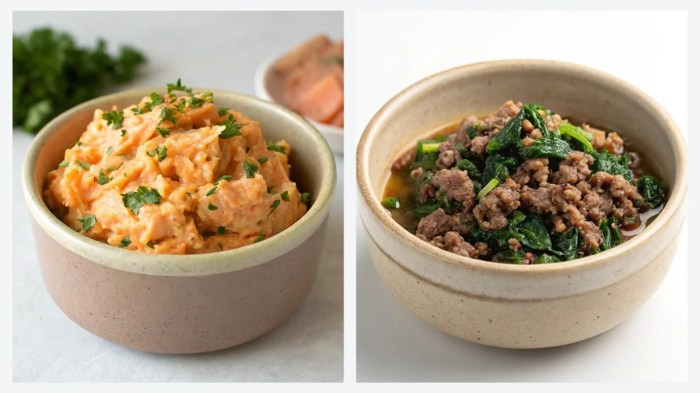
Homemade diets offer a unique opportunity to tailor nutrition to address specific health concerns. For urinary tract issues, increasing water intake and reducing magnesium can be beneficial. Allergies can be managed by identifying and eliminating trigger ingredients. Diabetes can be controlled through a diet low in carbohydrates and high in protein.
Recipes for cats with sensitive stomachs often feature easily digestible proteins like chicken or turkey and limited fiber. Hairballs can be minimized by incorporating ingredients with natural fiber and ensuring adequate hydration.
“My cat, Leo, suffered from chronic allergies for years. After countless vet visits and expensive medications, I decided to try a homemade diet. By eliminating common allergens like chicken and beef, and focusing on novel proteins like rabbit and duck, I was able to completely resolve his allergies. He’s never been healthier or happier!”
Sarah M., Cat Owner
Transitioning to a Homemade Diet
A gradual transition is essential to avoid digestive upset. Start by mixing a small amount of homemade food with the cat’s existing commercial food and gradually increase the proportion of homemade food over several weeks.
Monitor the cat’s response closely. Stool consistency, energy levels, and appetite are key indicators. If digestive upset occurs (vomiting, diarrhea), slow down the transition or consult a veterinarian.
Timeline: Week 1: 25% Homemade, 75% Commercial; Week 2: 50/50; Week 3: 75% Homemade, 25% Commercial; Week 4: 100% Homemade.
Food Storage and Handling
Proper food storage is crucial to prevent spoilage and bacterial contamination. Homemade cat food should be stored in airtight containers in the refrigerator for up to 3 days or frozen for up to 3 months.
Portion control and feeding schedules are important for maintaining a healthy weight. Thaw frozen meals in the refrigerator overnight. Always wash hands thoroughly before and after handling cat food.
Checklist: Use separate cutting boards for meat and vegetables, wash all utensils and surfaces thoroughly, store food in airtight containers, thaw food in the refrigerator, and discard any food that shows signs of spoilage.
Resources and Further Learning
Numerous reliable resources are available to help you learn more about feline nutrition and homemade cat food. Websites like the American Association of Feline Practitioners (AAFP) and books by board-certified veterinary nutritionists are excellent starting points.
Important: Always consult with a veterinarian or a board-certified veterinary nutritionist before making significant changes to your cat’s diet. They can help you create a balanced and appropriate meal plan based on your cat’s individual needs.
| Resource Name | Description |
|---|---|
| American Association of Feline Practitioners (AAFP) | Provides evidence-based guidelines for feline health, including nutrition. |
| “Cat Nutrition: A Handbook for Veterinary Professionals” by Jennifer L. Robinson | A comprehensive guide to feline nutrition for veterinary professionals and informed pet owners. |
Ending Remarks
Crafting homemade cat food isn’t just about providing a meal; it’s about building a deeper connection with your cat and taking proactive steps towards their well-being. From understanding the importance of taurine to tailoring recipes for specific health conditions, this journey requires dedication and research. But the rewards – a healthier, happier, and more vibrant feline friend – are well worth the effort.
Remember to always consult with your veterinarian or a veterinary nutritionist to ensure your homemade recipes meet your cat’s individual needs.
So, embrace the adventure of creating delicious and nutritious meals for your beloved cat. With the right knowledge and a little bit of effort, you can unlock a world of benefits for your furry companion!
User Queries
Can I feed my cat only chicken and rice?
No, a diet of only chicken and rice is severely deficient in essential nutrients like taurine and calcium, which are vital for feline health. It’s crucial to create a balanced recipe with a variety of ingredients.
Is raw cat food safe?
Raw cat food can be safe if handled with extreme care and proper hygiene. However, there’s a risk of bacterial contamination (like Salmonella or E. coli) that can affect both your cat and you. Thorough research and strict food safety protocols are essential.
How much homemade cat food should I feed my cat?
Feeding amounts depend on your cat’s age, weight, activity level, and overall health. Start with the recommended guidelines on commercial cat food packaging and adjust as needed, monitoring your cat’s body condition and consulting with your vet.
Do I need to grind bones for a raw diet?
Yes, if you’re feeding a raw diet, bones need to be ground or finely chopped to prevent choking and ensure proper digestion. Never feed whole bones to cats.
What if my cat refuses to eat the homemade food?
This is common during the transition. Try warming the food slightly, adding a small amount of tuna juice (in water, not oil), or mixing it with a tiny bit of their old commercial food. Patience is key!
How long can I store homemade cat food?
Cooked homemade cat food can be stored in the refrigerator for 2-3 days or frozen for up to 2 months. Raw food should be used within 24-48 hours.

