Dealing with a cat sporting the dreaded Elizabethan collar (cone of shame) can be tough – for both of you! But before you rush out to buy a pricey store-bought version, consider this: you can often create a perfectly functional and comfortable cone right at home. DIY cat cones offer a fantastic way to save money, personalize the design to your cat’s preferences (or at least, minimize their displeasure!), and even repurpose materials you already have.
We’ll explore several options, from simple cardboard creations to cozy fabric alternatives, so you can find the best fit for your feline friend’s needs.

This guide will walk you through various DIY cone designs, detailing the materials needed, step-by-step instructions, and important safety considerations. We’ll cover everything from basic cardboard and plastic bottle cones to more advanced fabric and sock solutions, plus tips for customizing your cone to ensure your cat’s comfort and safety during recovery. Let’s get started on crafting a solution that keeps your kitty protected and happy!
DIY Cat Cones: A Guide to Protecting Your Feline Friend
Dealing with a cat recovering from surgery or a wound can be stressful, especially when it comes to preventing them from licking or scratching the affected area. While store-bought Elizabethan collars (cones) are readily available, they can be expensive and often uncomfortable for our furry companions. This guide explores the world of DIY cat cones, offering a range of affordable, customizable, and potentially more comfortable alternatives.
We’ll cover everything from simple cardboard creations to fabric-covered options and even repurposing plastic bottles. Let’s dive in and learn how to craft a protective cone that keeps your cat safe and sound.
Choosing a homemade cone offers several advantages. Firstly, it’s significantly cheaper than purchasing a commercial cone. Materials are often readily available around the house, minimizing costs. Secondly, DIY cones allow for customization. You can tailor the size, shape, and even the materials to best suit your cat’s individual needs and preferences.
Finally, many cats find homemade cones more comfortable than the rigid plastic versions, leading to less stress and a quicker recovery. We’ll be looking at cardboard, fabric, plastic bottle, and sock cone options, each with its own set of pros and cons.
Here’s a quick overview of the different types of DIY cones we’ll be covering, along with estimated costs and materials:
| Cone Type | Materials Needed | Estimated Cost |
|---|---|---|
| Cardboard Cone | Cardboard box, tape (masking or duct), scissors, measuring tape | $2 – $5 |
| Fabric Cone | Fleece/felt/cotton fabric, pre-made cardboard base (or cardboard for base), needle and thread/fabric glue | $5 – $10 |
| Plastic Bottle Cone | Large plastic bottle (2-liter), scissors, tape, collar | $0 – $3 (depending on bottle availability) |
Cardboard Cone Construction: A Step-by-Step Guide
Creating a cardboard cone is one of the simplest and most cost-effective DIY options. The key is selecting the right cardboard – it needs to be sturdy enough to maintain its shape but not so thick that it’s difficult to cut and manipulate. Medium-weight cardboard from a shipping box works well. The size will depend on your cat’s neck circumference and the length of the wound.
A general guideline is to have the cone extend at least 2-3 inches beyond the tip of the wound.
Constructing the Cone
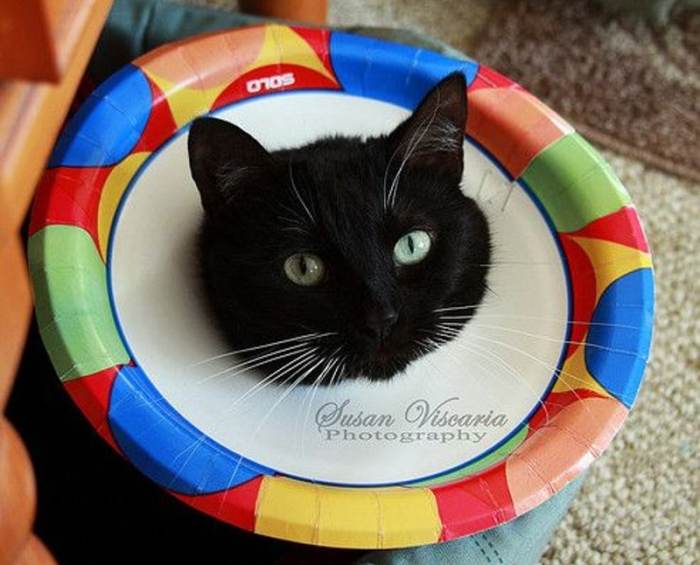
Source: thevetdesk.com
- Measure Your Cat’s Neck: Use a soft measuring tape to determine the circumference of your cat’s neck. Add 2-3 inches to this measurement. This will be the radius of your cone’s base.
- Cut the Cardboard: Cut a semicircle from the cardboard. The radius of the semicircle should be the neck circumference measurement you took in step 1. The length of the semicircle will determine the height of the cone. A height of 6-8 inches is usually sufficient for most cats.
- Form the Cone: Carefully roll the semicircle into a cone shape. Overlap the edges slightly to ensure a secure fit.
- Secure the Seam: Use strong tape (masking tape or duct tape) to firmly secure the overlapping edges of the cone. Apply multiple layers of tape for added strength.
- Create an Opening for the Collar: Cut a small opening near the base of the cone, large enough to thread your cat’s collar through.
Reinforcing and Attaching
Reinforcing the cone with tape is crucial for durability. Apply tape along all seams and edges, paying particular attention to the base where the cone is most likely to bend. Duct tape provides a more robust hold than masking tape. When attaching the cone to the collar, use a sturdy collar that fits snugly but comfortably. Avoid collars with dangling charms or bells that could pose a choking hazard.
The cone should sit comfortably around your cat’s neck, preventing them from reaching the wound without restricting their breathing or movement.
Adjusting the cone’s size and angle is important for optimal protection. If the cone is too long, it may impede your cat’s vision and cause frustration. If it’s too short, it won’t effectively prevent licking. Experiment with different heights and angles until you find a configuration that provides adequate protection while minimizing discomfort.
Fabric Cone Alternatives: Softness and Comfort
For cats who find cardboard cones irritating, fabric cones offer a softer and more comfortable alternative. While they require a bit more effort to construct, the added comfort can make a significant difference in your cat’s recovery. The key is choosing the right fabric – something soft, breathable, and washable. Fleece, felt, and cotton are all good options. You can either create a fabric-covered cone using a pre-made cardboard base or construct a cone entirely from fabric.
Creating a Fabric-Covered Cone
- Prepare the Cardboard Base: Construct a cardboard cone as described in the previous section.
- Cut the Fabric: Cut a piece of fabric large enough to completely cover the cardboard cone, with an overlap of several inches.
- Wrap the Fabric: Carefully wrap the fabric around the cardboard cone, ensuring a snug fit.
- Secure the Fabric: Use either needle and thread or fabric glue to securely attach the fabric to the cone. If sewing, use a strong stitch and reinforce the seams. If using glue, apply a generous amount and allow it to dry completely.
- Create an Opening for the Collar: Cut a small opening in the fabric near the base of the cone for the collar.
Adding Padding
For extra comfort, consider adding padding to the inside of the fabric cone. Thin foam padding, batting, or even layers of soft fabric scraps can be used. Secure the padding in place with fabric glue or stitching.
Fabric vs. Cardboard: A Comparison
- Pros of Fabric Cones: More comfortable, softer, less likely to irritate the skin, washable.
- Cons of Fabric Cones: More time-consuming to make, potentially less durable than cardboard, may require sewing skills.
- Pros of Cardboard Cones: Easy and quick to make, inexpensive, readily available materials.
- Cons of Cardboard Cones: Can be uncomfortable, may irritate the skin, not washable.
Plastic Bottle Cone: Repurposing and Simplicity
If you’re looking for a truly quick and easy solution, repurposing a plastic bottle into a cone is a great option. This method is particularly useful for short-term use or as a temporary fix. Choose a large plastic bottle (2-liter soda bottle works well) with a smooth surface. The shape of the bottle will naturally lend itself to a cone shape, minimizing the amount of cutting and shaping required.
Transforming a Bottle into a Cone
- Prepare the Bottle: Remove the label and thoroughly clean the bottle.
- Cut the Bottle: Cut the bottle at an angle, starting from the bottom and working your way up. The angle will determine the cone’s steepness. Aim for a cut that creates a cone shape with a wide enough opening to prevent the cat from reaching the wound.
- Shape the Cone: Gently bend and shape the plastic to create a smooth, even cone.
- Smooth Sharp Edges: This is crucial for safety. Use sandpaper or a file to carefully smooth any sharp edges created by the cutting process. You can also cover the edges with tape to prevent injury.
- Attach to Collar: Create a small hole near the base of the cone and thread the cat’s collar through it.
Plastic bottle cones are surprisingly durable, but they can be prone to cracking or breaking if subjected to rough handling. The main drawback is the potential for sharp edges if not properly smoothed. Constant supervision is essential when using this type of cone.
Sock Cone: A Quick and Easy Solution
For very short-term use, a sock cone can be a surprisingly effective and incredibly simple solution. This is ideal for situations where you need a temporary barrier while you’re preparing a more permanent cone. Choose a large, soft sock – a knee-high sock or even a sock meant for a child works well. The material should be soft and non-irritating to the cat’s skin.
Creating a Sock Cone
- Stuff the Sock: Fill the sock with soft stuffing material, such as cotton balls, fabric scraps, or even crumpled newspaper. The amount of stuffing will determine the cone’s stiffness.
- Shape the Cone: Twist the stuffed sock into a cone shape, securing the tip with a rubber band or by tying a knot.
- Attach to Collar: Thread the cat’s collar through the opening at the base of the cone.
Adjusting the cone’s tightness and stability is key. If the cone is too loose, it won’t provide adequate protection. If it’s too tight, it will restrict the cat’s movement. Experiment with different amounts of stuffing and collar placement until you find a comfortable and secure fit.
The sock cone is a fantastic option for short-term use, providing a quick and easy barrier while you’re preparing a more durable solution. It’s lightweight, comfortable, and requires minimal effort to create.
Advanced Cone Designs: Customization and Features
Once you’ve mastered the basics, you can start experimenting with more advanced cone designs to enhance functionality and comfort. These modifications can improve visibility, prevent overheating, and even allow the cat to eat and drink.
- Reflective Tape: Adding reflective tape to the cone’s exterior increases visibility, especially during nighttime walks.
- Ventilation Holes: Drilling small ventilation holes around the cone prevents overheating, particularly in warmer climates.
- Food/Water Access: Carefully cut openings in the cone to allow the cat to access food and water bowls. Ensure the openings are small enough to prevent the cat from reaching the wound.
- Adjustable Height and Circumference: Design a cone with Velcro straps or buckles to allow for easy adjustment of height and circumference.
- Decorative Designs: Decorate the cone with cat-friendly patterns or designs using non-toxic markers or fabric paint.
Safety Considerations and Potential Problems
While DIY cat cones offer numerous benefits, it’s crucial to prioritize safety. Potential hazards include sharp edges, choking hazards, and excessive restriction of movement. Always supervise your cat while they’re wearing a cone, regardless of the design.
Ensure the cone is securely attached to the collar and doesn’t impede the cat’s breathing or vision. If the cone is too long, it can obstruct the cat’s view and cause frustration. If it’s too short, it won’t effectively prevent licking. Watch for signs of discomfort or distress, such as excessive scratching, panting, or attempts to remove the cone.
| Problem | Solution |
|---|---|
| Sharp Edges | Smooth all edges with sandpaper or cover with tape. |
| Cone Too Long | Trim the cone to a shorter length. |
| Cone Too Tight | Loosen the collar or adjust the cone’s circumference. |
| Cat Constantly Trying to Remove Cone | Ensure the cone is securely attached to the collar and consider a different design. |
Regularly inspect the cone for any signs of damage or wear and tear. Replace the cone if it becomes compromised.
Material Sourcing and Cost Breakdown
Many of the materials needed for DIY cat cones can be found around the house, minimizing costs. Cardboard boxes, old socks, and plastic bottles are all readily available. Fabric scraps can be repurposed from old clothing or blankets. If you need to purchase additional materials, craft stores and online retailers offer a wide selection of fabrics, tapes, and other supplies.
Here’s a detailed cost breakdown for each cone type:
- Cardboard Cone: Cardboard (free), Tape ($2 – $5), Scissors (already owned or $5 – $10). Total: $2 – $15
- Fabric Cone: Cardboard (free), Fabric ($3 – $7), Needle and Thread (already owned or $5 – $10), Fabric Glue ($3 – $5). Total: $8 – $22
- Plastic Bottle Cone: Plastic Bottle (free), Tape ($2 – $5), Scissors (already owned or $5 – $10). Total: $2 – $15
- Sock Cone: Sock (free/already owned), Stuffing (cotton balls – $2 – $5). Total: $0 – $5
Essential tools for constructing different cone types include scissors, measuring tape, tape (masking or duct), needle and thread (for fabric cones), and fabric glue (for fabric cones). A hot glue gun can also be useful for attaching fabric or padding.
Adapting Cones for Different Cat Sizes and Injuries
Adjusting cone dimensions is crucial for ensuring a comfortable and effective fit. Kittens require smaller cones than adult cats, while large breeds may need larger cones. The height of the cone should be sufficient to prevent the cat from reaching the wound, regardless of their size.
Considerations for cones used after specific types of injuries vary. For paw wounds, the cone needs to be long enough to prevent the cat from reaching the affected limb. For eye infections, the cone should be positioned to prevent the cat from rubbing their eyes. Consulting with a veterinarian is always recommended to determine the appropriate cone size and design for your cat’s specific needs.
Modifying a cone to accommodate a cat with a specific physical limitation may require creativity and ingenuity. For example, a cat with limited mobility may benefit from a cone with a wider base for added stability. Successful cone adaptations often involve a combination of careful measurements, thoughtful design, and a willingness to experiment.
Conclusion
From resourceful repurposing with plastic bottles to the comforting softness of fabric cones, there’s a DIY solution to suit every cat and budget. Remember, the key is prioritizing your cat’s safety and comfort – ensuring the cone fits properly, doesn’t restrict movement excessively, and is made with non-toxic materials. By understanding the different options and potential pitfalls, you can confidently create a DIY cone that aids your cat’s recovery and minimizes stress during this challenging time.
Happy crafting, and speedy healing to your furry companion!
FAQ Insights
How long can a DIY cone be used safely?
DIY cones are generally best for short-term use (a few days to a week) until the injury heals enough for your cat to stop self-harming. For longer recovery periods, a professionally made cone might be more durable and comfortable.
Can I use duct tape to reinforce a cardboard cone?
While duct tape is strong, it can be rough and potentially peel off, creating a choking hazard. Opt for masking tape or painter’s tape for reinforcement, as they are less likely to cause injury.
My cat hates the cone! What can I do?
Try making the cone more comfortable with soft fabric padding or a different design. Distraction with toys and treats can also help your cat adjust. Consult your vet if the distress is severe.
What if my cat manages to remove the cone?
Ensure the cone is properly sized and securely attached to the collar. Supervise your cat closely while they’re wearing the cone and consider a breakaway collar for added safety.
Can I wash a fabric cone?
Yes, most fabric cones can be hand-washed with mild soap and air-dried. Check the fabric type before washing to ensure it doesn’t shrink or damage the cone’s structure.