Ever watched your cat playfully batting at a toy, only to suddenly let out a hiss? It can be a confusing and even alarming moment! Cats are masters of communication, using a wide range of vocalizations and body language to express themselves. But what does a hiss
-really* mean, especially when it pops up during playtime? Let’s dive into the fascinating world of cat sounds and figure out if playful hissing is a thing, and what it might be telling us about your feline friend.
Understanding cat vocalizations goes far beyond just “meow.” They use purrs to signal contentment, growls to warn, and chirps to engage with prey. These sounds are rooted in their evolutionary history, helping them communicate with each other, with us, and even with the world around them. Knowing when and why a cat vocalizes – whether it’s a hungry meow or a defensive hiss – is key to understanding their needs and ensuring their well-being.
Do Cats Hiss When They Play? Understanding the Nuances
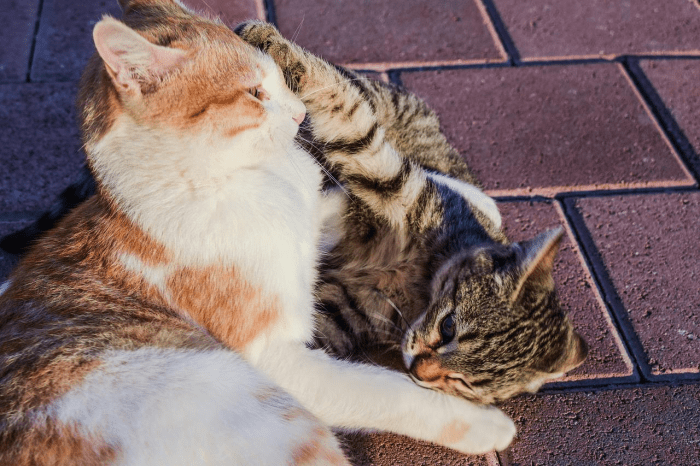
Source: googleusercontent.com
We all know cats are fascinating creatures, full of quirky behaviors and complex communication. One behavior that often raises eyebrows is hissing. While we typically associate hissing with anger or fear, it can sometimes pop up during playtime. Is your cat actually mad, or is there something else going on? This article dives deep into the world of cat vocalizations, exploring the reasons behind hissing, differentiating it from similar sounds, and understanding when it’s a sign of playful roughhousing versus a genuine warning.
Cats communicate in a myriad of ways, far beyond just meows. Understanding these different vocalizations and body language cues is key to building a strong bond with your feline friend and ensuring their well-being. Let’s unravel the mysteries of cat communication, starting with the basics.
Understanding Cat Vocalizations – The Basics
Cats aren’t silent creatures. They utilize a wide range of sounds to express themselves. Beyond the infamous hiss, you’ll hear purring, meowing, growling, and chirping. Each sound is produced by a unique physiological mechanism. Purring, for example, is believed to be generated by vibrations in the larynx and diaphragm, often associated with contentment but also sometimes used as a self-soothing mechanism when a cat is stressed or in pain.
Meowing is primarily used to communicate with humans, a behavior that likely evolved as cats domesticated themselves. Growling originates from deeper within the throat and signals displeasure or warning. Chirping, often directed at prey (real or imagined), is a rapid, trilling sound.
Cats vocalize for a variety of reasons. Evolutionarily, vocalizations helped them communicate within their social groups. Today, they use meows to solicit food, attention, or playtime from their human companions. Interactions with other animals, both feline and otherwise, also trigger vocalizations, often to establish territory or express dominance. You’ll notice your cat meowing when they’re hungry, purring when they’re being petted, growling when they feel threatened, and hissing when they’re cornered or protecting their space.
What is a Hiss?
Defining the Sound
Defining the Sound
A hiss is a distinct vocalization characterized by a forceful expulsion of air from the lungs, accompanied by the retraction of the cat’s lips, revealing their teeth. This is often paired with a tense posture – the cat might arch their back, fluff up their fur, and flatten their ears. The sound itself is sharp and abrupt, designed to startle and deter potential threats.
The primary emotional state associated with a hiss is defensiveness, often rooted in fear or aggression. A cat hissing is essentially saying, “Back off! I feel threatened and I’m prepared to defend myself.” It’s crucial to recognize that a hiss isn’t always about outright aggression; it can be a preemptive measure to avoid a confrontation. The nuances of these emotions can be subtle.
A truly frightened cat might hiss more frantically, while an aggressive cat might hiss with a more deliberate and menacing tone.
While a hiss is quite unique, it can be confused with a puff or a growl. A puff involves the cat rapidly inhaling and exhaling, often accompanied by a slight vocalization, but without the sharp expulsion of air characteristic of a hiss. A growl is a deeper, rumbling sound that precedes a hiss in some cases, indicating escalating tension. The key difference lies in the sound itself – a hiss is sharp and abrupt, while a puff is more airy and a growl is deeper and more sustained – and the accompanying body language.
A hissing cat will typically have retracted lips and visible teeth, whereas a puffing cat might have a slightly open mouth but no visible teeth.
Playful Hissing – Is it Possible?
“Rough play” is a common occurrence among cats, especially kittens. It involves playful bites, swats, and chases that can sometimes resemble aggression to the untrained eye. However, there are subtle differences. Playful interactions are typically characterized by reciprocal behavior – cats take turns chasing and being chased, and there’s a general lack of tension. True aggression, on the other hand, is often one-sided and involves a clear power dynamic.
A cat might hiss during play when they become overstimulated. This can happen when the play gets too intense, or when the cat feels like they’re losing control. It can also be a way of testing boundaries – a cat might hiss to let you know they’ve had enough of a particular game or interaction. For example, a cat might hiss when you’re petting them too vigorously or when they’re being chased relentlessly.
Differentiating playful hissing from a warning hiss is crucial. A cat engaging in playful hissing will often display a relaxed posture, playful swats, and dilated pupils. Their ears might be slightly forward or relaxed. In contrast, a warning hiss is accompanied by a tense posture, constricted pupils, flattened ears, and a more rigid body. The tail will also be a key indicator – a playful cat might have a twitching tail, while a warning cat will likely have a tucked or swishing tail.
Context is Crucial – Analyzing the Situation
Understanding the context surrounding a cat’s hissing behavior is paramount. A flowchart can be a helpful tool for assessing the situation. Start by considering the cat’s age and health – a kitten might hiss more frequently during play than an adult cat, and a cat in pain might be more easily irritated. Next, evaluate the cat’s relationship with other animals and people in the household.
A cat who is insecure or has a history of conflict might be more prone to hissing.
The presence of other cats or animals significantly influences the likelihood of hissing during play. If multiple cats are present, hissing might be a way of establishing dominance or resolving conflicts. Even the presence of a dog can trigger hissing, especially if the cat feels threatened or unsure of the dog’s intentions.
| Scenario | Potential for Hissing & Explanation |
|---|---|
| Two kittens chasing each other | Low – often accompanied by playful bites and swats, not a defensive hiss |
| Cat playing with a human’s hand | Moderate – may hiss if the hand is too rough or the cat feels overwhelmed |
| Cat playing with another cat who is being overly aggressive | High – a clear warning to back off |
Body Language Beyond the Hiss
It’s essential to observe a cat’s entire body language, not just the vocalization. Tail position, ear position, and eye dilation all contribute to understanding the cat’s state. A swishing tail can indicate agitation, while a tucked tail suggests fear. Flattened ears signal defensiveness, while forward-facing ears indicate alertness. Dilated pupils can be a sign of excitement or fear, while constricted pupils suggest calmness or aggression.
A cat’s posture provides valuable clues. An arched back, combined with raised fur, is a classic sign of fear or aggression. Flattened ears and a tense body indicate defensiveness. Even a subtle hiss, accompanied by these body language cues, should be taken seriously.
Visual Guide: Cat Body Language
Posture: Arched back, fur standing on end, tail tucked between legs. Facial Expression: Dilated pupils, flattened ears, bared teeth. Likely Emotional State: Fearful and preparing to defend itself.
Posture: Relaxed, lying down with paws extended. Facial Expression: Half-closed eyes, slow blinking. Likely Emotional State: Content and relaxed.
Posture: Crouched low to the ground, tail twitching. Facial Expression: Dilated pupils, ears forward. Likely Emotional State: Alert and focused, potentially preparing to pounce.
Distinguishing Playful Behavior from Aggression
Playful behavior and aggressive behavior in cats share some similarities, making it challenging to differentiate them. However, key differences exist. Playful behavior is characterized by a relaxed posture, a twitching tail, dilated pupils, and soft chirps or playful growls. Aggressive behavior, on the other hand, involves a stiff posture, a tucked or swishing tail, narrowed eyes, and loud hisses or growls.
| Feature | Playful Behavior | Aggressive Behavior |
|---|---|---|
| Body Posture | Relaxed, bouncy, flexible | Stiff, tense, rigid |
| Tail | Twitching, upright with a curve | Tucked, swishing rapidly |
| Eyes | Dilated, playful gaze | Narrowed, fixed stare |
| Vocalizations | Soft chirps, playful growls, occasional hisses | Loud hisses, growls, yowls |
Reciprocal behavior is a hallmark of play. Cats taking turns chasing and being chased, demonstrating a playful exchange. Aggressive interactions, conversely, are typically one-sided and lack this reciprocity. Recognizing when play has become too rough is crucial. Signs include excessive biting or scratching, a cat consistently trying to escape, or a cat displaying signs of fear or stress.
Redirecting the cat’s energy by offering a different toy or activity can help de-escalate the situation.
Factors Influencing Play Style
A cat’s personality and individual temperament significantly affect their play style. Some cats are naturally more energetic and playful than others. Early socialization experiences also shape a cat’s comfort level with play and interaction. Kittens who are raised with other cats and humans are more likely to develop healthy play habits.
Different cats exhibit different play styles. Some cats are ambush predators, preferring to stalk and pounce on their prey. Others are pouncers, enjoying the thrill of leaping and grabbing. Still others are wrestlers, engaging in playful grappling and tumbling. These play styles can manifest in hissing behavior – an ambush predator might hiss when their prey (toy or human) gets too close, while a wrestler might hiss when they feel like they’re losing control of the play.
Addressing Excessive Hissing During Play
If a cat consistently hisses during play, it’s important to investigate potential underlying issues, such as anxiety or pain. Providing a safe and enriching environment can help reduce stress and promote positive play. This includes providing plenty of toys, scratching posts, and climbing opportunities, as well as ensuring the cat has a quiet and comfortable place to retreat when they feel overwhelmed.
If your cat is frequently hissing during play, consult with a veterinarian to rule out any medical conditions and consider working with a certified cat behaviorist to address any underlying behavioral issues.
Ultimate Conclusion
So, do cats hiss when they play? The answer, as with most things cat-related, is “it depends!” While a hiss is typically a sign of fear or defensiveness, it
-can* occur during rough play, especially when boundaries are being tested or a cat feels overstimulated. By paying close attention to your cat’s entire body language – their posture, tail position, ear placement, and even pupil dilation – you can decipher the message behind the hiss and ensure playtime remains a positive and enriching experience for your furry companion.
Remember, a happy cat is a well-understood cat!
Ultimately, recognizing the subtle differences between playful and aggressive behavior is crucial for a harmonious relationship. If excessive hissing becomes a concern, don’t hesitate to consult with a vet or a certified cat behaviorist to address any underlying issues and create a safe and stimulating environment for your beloved feline.
FAQ Overview
Why do cats hiss at all?
Hissing is a defensive vocalization cats use to warn others to back off. It’s a signal that they feel threatened, scared, or uncomfortable.
How can I tell the difference between a playful hiss and a warning hiss?
Look at the whole picture! Playful hissing is often accompanied by a relaxed posture, playful swats, and dilated pupils. A warning hiss comes with a tense body, flattened ears, and constricted pupils.
What does it mean when my cat’s tail is puffed up and they hiss?
A puffed-up tail combined with a hiss indicates a high level of fear or aggression. Give your cat space and avoid approaching them.
My cat hisses when I try to play with them. What should I do?
Try different types of toys and play styles. Some cats prefer gentle play, while others enjoy more vigorous interaction. Also, ensure they have plenty of opportunities for independent play.
Is it normal for kittens to hiss during play?
Yes, it’s common for kittens to hiss during rough play as they learn boundaries. However, monitor their interactions to ensure it doesn’t escalate into genuine aggression.
Can a cat hiss out of pain?
Yes, pain can definitely trigger hissing as a defensive mechanism. If your cat is hissing more than usual, especially when touched, a vet visit is a good idea.

