For cat lovers, the fear of a lost kitty is a very real one. Thankfully, technology has stepped in to offer a solution: the GPS cat collar. From early radio trackers to today’s sophisticated devices, pet tracking has come a long way. These collars use GPS technology to pinpoint your cat’s location, offering peace of mind and a powerful tool for swift recovery if they wander off.
You’ll find a range of options, from subscription-based models that offer ongoing service and features to one-time purchase collars for those who prefer a more straightforward approach.
Let’s break down the world of GPS cat collars, exploring their benefits, features, and what to consider before making a purchase. We’ll look at different collar types and their associated costs, discuss the importance of battery life and accuracy, and delve into the app functionality that puts control right at your fingertips. Ultimately, this guide aims to empower you to choose the best GPS cat collar to keep your furry companion safe and sound.
Introduction to GPS Cat Collars
For cat lovers, the worry of a wandering feline is a familiar one. We cherish our cats’ independence and love seeing them explore, but the fear of them getting lost or injured is always lurking. Thankfully, technology has stepped in to offer a solution: GPS cat collars. These clever devices provide a way to track your cat’s location, offering peace of mind and a quicker response if they ever stray too far.
This article will delve into everything you need to know about GPS cat collars, from their history to choosing the right one for your furry friend.
The concept of pet tracking isn’t new. Early attempts involved simple radio transmitters, bulky and often unreliable. These were followed by GPS trackers for dogs, which were larger and designed for a more robust build. The miniaturization of GPS technology, coupled with advancements in battery life and cellular connectivity, finally made it feasible to create lightweight and practical GPS collars specifically for cats.
The shift from larger, dog-focused trackers to smaller, cat-friendly designs reflects a growing understanding of feline behavior and the need for discreet and comfortable tracking solutions.
At their core, a GPS cat collar works by utilizing the Global Positioning System (GPS) satellites orbiting Earth. The collar’s receiver picks up signals from these satellites, calculating its precise location. This location data is then transmitted, typically via cellular network (like your phone uses), to a corresponding app on your smartphone or computer. Some collars use Bluetooth for short-range tracking, while others rely on satellite communication for broader coverage.
The app displays the cat’s location on a map, allowing you to monitor their movements in real-time.
There are primarily two types of GPS cat collars available: subscription-based and one-time purchase. Subscription models involve an upfront cost for the collar itself, followed by recurring monthly or annual fees for data services and app access. One-time purchase collars require a larger initial investment but eliminate ongoing subscription costs. The best choice depends on your budget and desired features.
| Collar Type | Initial Cost | Recurring Costs |
|---|---|---|
| Subscription-Based (e.g., Tractive) | $70 – $150 | $5 – $20 per month |
| One-Time Purchase (e.g., Whistle GO Explore) | $200 – $350 | $0 |
| Bluetooth Tracker (e.g., Tile Mate) | $25 – $50 | $0 (limited range) |
Benefits of Using a GPS Cat Collar
The decision to invest in a GPS cat collar is often driven by a desire to address specific concerns about a cat’s safety and well-being. Preventing escapes is a major motivator, especially for cats who live near busy roads or have a history of roaming. Monitoring activity levels is another benefit, allowing owners to ensure their cats are getting enough exercise and identifying potential health issues through changes in behavior.
Ultimately, the biggest advantage is the peace of mind knowing you can quickly locate your cat if they do go missing.
When a cat escapes, time is of the essence. GPS collars significantly reduce the search time by providing an immediate and accurate location. Instead of frantically searching the neighborhood, owners can pinpoint their cat’s whereabouts and head directly to them. This is particularly crucial in areas with heavy traffic or potential dangers.
There are countless stories of GPS collars reuniting owners with their beloved cats. One example involved a cat named Mittens who slipped out of her house during a thunderstorm and ran several blocks away. Her owner, using the GPS collar app, was able to locate her hiding under a car a few streets over and bring her home safely. Another case involved a cat who was accidentally transported several miles away in a delivery truck; the GPS collar allowed the owner to track the truck and retrieve their cat before it reached its destination.
Imagine this scenario: You’re at work when your cat, startled by a loud noise, bolts out the open door. Panic sets in. Without a GPS collar, you’d be rushing home, posting flyers, and alerting neighbors. But with a GPS collar, you open the app on your phone and see that your cat has only gone a few houses down. You quickly retrieve them, avoiding a stressful and potentially dangerous situation.
This illustrates the power of GPS collars in facilitating a rapid recovery.
Features to Consider When Choosing a Collar
Selecting the right GPS cat collar requires careful consideration of several key features. Accuracy is paramount – you want to be confident that the location data is reliable. Battery life is another crucial factor, as you don’t want the collar to die mid-adventure. Size and weight are important for cat comfort; a bulky or heavy collar can be irritating and even dangerous.
Durability is essential to withstand the wear and tear of daily life, and water resistance is a must for cats who enjoy exploring the outdoors.
Different GPS tracking technologies offer varying levels of performance. Cellular-based collars provide the widest coverage, utilizing mobile networks to transmit location data. However, they require a subscription and rely on cellular signal strength. Satellite collars offer global coverage but are typically more expensive and have longer update intervals. Bluetooth trackers are ideal for short-range tracking within a limited area, but they don’t work when the cat is out of Bluetooth range.
Each technology has its pros and cons, and the best choice depends on your cat’s roaming habits and your budget.
A comfortable and secure collar design is vital for a cat’s well-being. The collar should fit snugly but not too tightly, allowing for a couple of fingers to slide comfortably between the collar and the cat’s neck. It should also be made of soft, flexible materials to prevent irritation. A breakaway clasp is a crucial safety feature, designed to release under pressure if the collar gets caught on something, preventing choking or injury.
- Kitten (under 6 months): 15-30 grams
- Average Adult Cat (8-12 lbs): 30-50 grams
- Large Breed Cat (over 15 lbs): 50-70 grams
Subscription Models vs. One-Time Purchase Collars
The choice between a subscription-based and a one-time purchase GPS cat collar hinges on your priorities and budget. Subscription models offer ongoing benefits like feature updates, data storage, and customer support, but they come with recurring costs. One-time purchase collars provide ownership of the device and data, eliminating subscription fees, but they may lack advanced features and ongoing support.
One-time purchase collars are appealing for those who prefer a predictable, upfront cost and want to own their data outright. However, they may have limited data storage capacity and lack access to automatic software updates. Subscription collars, on the other hand, typically offer cloud-based data storage, allowing you to access historical location data and activity logs. They also receive regular feature updates, ensuring you have access to the latest technology and improvements.
Subscription collars generally offer significantly more data storage than one-time purchase collars. They often provide months or even years of historical data, allowing you to track your cat’s movements and activity patterns over time. One-time purchase collars may only store a limited amount of data, requiring you to manually download and manage it.
| Category | Subscription Model | One-Time Purchase Model |
|---|---|---|
| Cost | Higher upfront cost, recurring monthly/annual fees | Higher upfront cost, no recurring fees |
| Data Storage | Cloud-based, typically large capacity | Limited, may require manual download |
| Feature Updates | Automatic, regular updates | Limited or no updates |
| Contract Length | Typically requires a minimum contract period | No contract |
Battery Life and Charging
GPS cat collar battery life is a critical consideration. Several factors influence how long the battery lasts, including tracking frequency (how often the collar updates its location), environmental conditions (cold temperatures can reduce battery performance), and the collar’s overall design. Higher tracking frequencies consume more power, while warmer temperatures generally extend battery life.
Charging methods vary among different GPS cat collars. Magnetic charging is a popular option, offering a convenient and secure connection. USB charging is another common method, allowing you to use standard USB cables and chargers. Some collars feature wireless charging capabilities, providing even greater convenience.
To maximize battery life, consider adjusting the tracking frequency based on your cat’s typical roaming habits. If your cat is generally a homebody, you can set the collar to update its location less frequently. Also, avoid exposing the collar to extreme temperatures. Regularly check the battery level and charge the collar before it completely depletes.
To calculate estimated battery life, consider the following: If a collar has a 500mAh battery and updates its location every 15 minutes, it will consume more power than if it updates every hour. A general rule of thumb is that a collar with moderate tracking frequency (e.g., updates every hour) will last for 3-7 days on a single charge.
GPS Accuracy and Coverage
GPS accuracy is typically measured in meters, indicating the radius within which the collar’s location is considered accurate. Factors that can influence accuracy include signal strength, obstructions (buildings, trees), and atmospheric conditions. Stronger GPS signals generally result in more accurate location data.
Cellular-based GPS collars rely on cellular coverage to transmit location data. Areas with poor or no cellular signal will result in limited or no tracking capabilities. It’s essential to ensure that the collar you choose has coverage in the areas where your cat typically roams.
GPS tracking can be challenging in urban canyons (areas surrounded by tall buildings) or heavily wooded areas. Tall buildings can block GPS signals, while dense foliage can interfere with satellite reception. In these situations, the collar may rely on cellular triangulation, which is less accurate than direct GPS fixes.
Imagine a visual representation: Tall buildings clustered together create “shadows” where GPS signals are blocked. Similarly, a dense canopy of trees acts as a barrier, preventing satellites from directly communicating with the collar. The GPS signal bounces off surfaces, leading to inaccuracies and delays in location updates. This illustrates how environmental factors can significantly impact GPS performance.
Collar Size and Fit
Proper collar fit is paramount for a cat’s comfort and safety. A collar that is too tight can restrict breathing and circulation, while a collar that is too loose can easily slip off. Ensuring a snug but comfortable fit is essential to prevent escape and minimize irritation.
To measure your cat’s neck circumference, use a flexible measuring tape and wrap it around their neck where the collar will sit. Add 1-2 inches to this measurement to allow for comfortable movement and the collar’s buckle. Consult the collar manufacturer’s sizing chart to determine the appropriate collar size based on your cat’s neck circumference.
Adjustable collar designs offer greater flexibility in fitting different cats and accommodating changes in neck size. These collars typically feature a sliding buckle or Velcro closure, allowing you to fine-tune the fit for optimal comfort and security.
- Measure your cat’s neck circumference with a flexible measuring tape.
- Add 1-2 inches to the measurement.
- Consult the collar manufacturer’s sizing chart.
- If your cat’s measurement falls between sizes, choose the larger size.
- Ensure the collar fits snugly but not too tightly, allowing for a couple of fingers to slide comfortably between the collar and the cat’s neck.
Durability and Water Resistance
Source: shopify.com
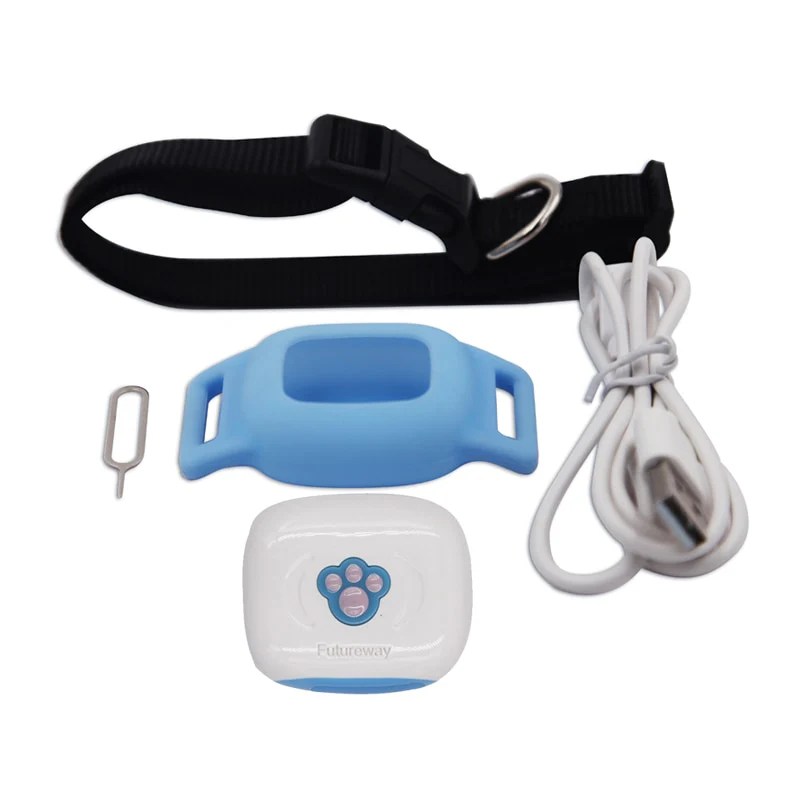
Durable GPS cat collars are constructed from robust materials that can withstand the rigors of daily life. Common materials include nylon webbing, reinforced stitching, and impact-resistant casings. These materials resist wear and tear, scratching, and chewing, ensuring the collar remains functional and secure.
Water resistance is crucial for cats who spend time outdoors, as they are exposed to rain, snow, and puddles. Different levels of water resistance are available, ranging from splash-proof (resistant to light splashes) to waterproof (able to withstand submersion in water). Choose a collar with a water resistance rating appropriate for your cat’s lifestyle.
Splash-proof collars are suitable for cats who occasionally venture outdoors but are not likely to encounter heavy rain or prolonged exposure to water. Waterproof collars are ideal for cats who frequently swim or spend extended periods outdoors in wet conditions. For example, a collar made with TPU (thermoplastic polyurethane) is more resistant to abrasion and tearing than one made with standard nylon.
Imagine a cat playfully batting at a GPS collar, attempting to chew on it. A durable collar made with reinforced stitching and a tough casing will withstand this abuse, while a less durable collar may fray or break. This demonstrates the importance of choosing a collar that can handle the challenges of a cat’s active lifestyle.
App Functionality and Features
GPS cat collar apps offer a range of features designed to enhance the tracking experience. Common features include real-time tracking, geofencing, activity monitoring, and historical data. Real-time tracking allows you to see your cat’s current location on a map. Geofencing enables you to set up virtual boundaries, receiving alerts when your cat enters or exits a designated area. Activity monitoring tracks your cat’s movement and rest patterns.
Historical data provides a record of your cat’s past movements.
Geofencing is a powerful tool for keeping cats within designated areas, such as your yard or neighborhood. By setting up virtual boundaries, you can receive alerts if your cat wanders outside these areas, allowing you to take prompt action. This is particularly useful for cats who are prone to escaping or exploring beyond safe limits.
Different GPS cat collar apps offer varying user interfaces. Some apps are intuitive and easy to navigate, while others may be cluttered and confusing. Consider trying out demo versions or reading reviews to assess the usability of different apps before making a purchase.
The ideal GPS cat collar app should be intuitive and user-friendly, providing clear and concise information at a glance. The map should be easy to read, with accurate location data and customizable settings. Alerts should be timely and informative, allowing you to quickly respond to any potential issues. Overall, the app should enhance the tracking experience, providing peace of mind and a seamless connection to your cat’s whereabouts.
Safety Considerations
While GPS cat collars offer numerous benefits, it’s important to be aware of potential hazards. Entanglement is a risk, particularly if the collar gets caught on branches or fences. Overheating can occur if the collar is exposed to direct sunlight for extended periods. Battery safety is also a concern, as damaged batteries can pose a fire hazard.
To minimize these risks, regularly inspect the collar for damage, ensuring the clasp is secure and the materials are intact. Avoid exposing the collar to extreme heat or direct sunlight. Choose a collar with a breakaway clasp to prevent choking or injury if it gets caught on something. Consider using a collar cover to protect the collar from scratches and chewing.
Regularly inspect the collar for damage, paying close attention to the clasp, strap, and casing. Replace the collar immediately if you notice any signs of wear and tear. Always follow the manufacturer’s instructions for safely charging and storing the GPS cat collar.
Best practices for safely charging and storing GPS cat collars include using the provided charger, avoiding extreme temperatures, and storing the collar in a cool, dry place. Never leave a charging collar unattended, and dispose of damaged batteries properly.
Final Conclusion
Choosing a GPS cat collar is an investment in your cat’s safety and your own peace of mind. We’ve covered a lot of ground, from understanding the technology behind these devices to weighing the pros and cons of subscription versus one-time purchase models. Remember to prioritize features like accuracy, battery life, and a comfortable, secure fit. By carefully considering these factors, you can select a collar that provides reliable tracking and helps ensure your beloved cat always finds their way back home.
The advancements in pet tracking technology are truly remarkable, and the ability to quickly locate a lost cat can be invaluable. With the right GPS cat collar, you can enjoy the freedom of letting your cat explore while knowing you have a safety net in place.
Frequently Asked Questions
How accurate are GPS cat collars?
Accuracy varies, but most collars offer within 10-20 feet. Factors like signal strength and obstructions can impact accuracy.
What happens if my cat goes indoors with a cellular GPS collar?
Many collars have a “home mode” that reduces tracking frequency to conserve battery when the cat is within a designated area.
Can I use a human GPS tracker on my cat?
While technically possible, human trackers are often too bulky and heavy for cats, and may not be as durable.
How do I know if the collar is the right size for my cat?
Measure your cat’s neck circumference and refer to the collar manufacturer’s sizing chart. Ensure there’s enough space for two fingers to fit comfortably between the collar and your cat’s neck.
What’s the difference between splash-proof and waterproof?
Splash-proof collars can handle light rain or splashes, while waterproof collars are designed for submersion in water.
How long does it take to charge a GPS cat collar?
Charging times vary, but typically take between 2-4 hours for a full charge.
Do GPS cat collars work in rural areas?
Cellular-based collars rely on cellular coverage, which may be limited in rural areas. Satellite collars are an option for wider coverage, but often come with higher costs.

