litter box that dog can’t get into, the narrative unfolds in a way that feels like a behind‑the‑scenes tour of a household where cats rule and dogs are constantly tempted. You’ll discover why the scent, texture and the “forbidden fruit” allure draw even the most well‑behaved pup toward the cat’s bathroom, and what that means for your peace of mind.
From real‑life anecdotes about tiny terriers staging daring litter‑box heists to vet‑approved risk lists outlining ingestion hazards, parasites and digestive upset, this guide walks you through spotting early warning signs, building foolproof barriers, and training both pets to coexist without a single litter grain ending up in the dog’s bowl.




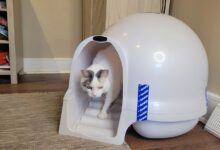
When the Cat’s Litter Box Becomes a Dog’s Playground
Last week my Labrador, Max, discovered the back door to my cat’s bathroom. He strutted in, sniffed the litter, and—boom—left a mess that looked like a mini construction site. I was standing there, coffee in hand, thinking, “This has to stop.” If you’ve ever watched a curious pup dive into a litter box, you know the panic that follows.
What “dog‑proof” Really Means
It’s not about building a fortress. It’s about keeping the litter where the cat wants it and out of the dog’s reach. Simple, right? Not always. Different dogs have different levels of determination.
Some will give up after a sniff. Others, like Max, will make a career out of it.
Key Features to Look For
- Height. A box tall enough that a dog can’t hop onto the rim.
- Cover. Flip‑top or hooded designs that hide the litter.
- Weight. Heavier units stay put when a dog paws at them.
- Material. Plastic that’s sturdy but easy to clean.
Choosing the Right Design
There are three main camps: open, covered, and self‑cleaning. Each has its own set of pros and cons, and each can be dog‑proofed with a little creativity.
Open Litter Boxes
Open boxes are cheap and easy to clean, but they’re also the easiest for a dog to access. If you’re set on an open style, add a barrier.
Ideas:
- Place the box inside a tall cabinet with a cat‑only entrance.
- Use a baby gate set low enough for the cat but too high for the dog.
- Buy a “cat‑only” door that swings only one way.
Covered Litter Boxes
A hooded box does a lot of the work for you. The cat can pop the door, the dog can’t see the litter, and the smell stays contained. The key is to pick a model with a sturdy latch.
Watch out for:
- Boxes that trap odor—your cat might avoid them.
- Flimsy lids that a dog can nudge open.
Self‑Cleaning Units
These high‑tech boxes are a dream for cat owners who hate scooping. They usually have a heavy base and a closed system that a dog can’t breach. The downside is the price tag and the occasional jam.
But if you’re already spending on a premium cat product, the extra cost might be worth the peace of mind.
DIY Solutions That Actually Work
Not everyone wants to splurge. I’ve patched together a dog‑proof box with stuff I already had around the house. Here’s what I did.
Step‑by‑Step: The Cardboard Castle
- Grab a sturdy cardboard box—big enough for the litter box to sit inside.
- Cut a cat‑size entrance on one side, about 6 inches tall.
- Secure the lid with duct tape so it won’t wiggle when the dog bumps it.
- Place the whole thing on a non‑slip mat.
Result? Max tried to push the cardboard, gave up, and the cat loved the privacy. Simple, cheap, and effective.
Using a Closet Door
If you have a spare closet, install a pet door that only swings inward for the cat. This keeps the litter hidden and the closet door acts as a weighty barrier.
Training Tips to Keep Dogs Out
Even the best box can fail if the dog learns it’s a snack station. Here are a few tricks I’ve used.
- Positive reinforcement. Reward your cat when she uses the box inside the barrier.
- Redirection. When the dog heads toward the box, call him over and toss a toy.
- Deterrents. Place a citrus‑scented spray around the box—dogs hate it, cats usually ignore it.
Maintenance Matters
Cleaning a dog‑proof box isn’t any different from a regular one, but a few extra steps help keep the barrier intact.
Weekly Checklist
- Scrub the litter box with mild soap.
- Wipe down the exterior of the barrier—especially if it’s cardboard.
- Check hinges and latches for wear.
- Replace litter as needed to avoid clumping that could be attractive to dogs.
Final Thoughts
Living with a cat and a dog is a balancing act. The litter box doesn’t have to be the battleground. With a little research, a dash of creativity, and a few training sessions, you can create a setup that satisfies the feline’s need for privacy while keeping the pup out of trouble.
So next time you hear that familiar “ding” of a dog pawing at the litter box, you’ll be ready. You’ll have a solution that says, “Nope, this is cat‑only,” and you’ll get to enjoy that quiet moment of coffee and calm—no more litter‑filled surprises.
By the time you finish reading, you’ll have a clear three‑step action plan—Barrier, Deterrent, Monitor—plus a printable cheat sheet to keep your cat’s sanctuary safe and your dog out of trouble. Share your own dog‑proof setups in the comments, and join a community of pet parents who have turned a potential disaster into a harmonious home.

