Ever wondered if you could be giving your feline friend the absolute best nutrition, tailored exactly to their needs? Making homemade cat food is gaining popularity, and for good reason! It allows you to control every ingredient, potentially address allergies, and even save a bit of money in the long run. But it’s not as simple as just tossing some meat and veggies together – it requires understanding feline nutritional needs and careful planning.
Before you dive in, a chat with your vet is crucial to ensure you’re creating a balanced and safe diet for your kitty.
This guide will walk you through everything you need to know, from understanding essential nutrients like taurine and protein, to crafting delicious and healthy recipes. We’ll cover safe food handling practices, storage tips, and how to adjust recipes for different life stages. Get ready to become your cat’s personal chef!
Why Homemade Cat Food?
Let’s be honest, we all want the best for our feline companions. We obsess over their toys, their naps, and of course, their food. Lately, more and more cat owners are turning to homemade cat food, and for good reason. It’s a way to take control of exactly what goes into your cat’s bowl, potentially addressing allergies, saving money in the long run, and simply knowing you’re providing a nutritious, tailored meal.
The reasons behind this shift are varied. Some owners have cats with sensitive stomachs or allergies that commercial food just can’t seem to handle. Others are concerned about the quality of ingredients in processed cat food, wanting to avoid fillers and artificial additives. And, surprisingly, making your own cat food
-can* be more cost-effective, especially if you’re buying ingredients in bulk.
However, it’s absolutely crucial to understand that creating a balanced homemade diet for a cat isn’t as simple as throwing some meat and veggies together. It requires careful planning and, most importantly, a consultation with your veterinarian.
Essential Nutrients for Cats
Cats are obligate carnivores, meaning their bodies are designed to thrive on a diet primarily composed of animal protein. Unlike humans or dogs, they have specific nutritional needs that must be met to ensure optimal health. These core nutrients include protein, taurine, essential fatty acids, vitamins, and minerals. Getting the balance right is key.
A balanced homemade cat food recipe generally falls within these percentage ranges: Protein: 45-55%, Fat: 20-30%, Carbohydrates: 5-10%, Moisture: 60-70%. Taurine is particularly critical and must be supplemented or sourced from taurine-rich ingredients. Deficiencies in these nutrients can lead to serious health problems, including heart disease, blindness, weakened immune systems, and poor coat condition. It’s not something to take lightly.
| Ingredient | Protein % | Fat % | Taurine Content | Other Key Nutrients |
|---|---|---|---|---|
| Chicken | 70-80 | 15-25 | Moderate | Niacin, Selenium |
| Fish (Salmon) | 60-70 | 20-30 | High | Omega-3 Fatty Acids, Vitamin D |
| Beef | 65-75 | 20-35 | Low | Iron, Zinc |
| Eggs | 60-70 | 30-40 | Low | Choline, Biotin |
| Pumpkin | 1-2 | 0.1 | 0 | Fiber, Vitamin A |
| Spinach | 1-2 | 0.2 | 0 | Vitamin K, Iron |
Protein Sources: Meat, Poultry, and Fish
Choosing the right protein source is the foundation of a healthy homemade cat food diet. Chicken and turkey are popular choices due to their palatability and availability. Rabbit and beef can also be excellent options, offering different nutrient profiles. When preparing raw meat, strict food safety protocols are essential to prevent bacterial contamination. This includes thoroughly washing all surfaces and utensils, storing raw meat properly in the refrigerator, and freezing portions for longer storage.
Fish, like salmon, tuna, and sardines, are rich in omega-3 fatty acids, which are beneficial for coat health and brain function. However, it’s crucial to be mindful of mercury levels, especially with tuna. Limit fish to a small portion of the diet and choose wild-caught varieties whenever possible. Overconsumption of fish can also lead to thiamine deficiency.
Flowchart: Safe Poultry Handling for Cat Food
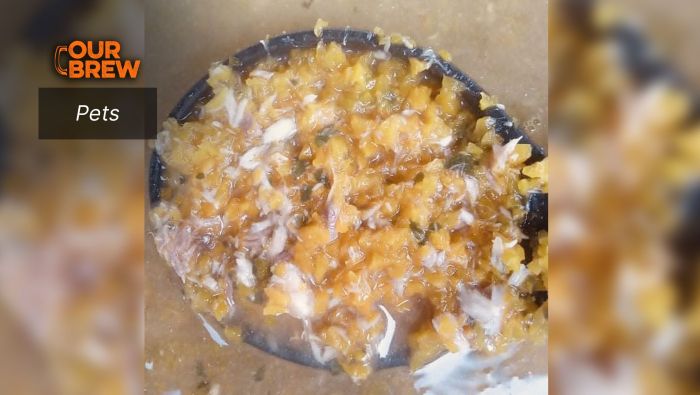
Source: ourbrew.ph
- Purchase: Select fresh, high-quality poultry. Check the expiration date.
- Refrigerate: Immediately refrigerate poultry at 40°F (4°C) or below.
- Thawing: Thaw poultry in the refrigerator, not at room temperature.
- Preparation: Wash poultry thoroughly under cold running water.
- Cooking: Cook poultry to an internal temperature of 165°F (74°C) to kill bacteria.
- Cooling: Cool cooked poultry quickly before storing.
- Storage: Store cooked poultry in an airtight container in the refrigerator.
Carbohydrates and Fiber: Vegetables and Grains
While cats don’t require carbohydrates in their diet, small amounts of cat-safe vegetables can provide fiber and essential vitamins. Pumpkin, sweet potato, carrots, and green beans are generally well-tolerated. Fiber aids digestion and helps regulate bowel movements. Grains like brown rice and oats can be included in moderation, but avoid grains like corn and wheat, which can be difficult for cats to digest and may trigger allergies.
| Vegetable/Grain | Fiber Content |
|---|---|
| Spinach | Low |
| Carrots | Medium |
| Sweet Potato | Medium |
| Green Beans | Medium |
| Pumpkin | High |
| Oats | Medium |
| Brown Rice | Medium |
Taurine: The Critical Amino Acid
Taurine is an essential amino acid that cats cannot produce on their own. It plays a vital role in heart function, vision, and reproduction. Taurine deficiency can lead to dilated cardiomyopathy (DCM), a serious heart condition, and retinal degeneration, which can cause blindness. Ensuring adequate taurine intake is paramount in a homemade cat food diet.
Taurine can be supplemented directly or sourced from taurine-rich ingredients like meat, poultry, and fish. Supplementation is often necessary, especially when the diet is primarily based on plant-based ingredients. To calculate the required taurine supplementation, you’ll need to consider the protein sources used in your recipe and their taurine content. A general guideline is to supplement with 250-500mg of taurine per kilogram of food.
Recipe Creation: Basic Guidelines
Formulating a balanced homemade cat food recipe requires careful consideration of all essential nutrients. Start by selecting a high-quality protein source, then add appropriate amounts of fat, carbohydrates, and fiber. Don’t forget to supplement with taurine and any other vitamins or minerals that may be lacking. It’s best to start with a simple recipe and gradually introduce new ingredients.
Sample Recipe: Chicken and Pumpkin Cat Food
This recipe is a good starting point for beginners. It provides a balanced blend of protein, fat, and fiber.
- Cooked Chicken (boneless, skinless): 200g
- Pumpkin Puree: 50g
- Salmon Oil: 5ml
- Taurine Supplement: 250mg
- Vitamin/Mineral Supplement: As directed on the label
Mix all ingredients thoroughly and store in the refrigerator. Adjust the recipe based on your cat’s individual needs and preferences.
| Age Group | Protein Adjustment | Fat Adjustment | Other Considerations |
|---|---|---|---|
| Kittens | Increase by 5-10% | Increase by 5-10% | Higher calorie needs, ensure adequate calcium and phosphorus |
| Adult Cats | Maintain recommended levels | Maintain recommended levels | Monitor weight and adjust accordingly |
| Senior Cats | May need slight decrease | May need slight increase | Consider joint supplements, monitor kidney function |
Sample Recipes: Beginner to Advanced
Here are three distinct recipes catering to different skill levels and dietary needs.
- Simple Starter Recipe: Cooked chicken, pumpkin puree, and taurine supplement.
- Complex Recipe: Cooked chicken, salmon, sweet potato, spinach, and a vitamin/mineral supplement.
- Urinary Health Recipe: Cooked turkey, cranberries, pumpkin, and a urinary health supplement (consult your veterinarian before using).
Each recipe will require precise measurements and careful preparation. For example, the complex recipe involves cooking the chicken and salmon separately, steaming the sweet potato and spinach, and then combining all ingredients with the supplement. The estimated nutritional content will vary depending on the specific ingredients used and their quantities.
Food Safety and Storage
Maintaining food safety is crucial when preparing homemade cat food. Always wash your hands thoroughly before handling ingredients. Use separate cutting boards and utensils for raw meat and other foods. Cook meat to the appropriate internal temperature to kill bacteria. Cool cooked food quickly and store it in an airtight container.
Freezing homemade cat food is a great way to extend its shelf life. Thaw frozen food in the refrigerator, not at room temperature. Properly stored, cooked homemade cat food can last for 3-4 days in the refrigerator and up to 2 months in the freezer.
| Type of Food | Storage Duration | Storage Temperature |
|---|---|---|
| Raw | 1-2 days | 40°F (4°C) or below |
| Cooked | 3-4 days | 40°F (4°C) or below |
| Frozen | Up to 2 months | 0°F (-18°C) or below |
Addressing Common Concerns
Picky eaters can be a challenge when transitioning to homemade cat food. Start by mixing a small amount of homemade food with your cat’s current food and gradually increase the proportion over time. Ingredient sensitivities and allergies can be managed by carefully monitoring your cat’s reaction to new ingredients and eliminating any that cause problems. Regular veterinary checkups and blood tests can help monitor your cat’s health and identify any nutritional deficiencies.
Supplementation: Vitamins and Minerals
While a well-formulated homemade cat food recipe can provide most essential nutrients, supplementation may be necessary to ensure complete nutritional balance. Common supplements include taurine, vitamin E, vitamin B complex, and calcium. Follow the recommended dosage instructions carefully to avoid over-supplementation, which can be harmful. Consult with your veterinarian to determine the appropriate supplementation regimen for your cat.
Remember, creating a balanced homemade cat food diet requires careful planning, accurate measurements, and ongoing monitoring. Always consult with your veterinarian to ensure your cat’s nutritional needs are being met.
Final Thoughts
Creating homemade cat food can seem daunting at first, but with a little knowledge and effort, you can provide your cat with a truly customized and nutritious diet. From selecting the right protein sources and incorporating essential vitamins and minerals to mastering safe food handling and storage, this guide has equipped you with the tools to succeed. Remember to always consult with your veterinarian to ensure your recipes meet your cat’s specific needs and to monitor their health throughout the transition.
Happy cooking – your cat will thank you for it!
Q&A
Can I feed my cat raw homemade food?
Yes, but it requires strict adherence to food safety protocols to prevent bacterial contamination. Thorough research and careful handling are essential.
What if my cat is a picky eater?
Introduce new foods gradually, mix them with familiar favorites, and try different textures and flavors. Warming the food slightly can also enhance its aroma and appeal.
How much homemade cat food should I feed my cat?
Feeding amounts depend on your cat’s age, weight, activity level, and the recipe’s caloric density. Consult your vet for personalized recommendations.
Do I need to supplement with taurine?
Absolutely! Taurine is vital for feline health and often needs to be supplemented, especially if you’re not using taurine-rich ingredients like fish.
How long can I store homemade cat food in the refrigerator?
Cooked homemade cat food typically lasts 2-3 days in the refrigerator. Raw food should be used within 1-2 days.
What grains are safe for cats?
Brown rice and oats are generally considered safe in moderation. Avoid wheat, corn, and soy.
How do I know if my cat is allergic to an ingredient?
Monitor for signs like itching, vomiting, diarrhea, or skin problems. Introduce new ingredients one at a time to identify potential allergens.

