Ever wondered if your feline friend truly feels safe and secure around you? Understanding cat trust isn’t about grand gestures; it’s about recognizing subtle cues in their behavior. It’s a deeper connection than simple affection – it’s a feeling of security and reliance. Many people mistakenly believe a purring cat is always happy, or that a cat rubbing against your legs is purely a sign of love.
But trust goes beyond these surface-level interactions, and learning to read your cat’s signals can strengthen your bond immensely.
This guide dives into the fascinating world of feline trust, exploring everything from body language and vocalizations to safe spaces and play. We’ll break down what it
-really* means when your cat chooses to be near you, shares their space, and allows you to touch them. It’s a journey of observation and understanding, and the rewards – a truly contented and trusting companion – are well worth the effort.
How to Know If Your Cat Trusts You
Building a strong bond with your cat is one of the most rewarding experiences a pet owner can have. But it’s more than just cuddles and playtime; it’s about earning their trust. Trust is the foundation of a truly fulfilling cat-human relationship, allowing for deeper connection and a happier, more secure feline friend. This isn’t about affection – your cat might enjoy being petted even if they don’t fully trust you.
Affection is a feeling, while trust is a belief that you are safe and reliable. Many people mistakenly believe cats are aloof and independent, therefore incapable of deep trust. This couldn’t be further from the truth. Cats are complex creatures with nuanced emotions, and trust is a vital component of their well-being.
Body Language: The Primary Indicators
Cats communicate primarily through body language. Understanding these subtle cues is the first step in gauging their level of trust. A relaxed cat will display a range of postures indicating comfort and safety. For example, a cat lying on their side with their paws tucked in is a clear sign of relaxation and feeling secure in their environment. Conversely, a cat crouched low to the ground with their tail tucked between their legs is exhibiting signs of fear or anxiety.
Tail positions are particularly telling. An upright tail with a slight curve at the tip generally indicates happiness and confidence. A tucked tail, on the other hand, suggests fear or submission. A twitching tail can signify agitation or frustration. Ear positions also provide valuable clues.
Relaxed ears are forward and slightly tilted. Alert ears are perked up and pointed forward, indicating attentiveness. Flattened ears against the head are a sign of fear or aggression.
One of the most endearing signs of feline trust is the slow blink. When a cat slowly blinks at you, they are essentially giving you a “cat kiss.” It’s a sign of contentment and a way of saying they feel safe and comfortable around you. To reciprocate, slowly blink back at your cat. This simple gesture can strengthen your bond and reassure them of your friendly intentions.
Imagine a cat slowly closing and opening their eyes, looking directly at you with a soft gaze, then gently blinking. It’s a moment of quiet connection, a silent acknowledgment of trust and affection.
| Body Part | Relaxed Position | Anxious Position | Neutral Position |
|---|---|---|---|
| Ears | Forward, slightly tilted | Flattened against head | Neutral, slightly angled |
| Tail | Upright with a slight curve | Tucked between legs | Still, hanging down |
| Eyes | Slow blinks, soft gaze | Dilated pupils, wide-eyed | Normal size, relaxed |
| Whiskers | Relaxed and forward | Pulled back against the face | Neutral, slightly forward |
Vocalizations and Communication
While cats are not as vocal as some other pets, their vocalizations offer valuable insights into their emotional state. Purring is often associated with contentment, but it can also be a self-soothing mechanism when a cat is stressed or in pain. The context of the purr is crucial. A relaxed cat purring while being petted is likely expressing happiness, while a cat purring while hiding under a bed might be trying to calm themselves down.
Different meow types also carry different meanings. Short, high-pitched meows are often greetings, while long, drawn-out meows can indicate a demand for attention. Chirps and trills are often used when a cat is excited or focused on prey.
When a cat trusts you, their vocalizations tend to become more relaxed and conversational. They might greet you with a soft meow or a gentle chirp. Conversely, when a cat feels threatened, their vocalizations become more intense and defensive, such as hissing or growling. The difference is palpable – a comfortable cat’s meow is a gentle invitation, while a threatened cat’s vocalization is a clear warning.
Physical Interactions: Approaching and Being Approached
A cat’s willingness to initiate physical contact is a significant indicator of trust. When a cat feels safe and secure around you, they are more likely to approach you for attention or affection. A gentle head bunt, where a cat gently presses their head against you, is a sign of affection and a way of marking you as part of their social group.
A playful head nudge, on the other hand, is more of a playful invitation to interact.
A cat’s reaction to being touched reveals their comfort level. Most cats enjoy chin scratches and gentle petting along their back. However, a cat who flinches or pulls away when touched is likely feeling uncomfortable or anxious. Belly rubs are a particularly sensitive area for most cats, and a cat who allows you to touch their belly is demonstrating a high level of trust.
Imagine a cat slowly approaching you, rubbing against your legs, then gently bunting your hand with their head – a clear sign of affection and trust.
Here’s a flowchart illustrating a cat’s decision-making process when deciding whether to approach a human:
- Assess Environment: Is the environment safe and predictable?
- Observe Human: Is the human calm and non-threatening?
- Recall Past Interactions: Have past interactions with this human been positive?
- Initial Approach (Cautious): Slowly approach, tail held high, ears forward.
- Human Response: Does the human offer gentle interaction (e.g., slow blink, soft voice)?
- Decision Point:
- Positive Response: Continue approach, potentially initiate physical contact (head bunt).
- Negative Response: Retreat to a safe space.
Safe Spaces and Resource Sharing
Every cat needs a safe space – a place where they can retreat to feel secure and protected. Trust impacts how a cat utilizes their safe space. A cat who trusts you is more likely to feel comfortable using their safe space even when you are nearby. Conversely, a cat who doesn’t trust you might hide in their safe space whenever you are present.
A cat’s willingness to eat near you or share a space with you is another sign of trust. If your cat consistently chooses to eat their meals in the same room as you, or even near your feet, it indicates they feel safe and secure in your presence. Similarly, a cat who allows you to approach their food or water bowl without reacting defensively is demonstrating a high level of trust.
Creating a safe and comfortable environment for your cat involves providing them with a quiet, secluded space, such as a cat bed or a cozy corner, and ensuring they have access to fresh food and water. Consider a cat bed tucked away in a quiet corner, a scratching post near a window, and plenty of toys to keep them entertained.
Play and Engagement: A Sign of Confidence
A cat’s willingness to engage in playful activities with you is a strong indicator of trust and confidence. Play is a way for cats to release energy, practice hunting skills, and bond with their human companions. When a cat trusts you, they are more likely to initiate play and participate in interactive games.
Distinguishing between playful pouncing and defensive posturing is crucial. Playful pouncing is characterized by relaxed body language, playful swats, and a general sense of fun. Defensive posturing, on the other hand, involves tense muscles, flattened ears, and a readiness to flee or fight. A cat’s response to toys you offer also reveals their comfort level. A cat who eagerly chases and bats at a toy you offer is demonstrating trust and engagement.
Imagine a cat playfully batting at a feather toy, then rolling onto their back, inviting you to continue the game – a clear sign of trust and enjoyment.
- Chasing: Indicates a playful and energetic cat.
- Batting: Shows a cat is comfortable and engaged.
- Pouncing: Demonstrates confidence and hunting instincts.
- Interactive Games: Suggests a strong bond and trust.
Grooming and Mutual Care
A cat’s acceptance of grooming from you is a significant sign of trust. Grooming is a social behavior for cats, and allowing you to groom them indicates they see you as a trusted member of their social group. Some cats might reciprocate grooming behaviors, such as licking you or engaging in mutual grooming. A cat’s reaction to nail trims or other potentially stressful grooming procedures also reveals their trust.
A cat who remains calm and cooperative during these procedures is demonstrating a high level of trust.
Gently introducing grooming routines can help build trust. Start with short, positive interactions, such as gentle petting and brushing. Gradually increase the duration of the grooming sessions as your cat becomes more comfortable. Imagine gently brushing your cat’s fur, rewarding them with a treat and praise – a positive experience that strengthens your bond and builds trust.
Sleep Patterns and Proximity
A cat’s choice of sleeping location reveals their comfort level. Cats are creatures of habit, and they often choose to sleep in places where they feel safe and secure. A cat who trusts you is more likely to choose to sleep in close proximity to you.
The significance of a cat choosing to sleep near you, on you, or in your vicinity cannot be overstated. Sleeping on your bed, near your feet, or even curled up on your lap is a sign of deep trust and affection. A cat’s sleep posture when near you also indicates trust. A relaxed, curled-up posture with an exposed belly is a sign of ultimate comfort and security.
Imagine a cat curled up on your lap, purring contentedly, their belly exposed – a testament to the trust and bond you share.
| Sleeping Location | Trust Level Indication | Potential Concerns |
|---|---|---|
| On your bed | High trust, feels safe and secure | May disrupt your sleep |
| Near your feet | Moderate trust, seeking proximity and warmth | May accidentally step on them |
| In a closed room | Moderate trust, seeking a safe haven | May feel trapped if left alone for too long |
| Hiding under furniture | Low trust, feeling anxious or threatened | May indicate underlying stress or fear |
Reactions to New People and Situations
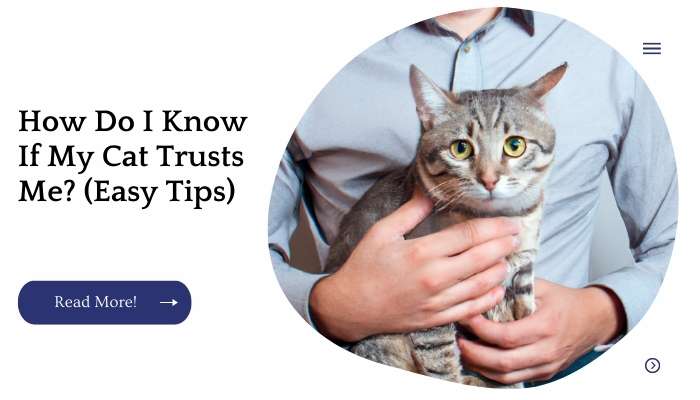
Source: unifiedpets.com
A cat’s behavior when you introduce them to new people or environments reveals their trust in you. A cat who trusts you will likely seek reassurance or protection from you in unfamiliar situations. They might stick close to your legs, rub against you, or even hide behind you.
A cat’s response to loud noises or sudden changes also indicates their reliance on you for safety. If your cat becomes anxious during a thunderstorm, they might seek refuge with you, burying their face in your lap or clinging to your side. This demonstrates their trust in your ability to protect them.
During a particularly violent thunderstorm, my cat, Leo, normally a fiercely independent creature, pressed himself against my legs, trembling. He stayed there, glued to my side, until the storm passed, seeking comfort and reassurance in my presence. It was a powerful reminder of the deep trust he has in me.
Building Trust: Practical Steps and Patience
Building trust with a cat requires patience, consistency, and respect for their boundaries. Start by allowing your cat to initiate interactions. Don’t force affection or try to pick them up when they are not in the mood. Instead, let them approach you on their own terms. Positive reinforcement, such as treats and praise, can strengthen the bond and build trust.
Reward your cat for positive behaviors, such as approaching you or allowing you to pet them. Routine and predictability are also crucial for creating a sense of security for a cat. Establish a consistent feeding schedule, playtime routine, and bedtime ritual. These predictable patterns can help your cat feel safe and secure in their environment.
Wrap-Up
Ultimately, knowing if your cat trusts you is about paying close attention and respecting their individual personality. It’s a gradual process built on consistency, patience, and understanding their unique communication style. By recognizing the subtle signs – the slow blinks, the relaxed posture, the willingness to share their space – you can cultivate a deeper, more meaningful relationship with your feline friend.
Building that trust isn’t just about making your cat happier; it’s about creating a sanctuary where they feel completely safe and loved.
So, take a moment to observe your cat today. What signals are they sending? With a little effort and a lot of love, you can unlock the secrets to a truly trusting bond.
FAQ Section
Why is trust so important for cats?
Trust allows cats to feel safe and secure, which is essential for their well-being. A trusting cat is more likely to be relaxed, playful, and affectionate.
Can a cat ever truly “love” a human?
While cats express affection differently than humans, they absolutely form strong bonds and attachments. Trust is a key component of that bond, and it’s often mistaken for love.
My cat hides a lot. Does that mean they don’t trust me?
Not necessarily! Cats are naturally inclined to hide. However, if hiding is accompanied by other signs of anxiety (e.g., dilated pupils, flattened ears), it could indicate a lack of trust or stress.
How long does it take to build trust with a new cat?
It varies greatly! Some cats are naturally more trusting, while others may take weeks or even months to fully trust a new person. Patience is key.
My cat bites or scratches when I try to touch them. What should I do?
Respect their boundaries! Don’t force interactions. Try offering treats or toys from a distance and gradually work your way closer.
What’s the difference between a head bunt and a head nudge?
A head bunt is a gentle, affectionate gesture where a cat rubs their head against you to deposit scent. A head nudge is often more playful and can be a bit more forceful.