There’s something undeniably captivating about a cat that breaks the mold – a feline friend with a truly unique appearance. Forget the fluffy Persians and sleek Siamese; we’re diving into the fascinating world of odd looking cats, exploring the genetics, history, and appeal of these wonderfully unconventional companions. From hairless wonders to those with curled ears and striking color variations, prepare to be amazed by the diversity within the feline kingdom and the stories behind their distinctive looks.
This journey will unpack what “odd looking” even
-means* when it comes to cats, tracing how beauty standards have shifted over time and how different cultures perceive feline aesthetics. We’ll delve into the specific breeds known for their unusual features, like the Sphynx, Cornish Rex, and American Curl, and uncover the genetic mechanisms that create these remarkable traits. But it’s not just about looks; we’ll also address the health considerations and care requirements specific to these special cats, and why so many people are drawn to their individuality.
![What is Feline Radial Hypoplasia? - [Vet Explains Pets]](https://miowcat.com/wp-content/uploads/2026/05/persian-cat-1-header2-220x150.jpg)
The Curious World of Odd-Looking Cats
We’re drawn to the familiar – the fluffy Persian, the sleek Siamese. But what about the cats that defy expectations, the ones that look… different? This article dives into the fascinating realm of “odd-looking” cats, exploring what that term even means, the breeds that embody it, the genetics behind their unique appearances, and why we find them so captivating. It’s a journey beyond the typical feline aesthetic, into a world of curls, folds, and surprising textures.
The perception of beauty in cats, like in any species, is subjective and constantly evolving. What was considered desirable a century ago might be viewed differently today. Historically, cats were valued primarily for their practical skills – pest control. Appearance was secondary. As cats transitioned from working animals to cherished companions, selective breeding began to shape their looks, but the definition of “ideal” remained fluid, influenced by cultural trends and individual preferences.
The rise of cat shows in the 19th century further solidified certain breed standards, but even within those standards, variations and “unconventional” features have always existed, sometimes celebrated, sometimes discouraged.
Defining “Odd Looking” in Feline Aesthetics
Source: dailyjugarr.com
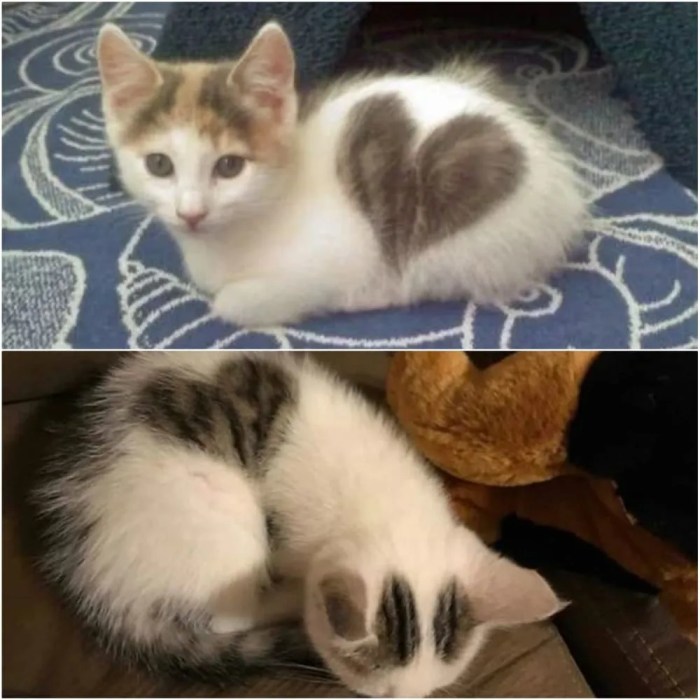
Defining “odd looking” is tricky. It’s more than just a single unusual trait; it’s a combination of factors that deviate from the commonly accepted feline norm. It can encompass physical anomalies, coat textures, facial structures, and even color patterns. It’s about a cat that makes you pause and say, “Wow, that’s… different!” The level of perceived oddity is often tied to how drastically a cat’s appearance diverges from the “typical” cat image – a fluffy, medium-haired feline with a rounded face and upright ears.
| Trait | Description | Common Breeds | Perceived Oddity Level (1-5) |
|---|---|---|---|
| Folded Ears | Ears that fold forward and downward, rather than standing upright. | American Curl | 4 |
| Curled Tail | A tail that curves dramatically, often in a tight spiral. | Manx (some variations) | 3 |
| Lack of Fur | Complete or partial absence of fur. | Sphynx | 5 |
| Curly Coat | A coat with tight, ringlet-like curls. | Cornish Rex, Devon Rex | 4 |
| Polydactyly | Having more than the usual number of toes. | Various breeds (often spontaneous) | 2 |
| Heterochromia | Eyes of different colors. | Various breeds (often spontaneous) | 3 |
Breeds Known for Unusual Appearances
Several breeds have become synonymous with unconventional feline aesthetics. Let’s explore some of the most notable.
The Sphynx Cat: The Hairless Wonder
The Sphynx cat is perhaps the most recognizable “odd-looking” breed. Their defining characteristic is the apparent lack of fur. While they aren’t entirely hairless, they possess a fine down that feels like peach fuzz. Their skin is wrinkled, particularly around the shoulders and hips, and often displays a suede-like texture. The Sphynx’s large ears, prominent cheekbones, and expressive eyes contribute to their unique, almost alien-like appearance.
Their lack of fur means they are highly sensitive to temperature and require careful environmental management.
Cornish Rex and Devon Rex: The Curly-Coated Companions
Both the Cornish Rex and Devon Rex are known for their strikingly curly coats. The Cornish Rex has tighter, more defined curls that resemble a poodle’s fur. They have a slender, almost fragile build with long legs and large ears. The Devon Rex, on the other hand, has looser, wavier curls, often described as “lamb-like.” They tend to have a more robust build than the Cornish Rex, with a slightly broader face and lower-set ears.
Both breeds are incredibly affectionate and energetic.
The American Curl: Ears That Tell a Story
The American Curl’s defining feature is, of course, its ears. These ears begin to curl backward at around 10 days old and continue to develop throughout the cat’s life. The degree of curl varies, with some cats having a gentle curve and others a dramatic, almost 180-degree fold. This unique trait is caused by a dominant gene that affects the cartilage in the ear.
The curl doesn’t typically cause health problems, but breeders must be vigilant to avoid over-exaggeration that could lead to ear canal issues.
The Lykoi: The “Werewolf” Cat
The Lykoi, often nicknamed the “werewolf cat,” possesses a truly striking appearance. This breed has sparse fur, with large patches of bare skin, particularly around the face, nose, and ears. Their fur is often patchy and wiry, giving them a somewhat ragged look. The Lykoi’s large eyes and prominent whiskers further enhance their distinctive, almost feral appearance. The Lykoi mutation is a naturally occurring genetic anomaly, not a deliberate breeding result.
Visual Comparison: Cornish Rex vs. Devon Rex Imagine two cats with curly coats. The Cornish Rex presents a picture of refined elegance, with tight, springy curls that hug the body closely. Its limbs are long and slender, contributing to a graceful silhouette. The Devon Rex, in contrast, exudes a more relaxed charm. Its curls are looser, softer, and often appear more voluminous.
The Devon Rex has a sturdier build, with a broader face and a slightly more rounded body shape. While both share the characteristic curly coat, their overall appearance and body structure differ noticeably.
Genetic Mutations and Their Impact on Appearance
The unusual appearances of these cats are often the result of specific genetic mutations. Understanding these mechanisms provides insight into the origins of these unique traits.
Common feline mutations affecting appearance are often caused by single gene changes. These mutations can be dominant or recessive, influencing how the trait is inherited. For example, the folded ears of the American Curl are caused by a dominant gene, meaning only one copy of the gene is needed for the trait to be expressed. Recessive mutations, on the other hand, require two copies of the gene for the trait to appear.
Chimera Cats: Two Genomes in One
Chimera cats are a fascinating phenomenon where an individual cat possesses two distinct genetic makeups. This occurs when two separate embryos fuse together during early development, resulting in a single cat with cells originating from different zygotes. Chimera cats can exhibit patchwork patterns of different colors or markings, reflecting their dual genetic heritage.
Heterochromia: A Kaleidoscope of Eyes
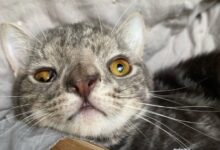
Heterochromia, the condition of having eyes of different colors, is relatively common in cats. It can be caused by a variety of factors, including genetics, injury, or disease. The most common type is sectoral heterochromia, where a portion of the iris is a different color than the rest. The genetic basis of heterochromia is complex and not fully understood, but it’s often linked to genes involved in melanin production.
Polydactyly: Extra Toes, Extra Charm
Polydactyly, or having extra toes, is another relatively common genetic variation in cats. It’s caused by a dominant gene that affects limb development. The number of extra toes can vary, and the condition can affect one or all four paws. While polydactyly doesn’t typically cause health problems, it can sometimes lead to clawing issues.
Inheritance of Folded Ears: Imagine a flowchart. At the top, we have two parents, one with folded ears (FF – homozygous dominant) and one without (ff – homozygous recessive). All offspring (Ff – heterozygous) will have folded ears because the dominant “F” allele masks the recessive “f” allele. If two Ff cats breed, there’s a 25% chance of offspring being FF (folded ears), a 50% chance of being Ff (folded ears), and a 25% chance of being ff (straight ears).
Health Considerations for Unconventionally-Appearing Cats
While their unique appearances are captivating, “odd-looking” cats can be predisposed to certain health issues. Responsible breeders prioritize health and temperament alongside appearance.
The Sphynx cat’s lack of fur makes them highly susceptible to temperature extremes and sunburn. They require warm environments and protection from direct sunlight. Cats with extreme ear folds, like the American Curl, may experience skeletal or joint problems due to the altered ear structure. Regular veterinary checkups are crucial for all cats with unusual appearances to monitor for potential health concerns.
Responsible breeding practices are essential to minimize the risk of genetic health problems. This includes careful selection of breeding pairs, genetic testing, and avoiding breeding cats with known health issues. Ethical breeders prioritize the health and well-being of their cats above all else.
- Sphynx: Sunscreen application, warm clothing in cold weather, regular bathing to remove oil buildup.
- American Curl: Regular ear cleaning to prevent infections, monitoring for signs of joint pain.
- Cornish Rex/Devon Rex: Regular grooming to prevent matting, monitoring for skin sensitivities.
- Lykoi: Protection from sun exposure, moisturizing to prevent dry skin.
The Appeal of “Odd Looking” Cats: Why People are Drawn to Them
Why are we drawn to cats that look different? The answer lies in a complex interplay of psychological factors.
Novelty plays a significant role. We are naturally drawn to things that are unique and unusual. “Odd-looking” cats challenge our preconceived notions of feline beauty, offering a refreshing departure from the traditional ideal. Their distinctive appearances can evoke feelings of curiosity, amusement, and even affection. The perceived “imperfections” can make them seem more endearing and relatable.
Anecdotally, many owners of “odd-looking” cats describe a deep connection with their pets. Sarah, a Lykoi owner, says, “My cat, Shadow, looks like he walked straight out of a fantasy novel. His unique appearance just makes him even more special to me. He’s not just a pet; he’s a conversation starter and a constant source of joy.” Mark, a Sphynx owner, adds, “People often stare, but I find his wrinkled skin and expressive eyes incredibly charming.
He’s a truly one-of-a-kind companion.”
“I’ve always been drawn to the unconventional. When I saw a picture of a Cornish Rex with its incredibly curly fur, I knew I had to have one. It wasn’t about finding a ‘cute’ cat; it was about finding a cat that was different, a cat that challenged the norm. My Rex, Pip, is a constant reminder that beauty comes in all shapes and sizes.” – Eleanor Vance, Cornish Rex Owner
Caring for Cats with Specific Unusual Traits
Caring for “odd-looking” cats often requires specific considerations tailored to their unique physical characteristics.
Protecting a Sphynx cat from temperature extremes is paramount. Provide warm bedding, sweaters, and access to heated areas during cold weather. Cats with curly coats (Cornish Rex and Devon Rex) require regular grooming to prevent matting and tangles. Brushing several times a week is typically recommended. Cats with folded ears need regular ear cleaning to prevent infections, as the folds can trap moisture and debris.
Certain genetic conditions may necessitate specific dietary adjustments to support overall health.
| Trait | Care Requirement | Frequency |
|---|---|---|
| Folded Ears | Ear Cleaning | Weekly |
| Sphynx | Moisturizing | Daily |
| Curly Coat (Rex breeds) | Grooming/Brushing | 2-3 times per week |
| Lykoi | Sun Protection | Whenever outdoors |
Documenting and Sharing “Odd Looking” Cats
The rise of social media has created vibrant communities dedicated to showcasing cats with unusual appearances. Platforms like Instagram and Facebook are filled with photos and videos of these unique felines.
Ethical considerations are crucial when sharing images and information about these cats online. Respect the privacy of owners and avoid sensationalizing their pets’ appearances. Responsible breeders can leverage social media to educate the public about their breeds, dispel misconceptions, and promote responsible breeding practices.
Creating engaging and informative content about “odd-looking” cats involves highlighting their individual personalities and quirks. Share stories, videos, and photos that showcase their unique charm. Focus on educating viewers about the genetics and care requirements associated with these breeds.
Best practices for photographing cats with unique features include using natural lighting, capturing their expressions, and showcasing their distinctive physical traits. Focus on highlighting their individuality and celebrating their differences.
The Future of Feline Appearance: Selective Breeding and Genetic Engineering
Selective breeding will undoubtedly continue to shape the prevalence of unusual feline traits. As breeders prioritize specific appearances, we can expect to see even more variations in coat textures, ear shapes, and other physical characteristics.
Genetic engineering in cats remains a highly controversial topic. While the potential to correct genetic defects and enhance desirable traits is intriguing, the ethical implications are significant. Current feline genetic research focuses on understanding the genetic basis of various traits and developing diagnostic tools for identifying genetic predispositions to disease.
Future developments in the breeding and appearance of cats could include the creation of entirely new breeds with unprecedented physical characteristics. However, such advancements would need to be carefully considered in light of ethical concerns and potential health risks.
- Potential Benefits of Genetic Engineering: Correcting genetic defects, enhancing disease resistance, creating hypoallergenic cats.
- Potential Risks of Genetic Engineering: Unintended consequences, ethical concerns about manipulating animal genetics, potential for creating unhealthy or unstable breeds.
Final Review
Ultimately, the rise in popularity of odd looking cats reflects a broader shift in our appreciation for diversity and uniqueness. These cats challenge traditional notions of feline beauty, reminding us that charm and personality can shine through any appearance. Whether it’s the playful curiosity of a Lykoi or the velvety skin of a Sphynx, these cats offer a special kind of connection, proving that sometimes, the most extraordinary beauty lies in what makes us different.
So, let’s continue to celebrate these remarkable creatures and ensure their well-being through responsible breeding and informed care.
Question & Answer Hub
Why are some cats hairless?
Hairlessness in cats, like in the Sphynx, is primarily due to a recessive gene mutation that affects hair growth. While they appear hairless, they actually have a very fine, downy fuzz.
What causes heterochromia in cats?
Heterochromia, or different colored eyes, is usually caused by a genetic mutation affecting melanin production. It’s often linked to breeds like Turkish Vans and Turkish Angoras, but can occur in any cat.
Are cats with folded ears always healthy?
While adorable, folded ears (like in American Curls) can sometimes lead to ear infections due to reduced airflow. Regular cleaning and veterinary checkups are crucial.
What’s a chimera cat?
A chimera cat has two distinct genetic makeups within the same body, often resulting from the merging of two embryos during development. They can exhibit unusual markings or even different colored eyes.
Do odd looking cats need special diets?
Some breeds, like Sphynx cats, may require higher calorie intake due to their lack of fur and increased heat loss. Always consult with a veterinarian to determine the best diet for your cat’s specific needs.
How can I protect a Sphynx cat from the cold?
Sphynx cats are sensitive to temperature changes. Provide them with sweaters, blankets, and warm, draft-free environments. Avoid prolonged exposure to cold temperatures.

