Orange female tabby cats are captivating creatures, blending striking coloration with the classic tabby markings. They’re more than just pretty faces; their genetics, behavior, and even their place in popular culture make them truly fascinating. This guide dives deep into everything you need to know about these delightful felines, from their unique coat patterns to their individual personalities and how to best care for them.
We’ll explore the science behind their vibrant orange hues, the different tabby patterns you might encounter, and the subtle differences in temperament between male and female orange tabbies. Plus, we’ll cover essential health considerations, grooming tips, and how to create a purrfectly enriching environment for your orange female tabby companion.




The Allure of the Orange Female Tabby Cat
Orange tabby cats are undeniably charming. Their warm, sunny coats and often-playful personalities make them beloved companions worldwide. But there’s more to these felines than meets the eye. This article dives deep into the world of the orange female tabby, exploring everything from their genetics and appearance to their temperament, health, and cultural significance. We’ll unravel the mysteries behind their unique coloring and offer practical advice for caring for these captivating creatures.
Defining the Orange Female Tabby Cat
Understanding what makes an orange female tabby cat special starts with a look at the genetics behind their distinctive appearance. It’s a fascinating interplay of genes that results in their vibrant coats and characteristic patterns.
- Genetic Factors of Orange Coat Color: The orange color itself is linked to the “O” gene, which exists in two forms: “O” (orange) and “o” (non-orange, typically black or brown). This gene resides on the X chromosome.
- Orange Tabby vs. Ginger Cats: While often used interchangeably, “orange tabby” and “ginger” aren’t quite the same. “Orange tabby” refers to a cat with orange fur
-and* a tabby pattern (more on those patterns below). “Ginger” simply describes an orange-colored cat, regardless of whether it has a tabby pattern. Some orange cats are solid orange, lacking any tabby markings. - X-Linked Inheritance and Gender Prevalence: This is where it gets interesting. Because the “O” gene is on the X chromosome, males (XY) only need one “O” gene to be orange. Females (XX) need two “O” genes to be orange. Since females need two copies, orange females are significantly rarer – roughly 20-30% of orange cats are female, while 80-90% are male.
- Tabby Patterns: The tabby pattern is controlled by a separate gene. Several distinct patterns exist:
- Classic Tabby: Characterized by swirling, marbled patterns.
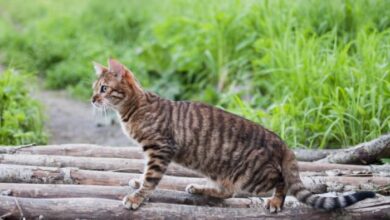
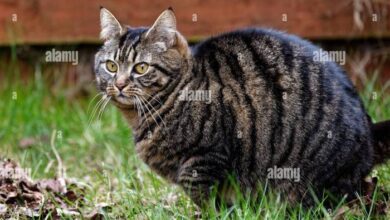
- Mackerel Tabby: Features narrow, parallel stripes resembling a fish skeleton.
- Ticked Tabby: Shows a “agouti” effect, where each hair has bands of different colors, creating a salt-and-pepper appearance. Stripes are faint or absent.
- Spotted Tabby: Displays distinct spots rather than stripes.
Physical Characteristics & Appearance
Orange female tabby cats come in a variety of sizes and shapes, but there are some general characteristics that define them. Their appearance is a delightful combination of color, pattern, and physical build.
- Size and Weight: Most orange female tabby cats fall within the average weight range for domestic cats, typically between 8 and 12 pounds. Size can vary depending on breed and individual genetics.
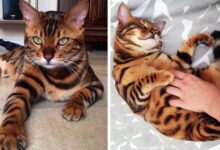
- Eye Colors: Green, gold, and copper are the most common eye colors found in orange female tabby cats. The intensity of the eye color can sometimes correlate with the depth of the orange coat – richer orange coats often have more vibrant eye colors.
- The “Perfect” Orange Female Tabby: While beauty is in the eye of the beholder, a truly striking orange female tabby often boasts a plush, dense coat with well-defined tabby markings. A medium build, neither too slender nor too stocky, is generally considered desirable. Facial features are often characterized by a sweet, slightly rounded face with expressive eyes and prominent whiskers.
| Pattern | Coat Length | Body Build | Facial Markings |
|---|---|---|---|
| Classic | Short to Medium | Medium to Muscular | Bold swirls and patterns on the sides |
| Mackerel | Short to Medium | Lean and Athletic | Narrow, vertical stripes |
| Ticked | Medium to Long | Slender and Graceful | Subtle banding on individual hairs, faint markings |
| Spotted | Short to Long | Variable | Distinct spots of varying sizes |
Temperament and Behavior
Orange tabby cats are often described as having a certain “personality” – a reputation for being affectionate, playful, and sometimes a little bit goofy. But how does the female aspect influence their behavior?
- General Personality Traits: Orange tabbies, in general, are known for being outgoing and friendly. They tend to be more vocal than some other breeds and enjoy interacting with their humans.
- Female vs. Male Temperament: While generalizations can be misleading, female orange tabbies are often reported to be slightly more independent and reserved than their male counterparts. They may be equally affectionate but express it in a more subtle way.
- Common Behaviors: Playfulness is a hallmark of orange female tabby cats. They enjoy chasing toys, batting at dangling objects, and engaging in interactive games. Affection is also common, though it may manifest as gentle head-butts, purring, and curling up nearby. A healthy dose of independence is also typical – they appreciate having their own space and time to themselves.
- Potential Behavioral Challenges & Solutions:
- Excessive Vocalization: Ensure the cat’s needs are being met (food, water, playtime, attention). Rule out any underlying medical issues.
- Scratching Furniture: Provide appropriate scratching posts and redirect scratching behavior.
- Aggression Towards Other Pets: Gradual introductions and positive reinforcement can help.
- Destructive Behavior: Provide plenty of enrichment and interactive toys.
Health Considerations
Like all cats, orange female tabbies are susceptible to certain health issues. Being aware of these potential problems and taking preventative measures is crucial for ensuring a long and healthy life.
- Common Tabby Cat Health Issues: General health concerns for tabby cats include feline lower urinary tract disease (FLUTD), hyperthyroidism, and kidney disease.
- Specific Concerns for Orange Cats: Some studies suggest a possible link between orange coat color and an increased risk of certain cancers, although more research is needed.
- Preventative Care: Regular veterinary checkups are essential. Vaccination schedules should be followed according to your veterinarian’s recommendations. Parasite control (fleas, ticks, worms) is also vital. A high-quality diet and plenty of exercise contribute to overall health.
| Condition | Symptoms | Diagnosis | Treatment |
|---|---|---|---|
| FLUTD | Straining to urinate, blood in urine, frequent trips to the litter box | Urinalysis, physical exam | Dietary changes, medication, stress reduction |
| Hyperthyroidism | Weight loss, increased appetite, hyperactivity, vomiting | Blood test (T4 level) | Medication, surgery, radioactive iodine therapy |
| Kidney Disease | Increased thirst and urination, weight loss, lethargy | Blood test (BUN, creatinine), urinalysis | Dietary changes, medication, fluid therapy |
Caring for an Orange Female Tabby Cat
Providing the right care for your orange female tabby cat involves more than just food and water. It’s about creating a stimulating and enriching environment that caters to her specific needs.
- Ideal Diet: Kittens require a diet high in protein and calories to support growth. Adult cats need a balanced diet to maintain their weight and energy levels. Senior cats may benefit from a diet formulated for older cats, with added nutrients to support joint health and cognitive function.
- Grooming: Regular brushing (at least a few times a week) helps prevent mats and hairballs. Nail trimming is also important.
- Environmental Enrichment: Provide plenty of toys, scratching posts, and climbing opportunities. Rotate toys regularly to keep things interesting. Interactive playtime is crucial for bonding and mental stimulation.
- Cat-Friendly Home Checklist:
- Safe and secure windows
- Scratching posts in multiple locations
- Quiet spaces for relaxation
- Interactive toys
- Clean litter box
- Elevated perches
Orange Female Tabby Cats in Popular Culture
Orange tabby cats have a long history of appearing in popular culture, often portrayed as having distinct personalities. Their presence in movies, books, and television shows has helped solidify their reputation as lovable and quirky companions.
- Examples in Media: Garfield (comic strip), Crookshanks (Harry Potter series), Hobbes (Calvin and Hobbes comic strip).
- Symbolism and Cultural Significance: In some cultures, orange cats are associated with good luck and prosperity.
- Perceived Personalities: Orange tabby cats are often depicted as being lazy, gluttonous, and mischievous, but also affectionate and loyal.
“Clementine, a ginger tabby with eyes like melted amber, ruled the sun-drenched windowsill. She wasn’t a lap cat, not really, but she’d tolerate a brief head scratch before returning to her vigil, observing the world with a quiet dignity that belied her playful batting at dust motes dancing in the light.”
Finding an Orange Female Tabby Cat
Source: a-z-animals.com
Bringing an orange female tabby cat into your life is a rewarding experience. Whether you choose to adopt from a shelter or purchase from a breeder, careful consideration is essential.
- Adoption: Shelters and rescue organizations are full of wonderful cats looking for loving homes. Adoption fees are typically lower than purchasing from a breeder.
- Purchasing from a Breeder: If you’re looking for a specific lineage or have particular health concerns, purchasing from a reputable breeder may be an option.
- Identifying a Reputable Breeder: Look for breeders who prioritize health testing, provide a clean and stimulating environment for their cats, and are knowledgeable about the breed.
- Resources:
- Petfinder:
- ASPCA:
- The Cat Fanciers’ Association:
Illustrative Descriptions
Let’s paint some pictures with words, capturing the essence of an orange female tabby cat in various moments.
A sunbeam spills across the living room floor, and nestled within its warmth lies a female orange tabby. Her fur glows with a fiery intensity, each stripe and swirl highlighted by the golden light. Her body is relaxed, a gentle curve of contentment, her paws tucked neatly beneath her chest. A slow, rhythmic rise and fall of her flank reveals the peacefulness of her slumber.
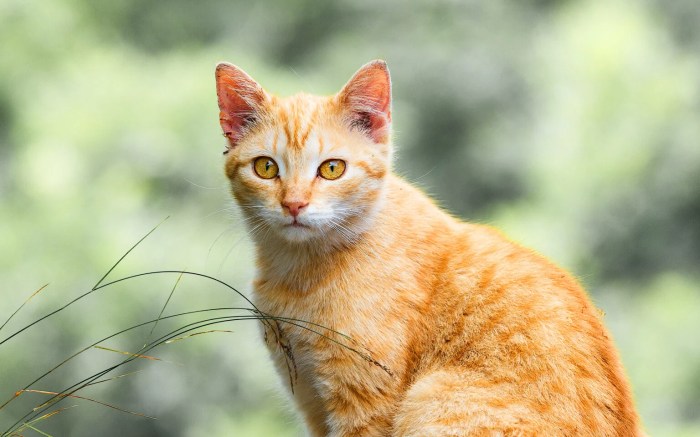
Her portrait is striking. Emerald green eyes, pools of vibrant intensity, gaze directly forward. The subtle nuances of her facial expression – a slight twitch of her whiskers, a gentle curve of her mouth – convey a quiet intelligence and a hint of playful mischief. The orange fur around her eyes is a deeper shade, creating a captivating contrast.
A feathered toy dances tantalizingly in the air, and she explodes into action. A blur of orange fur and agile movements, she leaps and bats with focused energy. Her paws move with lightning speed, her tail twitching with excitement as she stalks and pounces with playful determination.
Curled up on a plush, cream-colored blanket, she exudes warmth and comfort. The soft fabric molds to her body, creating a cozy haven. Her eyes are closed, her breathing slow and even, a picture of feline serenity.
Closing Notes
From their sunny coats and playful antics to their surprising genetic quirks, orange female tabby cats offer a unique and rewarding companionship. Understanding their needs, appreciating their individual personalities, and providing them with a loving home will ensure a long and happy life together. Whether you’re a seasoned cat owner or considering welcoming one into your family, this guide provides a comprehensive look at the wonderful world of the orange female tabby cat.
So, settle in, grab a cup of tea, and let’s celebrate the beauty and charm of these extraordinary felines!
FAQ Overview
Why are orange cats often associated with being male?
The orange color is linked to the X chromosome. Females need two copies of the orange gene (one on each X chromosome) to be orange, while males only need one (as they have one X and one Y chromosome). This makes orange males more common.
What’s the difference between a ginger cat and an orange tabby?
They’re often used interchangeably! “Ginger” typically refers to a solid orange color, while “orange tabby” describes an orange cat with tabby markings. Essentially, all ginger cats are orange tabbies, but not all orange tabbies are ginger.
Are orange tabby cats generally more affectionate?
While individual personalities vary, orange tabbies are often described as being friendly, outgoing, and affectionate. However, this isn’t a guarantee – every cat is unique!
What are some common health problems to watch out for in tabby cats?
Like all cats, tabbies can be prone to issues like kidney disease, hyperthyroidism, and dental problems. Regular vet checkups are crucial for early detection and prevention.
How often should I groom my orange female tabby?
It depends on their coat length! Short-haired orange tabbies benefit from weekly brushing, while long-haired varieties need more frequent grooming (2-3 times a week) to prevent mats and tangles.
What kind of toys do orange tabby cats enjoy?
They’re typically energetic and playful, so toys that encourage hunting and chasing are great! Think feather wands, laser pointers (use responsibly!), and interactive puzzle toys.