Ever notice your cat inhaling their food in a flash? It’s a common sight, but that speedy eating can lead to some serious health issues like vomiting, bloating, and even aspiration pneumonia. Thankfully, slow cat feeders are gaining popularity as a simple yet effective solution. These clever devices encourage a slower, more deliberate eating pace, leading to better digestion and overall well-being for our feline friends.
Let’s dive into everything you need to know about slow feeders, from the different types to how to choose the perfect one for your kitty!
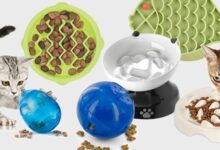
The concept isn’t brand new; people have been experimenting with ways to slow down pets’ eating for years. However, the modern slow feeder has evolved significantly, with innovative designs and materials aimed at engaging cats while promoting healthier eating habits. We’ll explore the history, benefits, and practical considerations of incorporating a slow feeder into your cat’s routine.
Understanding Slow Cat Feeders: A Guide to Healthier Eating
We all want the best for our feline friends, and that includes ensuring they’re healthy and happy. One often-overlooked aspect of cat care is how they eat. Many cats gobble down their food in a flash, a behavior that can lead to a surprising number of health problems. This article dives into the world of slow cat feeders, exploring why they’re beneficial, what types are available, and how to choose the right one for your cat.
Let’s explore how a simple change in feeding habits can significantly improve your cat’s well-being.
Rapid eating, or bolting, is a common issue in cats. It’s often driven by instinct – a leftover from their wild ancestors who had to hunt and eat quickly before their prey escaped. However, in a domestic setting with readily available food, this behavior can be detrimental. The immediate consequences include vomiting and bloating, as the cat’s stomach is overwhelmed.
Over time, rapid eating can contribute to obesity, as cats don’t feel full as quickly. A particularly serious risk is aspiration pneumonia, where food particles are inhaled into the lungs. Slow feeders are designed to address these issues by extending mealtime and encouraging a more natural, deliberate eating pace, ultimately improving feline digestion and overall health.
The concept of slow feeding isn’t entirely new. Early versions of puzzle feeders started appearing in the late 1990s and early 2000s, initially aimed at dogs. However, as pet owners became more aware of the health risks associated with rapid eating, the demand for slow feeders specifically designed for cats has steadily increased. Today, you’ll find a wide variety of options available, reflecting the growing recognition of the importance of mindful eating for our feline companions.
| Typical | Slow Feeder |
|---|---|
| Eating Speed: Very fast (often under 5 minutes) | Eating Speed: Significantly slower (15-30 minutes or longer) |
| Food Digestion: Less efficient, potential for incomplete digestion | Food Digestion: More efficient, improved nutrient absorption |
| Potential Health Issues: Vomiting, bloating, obesity, aspiration pneumonia | Potential Health Issues: Reduced risk of vomiting, bloating, and obesity |
| Overall Well-being: May experience anxiety or boredom if food is readily available | Overall Well-being: Increased mental stimulation, reduced boredom, improved satiety |
Types of Slow Cat Feeders
The market for slow cat feeders is surprisingly diverse, with designs catering to different cat personalities and preferences. Understanding the various types available is the first step in finding the perfect fit for your feline friend. Let’s explore some of the most common options.
Puzzle Feeders
Puzzle feeders are arguably the most popular type of slow feeder. They require cats to manipulate the feeder to access the food, providing mental stimulation alongside a slower eating pace. These come in various forms, from simple rolling toys to complex multi-step puzzles. The level of difficulty can range from beginner-friendly to quite challenging, making them suitable for cats of all ages and skill levels.
Maze Feeders
Maze feeders feature a series of obstacles and pathways that cats must navigate to reach the food. These feeders often have raised ridges or tunnels that slow down the eating process and encourage cats to use their paws and noses to maneuver the food. They’re a good option for cats who enjoy exploring and problem-solving.
Bowl Inserts
Bowl inserts are designed to be placed inside a cat’s existing food bowl. They typically feature raised patterns or bumps that disrupt the cat’s eating behavior and prevent them from gulping down their food. These are a simple and affordable option for cats who are just starting to transition to slow feeding.
Weighted Feeders
Weighted feeders are designed to be stable and difficult to tip over, preventing cats from knocking the feeder around while they eat. They often have a wider base and a heavier construction. This is particularly useful for cats who tend to be aggressive eaters or who enjoy pushing their food around the bowl.
Materials: Plastic, Stainless Steel, and Ceramic
The material of a slow feeder is another important consideration. Each material has its own set of pros and cons.
- Plastic: Plastic feeders are generally the most affordable option. However, they can be prone to scratches, which can harbor bacteria. Some plastics may also contain BPA, a chemical that can be harmful to cats. Look for BPA-free plastic options.
- Stainless Steel: Stainless steel feeders are durable, hygienic, and easy to clean. They are also resistant to scratches and odors. However, they can be more expensive than plastic feeders and may be slippery for some cats.
- Ceramic: Ceramic feeders are aesthetically pleasing and can be very durable. They are also non-porous, meaning they don’t absorb odors or bacteria. However, they can be heavy and prone to chipping or breaking if dropped.
Decision-Making Flowchart
Choosing the right slow feeder can feel overwhelming. Here’s a flowchart to guide you:
- Is your cat a kitten or senior? If kitten, start with an “Easy” difficulty. If senior, consider a bowl insert or a feeder with large openings.
- What is your cat’s breed and activity level? Active breeds (e.g., Bengals, Abyssinians) may benefit from more challenging puzzle feeders. Lazy breeds (e.g., Persians, Ragdolls) may prefer simpler options.
- How fast does your cat eat? Very fast eaters need “Hard” difficulty feeders. Moderate eaters can use “Medium” difficulty.
- Does your cat enjoy problem-solving? If yes, choose a puzzle feeder. If not, a maze feeder or bowl insert might be better.
- Consider material preferences: Stainless steel for hygiene, ceramic for aesthetics, plastic for affordability.
Innovative Designs
Beyond the standard options, some slow feeders incorporate interactive elements. For example, some feeders have hidden compartments where cats can discover food, mimicking the natural foraging behavior of wild cats. Others feature rolling elements or spinning components that require cats to use their paws and problem-solving skills to access the food.
Benefits of Using a Slow Cat Feeder
The advantages of slow feeding extend far beyond simply slowing down mealtime. It’s a holistic approach to feline health and well-being. Let’s explore the key benefits in detail.
Weight Management
One of the most significant benefits of slow feeders is their ability to aid in weight management. By extending mealtime and requiring cats to work for their food, slow feeders naturally reduce food intake. The slower eating pace also promotes a feeling of fullness, preventing cats from overeating. This can be particularly helpful for overweight or obese cats.
Digestive Health
Rapid eating often leads to indigestion, vomiting, and diarrhea. Slow feeders help improve digestive health by allowing cats to chew their food more thoroughly and swallow it in smaller portions. This reduces the risk of vomiting and improves nutrient absorption, leading to better overall health.
Mental Stimulation
Puzzle feeders provide valuable mental stimulation for cats, combating boredom and preventing behavioral issues. The act of solving puzzles and working for their food engages their natural hunting instincts and keeps them entertained. This can be especially beneficial for indoor cats who may lack opportunities for enrichment.
Behavioral Improvements
Cats using slow feeders often exhibit a range of positive behavioral changes:
- Reduced anxiety: The slower pace and mental stimulation can help calm anxious cats.
- Decreased aggression: Slow feeders can reduce competition for food among multiple cats.
- Increased playfulness: The puzzle-solving aspect can encourage more active play.
- Improved focus: The challenge of the feeder can help cats concentrate and engage their minds.
- Reduced boredom: Providing a stimulating activity can alleviate boredom and prevent destructive behaviors.
Choosing the Right Slow Feeder for Your Cat
Selecting the ideal slow feeder requires careful consideration of your cat’s individual needs and personality. A one-size-fits-all approach simply won’t work.
Factors to Consider
Key factors to consider include your cat’s age, size, eating speed, and personality. Kittens and senior cats may require simpler feeders, while active cats may enjoy more challenging puzzles. Overweight cats benefit from feeders that promote portion control, while anxious cats may need feeders that provide a sense of security.
Assessing Eating Habits
Observe your cat’s current eating habits. How quickly do they eat? Do they gulp down their food or chew it slowly? Do they seem bored or anxious while eating? This information will help you determine the appropriate level of challenge for a slow feeder.
A cat who devours their food in under a minute needs a “Hard” difficulty feeder, while a cat who takes their time may only need a “Medium” or “Easy” option.
Gradual Introduction
Introducing a slow feeder gradually is crucial to avoid frustration and rejection. Start by placing the feeder next to your cat’s regular bowl and sprinkling some of their food inside. Gradually increase the amount of food in the feeder over several days, while decreasing the amount in the regular bowl. This allows your cat to adjust to the new feeding method without feeling overwhelmed.
| Feeder Type | Difficulty Level | Suitable Cat Personality |
|---|---|---|
| Bowl Insert | Easy | Lazy Lounger, Anxious Eater |
| Simple Maze Feeder | Medium | Moderate Eater, Curious Explorer |
| Complex Puzzle Feeder | Hard | Active Hunter, Problem Solver |
| Weighted Feeder | Easy/Medium | Aggressive Eater, Multi-Cat Household |
Materials and Construction Quality
The materials used in a slow feeder directly impact its durability, hygiene, and your cat’s health. Choosing a high-quality feeder is an investment in your cat’s well-being.
Food-Grade Materials
It’s essential to choose a slow feeder made from food-grade materials that are safe for your cat to ingest. Avoid feeders made from materials that contain harmful chemicals like BPA or phthalates. Look for feeders that are labeled as BPA-free and made from non-toxic materials.
Durability and Longevity
Stainless steel and ceramic feeders are generally the most durable options, while plastic feeders are more prone to scratches and breakage. Consider your cat’s chewing habits when choosing a material. If your cat is a heavy chewer, a stainless steel or ceramic feeder may be a better choice.
Easy Cleaning
Regular cleaning is crucial to prevent bacterial growth and maintain hygiene. Choose a slow feeder that is easy to disassemble and clean. Dishwasher-safe options are particularly convenient.
“Using low-quality plastics in pet products can expose your cat to harmful chemicals that can leach into their food and water. These chemicals can cause a range of health problems, from skin irritation to more serious conditions. Investing in a feeder made from food-grade, BPA-free materials is a small price to pay for your cat’s health and safety.”
Design Features and Functionality
The design of a slow feeder plays a crucial role in its effectiveness and your cat’s enjoyment. Consider these key features when making your selection.
Non-Slip Base
A non-slip base is essential to prevent tipping and spills, especially for cats who are enthusiastic eaters. Look for feeders with rubber feet or a textured base that provides stability.
Food Accessibility
The design should allow cats to access the food without excessive frustration. While the feeder should present a challenge, it shouldn’t be so difficult that your cat gives up entirely. Observe your cat’s behavior and adjust the difficulty level as needed.
Multiple Compartments and Hiding Spots
Feeders with multiple compartments or hiding spots can provide additional mental stimulation and encourage natural foraging behavior. These features can also help prevent cats from gulping down their food too quickly.
Visual Representation of an Ideal Slow Feeder
Imagine a slow feeder with a wide, stable base made of stainless steel. The bowl itself is slightly angled to prevent food from accumulating in corners. Inside, there are varied obstacles: a series of raised ridges of different heights, a few strategically placed tunnels, and a couple of small, covered compartments where food can be hidden. The ridges are spaced far enough apart to prevent the cat from simply scooping up the food, but close enough to slow down their eating pace.
The covered compartments require the cat to use their paws to uncover the food, engaging their problem-solving skills. The entire feeder is dishwasher-safe for easy cleaning.
Cleaning and Maintenance
Maintaining a clean slow feeder is essential for your cat’s health and well-being. Regular cleaning prevents bacterial growth and ensures that your cat is eating from a hygienic surface.
Step-by-Step Cleaning Instructions
- Puzzle Feeders: Disassemble the feeder completely and wash all parts with warm, soapy water. Use a brush to remove any stubborn food residue.
- Maze Feeders: Rinse the feeder thoroughly with warm water. Use a sponge or cloth to scrub away any food particles.
- Bowl Inserts: Wash the insert with warm, soapy water and rinse thoroughly.
- Weighted Feeders: Disassemble the feeder (if possible) and wash all parts with warm, soapy water.
Importance of Regular Cleaning
Bacteria and mold can thrive in slow feeders, especially if they are not cleaned regularly. Regular cleaning helps prevent these harmful microorganisms from contaminating your cat’s food.
Tips for Removing Stubborn Food Residue
Soak the feeder in warm, soapy water for several minutes to loosen stubborn food residue. Use a brush or sponge to scrub away any remaining particles. For particularly stubborn residue, try using a mixture of baking soda and water.
| Material | Frequency | Cleaning Method |
|---|---|---|
| Plastic | Daily | Warm, soapy water; dishwasher-safe (check manufacturer’s instructions) |
| Stainless Steel | Weekly | Warm, soapy water; scrub with a non-abrasive sponge; dishwasher-safe |
| Ceramic | Weekly | Warm, soapy water; scrub with a non-abrasive sponge; dishwasher-safe |
Troubleshooting Common Issues
Even with the best slow feeder, you may encounter some challenges. Let’s address some common issues and how to resolve them.
Cat Avoiding the Feeder
If your cat is avoiding the feeder, it may be too difficult or frustrating. Try reducing the difficulty level or switching to a simpler design. You can also try adding a small amount of wet food to entice your cat to eat.
Cat Getting Stuck
If your cat is getting stuck in the feeder, it may be too small or have narrow openings. Choose a feeder with larger openings and ensure that your cat can easily maneuver around the obstacles.
Feeder Being Too Difficult
If the feeder is too difficult, your cat may become frustrated and give up. Simplify the design or provide more guidance and encouragement. Break down the puzzle into smaller steps and reward your cat for their efforts.
Monitoring Progress and Adjusting
Observe your cat’s behavior closely and adjust the feeder accordingly. If your cat is still eating too quickly, increase the difficulty level. If your cat is struggling, reduce the difficulty level. The goal is to find a balance that challenges your cat without causing frustration.
Common Behaviors Indicating Frustration
- Excessive pawing or scratching at the feeder
- Giving up and walking away from the feeder
- Showing signs of anxiety or stress while eating
- Refusing to eat from the feeder altogether
If you notice any of these behaviors, try simplifying the feeder or providing more encouragement.
Advanced Slow Feeding Techniques
Once your cat is comfortable with a basic slow feeder, you can explore more advanced techniques to further enhance their enrichment and health.
Combining with Enrichment Activities
Combine slow feeders with other enrichment activities, such as foraging toys, puzzle mats, and hiding food around the house. This creates a more stimulating and engaging feeding experience.
Slow Feeders for Medical Conditions
Slow feeders can be particularly beneficial for cats with specific medical conditions, such as megaesophagus, a condition that makes it difficult for cats to swallow. Slow feeders help prevent aspiration and reduce the risk of complications.
DIY Slow Feeders
Get creative and make your own slow feeders using household items. This is a fun and affordable way to provide your cat with additional enrichment.
DIY Puzzle Feeder Guide
- Gather Materials: You’ll need a cardboard box, several toilet paper rolls, scissors, and tape.
- Cut Holes: Cut several holes in the cardboard box, large enough for your cat to reach their food.
- Insert Rolls: Insert the toilet paper rolls into the holes, creating obstacles that your cat must navigate to reach the food.
- Secure Rolls: Secure the toilet paper rolls in place with tape.
- Add Food: Place your cat’s food inside the box and let them explore!
Cost and Value
Investing in a slow cat feeder is an investment in your cat’s long-term health and well-being. While the initial cost may seem significant, the potential savings and benefits far outweigh the expense.
Comparing Prices
Slow feeders range in price from around $10 for a simple bowl insert to $50 or more for a complex puzzle feeder. Consider the features, quality, and durability when comparing prices.
Long-Term Value

Source: etsystatic.com
A slow feeder can help prevent costly health problems associated with rapid eating, such as vomiting, obesity, and aspiration pneumonia. This can lead to significant savings on vet bills over time.
Potential Cost Savings
Weight management alone can save you money on food costs and reduce the risk of obesity-related health problems. Reduced vomiting can also save you money on cleaning supplies and vet visits.
| Brand | Price Range | Key Features |
|---|---|---|
| Doc & Phoebe’s | $20 – $40 | Variety of puzzle feeders, durable construction, dishwasher-safe |
| Nina Ottosson by Outward Hound | $25 – $60 | Complex puzzle feeders, interactive elements, multiple difficulty levels |
| Petstages | $10 – $25 | Affordable options, simple designs, easy to clean |
Outcome Summary
Ultimately, investing in a slow cat feeder is an investment in your cat’s long-term health and happiness. By slowing down their eating, you can help prevent common digestive problems, manage their weight, and even provide mental stimulation. Whether you choose a simple bowl insert or a complex puzzle feeder, the benefits are clear: a healthier, more content cat and peace of mind for you.
So, take a look at your cat’s eating habits and consider making the switch – your furry friend will thank you for it!
Essential FAQs
My cat hates the slow feeder! What should I do?
Don’t panic! Introduce it gradually. Start by mixing a small amount of food in the feeder alongside their regular bowl, slowly increasing the proportion over a week or two. You can also try sprinkling catnip inside to entice them.
Are slow feeders suitable for all cats, including kittens?
While generally safe, kittens might find some feeders too challenging. Opt for an “Easy” difficulty level initially and supervise them to ensure they aren’t getting frustrated.
Can slow feeders help with cats who gulp air while eating?
Yes! Slow feeders inherently reduce the speed of eating, which can minimize air intake and alleviate gulping.
How often should I clean a slow feeder?
Daily cleaning is ideal, especially for wet food. At a minimum, wash it thoroughly every other day with warm, soapy water.
Do I need to completely switch to a slow feeder, or can I use it sometimes?
Consistent use is best for maximizing benefits, but occasional use can still be helpful. Consider using it during mealtimes when you’re around to supervise.
My cat is getting food stuck in the feeder. Is this a problem?
A little bit of food residue is normal, but if it’s excessive, the feeder might be too difficult. Try a simpler design or adjust the food portion size.

