Ever watched your cat meticulously paw at their food bowl, scattering kibble or nudging wet food around before even taking a bite? It’s a quirky behavior that’s puzzled cat owners for ages – why do cats pretend to bury their food? This isn’t just a random quirk; it’s a fascinating glimpse into the complex world of feline instincts, communication, and even psychology.
We’ll dive deep into the evolutionary roots of this behavior, explore the role of scent, and uncover the surprising factors that influence whether your cat engages in this peculiar ritual.
From the wild ancestors who needed to hide their meals from rivals to the pampered indoor kitties of today, food covering is a behavior with layers of meaning. We’ll examine how social structure, environment, and even the texture of their food can impact this action. Get ready to unravel the mystery behind your cat’s food-burying antics!
Why Do Cats Bury Their Food? A Deep Dive into Feline Behavior
Ever watched your cat meticulously paw at their food bowl, scattering kibble or wet food around before seemingly trying to cover it up? It’s a quirky behavior that many cat owners find amusing, but it’s far more than just a cute quirk. It’s a fascinating glimpse into the instincts and evolutionary history of our feline companions. Let’s explore the reasons behind this peculiar habit, from its roots in the wild to how it manifests in our domestic cats.
This isn’t just about hiding food from us, humans. It’s a deeply ingrained behavior with complex motivations tied to survival, scent communication, and even psychological comfort. We’ll unpack all of that, so grab a cup of tea and let’s dive in!
Instinctual Roots of Food Covering Behavior
The behavior of cats covering their food isn’t a modern invention. It’s a remnant of their wild ancestors’ survival strategies. Millions of years ago, cats evolved from solitary hunters in environments where resources weren’t always plentiful. Caching food – hiding it for later – was a crucial adaptation. Imagine a wildcat successfully catching a mouse; leaving it out in the open would invite scavengers like vultures, jackals, or even other cats to steal their hard-earned meal.
Covering the food, even with a thin layer of leaves or dirt, provided a degree of protection.
Resource scarcity played a significant role. When food was abundant, there was less need to hide it. But during lean times, the ability to store food, even temporarily, could mean the difference between survival and starvation. This instinct is still present in domestic cats, even though they typically have a reliable food source provided by their humans.
Interestingly, the frequency of food covering behavior varies between solitary and social cat species. Solitary cats, like the African Wildcat, tend to exhibit this behavior more frequently as they face greater competition for resources. Social cats, while still retaining the instinct, might be less inclined to cover food due to the relative safety of living in a group.
| Species | Social Structure | Food Covering Frequency |
|---|---|---|
| African Wildcat | Solitary | High |
| Eurasian Lynx | Solitary | Medium |
| Domestic Shorthair | Variable (Solitary/Social) | Medium |
| Bengal Cat | Social (often in multi-cat households) | Low |
| Scottish Wildcat | Solitary | High |
The Role of Scent and Olfactory Communication
Cats are masters of scent communication. Their world is largely perceived through smell, and scent marking is a vital part of their social interactions. Rubbing against furniture, scratching, and urine spraying are all forms of scent marking, used to establish territory, signal availability for mating, and communicate with other cats. Food covering behavior is intricately linked to this system.
Cats possess a specialized olfactory organ called the vomeronasal organ, or Jacobson’s organ, located in the roof of their mouth. This organ is particularly sensitive to pheromones – chemical signals released by other animals. When a cat investigates something with its mouth (often described as a “flehmen response,” where they curl their upper lip), they’re using the Jacobson’s organ to analyze the scent in greater detail.
Covering food can be seen as a way to control the scent profile around their meal, masking it from potential rivals.
By burying their food, cats are essentially attempting to minimize the olfactory trail that could lead other cats (or even dogs!) to their stash. It’s a subtle but effective way to protect their resources.
Here’s a flowchart illustrating the feline scent communication process:
Scent Production: Cat releases pheromones (e.g., from scent glands, urine, feces). Scent Deposition: Pheromones are deposited on objects in the environment (e.g., furniture, food). Scent Detection: Another cat detects the scent through its nose. Vomeronasal Analysis: Cat uses the Jacobson’s organ to analyze the scent in detail. Behavioral Response: Cat reacts based on the scent information (e.g., marking territory, approaching another cat, avoiding a threat).
Behavioral Variations in Domestic Cats
The way a domestic cat covers its food isn’t uniform. It varies significantly based on age, personality, environment, and even the type of food. Kittens, for example, are less likely to exhibit this behavior than adult cats. They’re still learning the ropes of feline etiquette and haven’t fully developed the instinct to protect their food.
A cat’s personality also plays a role. Anxious or insecure cats are more likely to cover their food, perhaps as a way to create a sense of control in their environment. Confident, well-fed cats might be less concerned about competition and therefore less inclined to bury their meals.
Indoor versus outdoor cats also display different habits. Indoor cats, with a more predictable food supply and less exposure to other animals, might cover their food less frequently than outdoor cats who face greater competition for resources.
- Dry Kibble: Often covered with paws, sometimes nudged into corners or under furniture.
- Wet Food: Frequently covered with litter, blankets, or even toys. The moist texture seems to trigger a stronger covering instinct.
- Treats: Sometimes covered, especially if the cat feels the need to hide them from other pets or family members.
The Influence of Environment and Competition
The presence of other pets in the household dramatically impacts a cat’s food covering behavior. If a cat feels threatened by another cat, dog, or even a small child, they’re more likely to cover their food to protect it from being stolen. A multi-cat household often leads to increased food covering, as cats compete for resources.
A cat’s perceived level of safety and security in its environment is also crucial. A cat who feels safe and relaxed is less likely to worry about their food being taken, while a cat who feels stressed or vulnerable will be more vigilant.
Interestingly, providing multiple feeding locations can reduce the need to cover food. If a cat has several safe and accessible places to eat, they’re less likely to feel the need to hide their meals.
Scenario: Imagine a cat, Whiskers, sharing a home with a playful puppy. When Whiskers is eating, the puppy often approaches, sniffing and occasionally trying to steal a bite. As a result, Whiskers starts covering his food with his paws and then nudging it under the nearby sofa, creating a hidden stash to protect it from the puppy’s advances.
Covering Materials and Techniques
Cats are resourceful when it comes to covering their food. They utilize a variety of materials, including dirt, litter, blankets, and even toys. The choice of material often depends on what’s readily available and the cat’s individual preferences.
The techniques they employ are equally diverse. Some cats paw at the food, scattering it around before covering it. Others scratch at the surface, creating a barrier. Still others nudge the food with their nose, pushing it under a blanket or into a corner.
The reason a cat chooses a specific material or technique is likely a combination of factors, including the texture of the food, the availability of materials, and the cat’s individual personality.
A ginger tabby named Rusty was observed covering his wet food with a small, plush mouse toy. He meticulously pawed at the food, pushing it under the toy until it was completely concealed. His body language was calm and deliberate, with slow, purposeful movements and a focused gaze. He then sat nearby, watching his hidden meal with a satisfied expression.
Food Texture and Consistency
The texture of food significantly influences a cat’s desire to cover it. Crunchy food, like dry kibble, might not trigger the same covering instinct as soft, moist food like wet food. The scent released by wet food is more intense, making it a more attractive target for other animals, thus prompting the cat to cover it.
Cats are generally more likely to cover wet food versus dry food. The moistness of wet food makes it more appealing to other animals, and the stronger scent encourages the cat to conceal it. The consistency of the food also matters. Pate, with its smooth texture, might be covered differently than chunks, which offer more resistance.
| Food Type | Texture | Covering Likelihood | Potential Reason |
|---|---|---|---|
| Pate | Smooth | Medium | Strong scent, easily accessible |
| Chunks | Varied | High | Strong scent, more appealing to other animals |
| Dry Kibble | Crunchy | Low | Less appealing scent, less likely to attract other animals |
| Freeze-Dried | Chewy | Medium | Intense flavor and aroma, potential for competition |
Learned Behavior and Imitation
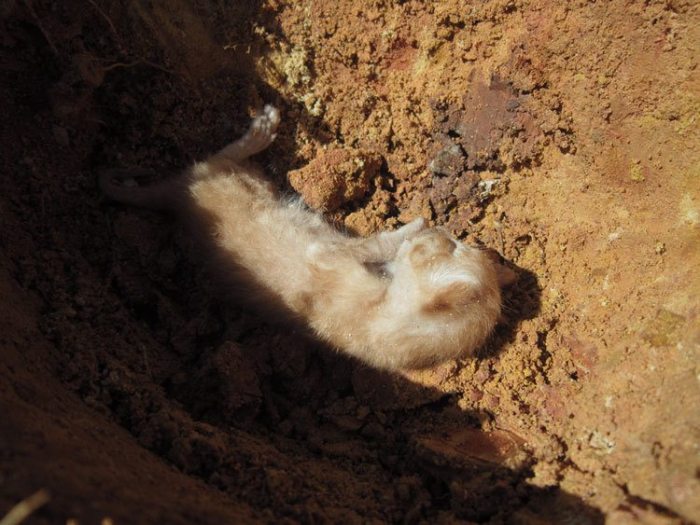
Source: herekitt.com
It’s highly probable that kittens learn food covering behavior from their mothers or other cats. Observing an adult cat covering their food can be a powerful learning experience for a young kitten. They mimic the behavior, gradually incorporating it into their own repertoire.
A cat’s early experiences with food and its environment also shape its habits. If a kitten grows up in a household with multiple pets and limited resources, they’re more likely to develop a strong food covering instinct.
Human interaction and feeding practices can inadvertently influence a cat’s behavior. For example, if a human consistently moves a cat’s food bowl to a less secure location, the cat might start covering their food to protect it.
Scenario: A young kitten, Pip, watches his mother, Luna, carefully cover her wet food with a blanket. Pip initially tries to eat the blanket along with the food, but Luna gently redirects him. Over time, Pip begins to mimic Luna’s behavior, pawing at his own food and pushing it under a nearby towel.
Health and Nutritional Considerations
A cat’s overall health and nutritional status can affect their behavior around food. A healthy, well-nourished cat is less likely to obsessively cover their food than a cat who is struggling with nutritional deficiencies or health problems.
Food sensitivities or allergies can also be linked to changes in food covering habits. A cat experiencing discomfort after eating a particular food might start covering it as a way to distance themselves from the source of their discomfort.
A cat’s appetite and eating speed can also influence their tendency to cover food. A cat who eats quickly might be more likely to cover their food to prevent other animals from stealing it.
- Dental problems
- Gastrointestinal issues
- Parasitic infections
- Stress or anxiety
The Psychological Aspect: Control and Security
Covering food might provide a sense of control and security for the cat. In a world where they can’t always predict what will happen, covering their food allows them to create a small, predictable space where they feel safe and in charge.
This behavior can be a way for cats to manage anxiety or stress related to food. By covering their food, they’re essentially creating a buffer between themselves and potential threats.
A cat’s personality traits also play a role. Anxious cats are more likely to exhibit this behavior than confident cats. A cat who feels secure and in control is less likely to worry about their food being taken.
Visual Representation: Imagine a cat’s mind as a small room. When the cat is eating without covering their food, the room feels exposed and vulnerable. But when they cover their food, the room transforms into a cozy, protected space. The cat sits inside, feeling safe, secure, and in control of their environment. The covering acts as a symbolic barrier, shielding them from potential threats and providing a sense of peace.
Final Conclusion
So, there you have it – a comprehensive look at why cats pretend to bury their food. It’s a blend of ancient instincts, sophisticated scent communication, and individual personality quirks. While it might seem odd to us, this behavior is deeply ingrained in feline nature, offering a window into their survival strategies and their need for control and security. The next time you see your cat meticulously rearranging their food, you’ll know it’s more than just a funny habit – it’s a fascinating piece of the feline puzzle.
Understanding this behavior can also help you better cater to your cat’s needs, providing them with a safe and secure environment where they feel comfortable expressing their natural instincts. After all, a happy cat is a well-understood cat!
Essential FAQs
Why isn’t every cat burying their food?
Not all cats exhibit this behavior. It’s influenced by factors like personality, environment, and how secure they feel. Some cats are simply less inclined to bury their food.
Is it related to hunger?
Not necessarily. While it might seem counterintuitive, food covering isn’t always about saving food for later. It’s often more about scent masking and feeling secure.
Do kittens learn this from their mothers?
Yes, observation and imitation play a significant role. Kittens often learn food covering behavior by watching their mothers or other cats in the household.
Why do they cover wet food more than dry food?
Wet food has a stronger scent, making it more appealing to cover to mask it from other animals. Dry kibble’s scent is less potent, so the urge to cover it is often less.
Should I discourage this behavior?
Generally, no. It’s a natural instinct. Unless it’s causing stress or mess, let your cat engage in this behavior. Providing a clean and safe environment is key.
Could a change in food covering habits indicate a health problem?
Yes, sudden changes in behavior, including food covering, could be a sign of a health issue. Consult a vet if you notice any significant changes.

