Ever been caught off guard by your cat’s sudden change in affection? One minute they’re showering you with loving licks, the next, a nip or bite! It’s a confusing and sometimes startling experience. This behavior, where a cat transitions from grooming to biting, is surprisingly common and often rooted in a complex mix of feline communication, sensory overload, and even underlying medical issues.
Let’s dive into the reasons behind this puzzling interaction and learn how to better understand – and navigate – your cat’s signals.
The licking itself is often a sign of affection, a remnant of kittenhood bonding with their mother, and a way for your cat to mark you with their scent. However, that seemingly sweet gesture can quickly turn sour if your cat reaches a point of overstimulation or discomfort. Understanding the nuances of feline body language and recognizing the subtle cues that indicate your cat is reaching their limit is key to preventing those unexpected bites and fostering a more harmonious relationship.
Why Does My Cat Lick Me Then Bite? Understanding the Complexities
It’s a confusing and sometimes startling experience: your cat is happily grooming you with affectionate licks, and then suddenly,
-snap* – a bite. You’re left wondering, “What just happened?” This behavior isn’t necessarily a sign of aggression or a sudden change in your cat’s affection for you. It’s often a complex interplay of feline communication, sensory overload, and underlying needs.
Let’s dive into the reasons behind this peculiar behavior and how you can better understand and manage it.
Cats are masters of subtle communication, and their actions often have multiple layers of meaning. Understanding the basics of feline behavior is the first step in deciphering why your cat might be licking and then biting. This isn’t about your cat being “mean”; it’s about them trying to communicate something, even if it’s not always clear to us.
Understanding Cat Behavior Basics
Grooming is a fundamental aspect of feline life, serving purposes far beyond just cleanliness. Cats groom themselves to maintain hygiene, regulate body temperature, and distribute natural oils for a healthy coat. They also groom other cats (and sometimes humans!) as a social bonding behavior. This behavior has deep evolutionary roots, stemming from the communal grooming practices of wild cat ancestors.
In a pride, grooming reinforces social bonds and establishes hierarchy. A cat’s environment significantly impacts their grooming habits; a stressed cat might groom excessively, while a relaxed cat might groom less frequently. Recognizing feline body language is crucial for understanding their needs and intentions. Here’s a quick guide:
| Signal | Description | Context | Potential Meaning |
|---|---|---|---|
| Slow Blink | A deliberate, slow closing and opening of the eyes. | During interaction, relaxed setting. | Trust, affection, a feline “I love you.” |
| Tail Upright with a Slight Curve | Tail held high, gently curved at the tip. | Greeting, feeling confident. | Happiness, friendliness, approachability. |
| Flattened Ears | Ears pressed back against the head. | Feeling threatened, anxious, or irritated. | Fear, discomfort, potential for aggression. |
| Dilated Pupils | Pupils larger than normal. | Low light, excitement, fear, or stress. | Arousal, heightened awareness, potential for a reaction. |
| Twitching Tail | Rapid, jerky movements of the tail. | Irritation, frustration, overstimulation. | Discomfort, a warning sign. |
The Licking Behavior: Affection & More
Licking is often interpreted as a sign of affection in cats, and it frequently is! It’s a way for them to show you they like you and feel comfortable around you. Kittens learn grooming behaviors from their mothers, mimicking their actions to bond and learn about hygiene. This early grooming experience establishes a foundation for social interaction. Scent marking plays a significant role in feline licking.
Cats have scent glands on their faces, paws, and other areas, and licking helps them deposit their scent onto objects and individuals, marking them as familiar and safe. This behavior reinforces social bonds between cats and creates a sense of belonging within a group. Licking is a form of social bonding, a way for cats to create a shared scent profile and strengthen their relationships.
The Bite Factor: Why the Sudden Change?
Source: modernvet.com
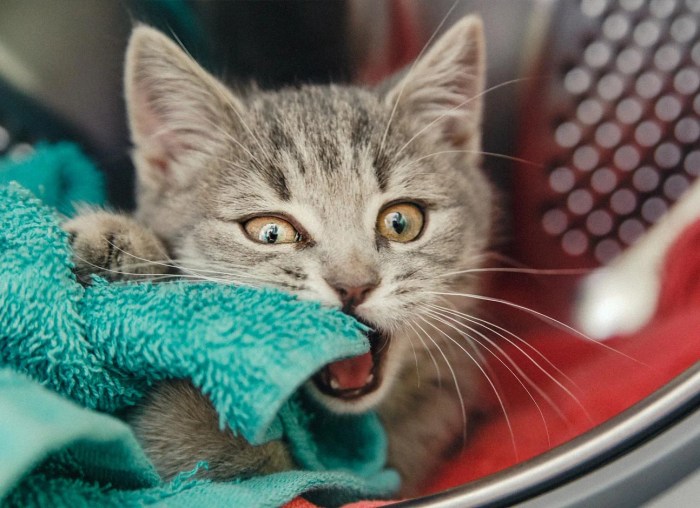
The sudden shift from licking to biting can be perplexing. Several factors can contribute to this change in behavior. It’s crucial to differentiate between playful nips and aggressive bites. Playful nips are usually gentle and accompanied by playful body language, while aggressive bites are more forceful and often accompanied by growling or hissing. Pain or discomfort can trigger defensive biting.
If your cat is experiencing pain, even in an area you can’t readily detect, they may bite when touched. Overstimulation is a common culprit. What starts as enjoyable petting can quickly become overwhelming for a cat, leading to a bite as a way to signal “enough.”
Overstimulation & Sensory Overload
Cats have a lower tolerance for physical stimulation than many people realize. Signs of overstimulation include tail twitching, flattened ears, rippling skin on their back, dilated pupils, and a tense posture. Recognizing when your cat is nearing their “bite point” requires careful observation. Start by paying attention to subtle cues like a twitching tail or a slight flattening of the ears.
If you notice these signs, immediately stop petting. Different textures and pressures affect a cat’s tolerance. Some cats prefer gentle strokes, while others dislike being touched on certain areas like their belly or paws. Understanding your cat’s preferences is key to avoiding overstimulation.
| Stage | Description |
|---|---|
| Petting Begins | Cat appears relaxed, purring, enjoying the interaction. |
| Early Warning Signs | Tail twitching, skin rippling, ears slightly flattened. |
| Nearing Bite Point | Tail lashing, ears flattened, tense posture, dilated pupils. |
| Biting | Cat bites to signal “stop.” |
Medical Considerations & Pain
Underlying medical conditions can significantly impact a cat’s behavior, often leading to irritability and biting. Pain can make a cat more sensitive to touch and more likely to react defensively. Common painful areas on a cat’s body that owners might miss include their paws, tail base, and mouth. Regular veterinary checkups are essential for detecting pain and addressing any underlying medical issues.
Potential medical causes for increased biting, categorized by severity, include:
- Mild: Dental disease, arthritis (early stages)
- Moderate: Skin allergies, urinary tract infections
- Severe: Neurological disorders, internal organ problems
Environmental Stressors & Anxiety
Changes in the home environment, such as the introduction of new pets or people, furniture rearrangements, or even a change in your routine, can cause stress in cats. Loud noises, unfamiliar smells, and disruptions to their territory can also trigger anxiety. Minimizing environmental stressors and creating a safe space for your cat is crucial for their well-being. A safe space could be a quiet room, a high perch, or a cozy bed where they can retreat when feeling overwhelmed.
To help a stressed cat, establish a calming routine that includes consistent feeding times, predictable playtime, and quiet periods for rest. Provide them with hiding places and ensure they have access to fresh water and a clean litter box. A pheromone diffuser like Feliway can also help create a more relaxed atmosphere.
Communication Breakdown: Misinterpreting Signals
Owners can unintentionally encourage behaviors that lead to biting by misinterpreting their cat’s signals. It’s vital to respect a cat’s boundaries and recognize their cues. Adjusting petting techniques to avoid overstimulation is key. Instead of prolonged petting, opt for shorter, more frequent interactions. Positive reinforcement, such as rewarding desired behaviors with treats or praise, can help shape your cat’s behavior and strengthen your bond.
Breed-Specific Tendencies
Certain cat breeds are more prone to sensitivity and may be more likely to exhibit this licking-then-biting behavior. Breeds known for being more sensitive to touch include Persians, Ragdolls, and Siamese. A cat’s personality also significantly influences their reactions to petting. Some cats are naturally more tolerant of physical affection than others.
| Breed | Petting Preference | Sensitivity Level |
|---|---|---|
| Ragdoll | Gentle strokes, enjoys being held | High |
| Siamese | Enjoys head and chin scratches | Moderate |
| Maine Coon | Tolerant of most petting, enjoys brushing | Low |
Addressing the Behavior: Management Strategies
When your cat starts to bite after licking, the most important step is to stop petting immediately. This sends a clear message that you respect their boundaries. Redirect your cat’s attention with toys or activities to distract them from seeking further interaction. Alternative ways to show affection without physical touch include talking to your cat in a soothing voice, offering treats, or simply spending time in the same room as them.
- Verbal praise and gentle encouragement.
- Interactive play with toys like feather wands or laser pointers.
- Providing a comfortable and enriching environment.
- Offering favorite treats or catnip.
Creating a Positive Interaction Cycle
To gradually reintroduce petting after a biting incident, start with very short, positive interactions. Observe your cat’s body language closely during these interactions. Use short, positive petting sessions to build trust. End petting sessions
-before* your cat shows signs of discomfort. This reinforces the idea that petting is a pleasant experience and helps prevent future biting incidents.
Epilogue
Ultimately, deciphering why your cat licks and then bites is about becoming a keen observer of their behavior. It’s a journey of learning their individual preferences, respecting their boundaries, and recognizing the subtle signs of overstimulation or discomfort. By understanding the evolutionary roots of grooming, the role of scent marking, and the potential impact of medical conditions or environmental stressors, you can create a more positive and predictable interaction cycle with your feline friend.
Remember, patience and consistent observation are your best tools in building a stronger, more trusting bond with your cat.
So, next time your cat starts with the licks and then gives you a little warning nip, take a moment to pause, assess their body language, and adjust your approach. You’ll be well on your way to a happier, more harmonious relationship with your beloved kitty!
General Inquiries
Why do cats lick people in the first place?
Licking is a multi-faceted behavior! It can be a sign of affection, a way to groom you (as part of a social bond), and a method of scent marking – essentially claiming you as their own.
Is it normal for cats to bite after being petted?
While not ideal, it’s fairly common. It usually indicates overstimulation or discomfort, not necessarily aggression. It’s a signal that your cat needs a break.
What does it mean when my cat’s tail starts twitching while I’m petting them?
A twitching tail is a classic sign of overstimulation. It’s a warning that your cat is becoming agitated and may bite soon.
Can a cat’s age affect their tolerance for petting?
Yes! Older cats often have more sensitive skin and joints, making them less tolerant of prolonged petting or certain types of touch.
Should I punish my cat for biting?
Absolutely not! Punishment will only create fear and anxiety. Instead, focus on recognizing the warning signs and stopping the interaction before a bite occurs.
How can I tell if my cat is in pain?
Signs can include changes in appetite, hiding, increased vocalization, reluctance to be touched, and sudden aggression. A vet visit is crucial if you suspect pain.
My cat only bites when I touch their belly – why?
Many cats are protective of their belly! It’s a vulnerable area, and biting is a way to set boundaries.

